
When one thinks of baseball legends who left an indelible mark on the game, few players embody grit and longevity quite like Early Wynn. Known for his intimidating presence on the mound and his remarkable endurance, Wynn’s contributions to Major League Baseball spanned over two decades, making him a household name among baseball aficionados. His journey from a young hopeful to a seasoned veteran offers a compelling narrative of dedication, strength, and resilience.
Introduction
Early Wynn, whose full name was Early Wynn Jr., was a stalwart pitcher who carved out an illustrious career in Major League Baseball (MLB). Born on January 6, 1920, Wynn’s career was a testament to his perseverance and determination. Nicknamed “Gus,” Wynn was known for his fierce competitive spirit and unyielding drive, qualities that enabled him to excel even against the most formidable of opponents.
Wynn’s career began in 1939 and lasted until 1963, spanning an impressive 23 seasons. His path to greatness was not easy, marked by periods of struggle and setbacks. Yet, his ability to adapt and overcome challenges made his journey all the more inspiring. Unlike many players who burn out quickly, Wynn’s career was characterized by consistent excellence and a steady improvement over time.
While he played for several teams, Wynn is most closely associated with the Cleveland Indians and the Chicago White Sox. His ability to navigate different team dynamics and still maintain his high performance is a testament to his adaptability and skill. Wynn’s contributions were instrumental in leading his teams to numerous victories, and his legacy continues to inspire new generations of baseball players.
This article aims to delve into the life and career of Early Wynn, shedding light on the man behind the legend and examining the qualities that made him one of the greatest pitchers in baseball history. Through a comprehensive exploration of his career milestones, playing style, and personal attributes, we hope to offer a well-rounded perspective on Early “Gus” Wynn.
The Early Years
Born in Hartford, Alabama, Early Wynn grew up during the Great Depression, an era that shaped his character and instilled in him a sense of hard work and resilience. Wynn’s early years were spent honing his baseball skills in the sandlots and fields of Alabama, dreaming of one day making it to the big leagues. His father, a semi-professional baseball player, was an early influence, providing both inspiration and guidance.
Wynn’s journey to professional baseball began when he was scouted by the Washington Senators in the late 1930s. Signed as a teenager, Wynn made his debut in the major leagues in 1939 at the age of 19. Despite his youth, Wynn’s talent was evident, and he quickly made a name for himself as a promising pitcher with potential for greatness. However, the early years of Wynn’s career were not without their struggles. He faced a steep learning curve and had to contend with more experienced and established players.
Wynn’s early career was marked by inconsistency, and he spent several years moving between the major league team and the minor leagues. It was during this period that he developed his signature pitch, the hard slider, and refined his fastball, adding to his growing arsenal of pitches. Despite the setbacks, Wynn’s fierce determination and relentless work ethic began to pay off, and by the mid-1940s, he had established himself as a reliable and formidable pitcher.
His breakthrough came in the late 1940s when he was traded to the Cleveland Indians. This move proved to be transformative for Wynn, providing him with the opportunity to work with some of the best coaches and players in the league. Under their guidance, Wynn’s performance steadily improved, and he soon became one of the team’s star pitchers. The trade to Cleveland marked the beginning of a new and successful chapter in Wynn’s career, one that would see him rise to the pinnacle of baseball greatness.
The Glory Days with Cleveland Indians
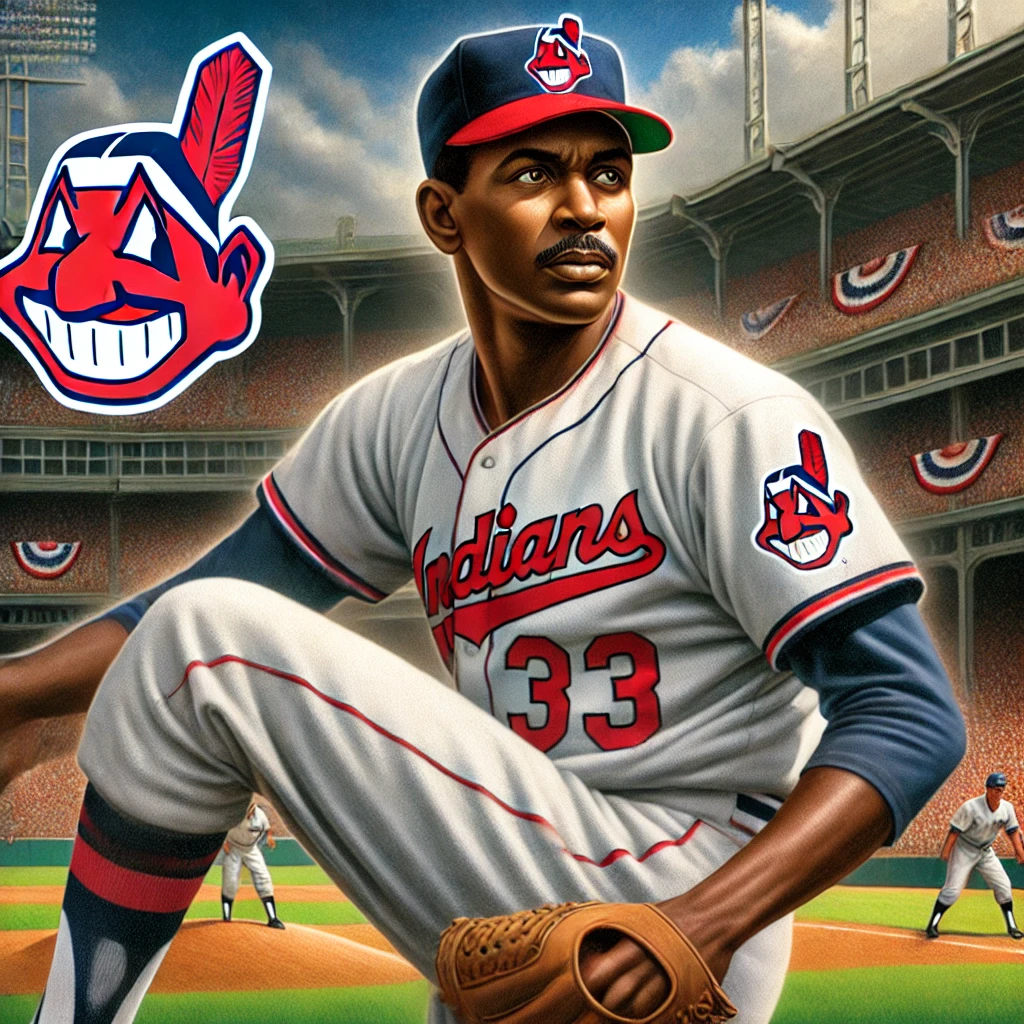
Early Wynn’s tenure with the Cleveland Indians represented the peak of his career. Between 1949 and 1957, Wynn donned the Indians jersey and delivered some of the most memorable performances in baseball history. His time with the Cleveland Indians showcased not just the development of his skills but also his growth as a team leader.
Wynn’s work ethic was unmatched. He was known to meticulously prepare for each game, studying opponents and refining his pitches. His determination and focus on improvement were evident every time he took the mound. This period was particularly fruitful, culminating in Wynn earning his first and only Cy Young Award in 1959, which was an acknowledgment of his skill and dedication.
One of the highlights of Wynn’s career with the Indians was the 1954 season. The Cleveland Indians won a then-record 111 games, thanks in no small part to Wynn’s excellent pitching. His contributions were integral in helping the team win the American League pennant that year. Although the World Series victory eluded them, losing to the New York Giants, Wynn’s performance remained a standout.
During his years with Cleveland, Wynn earned six of his nine All-Star selections, further solidifying his reputation as one of baseball’s elite pitchers. His presence on the mound was intimidating. Known for his aggressive pitching style, Wynn wasn’t afraid to throw inside pitches to back batters off the plate, a tactic that earned him both respect and a bit of notoriety.
A lesser-known but significant contribution Wynn made during his time with the Indians was his mentorship to younger pitchers. His experience, combined with a willingness to share knowledge, helped develop the next generation of pitchers, leaving a lasting impact on the organization. Thus, Wynn’s legacy with the Cleveland Indians is not just in the records he set, but in the way he elevated the team’s overall performance and helped cultivate new talent.
The Chicago White Sox Era
In December 1957, Early Wynn was traded to the Chicago White Sox, a move that many viewed as the twilight of his career. However, Wynn had other plans. Far from winding down, he continued to showcase his exceptional talent and determination. Playing for the White Sox reignited Wynn’s career, giving him new challenges and opportunities to add to his already impressive resume.
The 1959 season was a high point for Wynn during his time with the White Sox. That year, he not only helped lead the team to their first American League pennant in 40 years but also won the prestigious Cy Young Award. This achievement was particularly significant given that Wynn was 39 years old, an age when many pitchers consider retirement. His performance during the 1959 season was a testament to his incredible stamina and skill, reaffirming his place among baseball’s elite.
Wynn’s impact on the White Sox went beyond individual accolades. He was instrumental in bolstering the team’s pitching staff, providing a steady and reliable presence on the mound. His veteran experience was invaluable during high-pressure games, and his leadership helped the younger players on the team to develop and excel. Wynn’s games were often marked by strategic brilliance and an unyielding competitive spirit, characteristics that inspired his teammates and intimidated his opponents.
Even after passing the age of 40, Wynn’s performance did not wane significantly. He continued to be a productive and effective pitcher, even as the game evolved and younger competitors emerged. Throughout the early 1960s, Wynn adapted his pitching style to maintain his edge, relying more on his experience and cunning rather than sheer speed. His ability to evolve and remain relevant in the face of changing dynamics and physical limitations stands as a testament to his remarkable career longevity.
Final Years and Retirement
As Early Wynn’s career approached its conclusion, he continued to leave an impact on the baseball community. His final seasons were spent with the Cleveland Indians, who signed him in 1963 to give him the opportunity to reach the milestone of 300 career wins. This was a significant moment for Wynn, marking him as one of only a few pitchers to achieve such an honor.
The quest for 300 wins was not easy. Wynn experienced physical limitations and a reduction in velocity, but his determination never wavered. On July 13, 1963, he finally secured his 300th win against the Kansas City Athletics, cementing his place in the annals of baseball history. This milestone win was celebrated widely and hailed as a fitting end to an extraordinary career.
Following his retirement as a player, Early Wynn transitioned into broadcasting and coaching, sharing his wealth of knowledge and experience with a new generation of baseball enthusiasts and players. He worked as a color commentator for the Toronto Blue Jays and later served as a pitching coach, continuing to influence the game he loved from the sidelines. His insights and analyses added depth to baseball broadcasts, helping fans appreciate the nuances of pitching.
Wynn’s achievements were formally recognized in 1972 when he was inducted into the Baseball Hall of Fame. This honor was a well-deserved acknowledgment of his contributions to the sport and his remarkable career. Despite his often gruff exterior, Wynn was deeply respected by his peers, fans, and the baseball community for his unwavering dedication and skill.
Even after his induction, Wynn remained a beloved figure in the baseball world, often appearing at events and sharing stories from his storied career. His legacy continues to inspire aspiring pitchers who admire his grit, determination, and ability to overcome challenges. Early Wynn passed away on April 4, 1999, but his impact on the game of baseball endures, a fitting tribute to a true legend of the sport.
Conclusion
Early Wynn’s journey from a small town in Alabama to the pinnacle of Major League Baseball is a story of perseverance, grit, and undying passion for the game. Wynn’s career, marked by numerous highs and lows, serves as a reminder of the importance of dedication and resilience in achieving greatness. His ability to adapt, evolve, and overcome challenges is a testament to his remarkable character and skill.
Wynn’s legacy is not only measured by his impressive statistics but also by the indelible mark he left on the game and those who crossed his path. His influence extends beyond the records and accolades; it includes the countless players he mentored, the fans he inspired, and the rich history he contributed to. Early Wynn remains a symbol of what it means to be a true baseball legend—one who faced each challenge with unwavering determination and left the game better than he found it.
As we reflect on Early Wynn’s storied career, we are reminded of the timeless values that define great athletes: hard work, determination, and an unyielding passion for excellence. Wynn’s story is one that will continue to be told for generations, inspiring new players to chase their dreams and leave their mark on the sport of baseball. His life’s work is a legacy of resilience and greatness, forever enshrined in the history of America’s pastime.