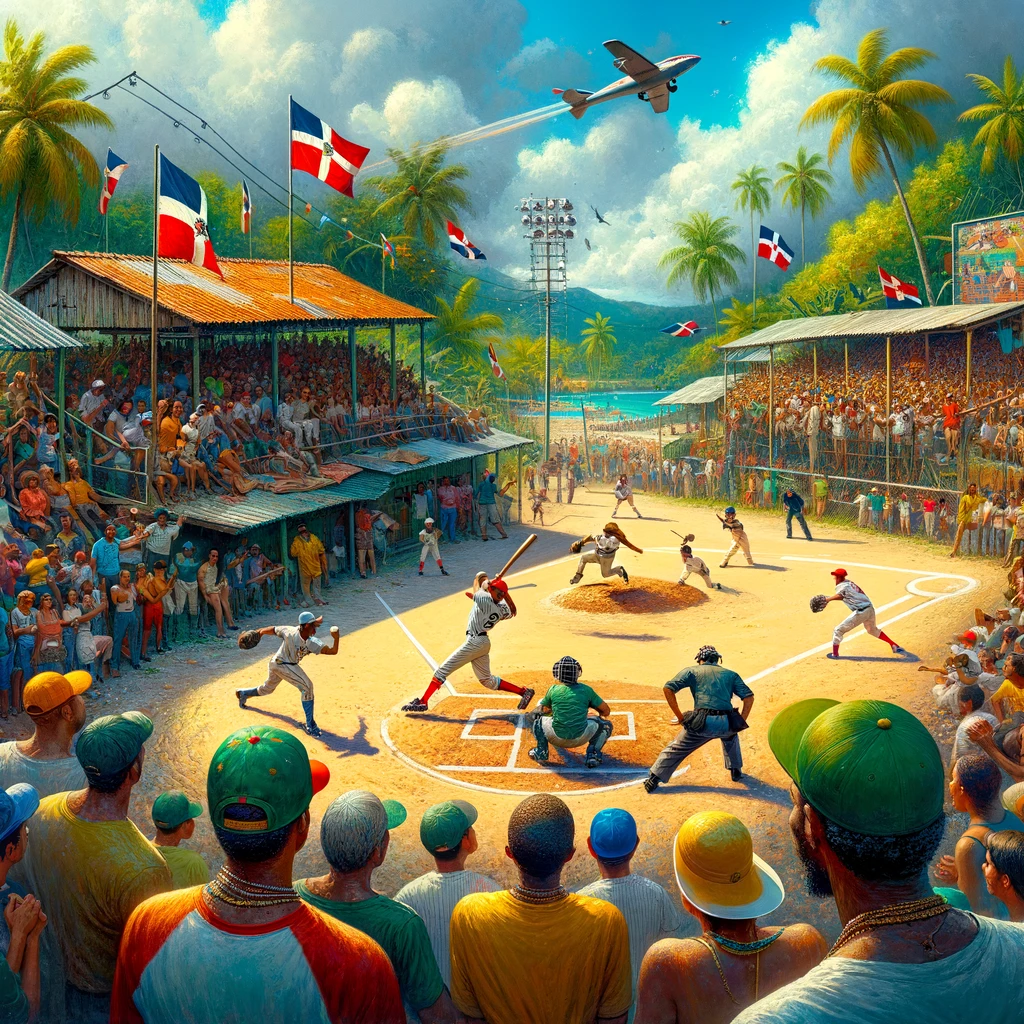
Baseball is not just a sport in the Dominican Republic; it is a vibrant part of the nation’s soul and socio-cultural fabric. This comprehensive article delves into the profound ways in which baseball intersects with the socioeconomic realities of the Dominican Republic, shaping lives, communities, and national identity.
The Historical Context of Baseball in the DR
The roots of baseball in the Dominican Republic stretch back to the late 19th century, coinciding with the country’s desire to carve out a national identity distinct from colonial powers and neighboring countries. Baseball rapidly became a symbol of national pride and unity, intertwining the sport with the country’s struggle for independence and self-determination.
The Early Days
In the early days, baseball in the Dominican Republic was more than a sport; it was a political statement against colonial rulers and oppressive regimes. It served as a vehicle for social change, embodying the hopes and aspirations of a people striving for a better future. The first official baseball league, Liga Dominicana de Béisbol Invernal, was founded in 1951, institutionalizing the sport and fostering a professional atmosphere that would help cultivate local talent.
Economic Impact of Baseball
The economic impact of baseball in the Dominican Republic is multifaceted, contributing significantly to the local and national economies through various channels.
Local Economies and Opportunities
Baseball has become a major industry in the Dominican Republic, generating substantial revenue and creating thousands of jobs. From the construction of state-of-the-art training facilities to the day-to-day operations of baseball academies, the sport has sparked economic development in areas that would otherwise struggle with poverty and unemployment.
Baseball Academies
Dominican baseball academies, operated by Major League Baseball (MLB) teams, are perhaps the most visible sign of baseball’s economic influence. These academies not only scout and train young talent but also provide education and life skills training, offering a pathway out of poverty for many young Dominicans.
Major League Contributions
The Dominican Republic has produced more MLB players than any country outside of the United States, including hall-of-famers and multiple MVP winners. The success of these players on the international stage has not only brought pride to the nation but has also had tangible economic benefits. Player remittances and charitable activities contribute significantly to the national economy, while their success inspires the next generation of players, sustaining the baseball industry’s growth domestically.
Social Impact of Baseball
Baseball’s social impact in the Dominican Republic is as profound as its economic contributions, influencing the fabric of Dominican society in several ways.
National Identity and Community
Baseball is a source of national pride in the Dominican Republic. It’s a common language spoken across different strata of society, uniting the country with each international competition and every local game. This shared passion strengthens community bonds, fosters social cohesion, and offers a form of escapism from the socio-economic challenges faced by many Dominicans.
Role Models and Social Mobility
Dominican MLB players often become role models, embodying the possibilities that lie beyond the boundaries of their home country. The success stories of players like Pedro Martinez, Juan Marichal, and Vladimir Guerrero resonate deeply within communities, encouraging young athletes to dream big and work hard, despite economic or social constraints.
The Double-edged Sword of Baseball Dreams
While baseball offers a pathway to success and social mobility, it also presents challenges. The intense focus on becoming a professional player can detract from traditional education paths, leaving those who don’t make it professionally at a significant disadvantage. Furthermore, the fierce competition to be noticed by scouts can lead to pressure and exploitation, with some young athletes turning to performance-enhancing drugs as a means to an end.
Looking to the Future
The future of baseball in the Dominican Republic is bright, with continued investment in facilities, education, and athlete development. As the country moves forward, there’s a growing emphasis on creating more sustainable pathways for young athletes, ensuring they have support and opportunities whether or not they achieve professional baseball success.
Sustainable Development of Baseball Talent
Organizations and MLB clubs are increasingly focusing on the holistic development of athletes, recognizing the importance of education and personal development alongside baseball training. By providing athletes with a broader skill set and education, they ensure that baseball contributes positively to the athletes’ lives, their families, and their communities, regardless of their professional achievements in the sport.
The Global Stage
As baseball continues to grow globally, the Dominican Republic remains at the forefront, not just as a producer of talent but also as a contributor to the international baseball community. The country’s influence extends beyond its borders, affecting how baseball is played, managed, and enjoyed worldwide.

The Cultural Exchange and International Relations
The global reach of Dominican players has facilitated cultural exchanges and enhanced international relations, particularly between the Dominican Republic and the United States. These exchanges are not limited to the baseball diamond; they extend into areas such as education, with scholarship programs and cross-cultural initiatives aimed at fostering a deeper understanding and respect between the cultures.
International Scouting and Investment
The global appeal of Dominican baseball has led to increased international scouting and investment in the country. This not only brings financial capital into the Dominican economy but also provides a platform for cultural diplomacy, as baseball becomes a bridge between nations, fostering mutual respect and understanding.
Policy and Infrastructure Development
Government and private sector investments in baseball infrastructure and policy have been pivotal to the sport’s success and its socio-economic impact. This includes the development of baseball facilities, investment in community programs, and policies aimed at regulating and promoting the sport.
Government Support
The Dominican government’s support for baseball, through both direct investment and policy initiatives, has been crucial in creating an environment where the sport can flourish. From improving sports facilities to integrating baseball into the public education curriculum, government participation has underscored the importance of baseball to the Dominican Republic’s national identity and international reputation.
Private and International Partnerships
Private partnerships and international investments have played a significant role in the development of baseball in the Dominican Republic. These collaborations have led to the construction of world-class facilities, implementation of community outreach programs, and provision of resources necessary for the holistic development of young athletes.
Environmental Considerations
As baseball facilities and academies expand, there’s a growing awareness of their environmental impact. Sustainable practices are being implemented by some organizations to ensure that the development of baseball talent is environmentally responsible, focusing on water usage, energy consumption, and land development.
Educational Impact and Initiatives
Baseball has also had a significant educational impact in the Dominican Republic. Beyond the academies, there are initiatives aimed at ensuring young athletes receive a quality education, emphasizing the importance of having career options outside of baseball.
Beyond the Field: Educational Programs
Educational programs within baseball academies emphasize the importance of academic success alongside athletic prowess. By offering classes in subjects such as mathematics, science, and language arts, these programs help prepare young athletes for a variety of future career paths.
The Role of Non-Profit Organizations
Non-profit organizations have been instrumental in bridging the gap between sports and education in the Dominican Republic. By providing scholarships, tutoring, and educational resources, these organizations ensure that aspiring baseball players have the support they need to succeed both on and off the field.
Health and Wellness Focus
The focus on health and wellness among Dominican baseball players has become increasingly important. With the prevalence of performance-enhancing drugs in the past, there’s now a concerted effort towards promoting clean sportsmanship and the overall well-being of athletes.
Mental Health Initiatives
Recognizing the intense pressure young athletes face, mental health initiatives have been established to provide support and counseling. This holistic approach to player development is essential in ensuring athletes are prepared for all aspects of life, whether in baseball or other endeavors.
Nutrition and Physical Health
Programs focusing on nutrition and physical health are now integral parts of baseball academies in the Dominican Republic. Educating young athletes on the importance of proper nutrition and physical care is pivotal in creating not just better players, but healthier individuals.
Community Engagement and Responsibility
Baseball academies and professionals in the Dominican Republic are increasingly engaged in community service and responsibility initiatives. These efforts range from hosting free baseball clinics to engaging in community rebuilding projects. Such involvement not only strengthens community ties but also reinforces the role of athletes as role models and leaders in society.
Frequently Asked Questions
1. What is the origin of baseball in the Dominican Republic?
Baseball’s rich history in the Dominican Republic dates back to the late 19th century. It was introduced during the Cuban Ten Years’ War (1868-1878) when many Cubans fled to the Dominican Republic, bringing along their love for baseball. This period was pivotal, as it marked the beginning of the sport’s deep-rooted presence on the island. Over the years, baseball evolved not only as a popular pastime but as a significant part of the Dominican culture and national identity.
As the sport grew in popularity, it became intricately linked with the country’s social and economic development. In the early 20th century, baseball clubs began forming, providing structure and competitive spirit to the game. The influence of American culture and Major League Baseball (MLB) also played a role in the sport’s popularity, particularly during and after the era of American occupation (1916-1924) when the U.S. maintained a strong cultural presence in the region.
By the mid-20th century, Dominican players began emerging in the MLB, further embedding baseball in the national psyche. Icons like Ozzie Virgil, the first Dominican-born player in MLB, paved the way for what would become a significant source of national pride and international recognition for the Dominican Republic.
2. How does baseball influence the socioeconomic aspects of the Dominican Republic?
Baseball in the Dominican Republic is much more than a game; it’s an essential socioeconomic engine that lifts individuals and communities out of poverty. One of the most significant impacts is the baseball academies that scouts for young talent across the country. Aspiring players see baseball as a viable career path that offers financial stability and a chance to enhance the quality of life for their families.
The economic ripple effect of baseball is profound. MLB teams invest in local academies, providing young players with training, education, and the chance to pursue professional careers. For many families, the prospect of a relative making it to the major leagues is a lifeline, offering economic opportunities that are otherwise scarce. This dynamic has influenced family structures and community support systems, fostering environments that prioritize and nurture aspiring baseball talent.
Additionally, baseball drives tourism and local businesses, especially in areas with prominent players or successful teams. Merchandising, infrastructure development, and international visibility have contributed to a growing economy centered around baseball.
3. Who are some notable Dominican baseball players, and how have they contributed to the sport’s legacy?
The Dominican Republic has produced numerous exceptional baseball talents who have left significant marks on the sport both locally and internationally. Names like Juan Marichal, Pedro Martínez, and David Ortiz resonate worldwide due to their outstanding achievements and contributions to baseball’s legacy.
Juan Marichal, known for his high-kicking pitching style, was one of the first Dominican players to be inducted into the Baseball Hall of Fame, setting a precedent for future generations. Pedro Martínez, another Hall of Fame inductee, is celebrated for his extraordinary performances and charismatic persona, which have inspired countless Dominican youth to pursue the sport.
David Ortiz, or “Big Papi,” has become a folklore hero in both the Dominican Republic and Boston, his adopted home of fame. Known for critical clutch hits, his legacy stretches beyond the field as he continues to be a philanthropist, helping children and communities in need. These players and others like Albert Pujols and Sammy Sosa have not only excelled on the field but have also given back to their communities, reinforcing the integral bond between baseball and Dominican culture.
4. What role do baseball academies play in shaping young talent in the Dominican Republic?
Baseball academies in the Dominican Republic are pivotal in nurturing and developing young talent with aspirations of playing in the MLB. These academies function as training grounds and educational centers that offer prospects the skills necessary to succeed in professional baseball.
At these academies, players receive rigorous training and coaching that focuses not just on improving their athletic capabilities but also emphasizes discipline, teamwork, and strategic thinking. The goal is to prepare these young athletes both physically and mentally for the challenges of professional baseball.
Moreover, some academies provide educational programs that ensure players have a basic education, emphasizing the importance of having a fallback option should their professional baseball careers not pan out. The presence of MLB-affiliated academies has enhanced the development of baseball infrastructure and created pathways for many young Dominicans to achieve careers in baseball. They also instill a sense of hope and possibility, fundamentally shaping the lives of these athletes and their families.
5. How does the Dominican Republic’s national passion for baseball impact their participation in international competitions?
The Dominican Republic’s fervent love for baseball significantly impacts its participation and performance in international competitions. The country has consistently been a formidable competitor in events such as the World Baseball Classic (WBC), where their passion and skill are on full display.
This passion stems from both national pride and the cultural significance of baseball. With a sense of pride and representation, Dominican players often perform with a heightened level of energy and commitment unparalleled in other sports. The collective dream and pursuit of excellence resonate strongly within the national team, making the Dominican Republic a powerhouse on the world stage.
The country’s remarkable WBC championship win in 2013 is a testament to their skill and dedication, uniting the nation in celebration. This victory reinforced baseball’s vital role in the Dominican Republic, further solidifying its identity as a baseball-bred nation and inspiring future generations of players. For the Dominican people, international competitions are a chance to showcase their talent globally and demonstrate the depth of their country’s rich baseball heritage.