
The magical tale of baseball is replete with legendary figures whose prowess redefined the game, and Carl Hubbell stands among the most memorable. Known as “King Carl” and “The Meal Ticket,” Hubbell captivated fans with his extraordinary screwball, becoming one of the most influential left-handed pitchers in Major League Baseball (MLB) history. But it’s not just his famed screwball that catapulted him into baseball’s hall of fame; it’s a cocktail of resilience, strategic genius, and sheer passion for the game. This article journeys through the various chapters of Carl Hubbell’s life, from his humble beginnings to his iconic moments in the MLB, unraveling the threads that weave into the legacy of King Carl.
Carl Owen Hubbell was born on June 22, 1903, in Carthage, Missouri. Growing up in the small town of Meeker, Oklahoma, his love for baseball ignited early. Armed with a strong arm and an insatiable curiosity for pitching mechanics, young Hubbell dedicated numerous hours honing his skill. As a teenager, he developed into a remarkable pitcher, often overpowering local competition. Eventually, his talent caught the eye of baseball scouts, paving the way for a professional career. Despite encountering initial setbacks, including a brief and unsuccessful stint in the Detroit Tigers’ organization, Hubbell’s determination never wavered. However, it wasn’t until he discovered and perfected the screwball—a pitch many considered a risky maneuver—that he truly found his stride. This unique pitch would become synonymous with his name, propelling him to unprecedented heights and cementing his place in baseball history. Hubbell’s move to the New York Giants in 1928 marked the beginning of an illustrious career. With a seemingly unorthodox pitching style that left hitters guessing and coaches marveling, he quickly established himself as a force to be reckoned with on the mound. His path, though lined with challenges, exemplified the essence of the American spirit: tenacity, innovation, and the relentless pursuit of excellence.
The Rise of King Carl
The landscape of baseball during the late 1920s and early 1930s was fiercely competitive, with numerous talented pitchers vying for distinction. Yet, Carl Hubbell stood out, not just for his skill but for the sheer ingenuity he brought to his game. His mastery of the screwball—a pitch that breaks in the opposite direction to a standard curveball—earned him widespread acclaim and the nickname “King Carl.” Upon joining the New York Giants, Hubbell quickly made his mark. In his rookie season in 1928, he posted an impressive ERA of 2.83, securing his place in the Giants’ starting rotation. Over the next few years, Hubbell’s reputation grew, not merely for his impressive stats but for his incredible control and ability to outthink hitters. He developed a unique ability to predict a batter’s intentions, constantly staying a step ahead and making precise pitches that seemed almost un-hittable. One of the highlights of Hubbell’s career came during the 1933 MLB season, where he led the Giants to a World Series championship. In that season, he achieved an astonishing 23 wins and an ERA of 1.66, showcasing his dominance and earning reflection as one of the greatest seasons ever by a pitcher. His performance in the World Series further solidified his legacy, as he delivered a series of masterful pitching performances that stifled opposing batters. Hubbell’s rise to fame was punctuated by two National League Most Valuable Player (MVP) Awards in 1933 and 1936. His consistent excellence, ability to pitch deep into games, and unflinching control over the screwball made him a batter’s nightmare and a fan favorite. His influence on the mound extended beyond his physical abilities, epitomizing a blend of psychological warfare and brute strength that would leave an indelible mark on the sport.
The Unforgettable “All-Star Game” of 1934
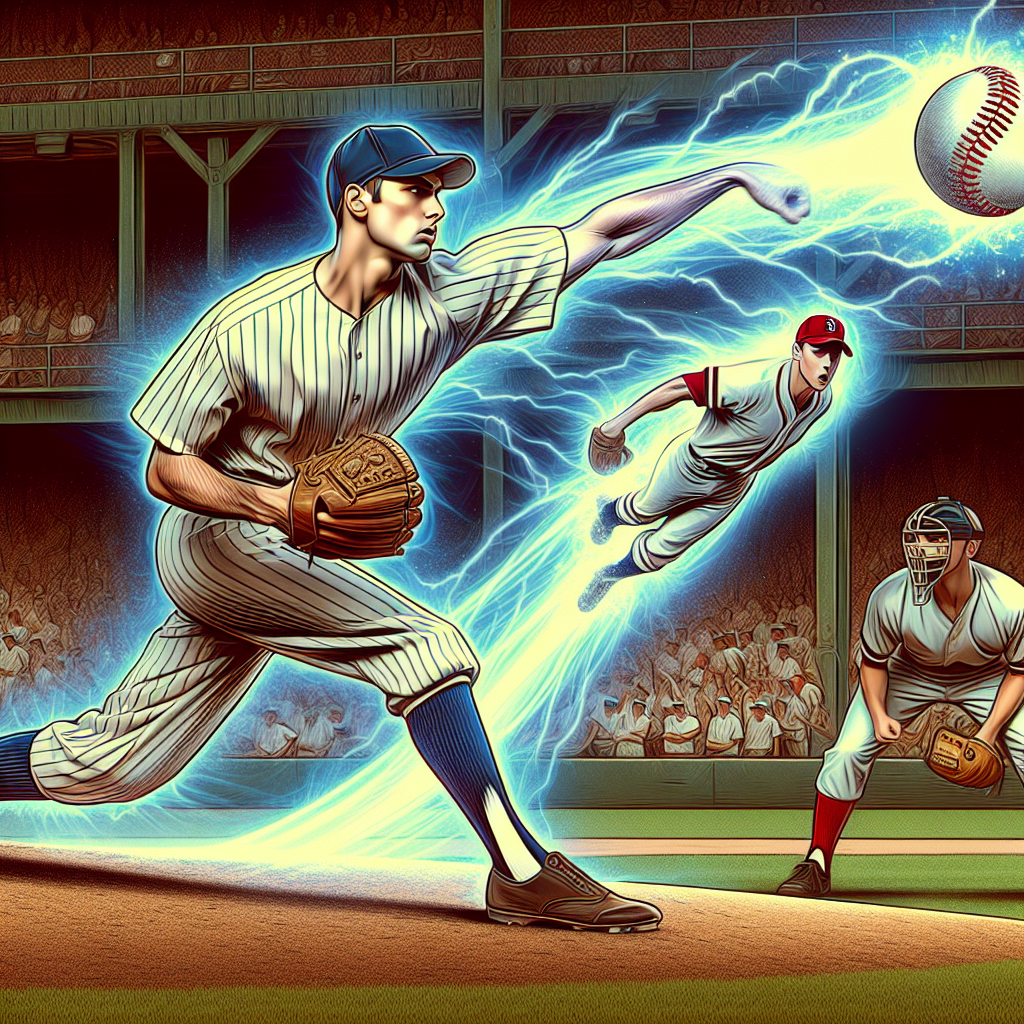
A defining moment in Hubbell’s career, and arguably in the annals of baseball history, occurred during the 1934 MLB All-Star Game. This midsummer classic was more than just an exhibition game; it was a stage for legendary performances. And Carl Hubbell did not disappoint. The match began with a star-studded lineup featuring some of the greatest hitters of all time, including Babe Ruth, Lou Gehrig, Jimmie Foxx, Al Simmons, and Joe Cronin. These players were not just household names; they were titans of the game, each capable of turning the tide with a single swing. Facing such formidable opposition would be a daunting task for any pitcher, but Hubbell embraced the challenge with characteristic composure. In an unprecedented display of pitching mastery, Hubbell proceeded to strike out five consecutive Hall of Famers: Ruth, Gehrig, Foxx, Simmons, and Cronin. Each strikeout was not merely a pitching duel; it was an art form, showcasing Hubbell’s ability to deceive hitters with his legendary screwball. The performance left fans, players, and pundits alike in awe, etching Hubbell’s name into the folklore of baseball. This incredible feat showcased his ability to shine brightest under pressure, further cementing his legacy as one of the greatest pitchers of his generation. The 1934 All-Star Game remains a quintessential example of Hubbell’s skill, serving as a lasting testament to his mastery over one of baseball’s most challenging pitches.
King Carl’s Impact Beyond the Diamond
Carl Hubbell’s influence extended far beyond his performance on the baseball diamond. After retiring from his playing career, he transitioned into a pivotal role within the New York Giants organization—becoming a key figure in their player development and scouting departments. His wealth of experience and extraordinary baseball acumen made him an invaluable asset. Hubbell’s keen eye for talent helped the Giants cultivate a new generation of exceptional players. As a mentor, he shared invaluable insights and techniques, fostering a culture of excellence that would benefit the franchise for years to come. His ability to recognize raw talent and refine it into MLB-ready skill was unmatched, ultimately earning him enduring respect and admiration within baseball circles. Moreover, Hubbell’s contributions to the game were recognized through his induction into the National Baseball Hall of Fame in 1947, further immortalizing his impact on the sport. His legacy served as an inspiration for countless pitchers who sought to master the screwball, a challenging pitch that had become synonymous with his name. Hubbell’s role as an ambassador for baseball extended to his involvement in various fan engagements and public events, where he shared wisdom and anecdotes from his storied career. His approachable demeanor and passion for the game continued to captivate fans, solidifying his standing as an enduring icon in baseball history.
The Mastery of the Screwball
At the heart of Carl Hubbell’s legendary career lies his unparalleled mastery of the screwball. Unlike a standard pitch, the screwball defies conventional wisdom, breaking in the opposite direction to a curveball and baffling hitters with its deceptive movement. While many pitchers attempted this pitch, few could wield it with the finesse and precision that Hubbell consistently demonstrated. Mastering the screwball requires an intricate blend of technique, strength, and timing. Hubbell’s ability to disguise his grip and delivery made it exceedingly difficult for batters to anticipate. The illusion created by the screwball often left hitters swinging at air or grounding out weakly, unable to generate solid contact against the pitch. For many years after his domination on the mound, pitchers would seek to emulate Hubbell’s screwball, often turning to him for advice and guidance. His expertise became a valuable resource, influencing pitching strategies and contributing to the broader evolution of the game. Hubbell’s success with this pitch also underscored the importance of adaptability and innovation in baseball, inspiring countless players to explore new techniques and push the boundaries of their craft. Carl Hubbell’s dedication to mastering the screwball exemplified the relentless pursuit of perfection that defined his career. It was a testament to his willingness to innovate, adapt, and excel in an environment where the competition was fierce and the margin for error was slim.
Conclusion
Carl Hubbell remains a towering figure in the annals of baseball history, not just for his impressive statistics and accolades but for the profound impact he had on the sport. His journey from a small town in Oklahoma to the heights of MLB stardom is a testament to his relentless dedication, skill, and innovation. “King Carl” captivated the baseball world with his extraordinary screwball, redefining what was possible on the pitcher’s mound. His legacy extends beyond his playing days, encompassing his role as a mentor, scout, and ambassador for the game. Hubbell’s influence continues to resonate through generations of players who have been inspired by his mastery of the screwball and his unwavering commitment to baseball. The lessons he imparted, both through his performance and his mentorship, reverberate through the halls of baseball history, ensuring that his contributions will be remembered for generations to come. In reflecting on Carl Hubbell’s storied career, we are reminded of the magic inherent in baseball—the blend of skill, strategy, innovation, and sheer determination that makes the game timeless. Hubbell’s legacy, carved through his screwball mastery and multi-faceted impact, serves as an enduring symbol of the beauty and complexity of America’s pastime.