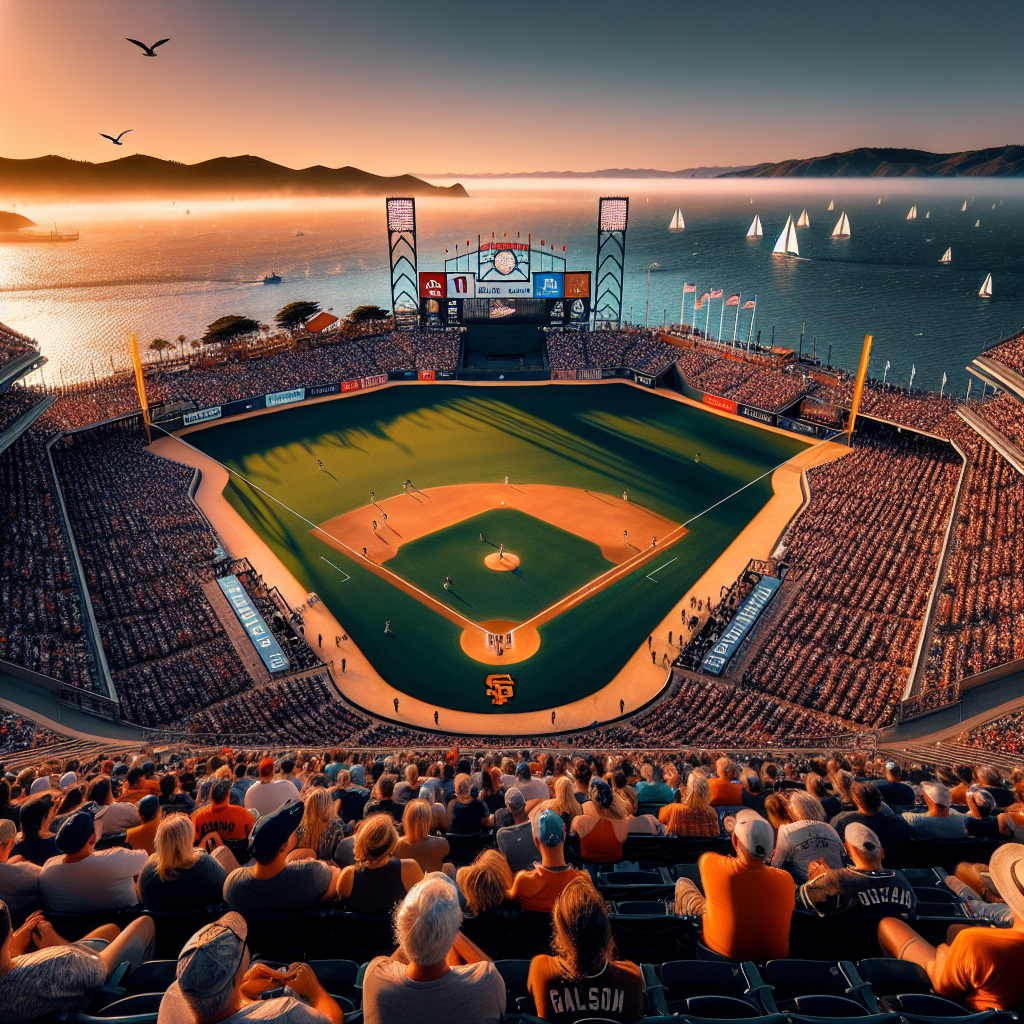
Candlestick Park, fondly remembered by fans and players alike, was a ballpark that exuded a character all its own. Situated on a windy and often cold site in San Francisco, this iconic ballpark served as the home of the San Francisco Giants from 1960 until 1999, as well as hosting numerous other events, including NFL games for the San Francisco 49ers. Candlestick was more than just a place to watch a ballgame; it was a place where history unfolded. Despite its closure and later demolition, the memories of the ‘Stick’ remain etched in the annals of baseball and in the hearts of its many fans.
Built on a landfill that jutted into the Bay, Candlestick Park was infamous for its constantly changing weather. The ballpark, officially known as ‘3Com Park’ in its later years due to naming rights, earned its name from the nearby Candlestick Point on San Francisco Bay. Over the years, the Giants experienced everything from shocking winds that made fly balls adventuresome to fog rolling into the outfield. The unpredictable conditions were both a burden and a badge of honor for those who played there.
This article aims to pay homage to Candlestick Park, delving into its origins, the good times and bad, and its legacy. Playing there was a unique experience, and the stories emerging from games played on its turf are legendary. Join us as we take a nostalgic journey to one of baseball’s most memorable venues.
The Birth of Candlestick Park
Candlestick Park’s journey began in the late 1950s when the New York Giants were seeking a new home. The franchise had decided to move west, and San Francisco was eager to welcome major league baseball to its shores. Construction of Candlestick Park started in 1958 and was completed by April 1960. Designed by architect John Bolles, it was one of the first stadiums constructed entirely with reinforced concrete.
The stadium officially opened its gates on April 12, 1960, with the Giants hosting the St. Louis Cardinals. The day was a showcase of the Bay Area’s unpredictable weather; it started sunny but finished cold and windy. The turbulent conditions would soon become a defining feature of the park. Early reviews of the stadium highlighted its modern amenities and spectacular views of the Bay but also noted the discomfort caused by the wind and cold.
The park was not just a baseball venue; its design also incorporated potential uses for football and other events. However, baseball was its primary tenant. The stadium’s seating capacity was about 43,000 initially, and it was later expanded to accommodate more fans. Candlestick became synonymous with resilience and adaptation, reflecting San Francisco’s own culture.
Memorable Moments and Historic Games
Candlestick Park witnessed some of the most exciting moments in baseball history. One of the most notable was the 1961 All-Star Game, which was one of two such games that year (an experiment MLB tried for a few seasons). The wind played a role in that game as well, making it a notable instance of Candlestick’s infamous weather impacting play.
Then came the 1989 World Series. The ‘Battle of the Bay’ between the Giants and the Oakland Athletics brought the spotlight to Candlestick Park, not just for the series itself but also for the traumatic event that interrupted it. On October 17, 1989, just before Game 3 was about to start, the Loma Prieta earthquake struck, causing significant damage to the San Francisco Bay Area. The event is burned into the memories of everyone present, and the eerie footage of the shaking stadium captured the dramatic tension of the moment.
The Giants also had some incredible individual performances at the ‘Stick.’ Willie Mays, one of the greatest players in the history of baseball, roamed the outfield at Candlestick for much of his career, making countless highlight-reel catches and hitting memorable home runs. Later, in the 1990s, Barry Bonds brought his own brand of excitement to the ballpark, smashing home run records and giving fans thrilling moments.

The Fan Experience
Attending a game at Candlestick Park was an adventure in itself. The cold Bay winds often had fans bundled up even in the middle of summer. Blankets, scarves, and thermoses of hot chocolate became essential items for surviving a game. The stadium’s location meant that fog could roll in unexpectedly, leading to surreal game-time atmospheres with balls disappearing into mist.
Despite the challenging weather, fans were fiercely loyal, creating an electric atmosphere during games. The stadium’s layout made for excellent sightlines, allowing fans close views of the action despite the occasional discomfort. The ‘Knot Hole Gang,’ a special section for young fans, represented Candlestick’s commitment to fostering a love for the game among future generations.
Outside the park, tailgating and pre-game activities were popular as fans gathered to celebrate their team. The sense of community and shared experience were integral parts of going to a game at Candlestick Park. The stadium might have been a test of one’s endurance, but it was also a place where countless friendships were forged and memories made.
Challenges and Controversies
Candlestick Park was not without its challenges and controversies. The cold and windy conditions were a constant source of frustration. Players often spoke about the difficulties of hitting and fielding in such unpredictable weather. Some said that playing at The ‘Stick was like playing in two ballparks in one game because of the wind shifts and temperature drops.
Furthermore, the location on a landfill led to some structural issues over the years. Maintenance and renovation were ongoing concerns as the stadium aged. There was also criticism of the design, particularly how the stadium handled baseball sightlines when it was converted for football use after the 49ers moved in.
The End of an Era
As the Giants moved into the 1990s, the need for a modern stadium became apparent. PacBell Park, now known as Oracle Park, became the new home for the Giants in 2000. The team’s final game at Candlestick was played on September 30, 1999, against the Los Angeles Dodgers. The game ended in a loss, but that did little to dampen the celebratory atmosphere as fans bid farewell to their beloved ballpark.
Candlestick Park continued to host 49ers games until 2013 when the team moved to Levi’s Stadium. In its final years, the stadium also hosted concerts and other events, adding more chapters to its storied history. By the time the stadium was demolished in 2015, it had become a San Francisco institution, a place filled with ghosts of sporting legends and unforgettable moments.
Legacy and Remembrance
While Candlestick Park no longer stands, its legacy lives on. The memories of thrilling games, the camaraderie among fans, and the unique challenges of playing there have all cemented its place in baseball history. The stadium has been immortalized in numerous books, documentaries, and fan accounts, each contributing to the rich tapestry of its story.
For those who had the chance to attend a game or work at Candlestick, the stadium will always hold a special place in their hearts. It was a ballpark that demanded respect and resilience from both players and fans. It was a place where history was made and where memories were forged, making it one of the most iconic ballparks in Major League Baseball history.
Today’s fans can visit the site where Candlestick Park once stood and reflect on the profound impact it had on both the Giants and the broader sports world. Though new stadiums may offer modern amenities and comfort, the lore of Candlestick Park as the Giants’ windy city on the bay will always hold a special place in the annals of baseball history—and in the hearts of those who experienced its magic firsthand.
Frequently Asked Questions
1. What made Candlestick Park stand out among other ballparks?
Candlestick Park was an embodiment of more than just a sports venue; it was a colorful character in the story of baseball and football. It was famously challenging for its unpredictable weather conditions. Situated on a wind-swept point overlooking San Francisco Bay, the park was notorious for harsh winds and cold temperatures. Players often joked about how tough it could be to hit home runs here because of the heavy wind gusts that would knock the ball down. Fans fondly reminisce about bundling up in layers even during mid-summer games to fend off the chilly embrace of the notorious San Francisco fog. Despite these challenging conditions, or maybe because of them, Candlestick Park developed a unique charm. It was a place where legends were made, and unforgettable sports moments unfolded, creating stories that are still circulated among devoted fans.
2. What teams called Candlestick Park home?
Candlestick Park served as the beloved home of the San Francisco Giants from 1960 to 1999. During these years, the Giants played countless memorable games under its windswept skies. The park was also famously home to the San Francisco 49ers from 1971 until 2013. The 49ers’ tenure at Candlestick is marked by emotional victories and legendary NFL playoffs, including the iconic “The Catch” game in the 1981 NFC Championship. This dual-purpose usage of the stadium truly enhanced its reputation as a cornerstone in the Bay Area’s sports culture. Furthermore, its multifaceted history is enriched by these associations with both baseball and football, as well as numerous other events.
3. Why was Candlestick Park called “The Stick”?
The nickname “The Stick” emerged as a term of endearment for Candlestick Park. Born from the park’s location and the community’s love-hate relationship with its sometimes brutal climate, “The Stick” became synonymous with both the charm and harshness of playing and watching games there. This affectionate moniker was shorthand in the sports community for discussing everything Candlestick represented: its unique character, the roaring applause it held, and the frigid gusts that threatened to sweep away hot dog wrappers and even home runs into the oblivion of the bay. “The Stick” captured the enduring essence of this unforgettable venue.
4. What major events did Candlestick Park host?
Aside from hosting regular-season games for both the Giants and the 49ers, Candlestick Park was the stage for numerous historic and major events. It was the site for countless thrilling MLB games, including several World Series games throughout the years. In NFL history, it hosted playoff games, unforgettable matchups, and iconic moments like “The Catch,” where Dwight Clark grabbed a pass from Joe Montana, sealing a win that led to the 49ers’ first Super Bowl championship. Beyond sports, Candlestick Park also hosted other significant events like concerts from music legends, with one of the most notable being The Beatles’ last live concert in 1966. This capacity to host diverse events only adds to the rich tapestry of its history.
5. What happened to Candlestick Park after the Giants and 49ers left?
After the San Francisco Giants moved to what is now Oracle Park and the 49ers transitioned to Levi’s Stadium in Santa Clara, the fate of Candlestick Park was sealed. It lingered as an iconic relic of sporting history until it was officially demolished in 2015. The decision to tear it down was met with nostalgia and a touch of sadness among long-time fans who treasured their experiences there. However, the legacy of Candlestick lives on vividly in the hearts of those who came, cheered, and witnessed history within its walls. Today, while the exact site has transformed, memories of ‘The Stick’ continue to be a powerful part of San Francisco’s sports narrative, especially for locals and sports history enthusiasts.