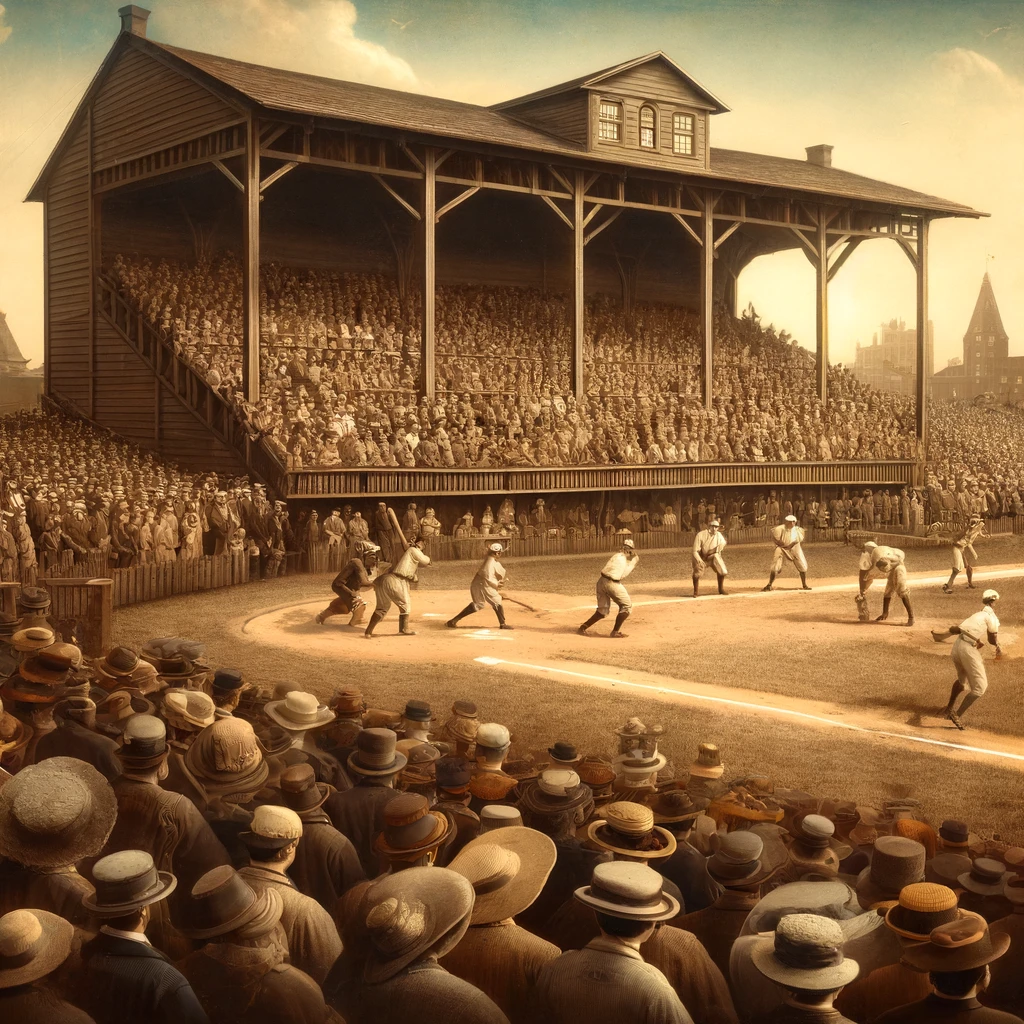
Baseball, America’s pastime, has woven into its fabric a rich tapestry of teams and tales, some remembered more vividly than others. Among the teams whose stories have faded into the backdrop of history is the Brooklyn Bridegrooms, a club whose peculiar name and fascinating journey through the sport’s early days merit a closer look.
The Origins and the Name
The Brooklyn Bridegrooms’ story began in the 1880s, a vibrant era for baseball when the sport was still maturing and teams were as much community clubs as they were competitive squads. Officially established in 1883, the team was initially part of the minor league Interstate Association. They quickly made a name for themselves, joining the major league American Association the following year.
The nickname “Bridegrooms” emerged in a rather charming fashion. By coincidence, several players got married around the same time during the 1888 season. The local press, always keen on a catchy phrase, dubbed them the Bridegrooms. The name stuck, reflecting not only the players’ marital statuses but also a sense of camaraderie and personal life intersecting with professional play, a theme that was much more visible in sports at the time than it is today.
Rise to Prominence
The Brooklyn Bridegrooms’ ascent in professional baseball was marked by their remarkable performance and strategic acumen. In 1889, the Bridegrooms clinched their first championship in the American Association, a victory that was both a culmination of the team’s hard work and a testament to their growing dominance.
Their success wasn’t just about winning games. The Bridegrooms were pivotal in the evolution of baseball strategy. They were known for their aggressive base running and were among the early adopters of the hit-and-run play, a tactic that involves a batter swinging at a pitch as the runner starts off towards the next base, creating both confusion and opportunity.
Transition to the National League
In a significant move that underscored their rising prestige, the Bridegrooms joined the National League in 1890, following their American Association championship. This transition was part of a broader shuffle in baseball as teams and entire leagues jostled for dominance and stability.
Their first season in the National League was nothing short of spectacular. They ended up tying with the Louisville Colonels for the league championship, a rare occurrence that highlighted the competitive spirit of the era. However, this period also marked a shift in the team’s fortunes, with subsequent seasons seeing less success.
Players of Note
The Brooklyn Bridegrooms were home to several notable players who left a lasting impact on baseball. One such player was Oyster Burns, a powerful hitter and a fierce competitor, known as much for his batting skills as for his fiery temperament. Another was Dave Foutz, a versatile player who excelled both as a pitcher and a first baseman, showcasing the multi-talented nature of early baseball players.
Legacy and Transformation
As the 19th century gave way to the 20th, the Bridegrooms underwent several name changes, eventually becoming known as the Brooklyn Dodgers, a name that would resonate deeply in the annals of baseball history. While the Dodgers moved to Los Angeles in 1958, the legacy of their early days as the Bridegrooms remains a fascinating chapter in baseball lore.
Their impact extended beyond their strategies and championships. The Bridegrooms contributed to the cultural fabric of Brooklyn, embodying the borough’s gritty, spirited character and its transformation into a bustling urban center.
The story of the Brooklyn Bridegrooms is more than just a narrative about a baseball team. It is a tale of change and continuity, reflecting the evolution of baseball from its infancy to its modern form. Though they may no longer be a household name, the Bridegrooms played a crucial role in shaping the sport, influencing everything from game tactics to the very culture surrounding baseball. Remembering them helps us appreciate not just the game’s history but also its ongoing, dynamic story.

The Community and the Fans
The Brooklyn Bridegrooms not only captivated their players and strategies but also enthralled a burgeoning fan base. Brooklyn in the late 1800s was a melting pot of immigrants and native New Yorkers, and baseball games were communal gatherings that transcended social and ethnic divides. Fans of the Bridegrooms would flock to Washington Park, their home ground, creating a lively atmosphere that was reflective of Brooklyn’s diverse demographics.
These early fans weren’t just passive spectators; they were vocal and passionate. They felt a profound connection with the team, often seeing the players as neighbors rather than distant celebrities. This deep bond between the team and its supporters played a pivotal role in cementing baseball’s place in the heart of American culture.
Economic Impact and Influence
The success of the Bridegrooms also had significant economic implications for Brooklyn. The team’s popularity boosted local businesses, from taverns and restaurants to vendors selling team memorabilia. This economic activity was vital in a time when professional sports were not yet the financial powerhouses they are today.
Moreover, the Bridegrooms influenced other baseball teams across the country. Their strategies and team dynamics were often studied and emulated by other clubs, setting trends that would eventually spread throughout the league. The concept of teamwork and unity that the Bridegrooms exemplified became a standard approach in professional baseball.
Challenges and Controversies
Despite their success and popularity, the Bridegrooms’ journey was not without its challenges. The team faced several controversies, particularly regarding player contracts and salaries, reflecting the growing pains of professional sports at the time. These disputes sometimes led to public disagreements and legal battles, which were heavily covered in the press.
Additionally, the team had to navigate the difficulties of maintaining a competitive edge as other clubs became more strategic and resourceful. The shift from the American Association to the National League brought new competitors and challenges, requiring the Bridegrooms to adapt continually.
End of an Era
As the 20th century dawned, the Brooklyn Bridegrooms, who were by then known as the Superbas due to their “superb” style of play, began to see a decline in their fortunes. The changing dynamics of baseball, with the introduction of more structured leagues and the consolidation of talent, gradually diminished the prominence of teams like the Bridegrooms.
Their decline was not immediate, but it was inevitable as newer teams with better resources and more modern approaches to training and gameplay emerged. By the time the team was renamed the Dodgers in the 1930s, much of the original spirit and style of the Bridegrooms had evolved to meet the new demands of an increasingly professional sport.
Revisiting the Legacy
Today, the legacy of the Brooklyn Bridegrooms offers valuable insights into the development of baseball and sports culture in America. It reminds us of a time when the game was as much about community and local pride as it was about competition and entertainment.
Reflecting on the Bridegrooms allows us to appreciate the simpler beginnings of professional sports and the profound impact that these early teams had on their communities and the sport itself. It also encourages a deeper understanding of how baseball has shaped, and been shaped by, American society over the decades.
Conclusion
The Brooklyn Bridegrooms represent an intriguing chapter in baseball history, a story of triumph, community, and evolution. While they may not be as renowned as their successors, the Dodgers, the Bridegrooms’ contributions to baseball are undeniable. Their legacy serves as a reminder of the sport’s humble beginnings and its capacity to bring people together, forging identities and communities in the process. This tale, though somewhat forgotten, is a vital part of the rich narrative that makes baseball truly America’s pastime.