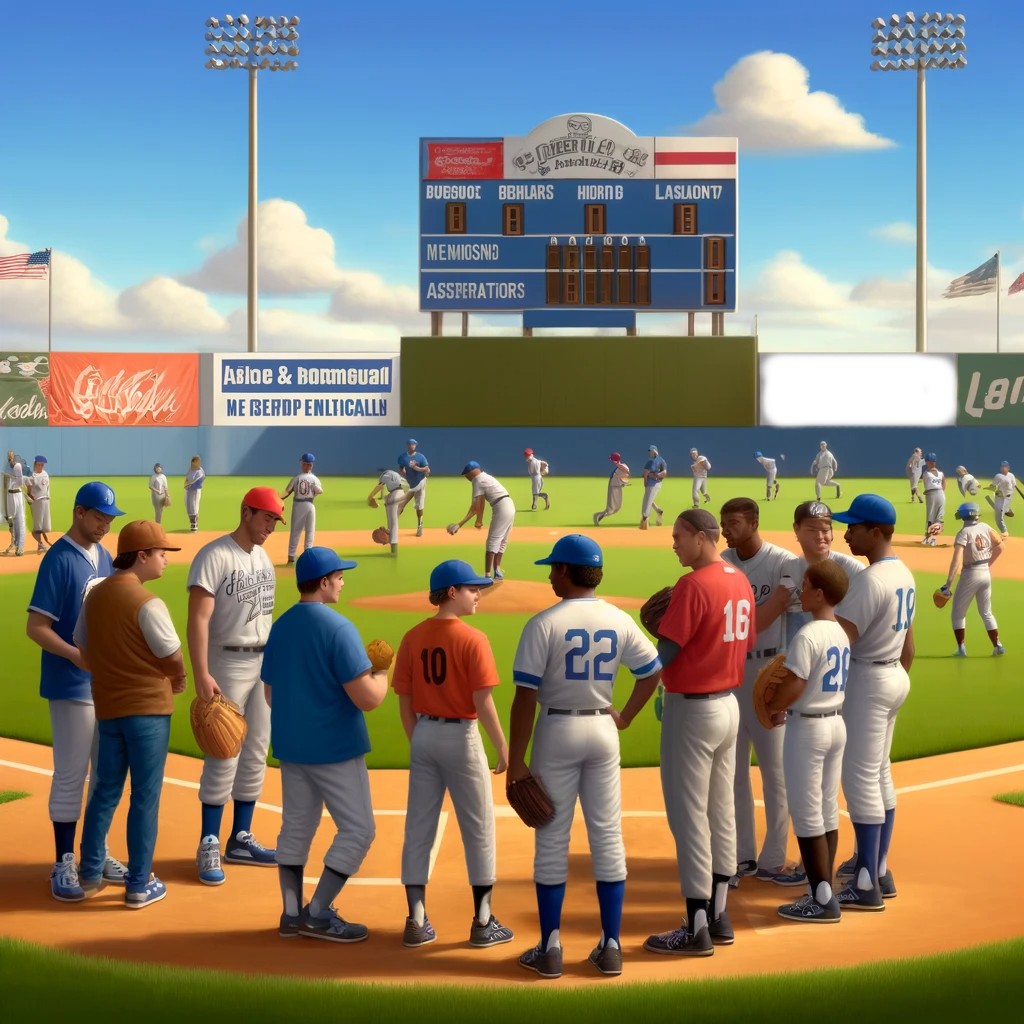
Minor League Baseball (MiLB) plays a crucial role in shaping the future of Major League Baseball (MLB). It’s the training ground where young talents hone their skills and prepare for the big leagues. However, MiLB is not just about baseball; it’s also a microcosm of societal change and progress. Over the years, the minor leagues have made significant strides in diversity and inclusion, breaking barriers that once seemed insurmountable. This article delves into the history, challenges, and achievements of diversity and inclusion in the minor leagues, highlighting how these efforts are shaping the future of the sport.
A Historical Perspective
The history of diversity in Minor League Baseball is deeply intertwined with the broader struggles for civil rights and equality in America. Before Jackie Robinson broke the color barrier in Major League Baseball in 1947, African American players were confined to the Negro Leagues. However, the integration of MLB also signaled a change in the minor leagues.
In the late 1940s and 1950s, the minor leagues began to see an influx of African American players. Pioneers like Minnie Miñoso and Larry Doby, who both had stints in the minors before making it to the majors, were instrumental in paving the way for future generations. Despite facing significant racism and discrimination, these players demonstrated resilience and talent, forcing the baseball establishment to acknowledge their contributions.
The Role of Latino Players
Latino players have had a profound impact on Minor League Baseball. Since the early 20th century, players from Latin American countries have been a part of the minor leagues, bringing a rich cultural diversity to the sport. The signing of Luis Castro, the first Latin American player in organized baseball, in 1902 marked the beginning of this trend.
Over the decades, the presence of Latino players in the minor leagues has grown exponentially. Academies in countries like the Dominican Republic, Venezuela, and Puerto Rico have become hotbeds for developing young talent. Players such as Roberto Clemente, Pedro Martinez, and Albert Pujols started their journeys in the minor leagues before becoming MLB superstars. These players not only contributed on the field but also became ambassadors for their cultures, inspiring countless young athletes in their home countries.
Women in Minor League Baseball
While the integration of racial and ethnic minorities has been a significant focus, gender diversity in Minor League Baseball has also seen notable progress. Historically, baseball has been a male-dominated sport, but women have made their mark in various roles within the minor leagues.
In the 1940s, the All-American Girls Professional Baseball League (AAGPBL) offered women an opportunity to play professional baseball. Though not part of the official minor league system, the AAGPBL demonstrated that women could play the sport at a high level. More recently, women have taken on roles as coaches, umpires, and front-office executives in the minor leagues. Trailblazers like Rachel Balkovec, the first woman to be hired as a full-time hitting coach in affiliated baseball, have opened doors for future generations of women in baseball.
Challenges and Ongoing Efforts
Despite the progress made, there are still significant challenges to achieving full diversity and inclusion in Minor League Baseball. One of the primary issues is the socioeconomic barrier. Many talented young athletes from underprivileged backgrounds struggle to afford the costs associated with pursuing a career in baseball. This includes travel expenses, equipment, and training facilities. Organizations like the MLB Players Trust and various community programs are working to provide financial support and resources to these young players.
Another challenge is the cultural adjustment for international players. Young athletes from Latin America, Asia, and other regions often face language barriers, cultural differences, and homesickness. Teams and leagues are increasingly recognizing the need to provide support systems, including language classes, cultural training, and mental health resources, to help these players adapt and thrive.
Programs and Initiatives Promoting Inclusion
Several programs and initiatives are actively working to promote diversity and inclusion in Minor League Baseball. The MLB Diversity Pipeline Program aims to identify and develop diverse talent for coaching, umpiring, and front-office positions. This program provides training, mentorship, and job placement assistance to individuals from underrepresented groups.
Additionally, the RBI (Reviving Baseball in Inner Cities) program focuses on increasing participation and interest in baseball and softball among underserved youth. By providing access to facilities, coaching, and competitive opportunities, the RBI program helps to cultivate a new generation of diverse baseball talent.
The MiLB’s Copa de la Diversión (Fun Cup) initiative celebrates Latino culture and heritage. Participating teams adopt alternative team names, uniforms, and ballpark experiences to honor their local Latino communities. This initiative not only promotes cultural awareness but also strengthens the bond between teams and their diverse fan bases.
Success Stories and Role Models
Several success stories highlight the positive impact of diversity and inclusion efforts in Minor League Baseball. Players like Fernando Tatis Jr., who began his professional career in the minors, serve as role models for young athletes worldwide. Tatis Jr., with his Dominican heritage and dynamic playing style, embodies the global nature of baseball today.
Coaches like Alyssa Nakken, who made history as the first full-time female coach in MLB, also have roots in the minor leagues. Nakken’s journey from a softball player to a trailblazing coach demonstrates the expanding opportunities for women in baseball.
The Future of Diversity and Inclusion in Minor League Baseball
The future of diversity and inclusion in Minor League Baseball looks promising, but there is still much work to be done. Continued efforts to break down socioeconomic barriers, provide cultural support, and promote gender diversity are essential. It’s also crucial for teams and leagues to actively engage with their local communities, fostering an inclusive environment both on and off the field.
The commitment to diversity and inclusion is not just about fairness; it’s about enriching the sport of baseball. A diverse and inclusive environment brings together different perspectives, ideas, and talents, ultimately leading to a more vibrant and competitive game. As Minor League Baseball continues to evolve, its dedication to these principles will play a pivotal role in shaping the future of America’s pastime.
Minor League Baseball has come a long way in its journey toward diversity and inclusion. From breaking racial barriers to embracing international talent and promoting gender diversity, the minor leagues have made significant strides. However, the journey is far from over. By continuing to address challenges and championing initiatives that promote inclusion, Minor League Baseball can ensure that it remains a true reflection of the diverse society it represents. As fans, players, and stakeholders, we all have a role to play in supporting these efforts and celebrating the rich tapestry of talent that makes baseball the great game it is today.

Community Engagement and Grassroots Efforts
Community engagement plays a pivotal role in fostering diversity and inclusion in Minor League Baseball. Grassroots efforts, such as local baseball clinics, community outreach programs, and partnerships with schools and non-profits, are essential in making baseball accessible to a broader audience.
Youth Baseball Clinics
Youth baseball clinics are a key initiative in introducing the sport to children from diverse backgrounds. These clinics often provide free or low-cost training sessions, where kids can learn the fundamentals of the game, meet professional players, and gain exposure to baseball in a supportive environment. By breaking down financial barriers, these clinics help to ensure that talented young athletes, regardless of their economic status, have the opportunity to pursue their dreams in baseball.
School Partnerships
Collaborations between minor league teams and local schools are another effective way to promote baseball among young people. These partnerships can involve school visits by players, baseball-themed educational programs, and opportunities for students to attend games. By integrating baseball into the educational experience, schools can help to cultivate a new generation of fans and players who reflect the diversity of their communities.
Non-Profit Collaborations
Minor league teams often partner with non-profit organizations that focus on youth development, education, and community support. These collaborations can lead to the creation of specialized programs that address the unique needs of underrepresented groups. For example, partnerships with organizations that support girls in sports can help to increase female participation in baseball, while collaborations with groups that serve immigrant communities can provide additional support for international players and their families.
Breaking Down Barriers for Future Generations
The progress made in promoting diversity and inclusion in Minor League Baseball sets a foundation for future generations. By continuing to break down barriers and create opportunities for all, the sport can become a true reflection of the diverse society it represents.
Scholarship Programs
Scholarship programs are a vital tool in making baseball accessible to young athletes from underprivileged backgrounds. These programs can cover expenses such as travel, equipment, and training, ensuring that financial constraints do not hinder a talented player’s ability to pursue a career in baseball. Scholarships can also support academic achievements, helping athletes to balance their education and sports commitments.
Mentorship and Role Models
Mentorship programs that connect young players with experienced professionals can provide invaluable guidance and support. Mentors can help young athletes navigate the challenges of pursuing a career in baseball, offering advice on everything from training and performance to handling media and public expectations. By serving as role models, mentors also inspire the next generation to strive for excellence and break new ground in the sport.
Inclusive Policies and Practices
Implementing inclusive policies and practices at all levels of Minor League Baseball is essential for sustaining progress. This includes ensuring equal opportunities in hiring and promotions, providing diversity training for staff and players, and creating a welcoming environment for all fans. By institutionalizing these practices, minor league teams can build a culture that values and celebrates diversity.
Conclusion
The journey toward diversity and inclusion in Minor League Baseball is ongoing, with significant strides made and many more to come. The integration of players from different racial, ethnic, and gender backgrounds has enriched the sport, making it more dynamic and representative of the global community.
The efforts to promote diversity and inclusion in the minor leagues are not just about meeting quotas or fulfilling mandates; they are about creating a more vibrant and competitive environment where every player has the opportunity to excel. By continuing to break down barriers, provide support, and celebrate diverse talents, Minor League Baseball can ensure that it remains a beacon of progress and a true reflection of the society it represents.
As fans, players, coaches, and stakeholders, we all have a role to play in supporting these efforts. Whether it’s attending games, participating in community programs, or advocating for inclusive policies, every action contributes to a more inclusive and equitable future for the sport we love. Minor League Baseball is not just a stepping stone to the majors; it’s a platform for change and a testament to the power of diversity in shaping the future of baseball.
References:
- MLB.com
- MinorLeagueBaseball.com
- Society for American Baseball Research (SABR)
- National Baseball Hall of Fame
- ESPN.com
- The Athletic
Frequently Asked Questions
1. Why is diversity important in Minor League Baseball?
Diversity in Minor League Baseball isn’t just about representation—it’s about enriching the game with varied perspectives and experiences. In the grand tapestry of baseball, every player brings a unique cultural heritage, which can present different playing styles and tactics. This diversity fosters a rich learning environment where players and coaches can grow by gaining insights into different approaches and problem-solving methods. Moreover, Minor League Baseball serves as a crucial pipeline to the Major Leagues, so instilling principles of inclusion and equity at this level can lead to more diverse Major League rosters, which has the potential to inspire countless young athletes from various backgrounds. Diversity in Minor League Baseball also mirrors the changing demographics of the nation, highlighting baseball’s universal appeal and strengthening the bond between the sport and its global fanbase.
2. How has Minor League Baseball historically addressed diversity?
Historically, Minor League Baseball, much like Major League Baseball, faced significant challenges when it came to diversity. For many years, systematic barriers prevented players of color and those from underrepresented communities from accessing opportunities within the league. However, the landscape began to shift dramatically following Jackie Robinson’s breaking of the MLB color barrier in 1947. This milestone slowly opened the doors for players of all races to enter the Minor League system. Over the decades, concerted efforts have been made to embrace diversity, including outreach programs aimed at minority communities, international recruitment to locate talent beyond U.S. borders, and community initiatives designed to make the sport more accessible. The evolution has been gradual yet impactful, leading to Minor League teams fielding more diverse rosters that better reflect the cultural richness of the broader world of sports.
3. What are some current challenges facing diversity in Minor League Baseball?
Despite substantial progress, Minor League Baseball continues to grapple with challenges regarding diversity and inclusion. One of the primary issues is the economic barrier, as a career in the minor leagues often comes with financial instability and low wages, which can be prohibitive for players from economically disadvantaged backgrounds. Furthermore, achieving diversity among coaching staff and front office roles remains a work in progress, with these positions often not reflecting the diversity of the player rosters. Language barriers may also pose challenges, especially for international recruits who must adapt to American culture while perfecting their game. Additionally, implicit biases and stereotypes can linger within the sporting community, which underscores the need for continued education and awareness initiatives. Addressing these challenges requires a multifaceted approach that includes policy changes, mentorship programs, and, importantly, a commitment from the league and teams to prioritize diversity at all organizational levels.
4. What initiatives are in place to promote diversity in Minor League Baseball?
Numerous initiatives have been rolled out to bolster diversity throughout Minor League Baseball. Programs like the ‘Diverse Business Partners Program’ and ‘RBI (Reviving Baseball in Inner Cities)’ aim to provide resources and opportunities for minority players and entrepreneurs. These initiatives are designed to not only encourage diverse participation within the sport but also support minority-owned businesses connected to baseball. Internships and mentorships are being offered to bridge the gap between aspiring young athletes from underrepresented groups and established professionals in the field. Moreover, efforts are being expanded to create inclusive environments where all players and team personnel feel respected and valued, irrespective of their background. Community engagement projects further help to solidify the relationship between local teams and the diverse cities they represent, encouraging fan bases that reflect the community’s diversity.
5. Why do the strides toward diversity in Minor League Baseball matter for the future of Major League Baseball?
The push for diversity in the minor leagues is pivotal for shaping the future of Major League Baseball. As the feeder system to the majors, the minors are the breeding ground for future talent. When Minor League Baseball embraces and achieves diversity, it sets a precedent and ensures a continuous supply of diverse talent to the majors. This diverse influx enriches the overall quality, cultural depth, and potential for innovation within Major League Baseball. It also has broader societal implications, contributing to cultural acceptance and understanding through the pervasive and unifying power of sport. By building a more inclusive environment, Minor League Baseball signals to aspiring players worldwide that baseball is a sport where everyone, regardless of their background, can aspire to thrive at the highest levels. Such inclusivity can in turn help to maintain baseball’s standing as America’s favorite pastime while simultaneously evolving to reflect the world as it is today.