
Billy Williams, better known as “Sweet Swingin’ Billy from Whistler,” is a name that resonates deeply within the annals of Major League Baseball. Born on June 15, 1938, in Whistler, Alabama, Williams was known for his effortless swing and consistent performance throughout his baseball career. As an outfielder primarily known for his tenure with the Chicago Cubs, Williams left an indelible mark on the sport, earning accolades and a place in the Baseball Hall of Fame. This article delves into the life, achievements, and lasting legacy of Billy Williams, a player whose talent and demeanor made him a favorite among fans and peers alike.
Billy Williams was part of a golden era in baseball, a time when the sport was arguably at its peak in terms of popularity and cultural significance in America. As an African American player who emerged shortly after Jackie Robinson broke the color barrier, Williams faced his share of challenges and triumphs. Yet, his demeanor on and off the field earned him the respect of teammates, opponents, and fans alike.
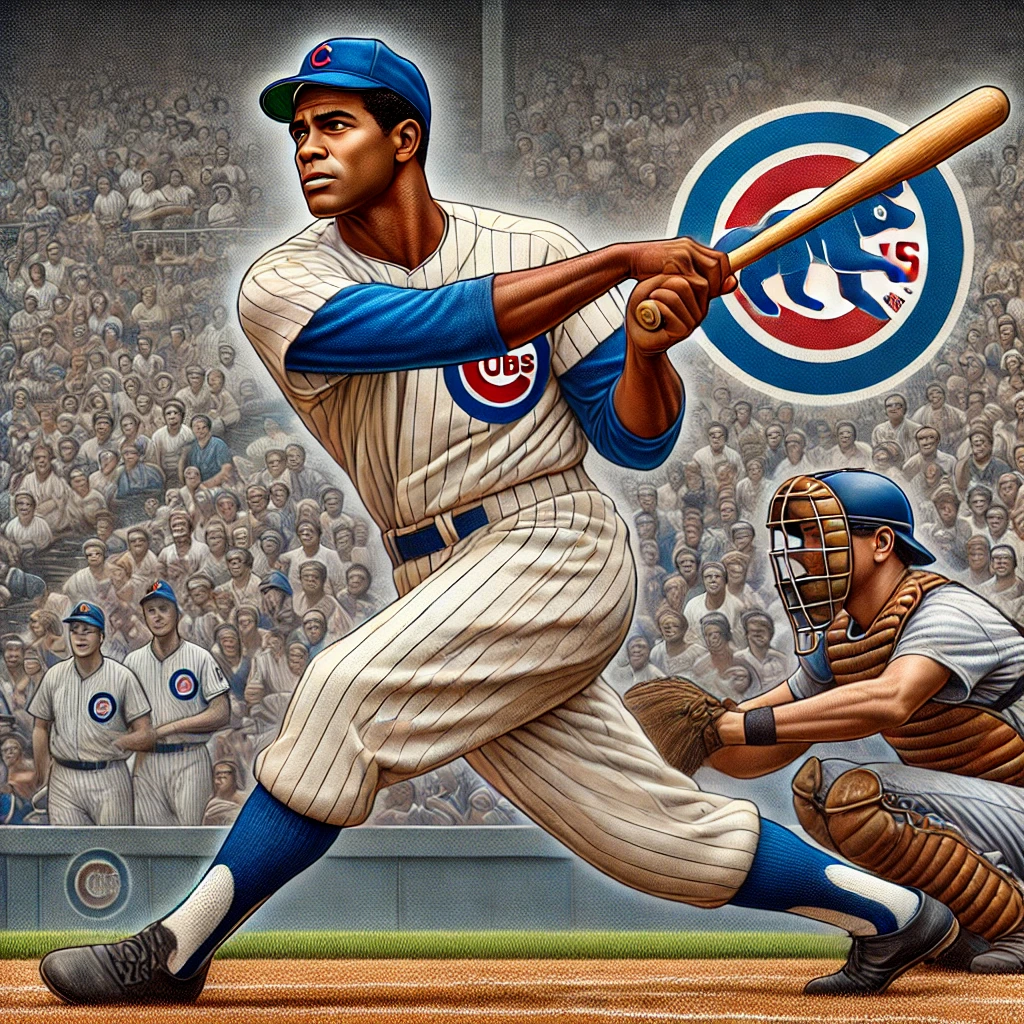
Standing at 6’1″ and weighing around 180 pounds during his playing days, Williams had a slim yet powerful build that contributed to his distinguished batting style. His fluid and natural left-handed swing was something to behold, earning him the nickname “Sweet Swingin’ Billy.” Throughout his career, he was celebrated not only for his offensive prowess but also for his defensive capabilities and baseball intelligence.
This introduction sets the stage for a deeper exploration into various aspects of Billy Williams’ life and career. From his humble beginnings in Whistler, Alabama, to his rise in the major leagues, and his lasting impact on the game of baseball, we will cover it all. Let’s journey together through the life of a baseball legend.
Early Life and Amateur Career
Billy Williams was born into a modest family in Whistler, Alabama, a small town rich in southern culture and heavily segregated during his youth. Raised in an era where racial tensions were high, Williams’ journey to professional baseball was punctuated by a series of challenges and triumphs that helped shape his character and resolve.
Williams displayed a natural affinity for baseball from an early age. He often played in local sandlot games and quickly stood out for his left-handed hitting and exceptional athleticism. Despite the societal constraints and limited opportunities for African American athletes, Williams’ talents were undeniable, and his commitment to the sport was unwavering.
While attending Mobile County Training School, Williams honed his skills on the high school baseball team. His performance there caught the attention of local scouts, and it wasn’t long before he was playing semi-pro baseball for teams in the Negro Southern League. These experiences provided him with invaluable exposure and experience, setting the stage for his entry into professional baseball.
In 1956, at the tender age of 18, Billy Williams was signed by Phil Cavarretta, a scout for the Chicago Cubs. This marked the beginning of his professional career, launching him into a world where his talent would shine and eventually lead him to the major leagues. However, his path was not without its hurdles.
Rise Through the Minor Leagues
Williams’ initial years in the minor leagues were a testament to his perseverance and passion for the game. Like many players of his era, he had to endure long bus rides, modest accommodations, and the pressures of proving himself in a racially divided sport. Nevertheless, Williams’ skillset distinguished him early on, and his commitment to improvement was unmatched.
Starting with the Ponca City Cubs of the Sooner State League, Williams quickly demonstrated his potential. Over the early years of his minor league career, he moved through various teams, including the San Antonio Missions in the Texas League and the Fort Worth Cats. His left-handed swing was a marvel, earning him high batting averages and significant attention from the Cubs’ front office.
By 1960, Williams had left a mark substantial enough to warrant a call-up to the Chicago Cubs. The transition to the majors, however, came with its own set of challenges. In his early stints, Williams struggled with consistency, a common plight for rookies facing the pressures of major league baseball.
Nonetheless, true to his nature, Billy Williams persevered. The turning point came in 1961 when he returned to the Cubs and began to showcase the talent that had characterized his minor league career. He finished the season with an impressive .278 batting average, cementing his place in the lineup and signaling the start of a remarkable career in the big leagues.
Major League Stardom
Once Billy Williams settled into his role with the Chicago Cubs, he became an indispensable part of the team’s roster. His consistency and reliability were hallmarks of his playing style, and over the course of his career, he would go on to achieve numerous accolades and break several records.
One of the most telling statistics of Williams’ career was his durability. From 1962 to 1970, he played in 1,117 consecutive games, a National League record at the time. This streak earned him the nickname “Iron Man,” a testament to his resilience and physical conditioning. It also highlighted his unwavering dedication to the sport and his team.
Williams’ bat was as reliable as his presence on the field. He was known for producing both power and consistency at the plate, achieving a career batting average of .290, hitting 426 home runs, and driving in 1,475 runs. His best season arguably came in 1972, when he won the National League batting title with an impressive .333 batting average, 37 home runs, and 122 RBIs.
Throughout his tenure with the Cubs, Williams formed formidable partnerships with other legendary players, including Ernie Banks and Ron Santo. Together, they provided the Cubs with a potent offensive lineup, even though the team often fell short of playoff success. Despite the Cubs’ struggles, Williams’ individual brilliance shone through, earning him six All-Star selections and a reputation as one of the premier hitters of his era.
Later Career and Legacy
After an illustrious and highly productive tenure with the Chicago Cubs, Billy Williams was traded to the Oakland Athletics in 1975. Although he was at the tail end of his career, Williams continued to contribute significantly to his new team. His veteran presence and experience were invaluable assets to the Athletics.
Playing primarily as a designated hitter, Williams adjusted well to the American League’s style of play. While his numbers naturally declined, he still managed to hit for power and contribute crucial runs batted in (RBIs). In his first season with the A’s, he hit 23 home runs and drove in 81 RBIs, demonstrating that he still had much to offer on the field.
Williams played two seasons with the Athletics before retiring at the conclusion of the 1976 season. His career statistics were a testament to his skill and consistency: a .290 batting average, 2,711 hits, 426 home runs, and 1,475 RBIs. These impressive numbers earned him a place in baseball history and solidified his reputation as one of the game’s all-time greats.
In recognition of his contributions to baseball, Billy Williams was inducted into the Baseball Hall of Fame in 1987. This honor was a fitting tribute to a player who had given so much to the sport over his career. His Hall of Fame plaque stands as a lasting reminder of the impact he had on the game and the respect he earned from players, coaches, and fans alike.
Personal Life and Post-Retirement
Life after baseball saw Billy Williams take on new and fulfilling roles, both within and outside the sport. Known for his quiet demeanor and strong work ethic, Williams seamlessly transitioned into roles that kept him connected to the game he had dedicated so much of his life to.
Williams served as a coach for the Chicago Cubs and later worked in various capacities within the organization. His deep knowledge of the game and experience made him a valuable mentor to younger players. His approachability and willingness to share his wisdom left a lasting impact on many up-and-coming athletes, ensuring his legacy would continue through the next generations of players.
Off the field, Williams remained active in his community, especially in Alabama. He was involved in various charitable activities and initiatives, often focusing on youth development and education. His life story and achievements served as an inspiration to many young athletes from similar backgrounds, proving that determination and hard work could overcome significant obstacles.
In his personal life, Williams valued his family immensely. He and his wife, Shirley, have been married for decades, and together they raised three children. His family provided him with unwavering support throughout his career, and he often credited them as a source of strength during his playing days and beyond.
Conclusion
Billy Williams’ journey from Whistler, Alabama, to the heights of Major League Baseball is a story of talent, perseverance, and grace. His left-handed swing, often described as sweet and pure, brought joy to countless fans and terror to opposing pitchers. However, it is his character, both on and off the field, that truly cemented his status as a baseball legend.
Throughout his career, Williams faced numerous challenges, from the pressures of professional baseball to the broader societal issues of his time. Yet, his dedication never wavered. His records and accolades are numerous: six All-Star selections, a National League batting title, and a streak of consecutive games played that highlighted his resilience. His contributions to the Cubs and the Athletics are etched in the annals of baseball history.
Beyond his athletic achievements, Williams’ legacy is also marked by his post-retirement contributions as a coach, mentor, and community leader. His life story inspires countless young athletes, particularly those from marginalized backgrounds, demonstrating that it is possible to achieve greatness against the odds.
Billy Williams remains a beloved figure in the baseball world, a testament to what can be achieved through talent, hard work, and integrity. His Hall of Fame status not only reflects his outstanding performance on the field but also his enduring impact on the sport and those around him. As we celebrate the history of baseball, the story of Billy Williams stands out as a shining example of the very best the game has to offer.