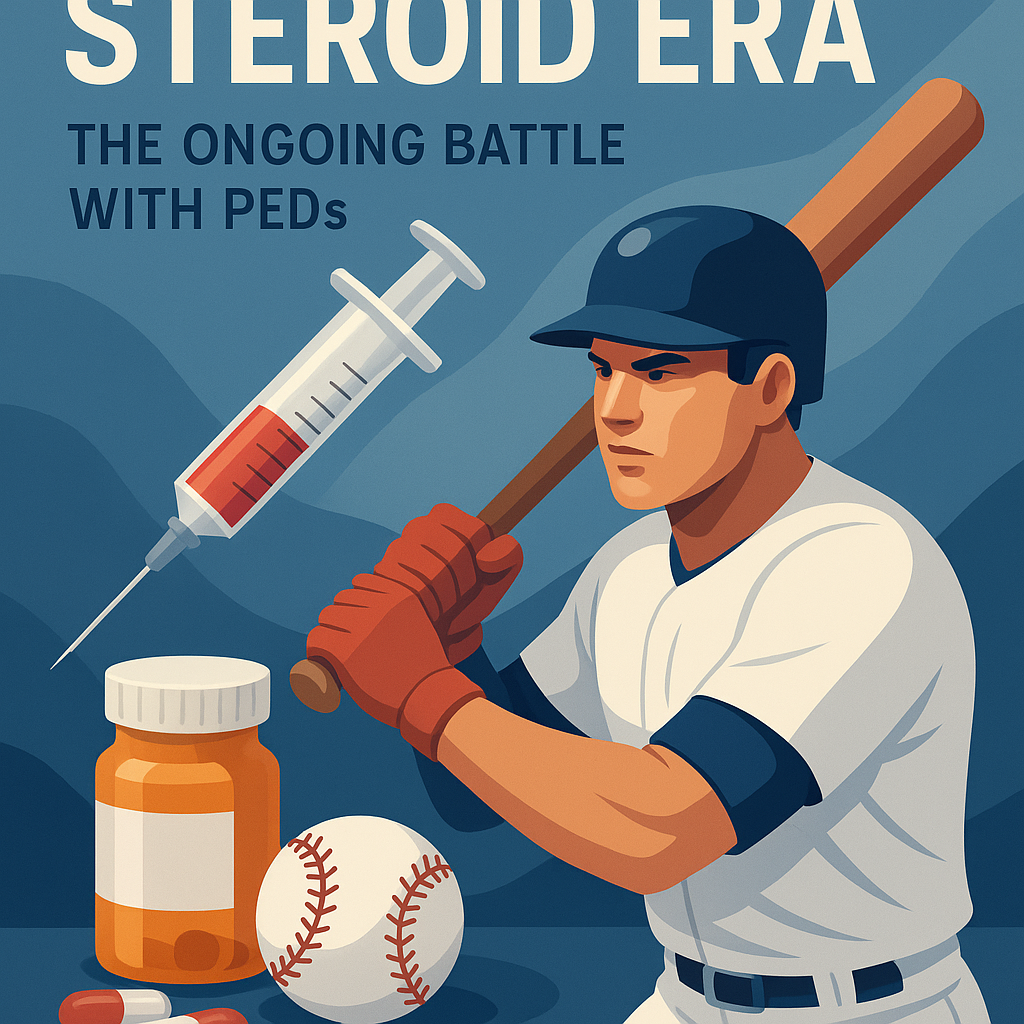
Baseball, often called America’s pastime, is a sport rich in history and tradition. However, alongside its storied legacy lies a controversial and complex chapter known as the “Steroid Era.” This term refers to a period during the late 20th and early 21st centuries when the use of performance-enhancing drugs (PEDs) became rampant among players. In essence, PEDs are substances used to improve any form of activity performance in humans. Their use in sports raises significant ethical, legal, and health concerns. This article delves into the Steroid Era’s roots, examines how PEDs have impacted the game, and discusses the ongoing battle to maintain the integrity of America’s beloved sport. Understanding this topic is crucial because it highlights the challenges sports organizations face in ensuring fairness and protecting athlete health. The lessons learned from baseball’s experience can be applied to other sports worldwide, as governing bodies continue to combat similar issues.
The Surge in PED Usage and Its Origins
The usage of PEDs in baseball didn’t start overnight. The genesis of the Steroid Era can be traced back to the increased pressure on athletes to enhance their performance. During the late 1980s and the 1990s, players began turning to anabolic steroids and other PEDs to gain a competitive edge. Anabolic steroids are synthetic variants of the male sex hormone testosterone and can help increase muscle mass and strength. The rapid advancement of science and technology during this period made these substances more widely available and harder to detect. Moreover, the lack of stringent testing protocols allowed players to exploit loopholes. One stark illustration of the impact of PEDs was the legendary 1998 home run race between Mark McGwire and Sammy Sosa. Both players were later linked to steroid use, casting a shadow over their achievements.
Impact on the Game: Success and Scandal
The effects of the Steroid Era on baseball were profound, both positively and negatively. On one hand, the game experienced a renaissance in popularity, with fans flocking to see record-breaking performances. This dramatic spike in fan engagement was lucrative for the sport’s stakeholders. However, these gains came at a cost—the credibility of the game was compromised. The famous BALCO scandal, uncovered in the early 2000s, involved a laboratory that was providing PEDs to numerous athletes, including baseball stars. This scandal highlighted the extent of the problem and exposed the elaborate measures athletes would take to enhance performance clandestinely. Lists of implicated players, which once celebrated their prowess, became symbols of scandal, leaving fans and officials to grapple with the sport’s tarnished integrity.
Health Implications for Athletes
While PEDs offer the allure of enhanced performance, they pose significant health risks. Anabolic steroids can lead to long-term organ damage, increase the risk of cardiovascular disease, and contribute to psychological effects such as aggressive behavior. Athletes, driven by the desire to excel, often overlook these dangers. The case of Ken Caminiti, an MVP award-winning player who admitted to steroid use, underscores the health toll PEDs can take. Caminiti passed away at the age of 41, with steroid use contributing to his heart complications. This grim reminder emphasizes the moral responsibility of sports organizations to protect athletes from the harmful consequences of drug misuse. Effective education and stringent policies are pivotal in preserving athlete health.
The Evolving Testing and Policy Interventions
In response to the widespread use of PEDs, Major League Baseball (MLB) and other sports organizations have implemented more rigorous testing protocols and policies. The Mitchell Report, released in 2007, was a significant step towards reform. It provided a comprehensive overview of PED use in baseball and recommended measures to combat the issue. Modern-day testing has become more sophisticated, with random testing and advanced detection techniques now in place. Players face suspensions and fines if caught using banned substances. One key measure adopted is the inclusion of educational programs for players at all levels, aiming to inform them about the dangers of drug use and the importance of maintaining a drug-free sport. This multi-pronged approach helps in the ongoing battle against PEDs.
- 1960s-70s: Initial use of anabolic steroids and stimulants.
- 1980s: Emergence of clandestine labs producing PEDs.
- 1990s: Widespread PED use amidst lax regulations.
- Early 2000s: High-profile scandals and introduction of testing policies.
- 2007: Release of the Mitchell Report; calls for reforms.
- 2010s-2020s: Continued improvements in testing and enforcement.
The Role of Media and Public Perception
The media plays a crucial role in shaping public perception and awareness of PED use in sports. The extensive coverage of scandals, investigations, and player admissions keeps the topic in the public eye, influencing how fans view and interact with their favorite sports. Media scrutiny can drive policy changes by holding players and organizations accountable. However, it can also sensationalize certain aspects, leading to misconceptions. For instance, the intense media spotlight on Barry Bonds, who faced allegations of steroid use, contributed to a divided legacy despite his undeniable talent. Fans are left to reconcile admiration for players’ achievements with the ethical questions surrounding PED use. The ongoing dialogue between media, fans, and sports entities is vital for promoting transparency and maintaining the authenticity of the game.
Global Implications and Comparisons with Other Sports
While baseball’s Steroid Era is a prominent case, PED use is a global issue affecting various sports. Athletics, cycling, and weightlifting, among others, have faced similar challenges. The International Olympic Committee (IOC) and World Anti-Doping Agency (WADA) work tirelessly to create a level playing field through standardized testing and regulations. The Lance Armstrong doping scandal in cycling is one such example, where a once-revered athlete’s fall from grace prominently highlighted the far-reaching impact of PEDs. Cross-sport comparisons demonstrate the universality of this issue and the importance of cohesive efforts across sports to combat it. Each sport can learn from baseball’s history, adopting best practices for testing, player education, and policy enforcement. Collaborative efforts will be essential in curbing PED use on a global scale.
The Role of Fans and the Future of the Sport
Fans have a significant influence on the future of baseball and the resolution of the PED issue. Supporter expectations for exhilarating performances can unintentionally pressure players to resort to unfair advantages. However, fans also serve as catalysts for change. Their demand for transparency and integrity propels organizations to uphold strict regulations. As the Steroid Era’s impact continues to ripple through the sport, it becomes essential for fans to support efforts that prioritize the long-term health of players and the credibility of the game. Embracing a culture of clean sport can drive players and management to foster an environment where talent, effort, and dedication define success. The baseball community must work together to honor the sport’s rich legacy while ensuring it remains unsullied for future generations.
Conclusion: Key Takeaways and Next Steps
The Steroid Era in baseball serves as a critical reminder of the ethical, health, and integrity issues posed by PED use in sports. Through this narrative, we see the implications of unchecked drug use, as well as the transformative power of informed policy-making and collective efforts by leagues, media, and fans. The ongoing battle with PEDs remains a priority as baseball continues to evolve. By reinforcing the importance of fair play and maintaining transparency, the sport can restore trust among fans and participants. Key takeaways include the necessity of continuous improvements in testing techniques, player education, and international cooperation against PED use. As baseball and other sports move forward, it’s essential to remain vigilant, ensuring that the hard-earned victories and records are remembered for genuine achievements rather than shortcuts. Readers, as active fans, can contribute by advocating for transparency and celebrating natural talent. Embrace clean sport and become part of a united call-to-action that celebrates the genuine thrill of the game.
Frequently Asked Questions
1. What was the “Steroid Era” in baseball, and why is it significant?
The “Steroid Era” in baseball is a term used to describe a period primarily in the late 1980s to the late 2000s when the use of performance-enhancing drugs (PEDs), particularly anabolic steroids, was widespread among Major League Baseball players. This era is considered significant because it marked a time when the integrity of the sport was heavily questioned. Records were shattered at an unprecedented rate, and home run numbers soared, creating skepticism about the legitimacy of these accomplishments. It raised serious ethical issues as players faced a dilemma: use steroids to keep up with their peers and possibly enhance their careers or stay clean and watch others gain an unfair advantage. The era also prompted changes in MLB’s drug testing policies and spurred an industry-wide push towards stricter regulations to restore the sport’s credibility.
2. How did performance-enhancing drugs affect the performance and careers of players during the Steroid Era?
The use of performance-enhancing drugs (PEDs) during the Steroid Era significantly influenced the performance and careers of players in several ways. Anecdotal and empirical evidence suggests that PEDs contributed to increased muscle mass, strength, and endurance, which can directly translate into enhanced performance on the field—whether it’s pitching stronger, running faster, or hitting further. Players using PEDs often saw quick improvements that might have taken years through natural training, allowing them to achieve career-defining milestones and break longstanding records. These drugs could also potentially offer career longevity by reducing recovery time and mitigating the effects of injuries. However, there were long-term consequences. Once PED use diminished, many athletes faced challenges maintaining their performance levels, and players implicated in steroid use risked damaging their reputations and future Hall of Fame candidacies.
3. What measures did Major League Baseball implement to combat the issue of PEDs during and after the Steroid Era?
Major League Baseball (MLB) took significant steps to curb PED use both during and after the Steroid Era. The league began implementing a more stringent drug-testing policy starting in 2003 with random tests for steroids, albeit this was initially with a focus on education and treatment rather than penalties. As public outcry and congressional scrutiny intensified, MLB established the Joint Drug Prevention and Treatment Program in 2004, introducing a structured testing policy for steroids with specific penalties. Over time, the list of banned substances expanded, and HGH and amphetamines were added to the testing protocols. MLB’s policy evolved significantly, leading to harsher penalties for violations—such as 50-game suspensions for a first offense, increased to 80 in recent years, a 162-game suspension for a second offense, and a permanent ban for a third. These measures were an attempt to clean up the sport and reestablish trust among fans and players.
4. How did the “Steroid Era” change the perception of baseball among fans and the public?
The “Steroid Era” profoundly altered the perception of baseball among fans, the public, and within the sport itself. Once often seen as a pure and tradition-rich pastime, the rampant use of PEDs tarnished its image, leading many to question the authenticity of the sport’s achievements. The era’s controversy left fans feeling disillusioned and cheated as beloved records were broken under questionable circumstances. Trust between the league and its fanbase was eroded, prompting debates over the fairness of comparing modern players to legends of the past. The skepticism extended beyond individual players, casting a shadow on an entire generation of talent. This era also brought the broader issue of PED use in sports to the forefront, reshaping public discourse around the ethics of performance enhancement. In the aftermath, MLB had to work diligently to repair its image and rebuild a culture of integrity and fair play.
5. Why are PEDs considered controversial and illegal in professional sports like baseball?
Performance-enhancing drugs (PEDs) are controversial and illegal in professional sports, including baseball, due to ethical, health, and competitive fairness concerns. Ethically, PEDs undermine the integrity of sports, as they offer an unfair advantage to users, compromising the level playing field essential for fair competition. Their use can skew performances, affecting records and statistics that hold great historical significance in sports like baseball. Health-wise, PEDs can pose serious risks to athletes, including heart problems, hormonal imbalances, psychological effects, and other long-term health issues, making their promotion and distribution ethically dubious. Furthermore, the pressure to use PEDs can create a coercive environment where athletes feel compelled to take them to compete, potentially leading to widespread use and subsequent public distrust of sporting achievements. These drugs’ illegality stems from the need to uphold sporting ethics, athlete safety, and the purity of competition, maintaining sports as a celebration of natural talent and hard work.