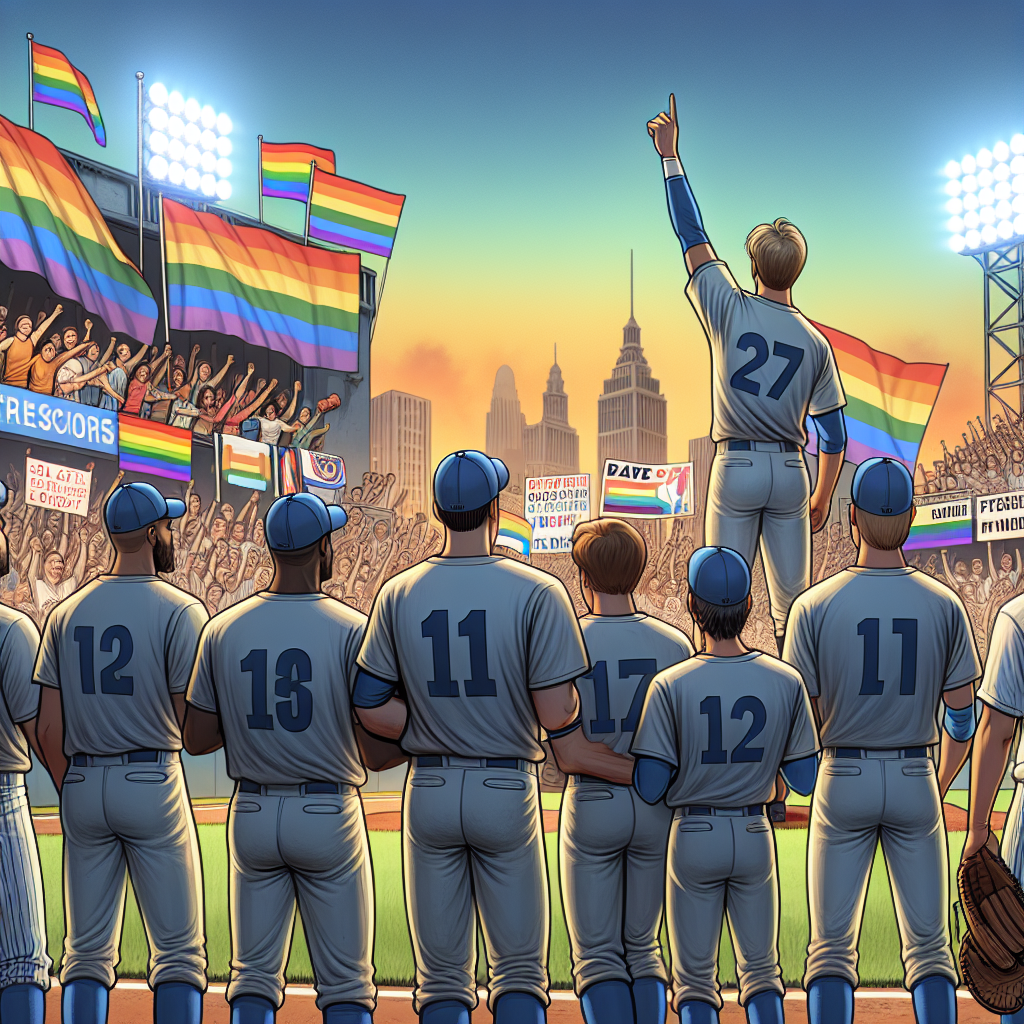
Baseball, often heralded as America’s pastime, has long been a reflection of societal changes, cultural shifts, and the continuous evolution of American ideologies. Over the years, baseball has been a stage not only for athletic prowess but also for social progress and justice. One of the most significant societal shifts that have intersected with baseball is the fight for LGBTQ+ rights. Just like in many areas of public life, the journey toward acceptance and equality for LGBTQ+ individuals within the realm of baseball has been fraught with challenges, triumphs, and notable milestones. This intersection of sports and social justice is not only emblematic of the broader struggle for LGBTQ+ rights but also serves as a testament to baseball’s influence in mirroring and shaping societal norms.
The early days of baseball were far from inclusive, with strict heteronormative expectations and a culture that often marginalized or outright rejected LGBTQ+ individuals. Yet, in recent decades, brave athletes, advocates, and allies have begun to challenge these norms, pushing for a more inclusive environment within the sport. This quest for equality within baseball is part of a larger narrative, one that encompasses multiple generations of individuals striving for acceptance and equality in all facets of life.
As we dive into the rich history of baseball and its intersection with the LGBTQ+ rights movement, it’s essential to understand the broader context of this struggle. From the legal and social battles for equality to the personal stories of courage on and off the field, the journey of LGBTQ+ rights within baseball is one marked by persistence, resilience, and hope. This exploration offers insight into both the past and the ongoing journey toward a future where everyone, regardless of their sexual orientation or gender identity, can fully partake and excel in America’s beloved sport.
The Early Days: Silence and Stigma
In its formative years, baseball was a bastion of traditional masculinity and heteronormativity. The sport, deeply rooted in American culture, mirrored the broader societal beliefs and biases prevalent during the 19th and early 20th centuries. For LGBTQ+ individuals, this environment was often stifling and unwelcoming, characterized by a profound silence on issues of sexuality and gender identity.
The early baseball locker rooms were places where LGBTQ+ identities were virtually invisible due to stigmatization and fear of ostracization. Players who were perceived as deviating from the norm were often met with hostility and discrimination. This atmosphere of exclusion was reflective of a wider societal refusal to acknowledge or accept LGBTQ+ individuals, both within the sporting world and beyond.
Despite the oppressive conditions, there were undoubtedly LGBTQ+ players who contributed to the game in its early years. However, without the support or security to be openly themselves, these individuals often remained in the shadows. It wasn’t until the latter part of the 20th century that cracks began to appear in this rigid structure, and conversations around diversity and inclusion within baseball started to take root.
The silence and stigma of these early days set the stage for the later movements towards change. By understanding the deeply entrenched barriers that existed, we can better appreciate the courage and determination of those who have since worked tirelessly to dismantle them.
Breaking Barriers: The 1970s and 1980s
The 1970s and 1980s were a transformative period not only within American society but also within the realm of baseball. As the LGBTQ+ rights movement began to gain traction in broader society, similar efforts started to take shape within the sporting community. Baseball, as a microcosm of American culture, started to experience the early tremors of change.
This era marked the beginning of a more open dialogue about sexual orientation, albeit met with considerable resistance and controversy. Pioneering figures began to emerge, advocating for recognition and equal treatment. Though they often faced backlash, their efforts were vital in beginning to shift perceptions within the sport.
During these decades, the groundwork was laid for future advancements as organizations and groups both within and outside of baseball began to support LGBTQ+ athletes. The courage of these early advocates set a precedent and provided a foundation upon which subsequent progress could be built.
Despite sociocultural obstacles, the milestones of the 1970s and 1980s represented significant solaces in the battle for inclusion within baseball. The progress made during these years opened the door for more advancements in acceptance and visibility in the subsequent decades.
Challenges and Triumphs: The 1990s and Early 2000s
The 1990s and early 2000s witnessed a series of both setbacks and leaps forward in the fight for LGBTQ+ inclusivity in baseball. With societal attitudes slowly becoming more accepting, opportunities for visibility and dialogue within the sport started to grow. During this time, the voices advocating for LGBTQ+ rights gained some ground, though often amidst significant pushback.
One notable aspect of this period was the increasing visibility of LGBTQ+ athletes across various sports, which started to influence baseball as well. The efforts of activists, community groups, and allies, alongside growing media attention, urged baseball organizations to consider inclusivity policies and initiatives more seriously.
Despite ongoing challenges, including instances of discrimination and homophobia, the momentum for change was tangible. The establishment of initiatives such as support networks for LGBTQ+ athletes provided valuable resources and a sense of community for those needing it within the sport.
Moreover, the continued activism during this era highlighted the importance of representation and the power of visibility in changing entrenched attitudes. These efforts paved the way for more modern achievements and underscored the significance of community support in driving social change.
Visibility and Representation: The Modern Era
In recent years, the fight for LGBTQ+ rights in baseball has gained notable traction, mirroring societal advancements in recognition and equality. The past decade or so has seen the blossoming of more open discussions about inclusion, partly thanks to the tireless efforts of advocates and allies who have continued to push for positive change within the sport.
The modern era of baseball has seen a growing presence of LGBTQ+ athletes and advocates who have stepped into the spotlight, using their platform to foster greater awareness and acceptance. This visibility has been crucial in normalizing the presence of LGBTQ+ individuals in all areas of baseball, from the field to the stands.
In addition to queer athletes taking public roles, major league teams and organizations have shown increasing support. Pride nights, diversity training for staff and players, and active participation in LGBTQ+-related events and campaigns are now more common, all aiming to create a more inclusive and welcoming environment.
The increased visibility and representation underscore the remarkable progress made within the baseball community. However, this period also serves as a reminder of the continuous work needed to ensure that all participants feel safe and respected, regardless of their identities.
Looking Ahead: The Future of LGBTQ+ Rights in Baseball
The trajectory of LGBTQ+ rights in baseball is an ever-evolving journey as acceptance and inclusivity continue to improve within the sport. Looking ahead, there is optimism that with ongoing efforts and advocacy, baseball can become a fully inclusive environment for players, fans, and staff alike.
To foster such an environment, the commitment must continue at all levels of the game. Investments in robust diversity and inclusion policies, along with ongoing education and dialogue, are essential in maintaining and advancing the progress already made. The more baseball can reflect the diversity of its players and fans, the richer and more dynamic the sport will become.
Furthermore, acknowledging and celebrating the contributions of LGBTQ+ individuals in the sport’s history is critical. By recognizing these pivotal figures and moments, baseball can honor a more inclusive narrative that demonstrates growth, resilience, and unity.
The continued successes of advocacy and allyship within baseball not only promise a brighter future for LGBTQ+ individuals in the game but also highlight the power of sports as a catalyst for broader societal change. The strides taken in baseball can serve as an inspiration and model for other sports and industries seeking to promote inclusivity and equality.
Conclusion:
Baseball’s intertwining journey with the fight for LGBTQ+ rights is a testament to both the struggles and triumphs that mark the path to greater inclusivity and acceptance in sports. As a cultural institution, baseball possesses the unique capacity to influence societal norms and perceptions, making its progress toward embracing LGBTQ+ equality monumental.
The evolution from silence and stigmatization to a more open and welcoming sport reflects broader societal changes. It highlights the power of individuals and communities to effect positive change, even amidst significant obstacles. Figures from the past and present who have shown courage, resilience, and allyship have been instrumental in shaping a more inclusive environment within baseball.
While there remains work to be done to ensure full equality and acceptance, the milestones achieved offer a promising outlook. Moving forward, baseball has the potential to continue leading conversations about diversity, inclusion, and equality, serving as a beacon of progress on the national and global stage.
By building on past successes and continuing active advocacy and allyship, baseball can forge a future where every individual, regardless of their identity, can freely and fully enjoy the sport without fear of discrimination or exclusion. This ongoing commitment not only strengthens the sport but also reaffirms its place as a vital and inclusive part of the cultural fabric.
Frequently Asked Questions
1. How has baseball served as a platform for advocating LGBTQ+ rights?
Baseball, often seen as the heartbeat of American sport, has played a pivotal role in advocating for LGBTQ+ rights through multiple avenues. Historically, MLB and its affiliated teams have increasingly supported equality through both policy changes and visible public statements. This support is evident in initiatives such as the “Pride Nights” hosted by various teams, which celebrate inclusivity and diversity, actively engaging with LGBTQ+ communities. These events serve as a powerful message of acceptance, reinforcing the idea that baseball is an inclusive space where everyone is welcome. Additionally, high-profile players and baseball executives have come out as members of the LGBTQ+ community, challenging stereotypes and promoting acceptance within and beyond the sport. Through these collective efforts, baseball not only reflects shifting societal norms but actively contributes to the national dialogue on diversity and acceptance.
2. Who are some notable LGBTQ+ individuals in baseball, and how have they impacted the sport?
Several trailblazing individuals in the baseball world have emerged as key figures in the fight for LGBTQ+ inclusion. Former MLB player Billy Bean, who came out as gay after his playing career, has become a significant figure in promoting LGBTQ+ rights within baseball. As MLB’s first Ambassador for Inclusion, Bean has used his personal experiences to advocate for change and support LGBTQ+ players and individuals throughout the league. Another notable figure is Sean Conroy, the first openly gay professional baseball player, who came out while playing for an independent league team. Conroy’s courage paved the way for increased visibility and acceptance within the sport, challenging traditional norms and encouraging others to embrace their identities. These individuals, among others, have deeply impacted baseball by fostering an environment of inclusivity and challenging the status quo, ultimately influencing the sport’s culture and contributing to broader societal change.
3. What role do “Pride Nights” play in Major League Baseball (MLB)?
“Pride Nights” have become a staple in Major League Baseball, playing a crucial role in reaffirming the league’s commitment to inclusivity and diversity. These events, hosted by various MLB teams, involve celebrating the LGBTQ+ community with themed activities, special guest appearances, and ceremonial first pitches by notable LGBTQ+ figures. “Pride Nights” not only create a welcoming environment for LGBTQ+ fans but also send a powerful message that baseball stands in solidarity with these communities. By embracing these events, MLB fosters a supportive culture within the league, breaks down barriers, and challenges traditional perceptions of the sport as being unwelcoming to diverse groups. These celebrations have grown to be significant cultural touchpoints, symbolizing progress while bringing attention to the ongoing fight for equality and acceptance across the sporting world.
4. How have MLB policies evolved to support LGBTQ+ players and staff?
Major League Baseball has taken substantial steps to support LGBTQ+ players and staff through the implementation of inclusive policies and practices. The league has introduced anti-discrimination policies that explicitly prohibit discrimination based on sexual orientation and gender identity, ensuring a safe and respectful environment for everyone involved in the sport. Furthermore, MLB’s partnership with organizations like GLAAD and You Can Play has helped educate players, staff, and fans on LGBTQ+ issues, promoting tolerance and understanding across the league. These policy evolutions are supported by training programs that focus on inclusion and respect, aiming to eliminate homophobia and transphobia within teams. By institutionalizing such measures, MLB not only aligns itself with modern societal values but also demonstrates its accountability as a role model for other sporting leagues and organizations striving towards equality.
5. What challenges remain for LGBTQ+ rights in baseball, and how can the sport continue to progress?
Despite the progress made within the realm of baseball, challenges remain for LGBTQ+ rights, calling for ongoing efforts to achieve genuine equality. One of the main challenges is the underrepresentation of openly LGBTQ+ individuals in the sport, which limits role models for aspiring athletes. The pressure of conforming to traditional masculine norms within the sport can also hinder individuals from coming out, fearing negative repercussions on their careers and personal lives. To address these issues, baseball needs to maintain its commitment to promoting diversity through continued visibility, education, and advocacy. This includes expanding “Pride Nights,” improving LGBTQ+ youth programs that encourage sports participation, and ensuring that anti-discrimination policies are enforced uniformly. By doing so, baseball can not only strengthen its position as a champion for equality but also inspire other sports to follow suit in the broader fight for inclusivity and acceptance.