
Baseball, often dubbed as America’s pastime, has long been intertwined with the nation’s cultural and social tapestry. Ever since its inception in the mid-19th century, baseball has evolved beyond a mere sport. It represents a rich heritage, reflects societal changes, and has had a profound influence on various facets of American culture, including film, literature, fashion, and even politics. The sport’s influence is evident as it mirrors the country’s shifting values and serves as a canvas where debates about democracy, race, and identity unfold. Let’s explore the enduring impact baseball has had on American popular culture.
Baseball as a Cultural Barometer
Baseball is more than just a game; it is a cultural barometer that indicates social trends and attitudes in America. Throughout history, significant social issues have played out on the baseball diamond. For instance, the breaking of baseball’s color barrier by Jackie Robinson in 1947 was not just a pivotal moment in sports but also a significant stride towards racial equality in America. Robinson’s entry into Major League Baseball was a catalyst that contributed to the Civil Rights Movement, showcasing how baseball fulfilled a societal role in advocating for integration and change.
Alongside social justice, baseball mirrored other American values such as liberty and the pursuit of happiness. The sport’s structure, which promotes every player’s individuality within a team setting, resonates with the American spirit of individualism and teamwork, validating the ‘American Dream’ of achieving success through hard work.
Baseball in Film and Media
Baseball’s influence extends significantly into film and media, where it has served as a backdrop and central theme in many notable works. Hollywood has produced countless baseball films that capture the essence of the game and its cultural significance. Movies like “Field of Dreams,” “The Natural,” and “A League of Their Own” not only celebrate the sport but also delve into deeper narratives of hope, resilience, and collective identity.
The ubiquity of baseball in American cinema speaks to the sport’s ability to evoke nostalgia and appeal to universal themes. Baseball references in television series and commercials further reinforce its standing as a cultural icon. Through these portrayals, the sport continues to cement its position in the realm of American storytelling, serving as a powerful medium to discuss broader social and cultural issues.
Baseball and Literature
In literature, baseball has been immortalized by acclaimed writers who have used the sport as a tool to explore themes of identity, aspiration, and morality. Authors like Bernard Malamud and Don DeLillo have woven baseball into their narratives, highlighting its metaphorical significance. Malamud’s “The Natural” uses baseball as an allegory to examine the complexities of human nature and the American dream.
Moreover, baseball poetry and anecdotes enrich American literary culture, with the sport motivating works from great poets like Marianne Moore. The lyrical quality of baseball, caught in its rhythm, strategy, and drama, renders it a compelling subject for storytelling, reflecting the nuances of American life and thought.
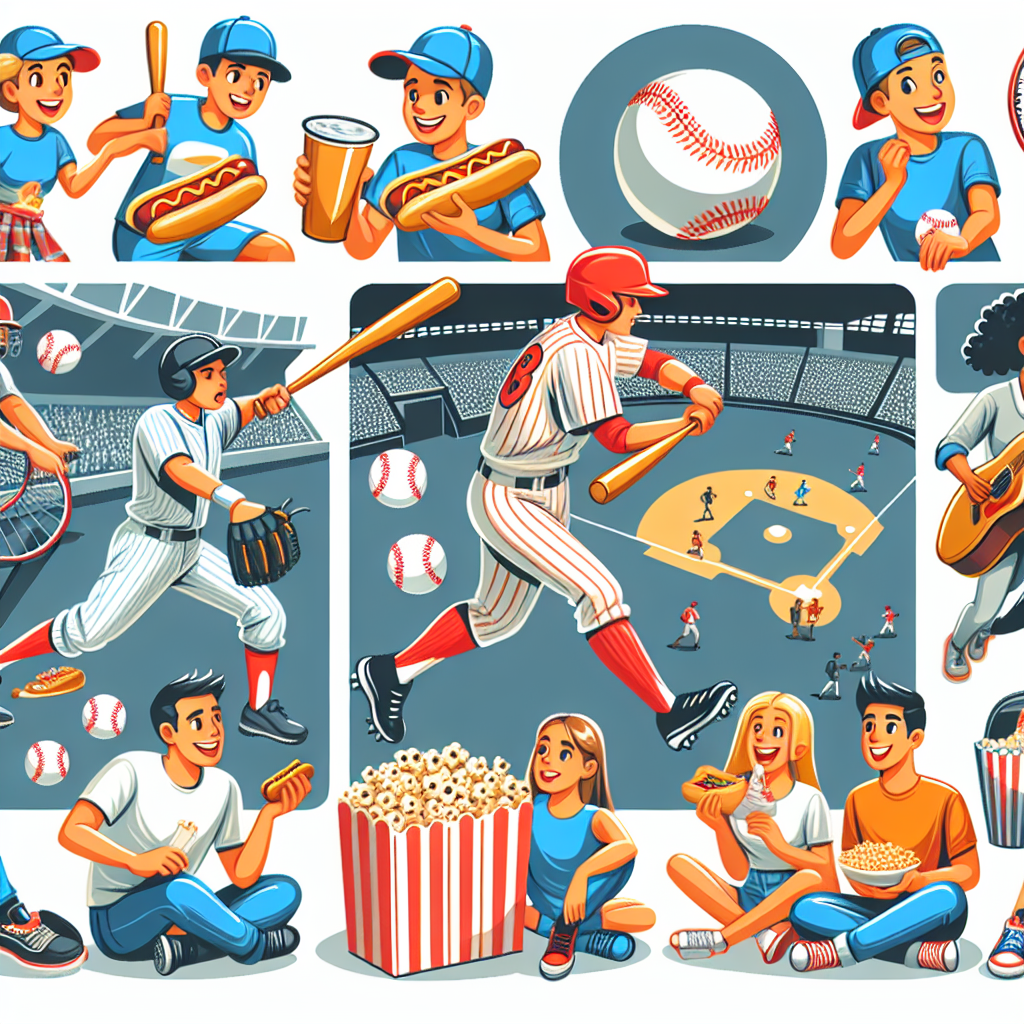
Fashion and Branding: Baseball’s Influence Off the Field
Baseball’s impact extends beyond the playing field, influencing fashion and merchandising in America. Baseball caps, once merely functional attire for players, have embedded themselves into American fashion, becoming a staple accessory symbolizing casual style and sporty elegance. Merchandise derived from baseball teams and players generates vast revenue, reinforcing the sport’s commercial impact.
The branding efforts around baseball have fostered a culture of fan engagement that transcends the game itself. Iconic logos and team colors represent identity and belonging, seen not just in stadiums but throughout everyday American life. Baseball attire, while supporting favorite teams, signifies a shared cultural ethos and a confluence of sports, fashion, and personal expression.
Baseball in Politics and National Identity
Baseball’s influence on politics is significant, often being used as a metaphor for success and fair play in political discourse. The term “America’s pastime” reflects the sport’s integration into the national identity. Presidents have commonly embraced the sport, partaking in ceremonial first pitches to signal solidarity with American values and traditions.
Moreover, the global reach of baseball has led to its role as an ambassadorial tool, promoting cultural exchange and diplomacy. Baseball diplomacy has been employed to bridge divides, exemplified by historic games played between American and foreign teams, fostering international camaraderie and understanding.
The New Era: Baseball in Contemporary Culture
As the 21st century progresses, baseball continues to adapt and thrive amidst evolving cultural landscapes. The sport faces challenges such as declining viewership among younger audiences and the need for technological adaptation. Yet, it remains deeply embedded in American culture, reflecting the digital age through social media engagement and sophisticated analytics enhancing the game’s strategy.
Baseball’s globalization has seen a surge in international players enriching the Major Leagues, showcasing the sport’s cross-cultural appeal and its capacity to unite diverse backgrounds under a shared love for the game. The ongoing efforts to make baseball more inclusive and technologically savvy ensure its continued relevance as a cultural touchstone.
Conclusion: The Everlasting Bond Between Baseball and Culture
Baseball’s enduring impact on American popular culture is both multifaceted and profound. It goes beyond a mere pastime; it is a narrative of the American experience, chronicling societal shifts and embodying core national values. Despite facing modern challenges, baseball remains a cherished vehicle for cultural expression, nostalgia, and unifying spirit.
As it continues to evolve, the sport serves as a bridge between past and present, offering insights into the American character and the universality of play. Baseball’s narrative proves that it is not only about the game played on the field but about the stories, emotions, and connections it inspires across generations. Its role as a cultural mainstay underscores the testament of a sport that grows with time, yet remains forever timeless in its essence.
Frequently Asked Questions
1. How has baseball influenced American literature?
Baseball’s impact on American literature is both vast and profound. This sport has proven to be a rich source of inspiration for authors and has found its way into an impressive array of literary works. From classic novels to contemporary stories, baseball has been used as a backdrop to explore deeper themes of aspiration, failure, and the human condition. A noteworthy example is Bernard Malamud’s “The Natural,” which weaves a tale of a gifted baseball player’s rise, fall, and redemption. John Updike’s essay “Hub Fans Bid Kid Adieu” beautifully captures the emotional essence of Ted Williams’ final game, bringing the sport’s poetic nature to life. Authors like W.P. Kinsella have also used baseball allegorically, as seen in his novel “Shoeless Joe,” which inspired the film “Field of Dreams.” These literary works leverage baseball not just as a game, but as a metaphor for life’s challenges, hopes, and dreams, thereby cementing baseball’s influence in the American literary landscape.
2. In what ways has baseball impacted American films?
Baseball’s impact on American films is undeniable, with countless movies celebrating the sport’s drama, history, and emotional depth. Films such as “Field of Dreams,” “A League of Their Own,” and “The Sandlot” aren’t just about the game. They explore themes of nostalgia, equality, friendship, and the pursuit of one’s dreams. “Field of Dreams” delves into the ways we deal with loss and how dreams can bridge the gap between reality and fantasy, encapsulating the magical aura baseball holds. “A League of Their Own” shines a spotlight on gender equality, showcasing the World War II-era All-American Girls Professional Baseball League and highlighting women’s integral role in the sport. Baseball movies often portray dramatic and inspirational stories that act as lenses through which viewers can examine aspects of the American spirit, tenacity, and resilience. The enduring popularity of baseball films underscores the sport’s power to resonate with audiences, transforming baseball from a mere game into a cultural touchstone in American cinema.
3. How has baseball influenced American fashion and style?
Baseball’s influence on fashion is both nostalgic and pervasive, reflecting its deep-rooted presence within American culture. The iconic baseball cap is a prime example, having transcended its origin as part of a player’s uniform to become a ubiquitous staple in global fashion. Initially, the cap served purely practical purposes—shielding players’ eyes from the sun—but has since become a symbol of casual style and an emblem for countless brands and teams. Jerseys, too, have made their way from the ballpark to the street, adopted as fashionable casual wear by fans and trendsetters alike. Beyond apparel, baseball’s legacy is evident in the design elements like team logos and color schemes that have permeated American aesthetics in broader lifestyle contexts, influencing various fashion trends over the decades. This phenomenon underscores baseball’s intrinsic value, transcending the game itself and becoming an integral part of America’s fashion identity.
4. In what ways has baseball engaged with American politics?
Baseball and politics have frequently intersected in American cultural history. The sport often mirrors the political landscape, reflecting broader societal debates and shifts. Over the years, baseball has served as both a battleground and bridge for dialogue on American values and political issues such as racial integration and identity. Jackie Robinson’s breaking of the color barrier in 1947 wasn’t merely an athletic milestone but a significant moment in the Civil Rights Movement, forcing the nation to confront racial inequality in sports. Baseball has also served as a political platform; Presidents have used the ceremonial first pitch to connect with citizens and promote national unity. The tradition stretches back over a century, with each opening day pitch symbolizing harmony amidst political differences. Baseball stadiums have also emerged as venues for political rallies, allowing the sport to play an inadvertent role in political campaigns. As such, baseball’s intersection with politics highlights its function as a forum for negotiation, representation, and activism within American society.
5. Why is baseball often referred to as America’s pastime?
Baseball is often called America’s pastime due to its historical evolution alongside the development of the nation itself. As the United States transitioned from agrarian roots to an urbanized society throughout the late 19th and early 20th centuries, baseball emerged as a common denominator in urban parks and rural fields alike. Its seasonal rhythm echoed the changing American landscape, and it became a shared cultural experience that resonated broadly with citizens across diverse backgrounds and regions. Baseball served as a social glue, bringing different communities together in the spirit of competitive play and camaraderie. The game’s accessibility and simplicity made it an inclusive activity, played and followed by millions, fostering a unique sense of national identity and cultural unity. Furthermore, baseball has created vast historical narratives—merging folklore and family traditions—thus becoming a tapestry woven into the very fabric of American life. These elements collectively affirm why baseball has earned its place as America’s beloved pastime.