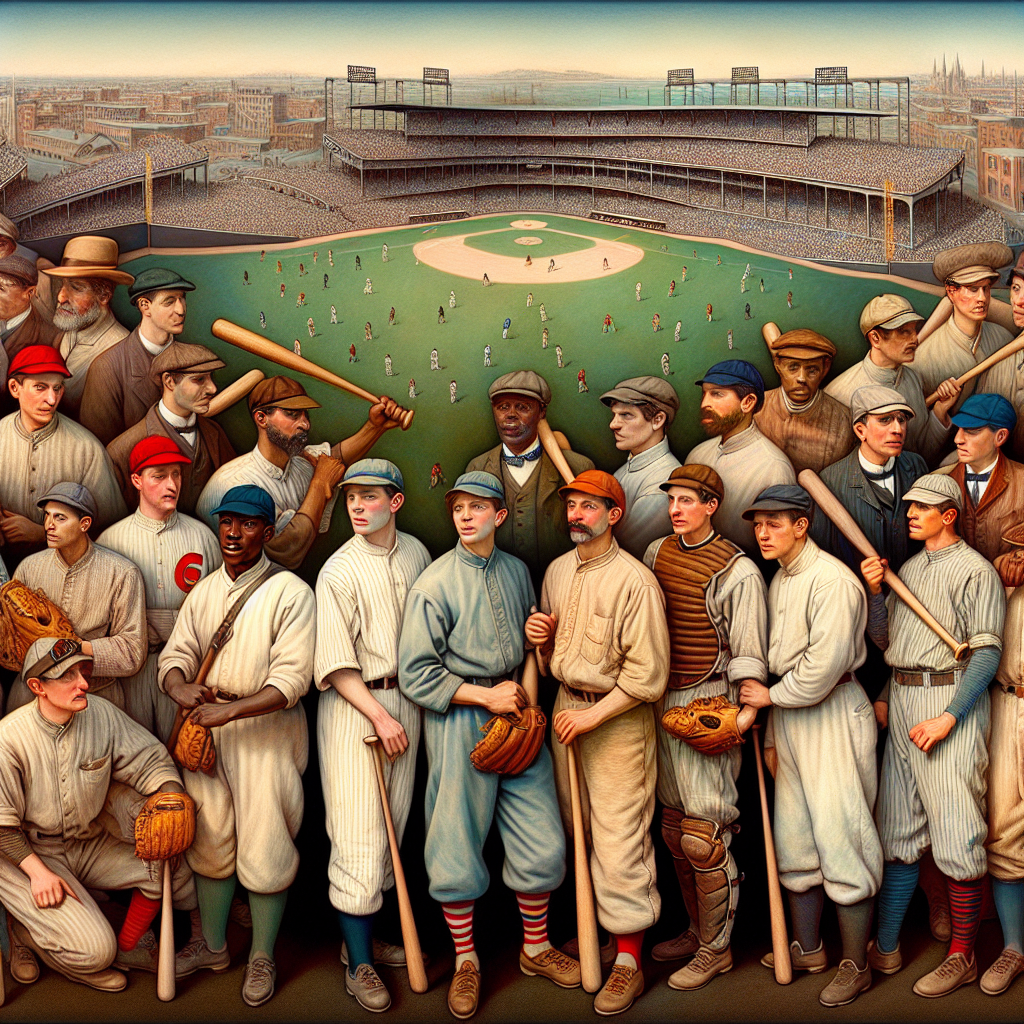
The baseball diamond is more than just the field of dreams; it has served as a societal mirror reflecting the growth and changes of a growing nation. Baseball’s Expansion Era, generally marked from the early 1960s to the 1990s, was an epoch of notable growth and development for both the sport and America itself. This era witnessed significant changes, not only on the diamond with the addition of new teams but also in the cultural landscape as baseball adapted to a society that was becoming more diverse, interconnected, and progressive.
Introduction to the Expansion Era: Setting the Stage
In the early 1960s, Major League Baseball (MLB) consisted of only 16 teams, a stable number that persisted since the beginning of the 20th century. But as America burgeoned in the post-war boom, so too did its thirst for baseball. The country experienced demographic shifts and geographic expansion brought by economic prosperity and improved transportation. This resulted in more diverse and far-reaching fan bases that MLB aimed to accommodate.
MLB Commissioner Ford Frick announced in 1960 that both leagues would expand within the coming years, a move that set the stage for baseball’s Expansion Era. Between 1961 and the mid-1990s, MLB welcomed 14 new teams, adding new markets and rekindling local rivalries in places that had long desired a big-league presence. This growth mirrored America’s own trends at the time — suburbanization, increasing influence on international affairs, and a rapidly evolving cultural identity.
As a result, the Expansion Era didn’t just result in a greater number of teams; it also brought about significant sociocultural shifts, changed the competitive landscape of professional baseball, and reshaped the fan experience.
The Rise of New Franchises: A Wider Playing Field
The Expansion Era saw the establishment of new franchises, notably with teams like the New York Mets and Houston Colt .45s (later Astros) beginning play in the same year, 1962. By the mid-90s, teams such as the Colorado Rockies and Florida Marlins further broadened the league’s reach.
This growth was not just a commercial opportunity but also a cultural imperative. The Mets, for example, were established following the departure of both the New York Giants and Brooklyn Dodgers to California in the late 1950s, filling a baseball void in one of America’s most significant cultural hubs. Meanwhile, the Houston Astros signaled baseball’s push into the South, catering to a region undergoing significant growth and transformation with the help of the burgeoning aeronautics and tech industries.
These new teams not only spread the grasp of professional baseball geographically but also injected new narratives and cultures into the league. Ballparks like the Astrodome, the first domed stadium, heralded the advent of technological advancements in sports facilities, changing how games were played and viewed.
Social Change Reflected on the Diamond
The Expansion Era dovetailed with the Civil Rights Movement, a pivotal period that tested and transformed America’s core values and societal structures. Baseball, America’s pastime, did not stand isolated from these sweeping changes. Jackie Robinson may have broken the color barrier in 1947, but it was during the Expansion Era that the sport truly began to mirror the diversifying nation.
The broader acceptance and integration of African American and Latino players into the major leagues became more pronounced during this time. Stars like Roberto Clemente and later, players like Reggie Jackson, emerged as icons, not only for their on-field exploits but as representatives of broader societal changes.
The rise of diverse superstars underscored baseball’s potential role as a bridge builder across racial and cultural divides, highlighting an evolving America more open to different backgrounds and narratives. This era laid the foundation for the increased presence and recognition of minority players in leadership positions within the sport.
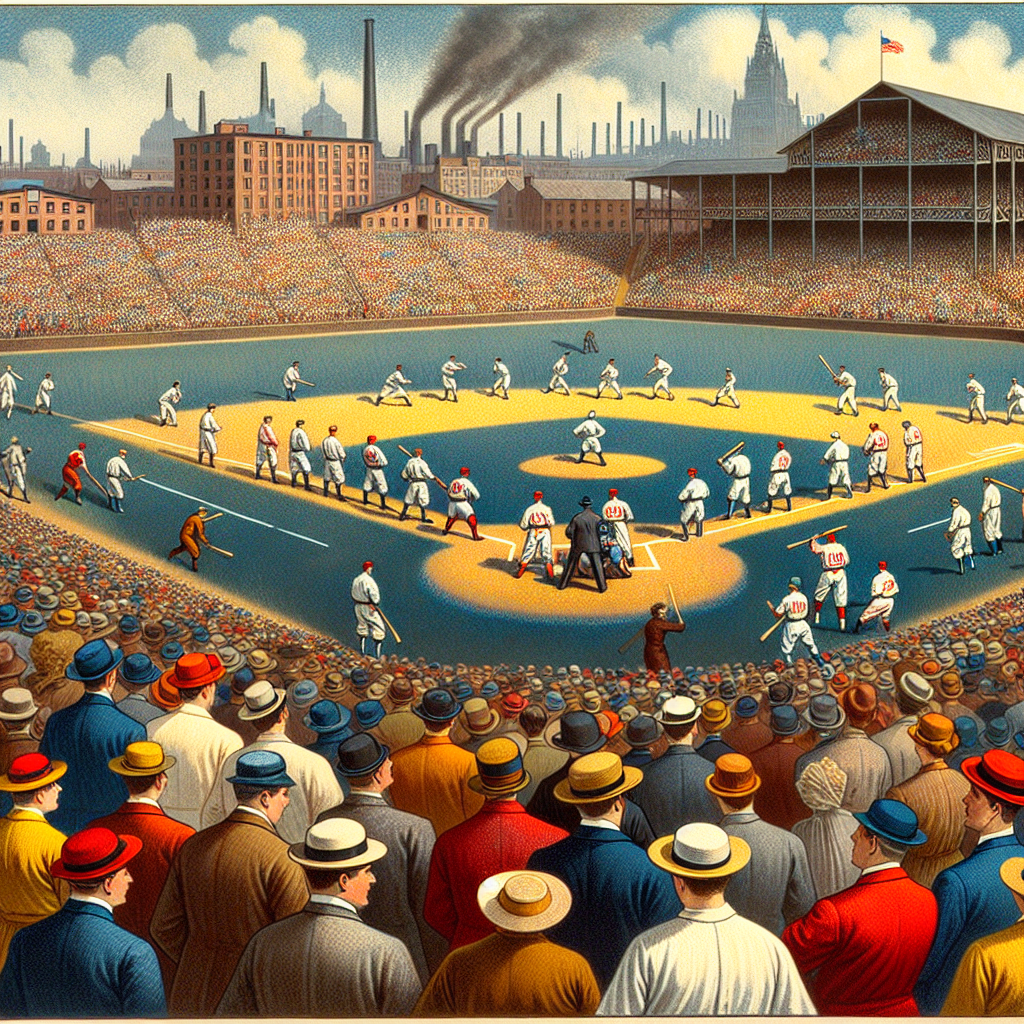
Television and Media: Expanding the Audience
As baseball expanded, so too did its audience, thanks largely to the advent and growth of television and other media forms. The Expansion Era coincided with transformative changes in media consumption, altering how fans engaged with the sport.
Television brought baseball into living rooms across the nation, increasing accessibility and drawing more fans to the game. It allowed for the creation of iconic broadcasts, linking generations through shared moments of on-field triumphs and heartbreaks.
Moreover, media expansion brought about more sophisticated coverage and analyses of the game. By the 1990s, ESPN’s comprehensive coverage and the advent of 24/7 sports channels provided fans with unprecedented detail and information about their favorite teams and players, further locking baseball into America’s cultural zeitgeist.
Baseball became a year-round endeavor, with off-seasons filled with trade talks, drafting news, and endless speculation that kept fans engaged even when no games were played. MLB capitalized on these developments, marking a noticeable shift in how the league marketed itself, with a stronger focus on individual stars and their stories.
Economic Impact: From Local to Global
Economically, the Expansion Era marked significant changes not just for the MLB but for the cities that housed new teams. Franchises became capable of bringing millions of dollars into a local economy through jobs related to the team, sales in local establishments, and fans flocking from all over to catch a game.
The economic prosperity of the era leaned on these expansions, with larger markets enjoying salary cap increases and shirt sponsors that only bolstered their financial capabilities. Conversely, small markets had to adapt, creating more strategic approaches in team building and sustaining competitive balance.
This era laid the groundwork for globalization in baseball. Talent scouting and recruitment increasingly turned international, and MLB began to see players arriving from Asia, Latin America, and even European countries, heralding a more global approach to talent sourcing.
The financial landscape of baseball had forever expanded, with larger profits, higher salaries, and more intricate marketing and merchandise strategies playing integral roles in sustaining multi-billion-dollar league operations.
Challenges and Controversies of Expansion
One cannot discuss baseball’s Expansion Era without addressing the challenges and controversies that accompanied it. The enormity of creating successful franchises was daunting, with some teams facing difficulties both on and off the field.
For instance, debates arose concerning talent dilution, with critics arguing that the rapid expansion resulted in a spread-thin talent pool, thereby reducing the quality of play. There were also financial challenges in keeping new franchises profitable, with some markets struggling more than anticipated.
Another concern was how expansion teams fared competitively. The new teams often suffered from poor performances initially, which could dampen their local enthusiasm. However, these challenges weren’t insurmountable, as several expansion teams eventually became competitive powerhouses in later years.
There were also controversies surrounding relocation votes and how cities competed for attaining franchises. The politics and economics behind such decisions often fueled skepticisms and headlines, casting a shadow over the celebratory expansions.
Conclusion: Reflecting on the Impact of Expansion
Looking back, baseball’s Expansion Era was a vibrant period of growth that did far more than just add teams to the league. It ushered in technological advancements, media proliferation, and economic benefits while also grappling with complex social dynamics and challenges.
This epoch mirrored the transformation of American society in myriad ways, acting as a lens through which one could observe changing cultural, sociopolitical, and economic landscapes. Baseball was no longer just a sport; it became an essential facet of American identity, growing with the nation as a social institution.
As baseball fans look to the present day, the Expansion Era represents a crucial chapter that laid down the foundation for today’s global MLB ecosystem. The sport continues to evolve, ever reflective of a nation still progressing, still diversifying, and still passionate about its beloved pastime.
Frequently Asked Questions
1. What characterized Baseball’s Expansion Era, and why is it significant?
The Expansion Era of baseball, spanning from the early 1960s to the 1990s, was a period of substantial growth for both the sport and the United States. This era was notable for its significant increase in the number of teams, which mirrored the broader development and dynamism in American society. The expansion was partly driven by the boom in population and the rise in television’s popularity, which allowed the sport to reach a more extensive and diverse audience than ever before. As America grew richer and more diverse, so did its pastime. The inclusion of new teams broke regional barriers and made the game accessible to new fan bases, increasing the game’s popularity nationwide.
2. How did the Expansion Era affect the cultural and societal aspects of baseball?
The Expansion Era was a time when baseball not only added more teams but also more deeply integrated itself into the fabric of American culture. This was the period when the nation was experiencing significant changes, such as the civil rights movement and a growing recognition of diversity. Similar to societal transformations, baseball also began to see integration in player demographics. Players from various racial and ethnic backgrounds began to emerge in the sport, reflecting the multicultural face of America. This era saw significant participation and rising stardom of players showcasing diversity, which helped foster a greater sense of unity and inclusion within society.
3. What were some of the key teams added during the Expansion Era, and how did it change the league?
The Expansion Era saw the introduction of many key teams that have become staples in Major League Baseball today. Teams such as the New York Mets and the Houston Colt .45s (now Astros) in 1962, the Kansas City Royals and the Seattle Pilots (now Milwaukee Brewers) in 1969, and the Toronto Blue Jays and Seattle Mariners in 1977, among others, were established during this period. This influx of new franchises not only revitalized cities with professional baseball but also expanded the competitive field of the league. With these additions, the National and American Leagues became more diversified geographically, spreading the sport’s influence and fostering a competitive spirit among a wider array of cities and fan bases.
4. How did technology and media influence baseball during the Expansion Era?
During the Expansion Era, television and other media forms grew exponentially, having a profound impact on baseball. Television brought games to a national audience, revolutionizing how fans could engage with the sport. This period witnessed iconic broadcasts and the rise of celebrated commentators who became voices synonymous with baseball. Furthermore, media coverage became more sophisticated, allowing fans deeper insights into games, players, and statistics. It paved the way for baseball to transition into a multi-media experience, with highlights and analysis reaching fans far beyond those who could attend games, thus maintaining and even increasing fan engagement and league revenues.
5. How did the Expansion Era lay the foundation for modern baseball?
The Expansion Era was crucial in laying the groundwork for what we recognize as modern baseball. By creating new franchises and expanding the league, baseball was able to adapt and grow alongside an expanding, changing America. This era introduced essential reforms and developments in areas such as league divisions and postseason formats, steering the sport towards more strategic competitiveness. The legacy of the Expansion Era is visible today in the way baseball is structured, broadcast, and watched, ensuring its status as America’s pastime and a reflection of the nation’s growth and diversity. As a result, baseball continues to thrive with a rich history that bridges past eras with the present, rooted in the expansion that characterized those transformative decades.