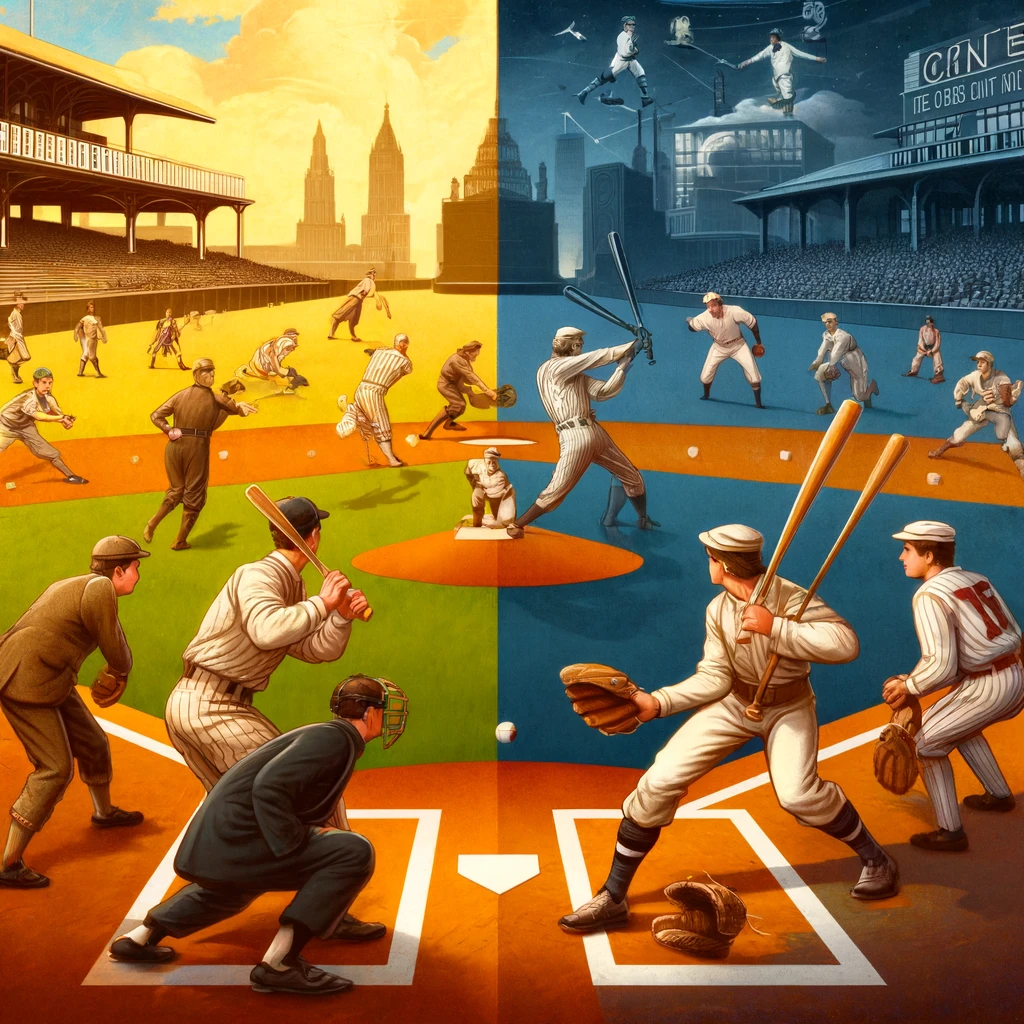
Baseball, often considered America’s pastime, has undergone numerous changes since its inception. The evolution of its rules from the 19th century to the present has significantly influenced how the game is played today. This article delves into the early history of baseball’s rule changes and how these modifications have shaped the modern game.
Origins and Early Rule Changes
The origins of baseball are somewhat murky, with multiple versions of bat-and-ball games played in the 18th and 19th centuries in North America and Europe. The version that evolved into modern baseball began taking shape in the mid-19th century in the northeastern United States.
One of the earliest formalizations of baseball rules occurred with the Knickerbocker Rules in 1845, devised by Alexander Cartwright and the Knickerbocker Base Ball Club of New York City. These rules were pivotal as they introduced concepts such as three-strikes-you’re-out and the diamond-shaped infield.
The Nine-Inning Standard
Originally, games were played to 21 runs, but this changed in 1857 when the National Association of Base Ball Players (NABBP) adopted a nine-inning standard. This change was influenced by the desire for a more standardized duration of play, moving away from the variable lengths that could be excessively long or unpredictably short. The nine-inning standard has remained, becoming one of the fundamental aspects of the game.
Introduction of the Pitcher’s Mound
Pitching underwent significant changes during the early years. Initially, pitchers delivered the ball underhand, and their primary role was to facilitate play. By the 1880s, however, overhand pitching was allowed, which transformed the pitcher into a more dominant figure in the game, leading to faster pitches and more strikeouts. The introduction of the pitcher’s mound in 1893, set at 60 feet 6 inches from home plate, also helped standardize gameplay and balance the competition between pitchers and hitters.
The Advent of Gloves and Other Equipment
As the game became faster and more competitive, player safety and performance gear evolved as well. The first baseball glove appeared in the 1870s, initially met with skepticism as many players considered it unmanly. However, by the end of the century, gloves became standard equipment to protect players from injury and improve their performance on the field.
Catchers, facing the brunt of fast pitches, also saw improvements in their gear. The introduction of masks, chest protectors, and shin guards throughout the late 19th century significantly reduced injuries and changed the dynamics of the catcher’s role from merely a receiving station to an integral part of defensive strategies.
Rule Changes in Response to Strategy
The rules of baseball have also adapted in response to strategic innovations by players. For instance, the hit-by-pitch rule, which awards the batter first base if struck by a pitch, was introduced as pitchers began using more aggressive tactics. Similarly, the foul strike rule was implemented when batters began hitting foul balls intentionally to avoid striking out.
Another strategic change was the banning of the spitball in 1920. This decision was driven by both safety concerns and a desire to curb pitchers’ dominance, as the spitball made pitches exceedingly difficult to hit.
The Integration Era
Perhaps no rule change has been as culturally and historically significant as the integration of baseball. In 1947, Jackie Robinson broke the color barrier, leading to the integration of the game. This was not a formal rule change but a shift in league policy that had a profound impact on the game and American society.
The evolution of baseball rules reflects broader changes in American society and the natural progression of sports dynamics. From safety equipment to gameplay mechanics, these rules have shaped baseball into a more dynamic, inclusive, and strategically complex game. Each rule change not only reflects an adaptation to the challenges and strategies of the times but also the growing understanding of the sport itself. Baseball continues to evolve, but its rich history of adaptation and change remains a testament to its enduring appeal.

Modern Innovations and Continued Adaptations
As baseball moved through the 20th century and into the 21st, the sport continued to evolve with rule changes that address both player performance and fan engagement. These modern adaptations highlight how the game has continued to adjust in response to technological advancements, shifts in player strategy, and broader societal changes.
The Designated Hitter Rule
One of the most significant rule changes in modern baseball is the introduction of the designated hitter (DH) in the American League in 1973. This rule allows teams to use another player to bat in place of the pitcher, which was intended to boost offensive performance and fan interest by increasing scoring. The DH rule marked a major divergence in play style between the American League and the National League, where pitchers continue to bat. This rule is still a subject of debate and discussion among fans and purists who believe it changes the strategic complexity of the game.
Replay and Technology Integration
The use of instant replay technology was another pivotal change, introduced in 2008 to review disputed home run calls. Over the years, the use of replay has expanded significantly to include various contested plays such as base possession and player tags. The goal was to increase the accuracy of officiating, reflecting a broader trend in sports toward leveraging technology to enhance fairness. However, this change has also led to debates about the pace of the game and the balance between human judgment and technological assistance.
Pace of Play Initiatives
In response to concerns about the length of games and the pace of play, Major League Baseball has implemented several initiatives. These include limiting mound visits, introducing pitch clocks to speed up pitchers, and enforcing quicker transitions between innings. These changes aim to make baseball more appealing to younger audiences and fit better into the fast-paced consumption habits of modern sports fans.
Safety Enhancements
Recent years have also seen significant changes aimed at improving player safety. For example, rules regarding home plate collisions were tightened after several high-profile injuries, restricting the circumstances under which a catcher can block the plate and a runner can initiate contact. Similarly, the introduction of the seven-day concussion list provides teams with a way to manage players who suffer head injuries without significant roster disruptions.
Looking Toward the Future
As baseball continues into the 2020s, it faces new challenges and opportunities for further rule modifications. Discussions about electronic strike zones, further integration of technology, and adjustments to player development and recruitment practices reflect ongoing debates about the future of the game. These discussions are not just about maintaining the integrity and appeal of baseball but also about ensuring it remains relevant and engaging in a rapidly changing sports landscape.
Conclusion
The history of baseball is marked by continuous adaptation, reflecting changes in American culture, advancements in technology, and shifts in strategic thinking. The game’s evolution through rule changes has not only impacted how it is played but also how it is perceived and enjoyed by fans around the world. As we look forward, it is clear that baseball will continue to evolve, driven by a mix of tradition and innovation. The dynamic nature of its rules and the adaptability of those who govern and play the game ensure that baseball remains a vital part of the American cultural fabric.