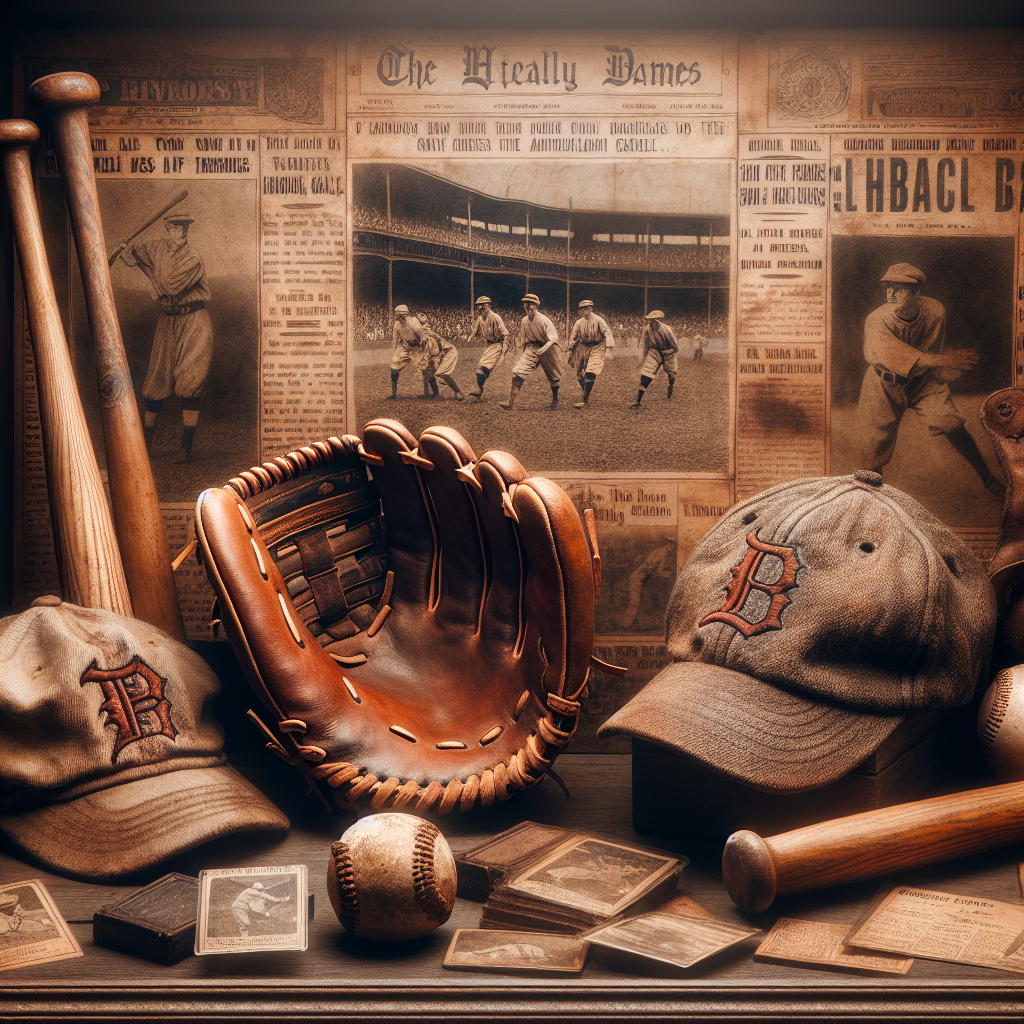
The charm of baseball isn’t merely confined to the diamond or the dramatic moments that define each game. Collecting baseball memorabilia has long been an integral part of the sport’s culture, sparking nostalgia, and bringing fans closer to the game’s storied past. During the early 20th century, baseball memorabilia began to take on significant importance, reflecting the sport’s growth and the public’s increasing interest. This era laid the foundation for what has now become a booming industry and a treasured pastime for enthusiasts worldwide.
As the game of baseball became more organized and the Major League Baseball (MLB) was established, so grew the interest in collecting items that represented the heroes of the time. Fans began to see value in objects such as cards, autographs, equipment, and other paraphernalia linked to their favorite players and teams. The early 20th century marks a period where baseball memorabilia evolved from simple keepsakes into valuable artifacts with historical significance.
This period also saw the rise of some of the most iconic players and teams, whose legacies were immortalized through various forms of memorabilia. The introduction of collectibles such as the T206 tobacco cards and game-used items created a deeper connection between the fans and the sport. The era was characterized by a burgeoning market for these items, driven by technological advances in printing and production and an expanding fan base.
Understanding the early history of collecting baseball memorabilia provides insight into how the sport’s culture and its associated paraphernalia have developed over time. This article delves into the origins of baseball memorabilia collection during the early 20th century, exploring key items that shaped the hobby, the cultural impact of such collectibles, and the enduring legacy of this fascinating facet of baseball history.
Early Trading Cards: Catalysts of the Collecting Craze
One of the most significant developments in early baseball memorabilia was the introduction of baseball cards. Often credited as the catalyst for the collecting craze, these cards were initially produced as a promotional tool by tobacco companies. The most famous of these early cards are from the T206 series, produced between 1909 and 1911. These cards featured images of players and were included in cigarette packs as a marketing incentive.
The T206 series remains one of the most sought-after collections in baseball card history, with the Honus Wagner card being the most famous and valuable. Wagner, a Hall of Fame shortstop, requested to be removed from the series, making his card extremely rare. Today, even a single T206 Honus Wagner card can sell for millions of dollars. This rarity and value underscore the early connection between baseball and collectibles.
Apart from the tobacco cards, other companies began to produce their own series of cards. The Cracker Jack Company, for example, included cards in their popcorn and peanut confections, further embedding baseball memorabilia into popular culture. These cards often featured vivid illustrations and captured the essence of the sport’s most celebrated figures, contributing to their enduring appeal.
The introduction and popularity of baseball cards in the early 20th century set the stage for the diverse range of memorabilia that would follow. By creating a simple yet effective way for fans to connect with their heroes, these early cards not only instilled a passion for collecting but also helped cement baseball’s place in the American psyche.
Autographs: Personal Connections to the Legends
In addition to trading cards, autographs emerged as a cherished form of memorabilia during the early 20th century. An autograph of a favorite player was not just a signature; it was a personal connection to the legend themselves. The process of acquiring autographs often involved a direct interaction with the athletes, whether at games, spring training, or other public appearances.
Fans would bring baseballs, programs, or pieces of paper to be signed, creating a personalized and often sentimental keepsake. The practice of collecting autographs provided an unparalleled sense of closeness to the game and its icons, making these items highly valued among collectors.
As the popularity of autographs grew, so did the market for these items. Early 20th-century collectors sought signatures from towering figures such as Babe Ruth, Ty Cobb, and Lou Gehrig, whose autographs are now considered treasures. A Babe Ruth signed baseball, for instance, can fetch significant sums at auctions, highlighting the timeless allure of these early memorabilia pieces.
The pursuit of autographs laid the groundwork for future generations of collectors. It also underscored the importance of personal connections in the world of sports memorabilia. In many ways, collecting autographs was more than a hobby; it was a way for fans to celebrate their admiration for the game’s greatest talents.

Game-Used Equipment: Relics of the Diamond
Game-used equipment represents another critical aspect of early baseball memorabilia. Items such as bats, balls, gloves, and uniforms used in actual games became highly coveted by fans and collectors. These items offered a tangible link to historic moments and legendary players, making them invaluable artifacts.
A bat used by Babe Ruth, for example, not only carries the legendary player’s name but also the weight of the countless home runs and pivotal moments he produced. Game-used balls from notable games or events, like a World Series, also hold immense historical significance and collectible value.
The early 20th century saw pioneering collectors seeking these items, driven by a desire to preserve pieces of baseball history. This demand saw some institutions and private collectors acquiring and displaying game-used equipment, further elevating their status as relics of the sport.
Game-used memorabilia continues to be a cornerstone of collecting. The enduring appeal of these items is rooted in their authenticity and direct connection to the game’s most memorable events and players. Such artifacts are not only prized for their rarity but also for the stories they carry, encapsulating moments that defined the sport’s history.
Programs, Tickets, and Ephemera: Snapshots of Baseball’s Past
Beyond cards, autographs, and equipment, early baseball memorabilia also includes a wide array of ephemera—programs, tickets, and other items associated with the game. These pieces, although often overlooked, offer unique insights into the era’s cultural and social aspects of baseball.
Programs from historic games or seasons provide a glimpse into the sport’s contemporary landscape. They often include rosters, player statistics, and advertisements that paint a picture of the period’s commercial environment. Early 20th-century programs are especially prized for their detailed illustrations and nostalgic charm.
Tickets from iconic games, such as World Series matchups or milestone events, serve as historical artifacts, each one representing a specific moment in time. Collectors value these items not only for their connection to notable games but also for the nostalgia they evoke. A ticket from Lou Gehrig’s famous “Luckiest Man on the Face of the Earth” speech, for instance, is treasured for its association with a profound and emotional event in baseball history.
Other forms of ephemera, such as team schedules, scorecards, and pennants, also capture the essence of the early baseball experience. Collecting these artifacts allows enthusiasts to explore different facets of the game’s history and appreciate the evolution of its promotional and fan engagement practices.
The Evolution of Baseball Memorabilia Collecting
The early 20th century set the stage for what would become a sophisticated and wide-ranging field of memorabilia collecting. As baseball continued to grow in popularity, so too did the demand for items that celebrated the game’s history and its heroes.
Collectors became more organized, with dedicated clubs and publications emerging to cater to their interests. The establishment of shows and conventions provided venues for enthusiasts to buy, sell, and trade their treasures. Auction houses began to recognize the value of baseball memorabilia, offering a platform for high-profile sales that further validated the importance of the hobby.
The progression of memorabilia collecting has also been influenced by advancements in technology and authentication practices. The introduction of authentication services has helped ensure the legitimacy of valuable items, protecting both collectors and the integrity of the market. Grading companies, such as PSA (Professional Sports Authenticator), have standardized the evaluation process for items like cards, enhancing their credibility and value.
Today, the collecting of baseball memorabilia is a global phenomenon, with enthusiasts from all walks of life participating in the hobby. Museums and Hall of Fame exhibits showcase some of the most iconic pieces, preserving them for future generations to appreciate. The legacy of early 20th-century collectors lives on, as the passion for preserving and celebrating baseball’s rich history continues to thrive.
Conclusion
The early history of baseball memorabilia collection is a testament to the enduring appeal of America’s pastime. From the humble beginnings of tobacco cards and autographs to the treasured game-used equipment and ephemera, these early collectibles have left an indelible mark on the sport’s culture and history.
Baseball memorabilia connects fans to the game’s heroes and historic moments, offering a tangible link to the past. The early 20th century, in particular, laid the foundation for what is now a thriving industry and beloved hobby for countless enthusiasts around the world. The items collected during this time—not just as mere tokens, but as cherished relics—continue to captivate and inspire new generations of fans and collectors.
Understanding the origins and evolution of baseball memorabilia collecting provides valuable insights into the broader historical context of the sport. It highlights the role of technological advancements, cultural trends, and individual passions in shaping the way we celebrate and preserve the memories of the game we love.
As baseball continues to evolve, so will the nature of memorabilia collection. New items will emerge, and future collectors will undoubtedly look back with the same sense of wonder and appreciation for the artifacts of the early 20th century. The spirit of collecting baseball memorabilia, rooted in a deep appreciation for the game’s history and its heroes, remains as strong as ever.