
The 1920s, often referred to as the Roaring Twenties, were a period of significant social, cultural, and economic change in the United States. This vibrant decade was marked by a sense of renewal and progress following the devastation of World War I and the global influenza pandemic. Against this backdrop, baseball emerged not just as America’s pastime, but as a microcosm of the broader transformations gripping the nation. The sport played a pivotal role in shaping and reflecting the cultural trends of the era, offering a window into the complexities and contradictions of the period.
The game of baseball experienced an evolution during the 1920s that paralleled the broader societal revolutions taking place. This was a time that witnessed the rise of some of the sport’s most legendary figures, such as Babe Ruth and Lou Gehrig, who became emblematic of the larger-than-life personalities that defined the decade. Stadiums filled to capacity as Americans from all walks of life flocked to see their favorite teams and players. The game itself underwent significant changes, including rule modifications and advancements in equipment, that enhanced its appeal and accessibility.
Baseball in the Roaring Twenties wasn’t just about the game; it was about the spectacle, the personalities, and the evolving American identity. Harlem’s jazz clubs, the flapper culture, and the burgeoning motion picture industry all had their parallels and intersections with the world of baseball. Each game became an event, a communal experience where fans could momentarily escape the pressures of everyday life.
To understand the significance of baseball in the 1920s, it is essential to examine its status as a cultural phenomenon, a field of heroes, and a canvas on which broader social issues such as race, labor, and economics played out. This article delves into the multifaceted world of baseball during this transformative decade, offering a comprehensive snapshot of a sport that mirrored and influenced the American experience in the Roaring Twenties.
The Rise of the Superstar: Babe Ruth and Lou Gehrig
The 1920s in baseball are synonymous with the rise of superstar athletes who became cultural icons. None stood taller than George Herman “Babe” Ruth and Henry Louis “Lou” Gehrig. Babe Ruth, originally a pitcher for the Boston Red Sox, was sold to the New York Yankees in 1919, a move that would change the landscape of baseball forever. Transitioning to the role of an outfielder, Ruth’s prowess as a slugger captivated fans and revolutionized the game. His charismatic personality and larger-than-life presence epitomized the broader spirit of the Roaring Twenties, characterized by excess, excitement, and a carefree attitude.
Ruth’s incredible performance at the plate, including his then-record 60 home runs in 1927, drew unprecedented crowds to Yankee Stadium, which quickly became known as “The House That Ruth Built.” His ability to draw fans wasn’t just limited to his on-field heroics; Ruth was a media darling, known for his colorful personality and frequent appearances in newspapers and newsreels. He became a symbol of American optimism and the ability to achieve greatness through talent and hard work.
Lou Gehrig, known as the “Iron Horse” for his durability and consistent performance, emerged as a counterpart to Ruth during the late 1920s. Gehrig’s calm demeanor and relentless work ethic offered a stark contrast to Ruth’s flamboyance. Together, they formed one of the most formidable duos in the history of baseball, leading the Yankees to multiple championships and cementing the team’s legacy as a powerhouse in the sport.
The emergence of these superstars transformed baseball from a mere sport into a centerpiece of American popular culture. Their exploits on and off the field captured the nation’s imagination, making baseball an integral part of the cultural fabric of the Roaring Twenties and establishing a blueprint for the modern sports celebrity.
The Evolution of the Game: Rule Changes and Technological Advancements
The 1920s was a period of innovation and transformation for baseball, mirroring the technological and industrial advancements of the era. One of the most significant changes was the introduction of the “live-ball” era, marked by the shift away from the “dead-ball” style of play that had dominated the sport until 1919. This transition was catalyzed by several factors, including advancements in the manufacturing of baseballs, which made them livelier and easier to hit for distance. The result was a surge in home runs and offense, aligning perfectly with the Roaring Twenties’ exuberant spirit.
Another pivotal rule change was the banning of the spitball and other trick pitches. This move, aimed at increasing safety and fairness, also contributed to the rise in offensive production. Additionally, the period saw improvements in player equipment, including better gloves and protective gear, which allowed for a higher level of play.
Technological advancements in broadcasting and media also played a crucial role in the evolution of the game. The 1920s saw the advent of radio broadcasts, which brought live baseball games into homes across America. This development not only increased the sport’s accessibility but also helped to create a more engaged and informed fan base. Fans could now follow their favorite teams and players with a new level of intimacy and immediacy, fostering a deeper connection to the game.
Stadiums themselves underwent significant changes during this period. The construction of larger, more modern ballparks reflected the growing popularity of baseball and the increasing demand for comfortable, family-friendly spectator experiences. Iconic stadiums like Yankee Stadium and Fenway Park became landmarks not just for sports fans but for American culture as a whole.
Baseball’s Cultural Impact: Fashion, Media, and Art
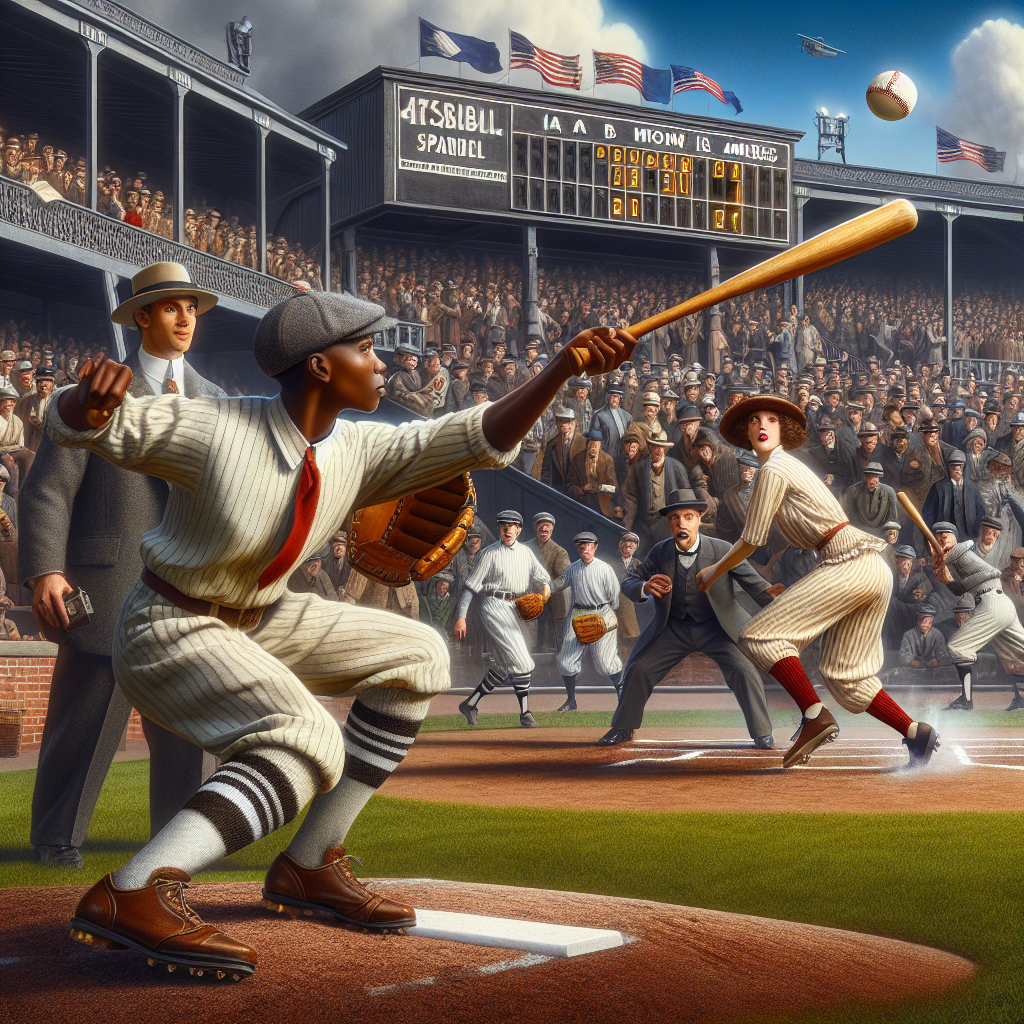
Baseball’s influence during the Roaring Twenties extended far beyond the diamond, permeating various aspects of American culture, including fashion, media, and art. The game’s popularity inspired a range of baseball-themed merchandise and apparel, from replica jerseys to baseball caps, which became fashionable items among fans and non-fans alike. The iconic look of the baseball uniform, with its pinstripes and team logos, became a significant cultural symbol during this era.
In the realm of media, baseball players became some of the first true American celebrities. Their exploits were regularly chronicled in newspapers, radio broadcasts, and newsreels, making them household names. This period saw the rise of sports journalism as a prominent field, with writers like Grantland Rice and Ring Lardner becoming akin to literary celebrities themselves. Their colorful and poetic descriptions of games and players helped to elevate the sport’s mythos and allure.
Art and literature from the 1920s also reflected the national obsession with baseball. Baseball scenes and motifs appeared in paintings, advertisements, and even novels, capturing the sport’s place in the cultural zeitgeist. The game served as a rich source of inspiration for artists and writers, who used it as a metaphor for broader themes such as heroism, struggle, and the American Dream.
Baseball’s cultural impact during the Roaring Twenties highlights how deeply the sport was woven into the fabric of American life. It influenced the way people dressed, consumed media, and even thought about their own identities. The game’s reach extended well beyond the ballpark, making it a central component of the era’s cultural landscape.
Race and Baseball: The Struggle for Integration
While the 1920s were a time of great progress in many areas, they were also marked by significant social and racial tensions. Baseball, as a reflection of American society, was no exception. The era was characterized by the rigid segregation of Major League Baseball, which barred African American players from participating. Despite this, the 1920s saw the flourishing of the Negro Leagues, which provided a platform for some of the most talented and dynamic players in the history of the sport.
The Negro Leagues were founded in 1920, led by Andrew “Rube” Foster, a former player and influential figure in black baseball. The leagues quickly gained a significant following, showcasing the talents of players like Satchel Paige, Josh Gibson, and Cool Papa Bell. These athletes demonstrated that the quality of play in the Negro Leagues was equal to, if not surpassing, that of the Major Leagues.
Despite the high level of play, the Negro Leagues faced considerable challenges, including inadequate funding, poor facilities, and limited media coverage. However, these leagues also fostered a strong sense of community and pride among African American fans and players. Baseball in the Negro Leagues became a crucial aspect of black cultural life during the 1920s, contributing to the broader Harlem Renaissance and the burgeoning civil rights movement.
The story of race and baseball during the Roaring Twenties is a testament to the sport’s complex role in American society. While Major League Baseball remained segregated, the achievements and resilience of Negro League players laid the groundwork for the eventual integration of the sport. This period highlighted both the possibilities and the limitations of baseball as a force for social change, setting the stage for the breakthroughs that would come in the following decades.
The Business of Baseball: Economic Challenges and Triumphs
The 1920s were not only a time of cultural and social change but also a period of significant economic activity within the world of baseball. The decade saw baseball become big business, with teams and players garnering enormous financial success. However, this prosperity came with its own set of challenges and controversies.
One of the most notable economic developments of the era was the commercialization of baseball. Teams began to exploit new revenue streams, including radio broadcast rights, stadium advertising, and merchandise sales. Owners like Jacob Ruppert of the New York Yankees understood the potential for growth and made substantial investments in their franchises. Yankee Stadium, built in 1923, exemplified this new business model, becoming a state-of-the-art facility designed to maximize fan experience and revenue.
Player salaries also saw significant increases during the 1920s, reflecting their growing importance to the team’s financial success. Babe Ruth famously became the highest-paid athlete of his time, earning more than the President of the United States at one point. His salary and the financial benefits that star players brought to their teams underscored the shifting economic dynamics of the sport.
However, the decade was not without its financial struggles and scandals. The 1919 Black Sox Scandal, in which eight Chicago White Sox players were accused of conspiring to throw the World Series, cast a shadow over the sport. In response, Major League Baseball appointed its first Commissioner, Judge Kenesaw Mountain Landis, who took drastic measures to restore the game’s integrity and public trust.
Conclusion
Baseball during the Roaring Twenties was much more than a sport; it was a reflection of a nation in flux, capturing the exhilarating highs and sobering lows of a transformative era. As the United States experienced rapid industrialization, urbanization, and cultural shifts, baseball evolved in parallel, solidifying its status as America’s pastime. The rise of superstars like Babe Ruth and Lou Gehrig, alongside fundamental changes to the game itself, underscored baseball’s dynamic nature and its ability to adapt to the times.
This period also highlighted baseball’s profound cultural impact, influencing fashion, media, and art in ways that continue to resonate. The sport’s ability to inspire and captivate stemmed from its unique position at the heart of American life, serving as a communal experience that brought people together. Yet, the Roaring Twenties were also a reminder of the limitations and inequalities that existed within the sport, particularly regarding race and the struggles faced by the Negro Leagues.
The commercial success and economic challenges of baseball during this era laid the groundwork for its future growth. The developments of the 1920s set the stage for the modern game, with increased commercialization, higher player salaries, and enhanced fan engagement becoming staples of the sport. The period also underscored the importance of integrity and trust, leading to lasting changes in how the game was governed and perceived by the public.
In conclusion, baseball during the Roaring Twenties offers a rich and multifaceted snapshot of American culture, reflecting the hopes, dreams, and tensions of a nation on the brink of modernity. As we look back on this seminal decade, we are reminded of the timeless qualities that make baseball an enduring symbol of American identity: its capacity for heroes, its reflection of societal changes, and its ability to bring people together in a shared love of the game.