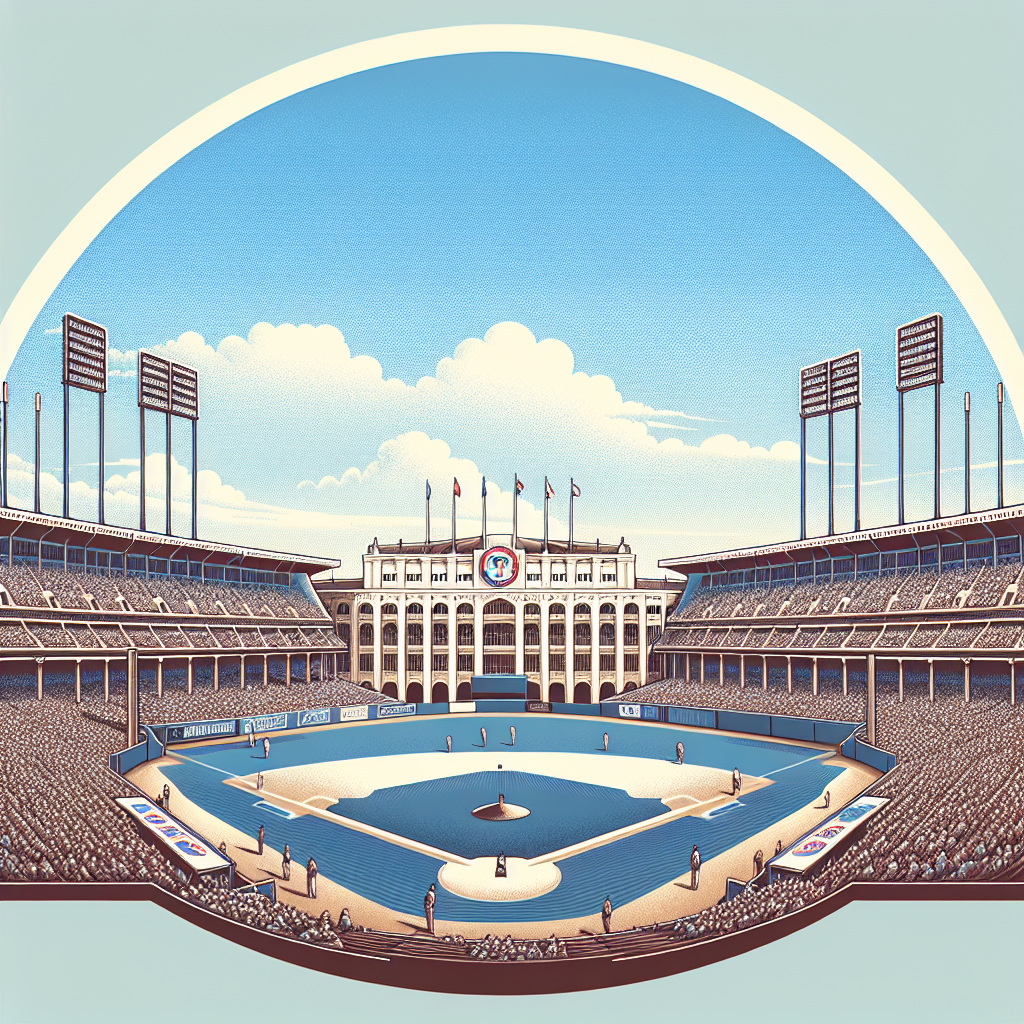
Arlington Stadium, the original home of the Texas Rangers, holds a significant place in baseball history. Located in Arlington, Texas, this stadium witnessed the growth of the Rangers from a fledgling team into a formidable force in Major League Baseball (MLB). Arlington Stadium wasn’t just a ballpark; it was a breeding ground for talent, a place of memorable games, and a community hub for fans. Understanding the history and the unique features of Arlington Stadium provides us with a greater appreciation for the way baseball has evolved in Texas.
Initially constructed as a minor league park, Arlington Stadium was first known as Turnpike Stadium before undergoing major renovations to meet MLB standards. Its relatively modest beginnings did not foretell the exciting games and groundbreaking moments that would transpire over the years. The stadium’s story, intertwined with that of the Rangers, offers a fascinating glimpse into the sport’s development at a regional and national level.
This article dives deep into the history of Arlington Stadium, shedding light on its construction, key events, and the legendary players who called this stadium home. From its humble origins to its transformation into a beloved sports venue, Arlington Stadium’s legacy is indeed worth exploring. By the time you reach the end, you’ll understand why Arlington Stadium remains an iconic landmark in the annals of baseball history.
Construction and Early Days
The journey of Arlington Stadium began with its construction in 1965 as Turnpike Stadium. Initially built to host the minor league Dallas-Fort Worth Spurs, the stadium’s capacity was just under 10,000 seats. Designed by the architectural firm Pearce, Lacy and Lacy, Turnpike Stadium was a straightforward, no-frills ballpark tailored to meet the needs of local baseball fans. Surrounded by vast parking lots, it promised to be a beacon of entertainment in the growing region.
By 1972, things took a dramatic turn. The Washington Senators, an MLB team plagued by financial troubles and a dwindling fan base, relocated to Arlington, Texas. This relocation transformed Turnpike Stadium into a major league venue, which required substantial upgrades. The seating capacity was increased to 35,525, and the stadium was renamed Arlington Stadium. These renovations marked the beginning of a new era for both the team and the city.
One of the stadium’s most distinctive features was its vast expanses of outfield seating, a stark contrast to the more enclosed designs of many contemporary ballparks. This design choice created a unique atmosphere and offered fans unobstructed, panoramic views of the game. Despite not having the modern amenities of newer ballparks, Arlington Stadium quickly became a cherished site for baseball enthusiasts in the region.
Memorable Events and Games
Throughout its tenure, Arlington Stadium was the host of numerous unforgettable moments. One standout event was Nolan Ryan’s 5,000th career strikeout. Ryan, who joined the Rangers in 1989, was already a legendary pitcher by the time he reached Arlington. On August 22, 1989, he struck out Rickey Henderson of the Oakland Athletics, securing his place in baseball history. The crowd erupted in cheers, and the stadium vibrated with the energy of thousands of elated fans.
Another memorable game took place on October 3, 1993, the final baseball game played at Arlington Stadium. The Rangers hosted the Kansas City Royals before making their move to the newly built Ballpark in Arlington (now Globe Life Park). Fans packed the stadium, eager to say a heartfelt goodbye to their long-time home. Despite the Rangers’ loss that day, the atmosphere was one of celebration and nostalgia, marking the end of an era and the beginning of a new chapter for the team.
Arlington Stadium also witnessed the emergence of several talented players. Notably, the stadium was the backdrop for the early careers of Rangers’ stars like Ivan “Pudge” Rodriguez and Juan Gonzalez. Rodriguez, a Hall of Fame catcher, became one of the most beloved figures in Texas Rangers history, and his development at Arlington Stadium cemented his legendary status.

Impact on the Community
Arlington Stadium was more than just a sports venue; it was a community landmark. The stadium served as a gathering place for fans from across the Dallas-Fort Worth metroplex and beyond. Families, friends, and baseball enthusiasts congregated to watch the Rangers, creating a vibrant and supportive community around the team.
The stadium also contributed to the local economy, attracting tourists and boosting nearby businesses. Hotels, restaurants, and retail establishments all benefited from the influx of visitors during the baseball season. Game days brought a palpable sense of excitement to Arlington, Texas, with the stadium at the center of it all.
Moreover, the stadium played a crucial role in fostering a love for baseball among young fans. Little League teams and school groups often attended games, witnessing firsthand the thrill of professional baseball. These experiences helped cultivate the next generation of fans, many of whom would grow up to become lifelong supporters of the Texas Rangers.
Arlington Stadium’s influence extended beyond the city limits, as it helped put Arlington on the map as a destination for sports and entertainment. The Rangers’ success at the stadium drew national attention, and the venue itself became a symbol of the growing popularity of baseball in Texas.
The Move to Globe Life Park
As the years passed, the limitations of Arlington Stadium became more apparent. By the early 1990s, the stadium was considered outdated compared to other MLB venues. The team and city officials recognized the need for a more modern facility to continue attracting fans and competing at a high level.
In 1994, the Rangers moved to the newly constructed Ballpark in Arlington. The new stadium featured state-of-the-art amenities, increased seating capacity, and a design that combined modern functionality with a classic ballpark feel. While fans were excited about the move, it also marked the end of an era. The last game played at Arlington Stadium was a bittersweet moment for many who cherished the memories created there.
Despite the move, the legacy of Arlington Stadium lived on. Globe Life Park, which later became the home of the Rangers, carried forward the tradition and spirit of its predecessor. Many of the design elements and fan experiences at the new park paid homage to the original stadium, ensuring that its influence would not be forgotten.
Today, Arlington continues to evolve as a hub for sports and entertainment. The introduction of Globe Life Field in 2020, a cutting-edge retractable roof stadium, further solidified Arlington’s reputation as a premier destination for baseball fans. However, the roots of this development can be traced back to Arlington Stadium, the venue that laid the foundation for the Rangers’ success.
Conclusion
Arlington Stadium may no longer be standing, but its impact on baseball and the Texas Rangers endures. As the team’s first home, it served as a crucible for talent, a site of unforgettable games, and a cherished community gathering place. The stadium’s unique design and atmosphere made it a beloved landmark for fans, and its legacy continues to influence the team’s current and future endeavors.
From its early days as Turnpike Stadium to its transformation into a major league venue, Arlington Stadium’s story is a testament to the growth and evolution of baseball in Texas. The memories created within its walls have left an indelible mark on the hearts of fans and continue to be celebrated in the annals of baseball history.
As we reflect on the history of Arlington Stadium, we are reminded of the importance of honoring the past while embracing the future. The stadium’s contributions to the Texas Rangers and the sport of baseball are a source of pride and inspiration, ensuring that its legacy will be remembered for generations to come.
Today, when fans visit the current home of the Rangers, they are walking on the path paved by Arlington Stadium. The spirit of the original ballpark continues to live on, reminding us of the thrilling games, towering home runs, and the sense of community that defined its storied existence.
Frequently Asked Questions
What was Arlington Stadium, and why is it important in baseball history?
Arlington Stadium was the original home of the Texas Rangers, located in Arlington, Texas. It holds an important place in baseball history because it was more than just a ballpark; it was the breeding ground for talent, a venue for unforgettable games, and an integral part of the community spirit for fans. The stadium hosted the Texas Rangers from their inception in 1972, following their move from Washington D.C. where they were known as the Senators, until the team moved to The Ballpark in Arlington in 1994. During this period, Arlington Stadium saw the Rangers transform from a fledgling team into a reputable force in MLB, making significant contributions to baseball culture and sports in Texas. Each game played at Arlington Stadium contributed to the region’s growing sports culture and instilled a strong sense of community pride among Texas Ranger fans.
What were some of the unique features of Arlington Stadium that made it special?
Arlington Stadium had several unique features that set it apart from other ballparks of its time. Originally constructed in 1965 as the home for the minor league Dallas-Fort Worth Spurs, Arlington Stadium was straightforward and somewhat minimalistic. However, it was poetically situated on a stretch of land that was accessible to fans from across the Metroplex, becoming a central gathering spot for baseball lovers. Over the years, the stadium underwent many renovations, expanding its seating capacity to fit the growing fan base, eventually accommodating over 35,000 spectators. Despite lacking the architectural grandeur of some modern stadiums, Arlington Stadium exuded a charming and authentic baseball atmosphere. It had open walkways where fans could enjoy the Texas sky and a unique home-run porch in the right field that contributed to its distinct local character. Fans cherished the stadium for its no-frills environment that focused solely on the game and community experience.
Can you share some memorable games or moments that occurred at Arlington Stadium?
Arlington Stadium was the backdrop for numerous memorable moments in baseball history. One of the standout events was the first-ever Texas Rangers game played on April 21, 1972. The Rangers won 7-6 against the California Angels, marking the start of a new chapter in Texas baseball. Over the years, the stadium witnessed many exciting games, including Nolan Ryan’s 5,000th career strikeout on August 22, 1989. This significant milestone reinforced Nolan Ryan’s legendary status and his special bond with the Texas Rangers. Another unforgettable moment was when All-Star catcher Ivan “Pudge” Rodriguez, one of baseball’s greatest catchers, began his Hall of Fame career. Arlington Stadium was not only a venue for records being broken and players achieving greatness, but it was also a space where die-hard fans experienced many thrilling home run battles and exhilarating comebacks that remain etched in the memory of those who witnessed them.
What role did Arlington Stadium play in the community and culture of the Texas Rangers?
Arlington Stadium played a pivotal role in the community and the culture of the Texas Rangers. It wasn’t just a place to watch baseball; it was a social hub that brought together fans from all around Texas. The stadium was where families gathered, friendships were forged, and connections were strengthened, all centered around a shared love for the game. The atmosphere of the stadium resonated with a sense of camaraderie and unity, making it a beloved part of the Arlington community. The grassroots nature of the stadium allowed for a deeper engagement with the sport, as local fans watched their team evolve from underdogs to serious MLB contenders. Arlington Stadium nurtured a team culture focused on development and determination, fostering a loyal following that contributed significantly to the team’s identity and long-term success in Texas.
Why did the Texas Rangers move from Arlington Stadium, and what is its legacy today?
The Texas Rangers made the move from Arlington Stadium to The Ballpark in Arlington (later known as Globe Life Park) in 1994 due to the need for a more modern facility that could support the growing fan base and provide more amenities. Arlington Stadium, while beloved, lacked many of the comforts and features that newer venues offered, such as better concessions, more comfortable seating, and wider concourses. The switch to a new ballpark was driven by the Rangers’ ambition to enhance fan experience and to keep up with the competitive demands of other MLB facilities. Despite this move, Arlington Stadium’s legacy remains strong. It is remembered fondly as the birthplace of the Texas Rangers, a venue that nurtured countless baseball legends, and an integral part of Texas sports history. Its story continues to inspire current and future generations of Rangers fans, reminding them of the humble beginnings and the community spirit that continues to define the team.