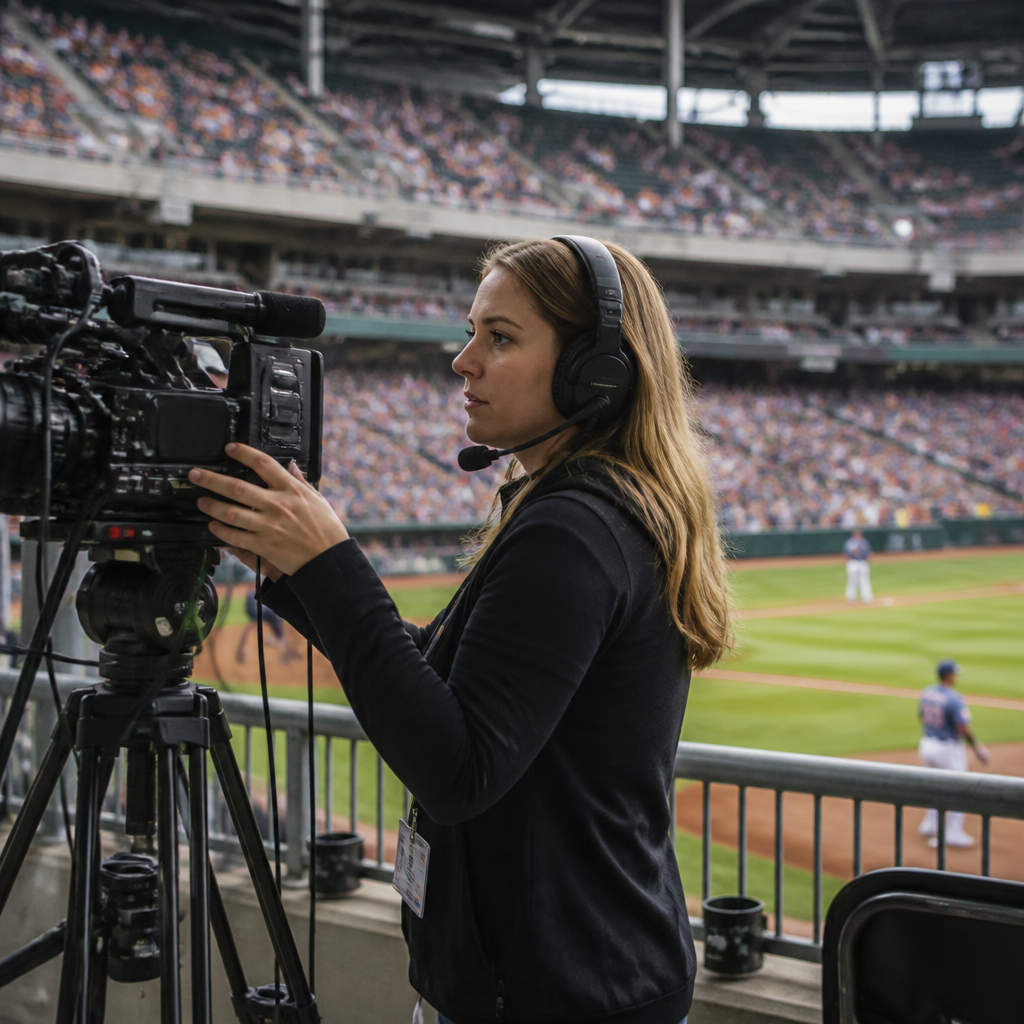
Behind the scenes, women have become essential to baseball media and broadcasting, shaping how fans understand games, players, front offices, labor issues, analytics, and the culture surrounding the sport. Baseball media and broadcasting includes play-by-play announcing, color commentary, sideline and dugout reporting, studio hosting, beat writing, feature production, editing, photography, podcasting, social media management, research, and executive decision-making inside television networks, radio stations, newspapers, digital outlets, and club content departments. In practical terms, these roles determine which stories get told, whose expertise is trusted, and how the sport presents itself to local and national audiences. I have worked around sports content teams long enough to see that the on-air product fans hear is only the visible layer; beneath it are editorial meetings, statistical prep, production rundowns, camera plans, interview bookings, rights negotiations, and deadline decisions that reward preparation more than visibility.
This subject matters because baseball has long been framed as tradition-bound, and media has often mirrored that conservatism. For decades, women were present but undercredited as researchers, producers, assignment editors, publicists, and writers while facing barriers to locker room access, hiring pipelines, and promotion into marquee roles. Even after legal and cultural progress, women in baseball broadcasting still confront credibility tests their male peers often avoid, from scrutiny of voice and appearance to assumptions about technical knowledge. Yet the modern baseball audience benefits directly when those barriers fall. Coverage becomes more accurate, more representative, and more analytically rich when newsrooms and broadcast booths draw from wider experience. As a hub within the broader women in baseball topic, this article maps the major areas that define baseball media and broadcasting, identifies the people and jobs that sustain them, and explains how readers can connect this overview to deeper articles on commentators, reporters, producers, writers, photographers, and digital creators.
How Women Entered Baseball Media and Why Access Changed Everything
Women’s role in baseball media cannot be understood without the history of access. Before women could build sustained careers covering Major League Baseball, they first had to win the right to do basic reporting work. Clubhouses, press boxes, travel access, and credentialing procedures were once controlled informally and unevenly, which made journalism careers fragile and dependent on gatekeepers. A turning point came through legal challenges and anti-discrimination enforcement in the 1970s, when courts and public pressure helped establish that journalists could not be excluded from locker rooms based on sex. That change was not symbolic. It directly affected whether a reporter could confirm injuries, gather postgame quotes, verify strategy decisions, and compete on equal terms at deadline.
Once access improved, a broader pipeline developed. Women began establishing themselves as beat writers, columnists, magazine reporters, and later as television field reporters and radio hosts. Pioneers such as Claire Smith demonstrated what sustained excellence looked like on the baseball beat: source development, daily reporting discipline, and the ability to cover labor disputes, race, and organizational politics alongside game action. That model matters because baseball journalism is not only about recounting nine innings. It requires expertise in the collective bargaining agreement, player development systems, medical updates, scouting language, and front-office process. Women who entered the space had to master all of it while also proving they belonged in rooms that often questioned them by default.
Today, access has expanded from clubhouse doors to information systems. Reporters and producers need Statcast data, video archives, minor league reports, public records, and relationships with analysts, agents, and team personnel. Women now work throughout that ecosystem, from team-controlled media to independent investigative outlets. The result is a more complete baseball public record.
On-Air Roles: Play-by-Play, Analysis, Reporting, and Hosting
Baseball broadcasting sounds conversational, but every on-air role has a distinct function. Play-by-play announcers describe the game’s action in real time, track substitutions, identify defensive alignments, and maintain pacing through long stretches without scoring. Color analysts explain why events happened, often drawing on playing, coaching, scouting, or analytical experience. Field reporters add pregame notes, injury updates, dugout observations, and interviews, while studio hosts manage transitions, highlights, and discussion. Women now work in each of these positions, and each role demands a different preparation routine.
Play-by-play is the most structurally demanding. An announcer must be accurate instantly, often while integrating sponsor reads, replay cues, scoring decisions, historical context, and producer instructions through an IFB. Broadcasters such as Melanie Newman and Jenny Cavnar have shown that strong baseball play-by-play rests on meticulous boards, roster familiarity, pronunciation work, and timing rather than showmanship alone. Analysts including Jessica Mendoza brought another dimension by translating swing decisions, pitcher usage, and defensive tendencies for broad audiences. Even when viewers disagreed with specific takes, her presence demonstrated that baseball analysis on national television could come from women with elite sport knowledge, not only from retired male players.
Field reporting remains one of the most publicly visible entry points, but it should not be underestimated. Effective baseball reporters know when managers are concealing information, which bullpen sessions matter, how weather affects pitch movement, and what can actually be confirmed before airtime. Clubhouse trust is earned through accuracy and discretion over months, not by asking louder questions. Hosting, meanwhile, requires command of the full news cycle, from waiver claims and call-ups to postseason schedules and broadcast rights. The best hosts keep segments moving while clarifying dense topics, such as luxury tax thresholds or arbitration timelines, in plain language.
The Hidden Infrastructure: Producers, Editors, Researchers, and Directors
For every visible broadcaster, there is a production team making thousands of choices that shape what fans see. Women in baseball media work extensively in these off-camera roles, and their influence is often broader than any individual on-air segment. Producers build rundowns, select storylines, assign graphics, and decide whether a telecast leans toward strategy, personality, history, or controversy. Directors coordinate camera cuts, replay timing, and communication among technical crews. Associate producers clip highlights, verify statistics, and prepare lower-thirds. Researchers compile packets on pitch usage, platoon splits, prospect rankings, and historical milestones. Editors turn raw interviews and game footage into coherent packages that fit exact time windows.
In my experience, these jobs are where editorial authority is exercised most clearly. A producer decides whether a pregame segment explains a pitcher’s new sweeper grip, investigates a front-office firing, or profiles a community initiative. A researcher catches when a supposed trend is based on a tiny sample size. A graphics producer chooses whether to display batting average, on-base plus slugging, or expected weighted on-base average, and that choice alters what viewers learn. Women in these roles have helped modern baseball coverage evolve from anecdotal commentary toward more evidence-based storytelling.
These positions also reward specialized expertise. Baseball directors must know likely steal counts and bunt situations to frame live shots correctly. Researchers often use MLB’s media resources, Baseball-Reference, FanGraphs, Stathead, Retrosheet, and Statcast dashboards to prepare packets that announcers can trust under pressure. Editors need enough baseball knowledge to avoid continuity errors, such as mismatched counts or misleading sequencing. When fans say a broadcast felt smart, organized, and informative, they are usually praising a production process built by people they never see.
Digital Media, Beat Reporting, and the New Baseball Storytelling Economy
The internet transformed baseball media more than almost any previous technology because the sport generates daily inventory, deep statistical archives, and niche audiences willing to follow player development year-round. Women have built major baseball voices through digital-first outlets, newsletters, podcasts, video channels, team sites, and social platforms where authority comes from consistency and reporting quality rather than legacy gatekeeping. Beat writers now publish live updates, injury analysis, lineup news, and postgame takeaways in real time, then expand those notes into features, explainers, and investigative work.
Digital baseball storytelling also widened the range of formats. A reporter can break down a pitcher’s release-point change with side-by-side video, annotate spray charts, host a podcast with front-office guests, and publish a thread clarifying service-time manipulation within the same week. That flexibility has helped women build direct relationships with audiences. It has also increased the workload. The modern beat often requires writing, shooting quick video, recording audio, posting clips, moderating audience feedback, and monitoring analytics dashboards to understand what resonates.
Independent media has been especially important for topics traditional broadcasts once sidelined: sexual harassment policy, minor league pay, childcare, racism, queer visibility, fan culture, and labor negotiations. Because baseball now lives across local TV, league platforms, streaming services, radio, TikTok, YouTube, and subscription journalism, women can specialize in highly specific beats and still reach national influence. The tradeoff is economic instability. Freelance rates, platform dependence, harassment exposure, and the pressure to be constantly available remain serious professional challenges.
Key Roles in Baseball Media and What They Actually Do
| Role | Primary Responsibilities | Common Tools and Knowledge Areas |
|---|---|---|
| Play-by-play announcer | Describe live action, track counts and substitutions, maintain pacing, integrate sponsor and production cues | Scorebook, lineup boards, pronunciation guides, Statcast notes, media packets |
| Color analyst | Explain strategy, mechanics, sequencing, defense, clubhouse context, and trends | Video review, scouting terminology, advanced metrics, player interviews |
| Field reporter | Deliver updates, conduct interviews, verify injuries, gather pregame and postgame information | Source network, clubhouse access, injury protocols, deadline judgment |
| Producer | Build rundowns, choose story emphasis, coordinate talent, graphics, and replay priorities | Editorial planning, rundown software, rights knowledge, audience data |
| Researcher | Prepare facts, trends, historical context, and statistical support for broadcasts and articles | Baseball-Reference, FanGraphs, Retrosheet, Stathead, league manuals |
| Beat writer or digital reporter | Break news, attend games, write features, explain roster moves, cover front-office decisions | Source development, CBA literacy, filing speed, multimedia publishing tools |
Persistent Barriers: Credibility Tests, Harassment, and Career Structure
Progress should not obscure the structural barriers women still face in baseball media and broadcasting. The first is the credibility tax. Women are frequently expected to demonstrate fluency in rules, analytics, and roster minutiae before audiences or colleagues grant them the baseline authority routinely extended to men. Errors that would be treated as ordinary on-air mistakes for male broadcasters can become evidence, unfairly, that a woman does not belong. This double standard affects hiring, assignment confidence, and audience reception.
Harassment remains another major issue. Social media has expanded access to fans and sources, but it has also created a constant channel for abuse focused on gender, appearance, voice, and legitimacy rather than performance. News organizations now use moderation tools, security protocols, and public support strategies more often, yet enforcement is inconsistent. Travel schedules can add further strain. Baseball seasons are long, often stretching from spring training through October, with irregular hours that complicate family life and burnout management for everyone in the industry.
There are also economic and organizational barriers. Entry-level jobs in production, local media, and digital content are often underpaid relative to the expertise they require. Advancement may depend on relocation, freelance risk, and informal networks. Team-controlled media creates another tension: it offers opportunity and access, but editorial independence may be narrower than at independent outlets. None of these challenges are unique to women, but women often encounter them alongside bias, making retention as important as recruitment. Sustainable progress requires mentoring, transparent promotion standards, equitable assignments, strong anti-harassment policies, and executives willing to judge performance by preparation and results.
Why Women’s Perspectives Improve Baseball Coverage for Everyone
The strongest argument for women’s role in baseball media is not symbolic inclusion. It is better journalism and better broadcasting. Diverse newsrooms ask different follow-up questions, catch blind spots, and broaden the definition of what counts as baseball news. Coverage improves when interviews move beyond clichés about momentum and toughness to include biomechanics, player development, family logistics, mental skills coaching, nutrition, labor rights, and community impact. Viewers and readers gain a fuller picture of the sport because more angles are considered legitimate.
This broader perspective is especially valuable in baseball, where the game intersects with economics, culture, geography, and identity. A deadline trade is a strategy story, but it is also a labor story, a clubhouse story, and often a family story. A feature on a rookie can include scouting reports and swing decisions, but also language adjustment, housing, and support systems. Women across broadcasting, writing, editing, and production have pushed coverage in this more complete direction, often without sacrificing technical rigor. In fact, the opposite is usually true: the best work combines precise baseball detail with sharper human context.
For readers using this page as a hub, the practical takeaway is simple. Follow the bylines, voices, and credits behind the games you watch. Read the beat writers, learn the producers, seek out the analysts, and explore the photographers and podcasters expanding baseball’s record every day. Women are not a side note in baseball media and broadcasting. They are central to how the sport is documented, interpreted, and shared, and understanding their work is essential to understanding modern baseball itself.
Frequently Asked Questions
What roles do women hold in baseball media and broadcasting today?
Women work across virtually every layer of baseball media and broadcasting, and their impact extends far beyond a single on-air position. Fans often first notice women as play-by-play announcers, color commentators, dugout reporters, and studio hosts, but their influence is just as significant behind the camera and inside editorial meetings. Women serve as beat writers covering teams daily, long-form feature reporters, producers shaping game broadcasts, editors refining coverage, photographers documenting the visual story of the sport, researchers supplying crucial statistics and historical context, podcast hosts building loyal audiences, and social media managers translating live baseball into real-time digital conversation.
They also play important leadership roles in network and team media departments, where they help decide what stories get told, which voices are elevated, how coverage is framed, and how the sport is presented to both longtime followers and new fans. In many cases, women are the people coordinating interviews, guiding pregame production, identifying emerging trends in analytics, and helping broadcasters explain complex topics such as roster construction, labor negotiations, player development, and front office strategy. This range of work makes it clear that women are not simply participating in baseball media; they are helping define its standards, tone, and direction.
How have women changed the way baseball stories are told?
Women have helped expand baseball storytelling beyond the traditional game summary or highlight package. Modern baseball coverage now routinely connects what happens on the field to broader topics such as player wellness, clubhouse culture, scouting philosophy, minor league development, data-driven decision-making, labor relations, and the business side of the sport. Women in media and broadcasting have been central to that evolution, often bringing depth, nuance, and context to subjects that might otherwise be reduced to quick talking points.
That influence matters because baseball is a sport built on detail, patience, and interpretation. Good storytellers help fans understand not just what happened in the ninth inning, but why a manager made a move, how a player adjusted over time, or what an organizational philosophy says about a franchise’s future. Women covering baseball have contributed to richer interviews, more thoughtful feature pieces, stronger human-interest reporting, and smarter integration of analytics with traditional baseball knowledge. The result is coverage that treats the sport as a living culture rather than a stream of isolated box scores. For audiences, that means a more complete and more engaging understanding of the game.
Why does representation in baseball broadcasting and media matter?
Representation matters because the people who cover a sport influence how that sport is understood. When women are visible and respected in baseball media and broadcasting, it broadens the perspective of the conversation and challenges outdated assumptions about who is qualified to analyze the game. Baseball has long been associated with tradition, and for many years its media institutions reflected a narrow set of voices. Expanding those voices improves coverage because different experiences often lead to different questions, different angles, and different priorities in reporting.
Representation also matters for the future of the industry. When viewers, readers, and aspiring journalists see women succeeding as announcers, reporters, editors, producers, and executives, it helps normalize expertise that should never have been treated as unusual in the first place. That visibility can encourage young women to pursue careers in sports media, while also helping audiences judge talent based on skill, preparation, and insight rather than stereotype. In practical terms, stronger representation creates a healthier media environment: one that is more credible, more inclusive, and better equipped to reflect the diversity of the sport’s fan base and workforce.
What challenges have women faced in baseball media and broadcasting?
Women in baseball media and broadcasting have often had to navigate barriers that go beyond the normal pressure of a competitive industry. Historically, they have faced doubts about their expertise, limited access to opportunities, unequal visibility, and expectations that they continually prove knowledge that would be assumed in male counterparts. In some settings, women have also dealt with online harassment, gender-based criticism, and scrutiny focused more on appearance or presence than on reporting quality, preparation, or analytical skill.
Even with meaningful progress, challenges can still include breaking into high-profile roles, earning authority in spaces shaped by longstanding traditions, and receiving the same institutional support offered more readily to others. Travel demands, irregular schedules, and the intensity of daily baseball coverage add another layer to an already demanding profession. Yet one of the most important developments in recent years is that women have not only entered these roles but excelled in them, building records of strong reporting, trusted analysis, and leadership that make it increasingly difficult for gatekeeping attitudes to survive. Their continued success has helped move the conversation from whether women belong in baseball media to how the industry can better support and benefit from their work.
How do women behind the scenes influence what baseball fans see and hear?
Much of baseball coverage is shaped before a broadcast begins or an article is published, and women working behind the scenes are often central to that process. Producers determine story priorities for telecasts, segment timing, and the balance between live action and analysis. Editors sharpen narratives, headlines, and framing. Researchers prepare announcers and writers with data, historical comparisons, scouting context, and trend analysis. Feature producers and photographers decide how to visually capture emotion, routine, and atmosphere. Digital and social teams package highlights and storylines for audiences who may experience the game through clips, posts, newsletters, and podcasts rather than a full nine-inning broadcast.
Women in executive and decision-making roles can shape the larger editorial vision as well. They may influence whether coverage invests in player-development reporting, how labor disputes are explained, which community stories are elevated, or how analytics are integrated into mainstream storytelling. That influence affects everything from the questions asked in interviews to the tone of a studio discussion after a major trade. In short, women behind the scenes help determine not only what fans consume, but how they interpret baseball itself. Their work is a major reason modern baseball media can feel more informed, more multidimensional, and more connected to the full reality of the sport.