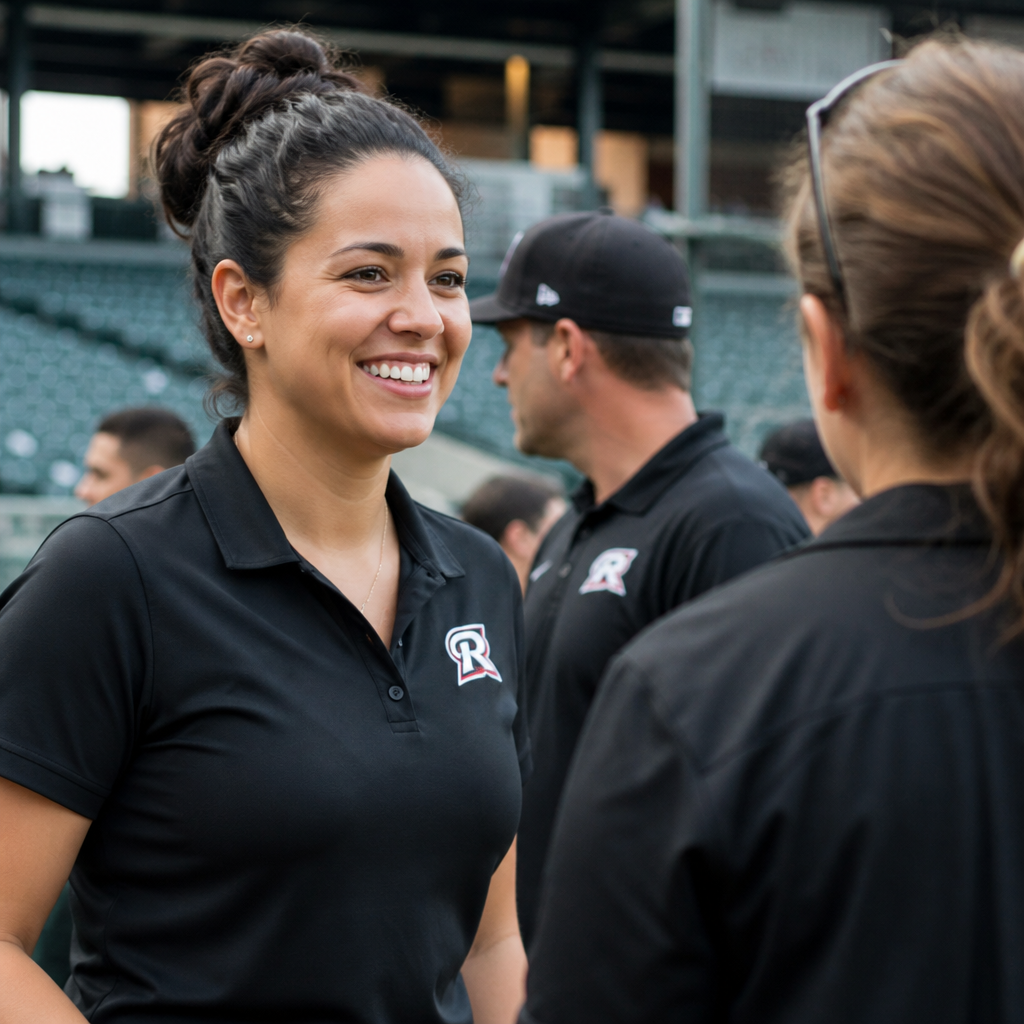
Promoting diversity in Minor League Baseball requires more than symbolic gestures; it demands structured women’s initiatives that change hiring, development, visibility, safety, and opportunity across every level of the game. In this context, women’s initiatives in Minor League Baseball include formal programs, club policies, league partnerships, and community efforts designed to increase participation and advancement for women as athletes, executives, coaches, umpires, broadcasters, trainers, marketers, and fans. I have worked on baseball content and organizational analysis long enough to see a consistent pattern: when teams treat inclusion as part of operations rather than a seasonal campaign, results compound. Staff pipelines improve, sponsorship conversations get easier, fan engagement broadens, and local credibility rises. This matters because Minor League Baseball sits closest to communities. It is where future major league staff members learn the business, where young fans form habits, and where clubs can test new ideas quickly. As a hub within the broader women in baseball topic, this article explains the main categories of women’s initiatives, why they work, where gaps remain, and how clubs can build practical programs that last beyond one promotional night.
Minor League Baseball is uniquely important in the push for gender inclusion because its structure blends player development with community entertainment. A club may employ full-time executives, seasonal game-day staff, grounds crews, content teams, interns, and outside partners, creating many access points for women to enter the sport. The challenge is that access alone does not guarantee advancement. Baseball has historically skewed male in leadership, scouting, coaching, and officiating, even as women have expanded their presence in front offices, athletic training, strength and conditioning, analytics, and media. Effective women’s initiatives address both entry and progression. They answer basic questions that parents, students, job seekers, and current employees ask: Is there a pathway into baseball for women? Are there mentors? Are facilities safe and professional? Will performance be evaluated fairly? Can women reach decision-making roles? The best clubs provide visible, practical answers. They connect local outreach with internal policy, align diversity goals with revenue and culture, and measure outcomes instead of relying on anecdotes. That is why this miscellaneous hub matters: it ties together the full ecosystem of women’s participation in Minor League Baseball.
Why Minor League Baseball Is a Critical Growth Space
Minor League Baseball is often the first place where the industry can correct its pipeline problem. Major League clubs may attract more headlines, but minor league teams handle the everyday realities of ticketing, sponsorship, operations, player support, fan services, and community programming with lean staffs. That environment can create opportunity for women to take broad responsibilities early in their careers. I have seen clubs where one coordinator handled social media strategy, in-game entertainment, charitable activations, and postgame reporting in the same week. That kind of cross-functional exposure builds future leaders fast.
The developmental nature of the minors also makes experimentation easier. Teams can partner with local colleges for women-focused internships, create mentorship breakfasts with female executives, invite girls’ baseball organizations for clinics, or host women in sports business panels without the bureaucracy of a larger enterprise. Many clubs already do versions of this through education days, theme nights, and nonprofit partnerships. The difference between a one-off event and a meaningful initiative is follow-through. A successful program has a recruitment channel, an internal owner, a budget line, and post-event conversion goals such as applications, repeat attendance, or mentorship matches.
Front Office Leadership and Hiring Initiatives
One of the clearest ways to promote diversity is to increase the number of women in front office roles with budget authority and supervisory responsibility. Entry-level hiring matters, but leadership representation changes policy. In Minor League Baseball, women work across ticket sales, corporate partnerships, marketing, finance, human resources, community relations, legal, merchandise, and ballpark operations. Clubs that make progress usually standardize hiring processes. They use structured interviews, wider job distribution, and skills-based evaluations rather than relying on informal referrals that often reproduce the same demographics.
Real progress also comes from job design. I have reviewed baseball job postings that asked for five years of direct baseball experience for roles that mainly required CRM proficiency, event planning, or digital marketing. That language can filter out qualified women from adjacent industries. Stronger postings define the actual competencies needed and welcome transferable experience from entertainment, college athletics, hospitality, or media. Teams using platforms such as TeamWork Online, Handshake, and LinkedIn can improve applicant diversity by widening sourcing and auditing conversion at each hiring stage.
Retention is just as important as recruitment. Women stay and advance when clubs provide clear promotion criteria, equitable parental leave, professional development budgets, and manager accountability. In baseball, small-market and small-staff realities are real limitations, but clarity costs less than turnover. A club does not need a massive human resources department to implement salary bands, onboarding checklists, anti-harassment training, and annual development planning. Those basics build trust.
Women in Coaching, Player Development, and On-Field Roles
Women’s initiatives in Minor League Baseball cannot stop at office doors. On-field inclusion has expanded through coaching, strength and conditioning, athletic training, nutrition, and mental performance. High-profile examples across professional baseball have shown that women can contribute directly to player development, and the minors are where those pathways become normal rather than exceptional. Players respond to competence, preparation, and communication. Once clubs commit to qualified hiring, resistance usually fades faster than outsiders expect.
There are practical barriers, however. Clubhouses and travel arrangements were historically built around all-male staffing assumptions. Teams that support women on the field address privacy, workspace access, reporting lines, and travel logistics before problems appear. That planning matters because operational friction can quietly undermine inclusion. A woman hired into strength and conditioning should not have to negotiate basic facility access every day.
Girls’ baseball outreach also belongs in this section. Minor league clubs can host clinics led by women coaches, partner with organizations such as Baseball For All, and create visible local role models. When girls see women instructing fundamentals, leading practices, and speaking with authority around the game, baseball feels more available. That changes participation over time.
Broadcasting, Media, and Fan-Facing Representation
Representation in public-facing roles influences who feels welcome in baseball. Women have made visible gains as broadcasters, public address announcers, beat writers, social media leads, photographers, and in-game hosts, yet underrepresentation remains noticeable in some markets. Minor league teams can move faster than larger organizations by giving women meaningful airtime, not just occasional features. A female broadcaster calling full games, a woman leading sponsor reads and interviews, or a female digital director shaping the team voice all signal that expertise is not gendered.
From an audience perspective, this matters because families notice who speaks for the club. Sponsors notice too. Brands increasingly ask whether partnerships align with inclusive community values. Clubs that can demonstrate women in visible leadership and media roles often have a stronger story for healthcare systems, regional banks, universities, and consumer brands looking for authentic local alignment. Good inclusion strategy therefore supports both reputation and revenue.
Community Programs, Education, and the Fan Pipeline
Community-facing women’s initiatives work best when they are built around recurring access instead of one-night recognition. Women in sports nights can be useful, but they are only an entry point. The stronger model combines events with education, networking, and youth participation. A club might host a panel featuring a general manager, athletic trainer, broadcaster, and sponsor executive; run a girls’ baseball clinic the next morning; then distribute internship information and college contacts. That sequence turns inspiration into action.
Minor league teams are particularly effective conveners because they sit at the intersection of schools, businesses, nonprofits, and municipal leaders. Clubs can partner with local high schools, women’s business associations, colleges with sports management programs, and youth leagues. These partnerships create a fan pipeline and a talent pipeline at the same time. I have seen clubs draw stronger attendance from community programs when they invite participants back with family ticket offers, recognition moments, and repeat touchpoints later in the season.
What Effective Women’s Initiatives Usually Include
The most effective women’s initiatives in Minor League Baseball share a set of practical components. They are visible, repeatable, measurable, and supported by leadership. They combine external programming with internal policy. They also recognize that women in baseball are not a single audience. A college student exploring sports careers, a mother attending games with children, a former softball player interested in operations, and a certified athletic trainer pursuing a baseball role all need different forms of support.
| Initiative area | What strong clubs do | Why it works |
|---|---|---|
| Hiring | Use structured interviews, wider sourcing, and skills-based job descriptions | Reduces bias and expands applicant pools |
| Development | Provide mentorship, conference access, and stretch assignments | Improves retention and promotion readiness |
| On-field support | Plan facilities, travel, and reporting processes in advance | Removes preventable barriers to performance |
| Community outreach | Pair themed events with clinics, panels, and internships | Converts awareness into participation |
| Visibility | Feature women in broadcasting, content, and leadership storytelling | Normalizes women’s authority in baseball |
| Measurement | Track applicants, hires, promotions, attendance, and feedback | Shows what is actually changing |
Challenges, Tradeoffs, and Where Clubs Still Fall Short
Not every initiative succeeds, and honest assessment is essential. The most common failure is treating women’s programming as a marketing theme instead of an operating priority. A club may host a polished event in March while maintaining opaque hiring, weak reporting systems, or no advancement planning the rest of the year. Employees notice that disconnect immediately. Another challenge is scale. Many minor league teams have small budgets and limited staff time. That reality can slow formal program design, but it does not excuse inaction. Some of the most effective improvements, including transparent postings, interview structure, mentorship matching, and facility planning, are process changes rather than expensive campaigns.
There is also a tendency to focus only on fan-facing wins because they are easier to photograph and sponsor. Internal culture is harder. It includes supervision quality, meeting dynamics, travel expectations, and whether women can disagree professionally without being penalized socially. Clubs serious about diversity train managers, not just interns. They also examine whether women hold revenue-driving and baseball-operations roles, not solely support positions. Progress is real in the industry, but uneven.
How This Hub Connects the Women in Baseball Conversation
As a sub-pillar hub, this page should direct readers to the full range of women in baseball topics: women executives, women broadcasters, women coaches, girls’ baseball development, internship pathways, workplace culture, and fan engagement strategy. Minor League Baseball is where those threads meet. It is the proving ground for careers and the front porch of the sport. When clubs invest in women’s initiatives, they do more than improve optics. They widen the labor pool, strengthen community relevance, and make baseball smarter and more resilient.
The central takeaway is simple. Promoting diversity through women’s initiatives in Minor League Baseball works when clubs build systems, not slogans. Start with hiring discipline, safe and functional workplaces, visible leadership, recurring community programs, and measurable goals. Then connect those efforts across departments so women are supported as applicants, employees, experts, and fans. For teams, leagues, educators, and sponsors, the next step is practical: audit your current programs, identify one structural gap, and build a year-round initiative that women can actually use.
Frequently Asked Questions
What do women’s initiatives in Minor League Baseball actually include?
Women’s initiatives in Minor League Baseball include far more than one-time events or awareness campaigns. In practice, they involve structured programs and policies designed to improve recruitment, retention, development, visibility, and leadership opportunities for women throughout the sport. That can mean targeted hiring practices for front-office roles, internships and fellowships for women interested in baseball operations, mentorship networks for coaches and athletic staff, and professional development programs for women working in media, marketing, player development, and stadium operations. These initiatives may also include partnerships with schools, nonprofit organizations, and national advocacy groups that help clubs build sustainable pipelines into baseball careers.
They also extend into the day-to-day environment of a team or league. Effective women’s initiatives often include anti-harassment standards, reporting systems, family-supportive workplace policies, equal access to training and advancement, and intentional efforts to feature women in visible positions such as broadcasters, on-field staff, executives, and community ambassadors. In other words, the goal is not simply to add women to existing structures, but to improve those structures so women can enter, contribute, lead, and stay. When Minor League Baseball organizations approach these initiatives seriously, they create a more credible and inclusive system that benefits employees, athletes, fans, and the long-term health of the game.
Why are women’s initiatives especially important in Minor League Baseball?
Minor League Baseball is a critical development space, which is exactly why women’s initiatives matter so much there. The minor league system is where future executives, coaches, trainers, scouts, and media professionals often get their start. If women are excluded, overlooked, or unsupported at this stage, the leadership pipeline for the entire sport remains narrow. By creating intentional access and advancement opportunities in the minors, organizations help shape a future baseball industry that reflects broader talent, wider perspectives, and stronger leadership at every level.
These initiatives are also especially important because minor league environments can be highly demanding. Staff often work long hours, budgets can be tighter than in the major leagues, and career paths may be less formalized. Without deliberate support, those conditions can make it harder for women to enter and remain in the field. Structured women’s initiatives help address that challenge by setting expectations, creating mentorship channels, improving workplace culture, and reducing barriers that have historically limited participation. They make diversity operational rather than symbolic, which is essential for any meaningful progress.
How can Minor League Baseball teams create meaningful opportunities for women beyond symbolic diversity efforts?
Meaningful opportunity starts with systems, not slogans. Minor League Baseball teams can move beyond symbolic diversity efforts by reviewing how they hire, promote, train, and support employees across departments. That includes writing job descriptions that invite broader applicant pools, advertising roles through women-centered sports and professional networks, building transparent criteria for advancement, and tracking who gets access to internships, leadership development, and decision-making opportunities. Teams should also establish mentorship and sponsorship programs so women are not only welcomed into organizations but actively guided toward long-term growth.
Just as important, clubs need to invest in workplace culture and infrastructure. That means clear conduct policies, practical reporting mechanisms, leadership accountability, and an environment where women can contribute without being isolated or tokenized. Teams can also create meaningful visibility by placing women in public-facing roles, featuring their expertise in broadcasts and team content, and involving them in baseball operations, not only support functions. Community programming matters too: clinics for girls, school partnerships, career panels, and local outreach can widen the future talent pipeline. Real progress happens when a club treats women’s inclusion as a business, leadership, and culture priority embedded in everyday operations.
What challenges do women still face in Minor League Baseball, and how do these initiatives help address them?
Women in Minor League Baseball may still face a range of persistent challenges, including underrepresentation in leadership and technical roles, limited mentorship, unconscious bias in hiring and promotion, uneven access to professional networks, and workplace cultures that have historically been shaped without their participation in mind. In some settings, women may also encounter skepticism about their authority or expertise, especially in coaching, player development, umpiring, scouting, or other baseball-specific roles that have long been male-dominated. These barriers can make advancement slower, increase turnover, and discourage talented professionals from pursuing baseball careers at all.
Well-designed women’s initiatives help by creating support structures that directly respond to those realities. Mentorship and networking programs reduce isolation and help women navigate career pathways. Leadership training and sponsorship increase access to advancement. Strong workplace policies improve safety, accountability, and trust. Inclusive hiring and evaluation practices help organizations identify qualified talent that may have previously been overlooked. Visibility efforts also matter because representation changes expectations; when women are seen succeeding as executives, broadcasters, trainers, and on-field professionals, it becomes easier for others to enter those roles and for organizations to normalize their presence. In that sense, these initiatives are not separate from baseball operations—they are a practical response to longstanding structural barriers.
How do women’s initiatives in Minor League Baseball benefit teams, communities, and the future of the sport?
Women’s initiatives strengthen teams by expanding the talent pool and improving the quality of ideas, leadership, and decision-making inside the organization. Clubs that invest in inclusion are better positioned to recruit capable professionals from a broader range of backgrounds and experiences, which can lead to stronger communication, better fan engagement, more creative business strategies, and healthier workplace culture. A more inclusive environment can also improve employee retention and reputation, both of which matter in a competitive sports industry where credibility and trust are valuable assets.
The benefits extend well beyond the front office. For communities, these initiatives create more visible pathways for girls and women to imagine themselves in baseball as players, professionals, and leaders. That can deepen local engagement, strengthen youth participation, and build stronger relationships between teams and the people they serve. For the sport as a whole, women’s initiatives help modernize baseball by making it more representative, sustainable, and responsive to the next generation. Minor League Baseball plays a unique role because it connects player development, local identity, and future industry leadership. When women are fully included in that system, the impact carries forward into every part of the game.