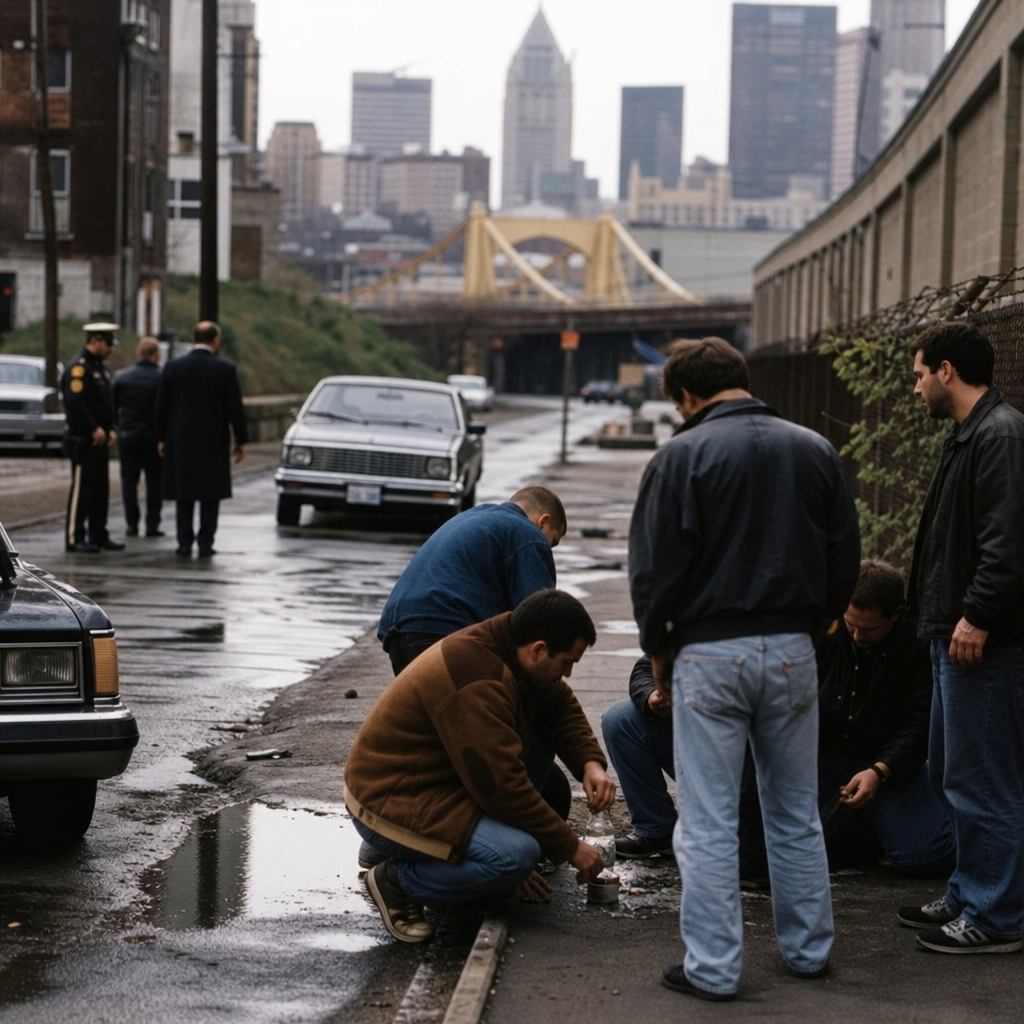
The 1980s drug scandals in Pittsburgh marked one of the city’s most turbulent civic chapters, exposing how cocaine trafficking, athlete involvement, nightclub culture, and uneven law enforcement collided during a decade already defined by economic upheaval. In this context, “drug scandals” means more than isolated arrests. It refers to a chain of public controversies involving professional sports figures, local dealers, social elites, police investigations, and courtroom testimony that made narcotics a defining public issue. Pittsburgh was not unique in facing the crack and cocaine crisis, but its experience stood out because the city’s identity was tied so strongly to blue-collar pride, neighborhood loyalty, and nationally visible sports franchises. When those institutions were drawn into drug cases, the scandals became symbolic of a broader loss of confidence.
I have found that any serious account of Pittsburgh in the 1980s must place these scandals alongside deindustrialization, population loss, and political anxiety. The collapse of steel did not cause drug crime by itself, but it reshaped the social landscape in which addiction, trafficking, and public corruption fears spread. Families saw jobs vanish, commercial districts weaken, and civic anchors strain under pressure. At the same time, cocaine moved through nightlife, suburban party scenes, and professional circles, while crack devastated poorer communities with exceptional speed. Public discussion often blurred these realities together, treating all drug issues as one story, even though powder cocaine, crack distribution, and recreational use in affluent spaces had different patterns and consequences.
This article serves as a hub for Pittsburgh’s miscellaneous scandals and controversies within the larger subject of the 1980s drug scandals. Rather than focusing on one indictment or one team, it maps the full landscape: the national drug climate, the Pittsburgh drug trials, the fallout for sports, policing controversies, neighborhood impact, media narratives, and the legacy that still shapes how the decade is remembered. For readers researching related cases, this page provides the central context. It answers the key question directly: why did the 1980s drug scandals matter so much in Pittsburgh? They mattered because they reached every level of city life, from street corners to luxury boxes, and forced Pittsburgh to confront class divisions, racial disparities, and institutional vulnerability in public view.
How the national drug crisis reached Pittsburgh
By the early 1980s, cocaine had become both a status drug and a fast-growing criminal market across the United States. Later in the decade, crack cocaine intensified violence, addiction, and enforcement pressure in many urban neighborhoods. Pittsburgh entered this era while dealing with severe industrial decline. Between the late 1970s and mid-1980s, the region lost tens of thousands of manufacturing jobs, especially in steel. That economic trauma did not automatically produce a drug scandal, but it did weaken social stability and widen the gap between prosperous enclaves and distressed communities. In practical terms, drug markets flourish where cash economies, despair, and weak local opportunity overlap.
Pittsburgh’s geography also mattered. The city’s dense neighborhood structure, nearby suburbs, highway access, and active nightlife created multiple channels for drug movement. Powder cocaine circulated through clubs, bars, private parties, and professional networks. Crack became more concentrated in poorer areas, where residents often had less political influence and more exposure to aggressive policing. In the reporting I have reviewed over the years, one recurring pattern stands out: public outrage rose fastest when prominent names were attached, even though long-term damage was often greatest in neighborhoods that received less sympathetic coverage. That split helps explain why Pittsburgh’s drug scandals were remembered as both celebrity-driven and deeply local.
The Pittsburgh drug trials and the sports connection
The most famous episode came in the mid-1980s, when a grand jury investigation and subsequent prosecutions tied cocaine distribution to a group of dealers and, through testimony, to several Pittsburgh-area athletes and sports figures. The proceedings were often called the Pittsburgh drug trials, and they drew intense national attention because they touched the Pirates, the Steelers, and the city’s broader sports culture. Testimony from dealers, especially those who had operated in nightclub and entertainment circles, described cocaine sales to players and other public figures. Some witnesses received plea arrangements, which made their claims powerful but also contested.
For Pittsburgh, the scandal cut especially deep because sports were more than entertainment. The Steelers and Pirates had helped define the city’s self-image in the 1970s and early 1980s. A drug case involving athletes felt, to many residents, like a moral injury layered onto economic decline. Several players were not accused of trafficking but were implicated as users or purchasers through testimony. That distinction mattered legally, yet in the public mind it often disappeared. Careers were damaged, reputations collapsed, and the line between allegation and conviction was frequently lost in headlines.
The trials also highlighted an important reality about 1980s drug enforcement: star power changes coverage, not necessarily legal principle. When a local dealer sold cocaine to unknown customers, it was a crime story. When testimony suggested transactions involving recognizable athletes, it became a civic drama. Reporters filled columns with questions about clubhouse culture, enabling behavior, and whether teams had ignored warning signs. Those questions remain central for anyone studying sports scandals in Pittsburgh, because they show how institutions struggle when private misconduct becomes public symbolism.
Key dimensions of Pittsburgh’s 1980s drug scandals
| Dimension | What happened in Pittsburgh | Why it mattered |
|---|---|---|
| Professional sports | Player names surfaced through dealer testimony and prosecutions tied to cocaine markets. | It turned drug enforcement into a national story and damaged civic trust. |
| Nightlife and social circles | Clubs, bars, and private parties acted as distribution and consumption spaces for powder cocaine. | Drug use crossed class lines and was not limited to stereotyped street markets. |
| Neighborhood drug markets | Crack and street-level dealing hit vulnerable communities hardest later in the decade. | Residents faced addiction, violence fears, and heavier police presence. |
| Law enforcement | Grand juries, informants, plea deals, and high-profile prosecutions shaped public understanding. | People debated fairness, selectivity, and whether enforcement was reactive or strategic. |
| Media coverage | Newspapers and television emphasized famous names and courtroom revelations. | Coverage amplified scandal but sometimes flattened social complexity. |
Nightlife, class, and the social spread of cocaine
One reason these scandals remain historically important is that they revealed how widely cocaine had spread across social boundaries. In 1980s Pittsburgh, powder cocaine was not confined to one neighborhood or one criminal stereotype. It moved through upscale bars, music venues, after-hours spaces, and private gatherings where businesspeople, entertainers, and athletes mixed. That pattern matched national trends. Before crack dominated public fear, powder cocaine often carried an aura of glamour in American popular culture, despite its obvious legal and health risks. Pittsburgh was fully part of that climate.
From a historical perspective, the class divide in public reaction was striking. Recreational cocaine use in affluent circles was frequently treated as shocking hypocrisy or personal downfall. Crack dealing in poorer neighborhoods was more often framed as a threat requiring suppression. The substances were chemically related, but public narratives differed sharply. In many cases, the same city that viewed athlete cocaine use as a tragic scandal viewed neighborhood drug defendants as disposable. Understanding Pittsburgh’s troubled times requires keeping both realities in view. The scandal was not only that famous people used drugs. It was that the city responded differently depending on who was involved and where the behavior occurred.
Policing, prosecution, and controversy
Law enforcement in Pittsburgh during the 1980s faced a difficult environment: rising public pressure, expanding narcotics markets, and a legal system increasingly reliant on informants and plea bargains. Those methods were standard across the United States, and they could uncover networks that ordinary patrol work would never reach. Yet they also generated controversy. Informants had incentives to reduce their own exposure, and defense attorneys often challenged their credibility. That issue was especially visible in high-profile Pittsburgh cases, where witness testimony could alter careers even without direct physical evidence tying every named person to a charged offense.
Another controversy involved selective visibility. Street-level arrests were common and produced statistics that politicians could cite. Higher-status users and facilitators were harder to reach unless a larger conspiracy case brought them into view. This imbalance fed mistrust in multiple directions. Some residents believed law enforcement protected the powerful until publicity made inaction impossible. Others believed prosecutors used celebrity-linked cases to create spectacle while leaving structural problems untouched. Both criticisms appeared in discussions of Pittsburgh at the time, and both reflect a real tension in drug policy: criminal law can punish transactions, but it rarely solves the social conditions that sustain markets.
There was also the broader national context of the war on drugs. Federal and state policies emphasized deterrence through harsher sentencing, asset seizures, and expanded narcotics enforcement. Pittsburgh agencies operated inside that framework. The result was a city where dramatic prosecutions could coexist with persistent neighborhood harm. As many historians now note, aggressive enforcement often produced uneven outcomes by race and class, even when officials described their goals in neutral terms.
Media coverage and public memory
Pittsburgh newspapers and local television played a decisive role in turning criminal cases into lasting civic memory. Daily reporting followed courtroom testimony closely, often spotlighting the most recognizable names and the most embarrassing details. That approach was understandable. News organizations respond to public interest, and few topics generate more attention than the intersection of drugs, fame, and hometown institutions. But coverage choices also shaped historical memory. A sensational testimony line might dominate front pages, while the slower realities of addiction treatment gaps, housing instability, or neighborhood trauma received less sustained emphasis.
Even now, many people remember the era through a few emblematic scenes: athletes named in court, shocked headlines, and a sense that Pittsburgh had been exposed. Those memories are real, but they are incomplete. The broader story includes ordinary families coping with addiction, community leaders demanding action, and residents criticizing both dealers and the systems around them. For researchers exploring miscellaneous scandals and controversies, this is the central lesson: the 1980s drug scandals were not one event. They were a cluster of overlapping stories that media condensed into a simpler moral drama.
The lasting legacy for Pittsburgh
The legacy of the 1980s drug scandals in Pittsburgh can still be seen in how the city discusses crime, sports ethics, and institutional responsibility. First, the scandals permanently altered the public image of several athletes and reinforced the idea that winning cultures can hide destructive habits. Second, they exposed the fragility of civic pride during economic crisis. Third, they left behind unresolved questions about unequal enforcement, especially between high-profile users and heavily policed neighborhoods. Those questions remain relevant when people assess later controversies involving opioids, police accountability, or celebrity misconduct.
For a hub article under scandals and controversies, the practical takeaway is clear. Any deeper article on Pittsburgh’s miscellaneous drug-related controversies should connect individual cases back to this larger framework: deindustrialization, class difference, sports celebrity, nightlife distribution, prosecutorial strategy, and media amplification. That is how the decade makes sense. Pittsburgh’s troubled times were not defined only by narcotics, and not only by scandal. They were defined by the collision between private vice and public identity, at a moment when the city could least afford another blow. If you are exploring related Pittsburgh controversies, use this page as your starting point and trace each later story back to the patterns established in the 1980s.
Frequently Asked Questions
What made Pittsburgh’s 1980s drug scandals so significant?
Pittsburgh’s 1980s drug scandals became so significant because they represented far more than a series of routine drug arrests. They unfolded at the intersection of celebrity, politics, nightlife, policing, and a city undergoing profound economic stress. As the steel industry declined, Pittsburgh was already struggling with unemployment, neighborhood instability, and a shaken civic identity. Against that backdrop, revelations about cocaine trafficking and the people connected to it carried unusual force. The scandals suggested that drug culture had moved well beyond the margins and into visible public life, touching athletes, club scenes, social figures, and institutions that many residents assumed were separate from street-level crime.
Another reason these scandals mattered so deeply was the way they played out in public. Courtroom testimony, police investigations, media coverage, and rumor fed one another, creating a sense that the city was confronting not just criminal behavior but a broader failure of accountability. Well-known names amplified the story. Once professional sports figures and other recognizable personalities were linked to drug use or trafficking networks, the issue stopped looking isolated and began to appear systemic. For many people, the scandal became a symbol of how status, access, and influence could shape who was exposed, who was protected, and who faced the harshest consequences.
In historical terms, the significance also lies in what the scandals revealed about the decade itself. The 1980s were marked nationwide by heightened fear over cocaine, especially crack cocaine, and by increasingly aggressive law enforcement responses. Pittsburgh’s experience reflected those wider trends but also had a distinctly local character. The city’s drug scandals exposed tensions between public morality and private behavior, elite spaces and working-class neighborhoods, and official narratives versus what residents believed was happening behind the scenes. That combination is what made the scandals such a defining civic episode.
How were athletes and sports culture connected to the drug scandals?
Athletes became central to the public memory of Pittsburgh’s 1980s drug scandals because professional sports carried enormous cultural weight in the city. Pittsburgh fans strongly identified with their teams, and athletes often occupied an elevated place in public life. When reports and testimony linked some sports figures to cocaine use, social circles involving dealers, or nightclub environments where drugs were circulating, the impact was immediate and dramatic. The issue was not merely that a few players were accused of bad decisions. It was that trusted local icons suddenly became part of a larger story about privilege, excess, and a city losing control over a growing problem.
The connection between sports culture and the scandals was also rooted in access and social environment. High-profile athletes often moved in circles where money, nightlife, and visibility overlapped. Nightclubs, parties, and exclusive social spaces created opportunities for contact with dealers and others participating in the cocaine economy. In many cities during that era, cocaine was associated not only with addiction and criminal markets but also with glamour, celebrity, and status. Pittsburgh was no exception. That made athlete involvement especially newsworthy, because it showed how the drug’s reach crossed class and occupational boundaries.
At the same time, it is important to understand that public fascination with athlete involvement could distort the broader picture. Media attention naturally focused on recognizable names, but the underlying scandal involved larger trafficking networks, enforcement decisions, and social conditions that extended well beyond sports. Still, the athlete angle mattered because it personalized the crisis. Fans who might have viewed narcotics enforcement as distant or abstract suddenly saw the scandal reflected in familiar local institutions. That helped turn drug controversy into a citywide reckoning over values, reputation, and responsibility.
What role did nightclub culture and social elites play in these controversies?
Nightclub culture played a major role because it served as one of the most visible settings where cocaine use, social networking, and public image overlapped. In the 1980s, clubs and late-night venues were often associated with status, entertainment, and access. In Pittsburgh, as elsewhere, that environment created conditions in which drugs could circulate among people who did not fit the traditional stereotype of drug offenders. Cocaine in particular was often linked to upscale nightlife, private parties, and scenes where professionals, entertainers, athletes, and socially connected individuals mingled. As a result, the scandals raised uncomfortable questions about whether the city had underestimated the extent to which drug culture had entered respected or glamorous spaces.
Social elites mattered because their presence complicated the usual public narrative around crime. When drug controversies involve only anonymous figures, communities often imagine the problem as confined to certain neighborhoods or socioeconomic groups. But when people with wealth, visibility, or social standing appear in testimony, investigations, or rumor networks, the public is forced to confront a more unsettling reality: drug markets can thrive through relationships that cross class lines. In Pittsburgh’s case, the scandals suggested that cocaine was not simply a street issue. It was also part of a broader social ecosystem that included influence, discretion, and selective visibility.
This aspect of the story also fed suspicion about unequal scrutiny. Residents often asked whether prominent social circles received softer treatment than less connected communities. Even when such concerns were difficult to prove in any single case, they became central to how people interpreted the scandals. The nightclub and elite social dimensions made the controversy feel less like a straightforward law enforcement matter and more like a test of whether the same standards applied to everyone. That perception helped give the scandals their lasting power in local memory.
Why was law enforcement’s response viewed as uneven or controversial?
Law enforcement’s response was viewed as uneven because the scandals unfolded amid longstanding concerns about who gets targeted, who gets investigated aggressively, and who benefits from discretion. In theory, anti-drug enforcement was supposed to apply broadly during the 1980s, especially as public alarm over cocaine intensified. In practice, many residents believed that treatment varied depending on class, race, neighborhood, and public stature. When rumors and testimony pointed toward people with influence while harsher penalties fell on less powerful defendants, critics saw not simply inconsistency but a pattern that reflected deeper inequalities in the criminal justice system.
The controversy was heightened by the nature of drug investigations themselves. Cases often depended on informants, negotiated testimony, surveillance decisions, plea arrangements, and prosecutorial strategy. That gave officials considerable discretion, which could be interpreted in different ways by the public. Supporters might argue that investigators were following evidence where it led and using available tools to reach higher-level participants. Skeptics, however, often saw selective pressure, headline-driven tactics, or a willingness to pursue some figures while avoiding others. In a city already dealing with institutional distrust and economic strain, those perceptions mattered enormously.
Another factor was the wider political climate of the decade. The 1980s saw a tougher national posture on drugs, but local enforcement outcomes often reflected uneven realities on the ground. Pittsburgh’s scandals therefore became a lens through which people examined broader concerns about fairness, media influence, and public accountability. The criticism was not only about whether arrests were made. It was about whether the system responded consistently when the accused included athletes, nightlife figures, local dealers, and socially prominent individuals. That question remains central to how the scandals are remembered.
What lasting impact did the 1980s drug scandals have on Pittsburgh’s public image and civic memory?
The lasting impact was substantial because the scandals became part of a larger story about Pittsburgh during a decade of disruption. The city was already coping with the collapse of major industries and the challenge of redefining itself economically and culturally. Against that backdrop, high-profile drug controversies reinforced a sense of instability and damaged civic confidence. For many observers, the scandals suggested that Pittsburgh’s troubles were not only economic but institutional and moral as well. They seemed to expose fractures in public trust, from sports and nightlife to policing and the courts.
In terms of public image, the scandals complicated efforts to present Pittsburgh as resilient, united, and grounded in strong community values. Headlines involving cocaine, celebrity names, and courtroom revelations carried national and regional embarrassment. They also challenged the city’s self-understanding. Pittsburgh has often been described through the language of hard work, loyalty, and neighborhood cohesion. The drug scandals introduced a more unsettling counter-narrative, one in which influence, secrecy, and social stratification shaped what became visible and what remained protected. That contrast gave the episode unusual emotional force.
In civic memory, the scandals endure because they still raise unresolved questions. People continue to debate how widespread the problem really was, whether institutions responded fairly, and how much of the public story was driven by spectacle versus substance. Historians and readers looking back on the period often see these controversies as a revealing case study in how a city under pressure can become especially vulnerable to crises that expose its internal contradictions. More than a sensational chapter, Pittsburgh’s 1980s drug scandals remain a window into the city’s struggles over identity, power, justice, and accountability during one of its most turbulent eras.