
The 1970s was a tumultuous time in global politics and economics, marked largely by the energy crisis that saw the surge in oil prices and had far-reaching effects across various sectors worldwide. Among the plethora of fields affected was the world of sports, with baseball being one of the prominent sports that felt the pinch. As an integral part of American culture, baseball’s interaction with societal issues offers a glimpse into the broader social dynamics of the era. This analysis delves into how the oil crisis of the 1970s impacted baseball, not just in terms of logistics and economics, but also in its cultural role and influence.
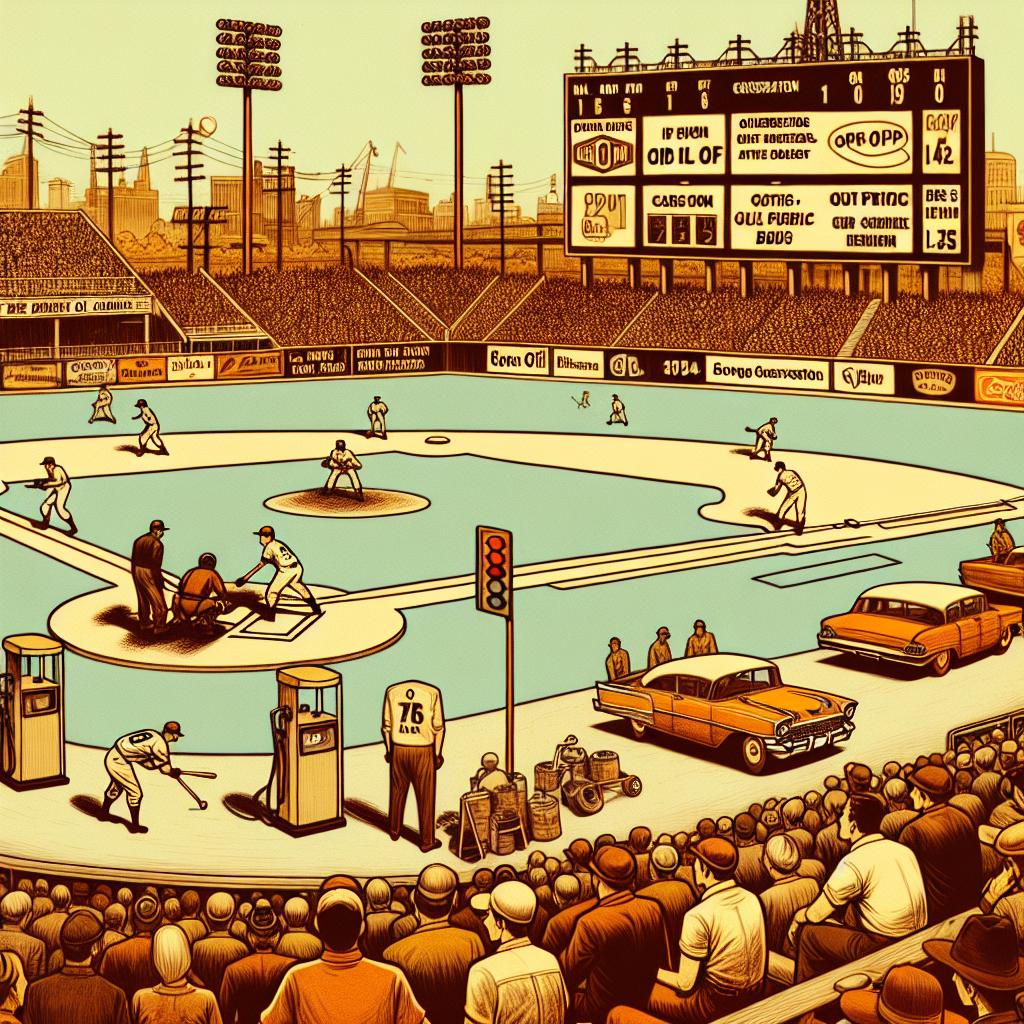
The first hint of trouble set in during the early 1970s with geopolitical tensions simmering in the Middle East. The oil embargo of 1973, a move by the Organization of Arab Petroleum Exporting Countries (OAPEC) in retaliation for US support of Israel, skyrocketed oil prices. Gasoline shortages occurred, leaving many Americans queuing for miles to fuel their vehicles. The ripple effect of these developments was wide-ranging and baseball, which relies heavily on domestic travel for games, was far from exempt. Moves to reduce energy consumption invariably trickled down to how the Major League operated, as teams grappled with new logistical challenges.
Logistical Challenges
The logistical challenges faced by Major League Baseball (MLB) during the oil crisis were compounded by the expansive geographic spread of the teams. The American and National Leagues, with teams spanning coast to coast, traditionally had a frenetic travel schedule. However, with the sharp increase in fuel prices, team owners confronted a critical challenge: the financial viability of maintaining such a schedule. Furthermore, the rise in operational costs due to the increased energy prices affected the finances of MLB teams across the board.
In response, teams had to adapt by seeking new solutions. Carpooling became more popular among local fans traveling to games, and teams took more charter flights instead of commercial ones. As some regions experienced more acute gasoline shortages, teams and venues sought ways to maximize efficiency—be it through better planning of player travels or exploring alternative modes of transport for team equipment and staff. This era significantly challenged the league’s inclination towards unrestricted game scheduling and travel, nudging it towards a more economically conservative approach.
Impact on Game Attendance
The increased cost of transportation posed unique challenges not only for players but also for fans, who found it increasingly expensive to attend games. As families had to spend more on essential commodities, baseball tickets could quickly evaporate from the list of priorities. This shift impacted game attendance, influencing revenue streams for teams reliant heavily on ticket sales and concessions. Ballparks, which for many families served as weekend destinations, saw a notable shift in demographics and attendance numbers.
In an effort to retain fans, baseball teams experimented with various promotional tactics, including offering discounted ticket packages and special rates on certain days. Community engagement in local markets was intensified, reaching out with tailored promotions aimed at retaining community loyalty. This period marked a new phase for baseball marketing strategies as a learning ground for maintaining engagement amidst socio-economic challenges.
The Role of Broadcast and Media
While the oil crisis posed significant challenges to in-person attendance, it simultaneously heralded an opportunity for both radio and television broadcasts. Media, particularly television, became a crucial avenue for fans to consume baseball content without physically attending games. This period marked a substantial pivot as more fans tuned into baseball games from the comfort of their homes, comforted by the stability and familiarity baseball brought during unpredictable times.
Broadcasters seized the opportunity, fostering deeper partnerships with the MLB to optimize viewership experiences. Television deals, advertisements, and media rights saw negotiation and innovation, setting the stage for the burgeoning influence of televised sports. As entertainment consumption patterns evolved, this incidental boost to baseball’s home-viewership laid groundwork for long-term broadcast strategies that are evident even today.
Cultural Reflection and Adaptation
Within the broader cultural fabric, baseball during the 1970s also mirrored the spirit of endurance and adaptation characteristic of the American populace during the crisis. The game continued to serve as an avenue for expression and unity, offering a respite and sense of normalcy amidst wider socio-economic upheavals. The resilience of baseball, its players, and its fans reflected the spirit of those times, symbolizing perseverance against odds.
Baseball legends of the era became symbols of tenacity, and historic games during this period emphasized skill and grit. The 1970s also saw iconic players emerge, who became cultural icons much beyond the boundaries of the baseball diamond, resonating with the nation’s unfolding ethos of overcoming adversity. Thus, even as Americans faced hardships due to the energy crisis, baseball achieved a deeper, more resonant cultural significance.
Lessons and Lasting Changes
The transformation experienced by baseball during the oil crisis laid roots for several long-term developments. Teams learned the importance of financial prudence, which has influenced budget planning and resource allocation decisions to this day. Emphasis on localized content and fanbase engagement became a staple marketing strategy in sports management thereafter.
The oil crisis also heightened awareness regarding sustainable practices and energy conservation within sports and in broader industry contexts. Lessons from disruptions underscored the need for contingency planning in sports operations—a need underscored by several subsequent global challenges. It also initiated discourse around the socio-economic role of sports and the responsibility sports franchises hold within their communities.
Conclusion
Reflecting on the 1970s oil crisis reveals profound insights into the interconnectedness of sports, economy, and culture. Baseball, a quintessential American pastime, showcases how international geopolitical disturbances can reverberate into cultural and economic domains far removed from the original flashpoint. Through resilience and adaptation, baseball survived a decade marked by uncertainty and emerged equipped to face future challenges.
The exploration of baseball during this period not only highlights the adaptability of the game and its stakeholders but also reinforces the cultural importance of sports as a pillar of society. As baseball channeled its strategic shifts and cultural engagements into a stronger framework, it helped shape not just spectator experiences but also the operational ethos that underpins modern sports administrations today. Hence, the historical scrutiny of how baseball navigated the oil crisis remains an enduring narrative of strategic evolution and cultural resilience.