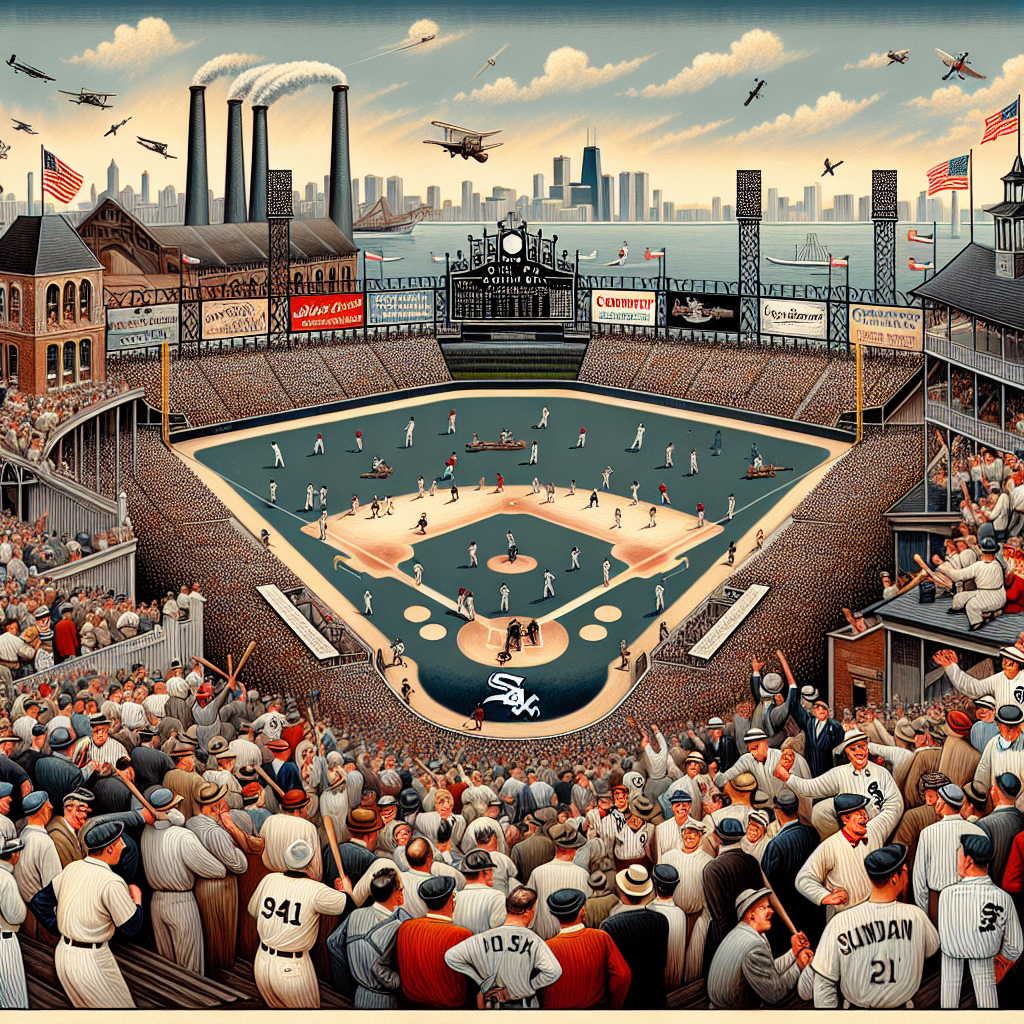
Comiskey Park, known as “The Baseball Palace of the World,” stands as an iconic monument in the history of American baseball. The stadium, which was the home of the Chicago White Sox for 80 years, witnessed generations of fans making memories and witnessed countless historic moments. Located in Chicago, Illinois, the ballpark was more than just a playing field; it was a part of the city’s cultural and social landscape. Opened in 1910 and named after the team’s founding owner Charles Comiskey, the park has seen it all—from the infamous 1919 Black Sox scandal to multiple pennant-winning teams and the first All-Star Game. This article delves deep into the legacy and history of Comiskey Park, exploring its impact on the sport of baseball and the community it hosted.
The Early Years and Construction
The construction of Comiskey Park began in 1909, following a meticulous decision by owner Charles Comiskey to create a state-of-the-art facility. Ground was broken on March 17, 1910, and the park was officially opened on July 1, of the same year. The opening game featured the Chicago White Sox playing against the St. Louis Browns, with the home team emerging victorious in a 2-0 shutout.
Designed by architect Zachary Taylor Davis, the park initially seated around 28,000 fans, one of the largest capacities at the time. Its architectural style included double-decker grandstands and steel-reinforced concrete, making it one of the most durable stadiums of its era. The park was also the first to feature an electronic scoreboard, revolutionizing the way fans experienced games. The construction cost, around $750,000, was a significant sum in the early 20th century, reflecting Comiskey’s commitment to offering the best facilities possible for both players and spectators.
The Black Sox Scandal
One of the darkest moments in the history of Comiskey Park, and indeed in baseball, was the 1919 Black Sox scandal. Eight players from the White Sox were accused of intentionally losing the World Series in exchange for money from gamblers. This scandal sent shockwaves through the sporting world and resulted in the permanent banning of the players involved. Despite this dark chapter, Comiskey Park continued to host memorable games and endured as a beloved venue for the fans.
The scandal was a turning point in baseball’s history, leading to significant reforms within the sport. It brought about the appointment of Kenesaw Mountain Landis as the first Commissioner of Baseball, who was tasked with restoring the game’s integrity. Despite the scandal, Comiskey Park continued to be a center of attention and hosted numerous significant baseball matches in the years that followed.
The 1933 All-Star Game
Comiskey Park was the site of the first-ever Major League Baseball All-Star Game on July 6, 1933. The game, which was held as part of the 1933 World’s Fair, brought an array of baseball’s biggest stars, giving fans a chance to see the best players of the American and National Leagues face off. Notable players included Babe Ruth, who hit the first home run in All-Star history, and Lou Gehrig.
The success of the All-Star Game at Comiskey Park helped establish it as an annual event, becoming a beloved tradition in baseball. Fans still remember the excitement and energy that surrounded the game, contributing to Comiskey Park’s legendary status. The park didn’t just host baseball games; it created moments that contributed to the lore and tradition of the sport.
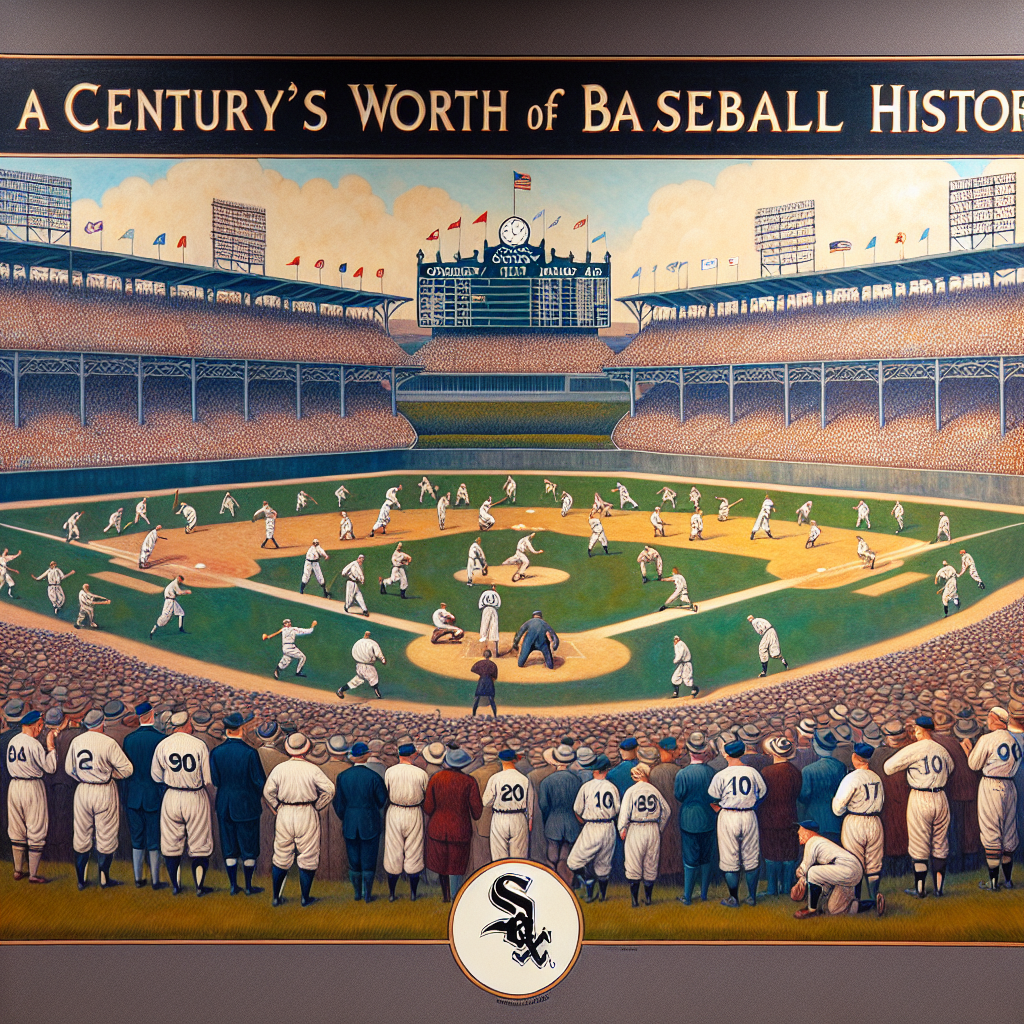
Renovations and Modernization
Comiskey Park saw multiple renovations over its history to keep up with the evolving needs of the sport and its fans. One of the most notable renovations occurred in 1961 when the park added an upper deck, increasing its seating capacity to over 52,000. This move was part of a broader effort to accommodate the growing fan base and enhance the overall game-day experience.
Other significant updates included the installation of a picnic area, new clubhouses, and improved dugouts. These changes reflect the park’s ability to evolve while retaining its historic charm. Despite the modernization efforts, Comiskey Park always maintained an aura of nostalgia, reminding fans of the many great memories made within its walls.
The End of an Era
The final game at Comiskey Park was played on September 30, 1990, when the White Sox defeated the Seattle Mariners 2-1. The closure marked the end of an era for White Sox fans and baseball lovers. Built to replace Comiskey, the new ballpark initially known as Comiskey Park II and later renamed U.S. Cellular Field, and Guaranteed Rate Field, aimed to carry forward the legacy of the original.
The demolition of Comiskey Park began shortly after the final game, and by early 1991, the historic structure was gone. However, the memories created at the park live on. Many fans still fondly recall the games they attended and the legends they witnessed. While the physical structure may not exist, its spirit continues to influence the current stadium and the community.
Legacy and Cultural Impact
Comiskey Park’s legacy extends beyond its role as a baseball stadium. It was a cultural landmark in Chicago, hosting not only baseball games but also boxing matches, concerts, and other significant events. It became a meeting place for communities, a venue where families created lasting memories and shared their love for the game.
The park also played a crucial role in shaping the identity of the Chicago White Sox. It symbolized the team’s resilience, ambition, and rich history. Even years after its demolition, Comiskey Park remains a beloved icon. Its legacy is preserved through countless stories shared by fans, memorabilia collected over the years, and its lasting influence on the design and atmosphere of contemporary ballparks.
Conclusion
Comiskey Park will forever be remembered as more than just a baseball stadium. It was a landmark filled with memories, a community gathering spot, and a place where history was made. Opened in 1910 and standing for 80 years, it hosted unforgettable games, witnessed moments of joy and sorrow, and became an integral part of Chicago’s identity.
As we look back on its storied past, we remember Comiskey Park as an enduring symbol of the passion and love for baseball. While the stadium is gone, its spirit and legacy continue to live on through the generations of fans who remember it fondly. It’s a testament to the lasting impact a venue can have on its sport and its city. Comiskey Park was, and forever will be, the heart and soul of the Chicago White Sox and a beloved chapter in the history of baseball.
Frequently Asked Questions
1. What made Comiskey Park such a significant venue in the history of baseball?
Comiskey Park, dubbed “The Baseball Palace of the World,” was not just a ballpark; it was a landmark in the annals of American sports. Opened in 1910, it was one of the earliest concrete-and-steel stadiums in the United States, setting a new precedent for future sports venues. This historic stadium was a stage for pivotal baseball moments, like hosting the first All-Star game in 1933. But it wasn’t just historical events that made Comiskey Park special; it was the tradition, the passion of the fans, and the soul of the sport that infused its atmosphere. For 80 years, it was the home of the Chicago White Sox, who played countless games and celebrated numerous victories there. As an integral part of Chicago’s cultural and social landscape, Comiskey Park was entwined with the lifeblood of the city, from its architecture to the generations of fans who cheered in its stands.
2. Who was Charles Comiskey, and why was the park named after him?
Charles Comiskey was a significant figure in early baseball history, both as a player and as an owner. Before becoming an owner, Comiskey had a successful career as a first baseman and manager. As a pioneering team owner, he founded the Chicago White Sox, and his name became synonymous with the legacy of this historic franchise. He was instrumental in the team’s success and in setting high standards for players and ballparks alike. Naming the stadium after him commemorated his contributions to both the sport and the city of Chicago. Comiskey’s influence was profound, as he was involved in early efforts to establish the American League. His vision for the sport’s growth was phenomenal, making him one of the most respected names in its history. Recognizing his legacy, Comiskey Park carried his namesake as a tribute to his enduring impact on the game.
3. What are some of the iconic moments that took place at Comiskey Park?
Comiskey Park was the backdrop to a plethora of legendary moments that have been engraved in the minds of baseball fans. One of its most famous events was the first Major League Baseball All-Star Game in 1933, which became a tradition that still continues today. The park also hosted three World Series championships, further deepening its historical significance. Beyond these remarkable events, Comiskey Park saw numerous landmark performances by stars like Babe Ruth and Mickey Mantle, not to mention classic games and fierce rivalries that made every season memorable. Another unique chapter in its history includes the infamous “Disco Demolition Night” in 1979, a promotional event that turned into chaotic cultural phenomenon. Each of these events, whether triumphant or tumultuous, added layers to the complex tapestry of Comiskey Park’s rich baseball narrative.
4. How did the community of Chicago view and interact with Comiskey Park?
To the community of Chicago, Comiskey Park was more than just a stadium; it was a cherished gathering place that bonded the city in a shared love for baseball. The park was woven into the fabric of Chicago’s South Side, where families and friends came together to celebrate baseball, share in the highs and lows of the sport, and create lasting memories. The neighborhood surrounding Comiskey Park grew up with the stadium, and local businesses and residents were deeply connected to the seasonal rhythms that brought throngs of fans to their doorsteps. Moreover, Comiskey Park was a place of public interaction and communal pride. Its games were opportunities for diverse sections of the city’s population to come together, find common ground, and revel in the spectacle of America’s favorite pastime. This connection fostered a sense of belonging and local pride, marking Comiskey as an emblem of the city’s vibrant culture.
5. Why did the Chicago White Sox eventually leave Comiskey Park?
After eight decades filled with cherished memories, the Chicago White Sox transitioned from Comiskey Park to a modern facility due to several compelling reasons. Structural concerns and limitations due to its age became apparent as the park struggled to accommodate the growing needs and comforts desired in more contemporary sporting facilities. The push for increasing fan comfort and embracing emerging technologies began in earnest. A desire to enhance the overall experience with state-of-the-art amenities led to the development of the new Comiskey Park, later renamed U.S. Cellular Field, and now Guaranteed Rate Field, situated just across the street. While leaving the historic stadium was met with nostalgia and sentiment from long-time fans, the new facility promised to honor the legacy of the old while building an exciting future for the franchise. The decision was as much about preserving the team’s competitive edge as it was about delivering modern experiences that today’s audiences expect in a sporting event.