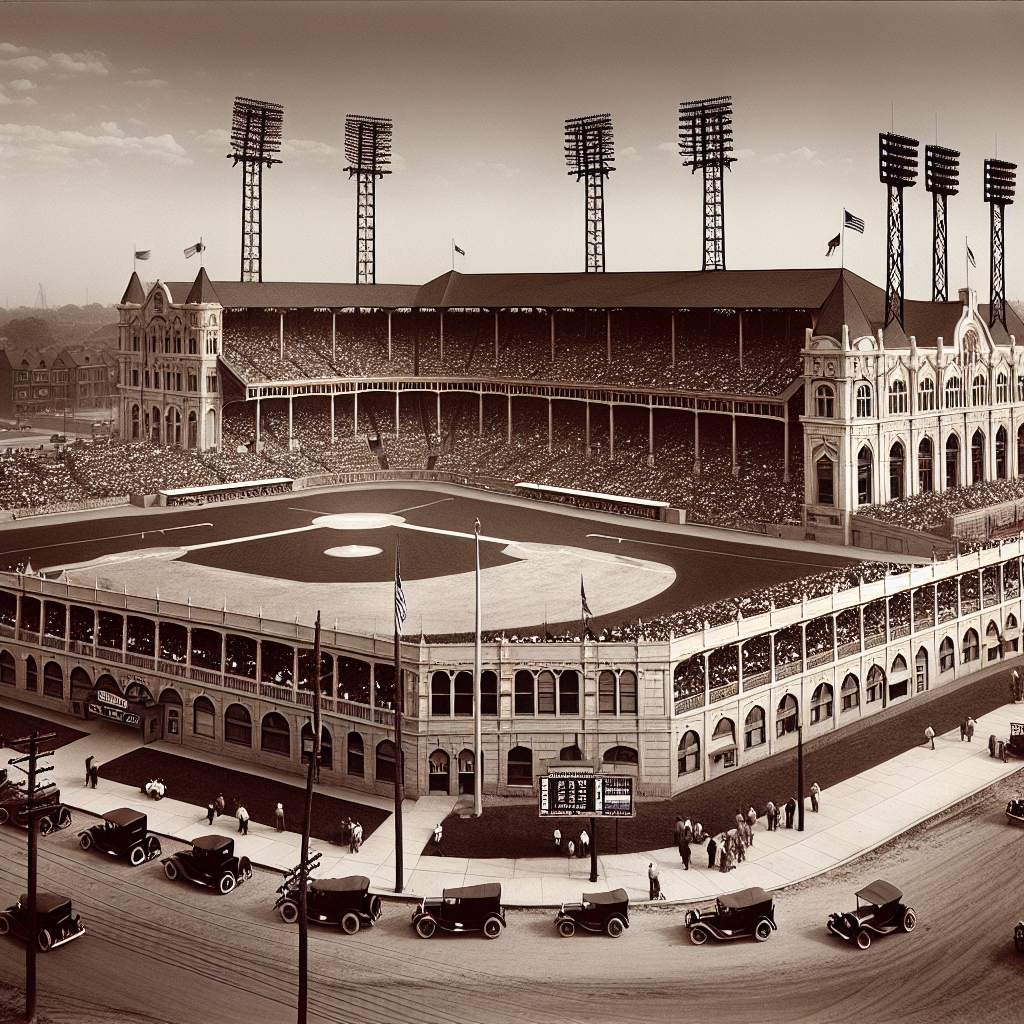
Tiger Stadium, originally known as Navin Field, has stood as an iconic symbol of baseball heritage for Detroit and the entire sports world. Nestled at the corner of Michigan and Trumbull, its hallowed grounds have witnessed countless memorable moments. From its opening in 1912 to its final game in 1999, Tiger Stadium played host to numerous Hall of Famers, historic games, and unforgettable fan experiences. With its distinctive architecture and intimate atmosphere, it served not only as a baseball diamond but as a community hub where memories were forged and legends were born. Whether you’re a die-hard Tigers fan or just a baseball enthusiast, the story of Tiger Stadium is one worth telling in its entirety.
This article aims to transport you back through the ages, providing a detailed chronicle of this storied ballpark. We will explore its inception, major renovations, noteworthy games, iconic players, and the eventual bittersweet farewell. We will also delve into its lasting legacy and what the stadium means to the city of Detroit today. Join us as we journey through nearly a century of baseball history at Michigan and Trumbull.
The Early Days: Navin Field (1912-1937)
When Tiger Stadium first opened its doors on April 20, 1912, it was known as Navin Field, named after then-owner Frank Navin. This was the same day that Fenway Park in Boston hosted its first game, marking a significant day in baseball history. Navin Field had a seating capacity of around 23,000 and was built on the same site where Bennett Park previously stood, ensuring continuation of baseball tradition in Detroit.
The ballpark was a modern marvel for its time. Its distinctive features included a single-deck seating bowl that hugged the playing field, providing an intimate experience for fans. Among the renowned early fixtures was Ty Cobb, one of the greatest hitters in the history of the game, whose career with the Detroit Tigers is synonymous with early baseball lore.
Navin Field quickly earned a reputation as one of the premier ballparks in America, known for its asymmetrical field dimensions. The right-field was particularly short, only 325 feet from home plate, a feature that hitters loved. Legendary games and incredible feats became common here, setting the stage for what would become nearly a century of storied baseball history at the corner of Michigan and Trumbull.
Transition and Transformation: Briggs Stadium (1938-1960)
In 1938, Navin Field was renamed Briggs Stadium after Walter Briggs, who took over ownership following Frank Navin’s death. This era was marked by significant transformations, both in the stadium itself and in the team’s fortunes. Walter Briggs invested heavily in the ballpark, expanding the seating capacity to over 53,000 and adding a second deck that gave the stadium a more imposing presence.
During this period, the Tigers enjoyed considerable success on the field. In 1945, under manager Steve O’Neill, the team won the World Series, defeating the Chicago Cubs in seven games. Key players from this era include Hank Greenberg, Charlie Gehringer, and Hal Newhouser, whose performances further cemented Tiger Stadium’s reputation as a baseball cathedral.
The stadium’s transformation into a multi-tiered structure made it one of the largest and most modern ballparks of its time. However, its quirky dimensions remained, making for exciting and unpredictable gameplay. Fans continued to flock to the ballpark in droves, drawn by the promise of thrilling baseball and the communal spirit of game day.
The Golden Era: Tiger Stadium (1961-1980)
In 1961, the ballpark was once again rechristened, this time as Tiger Stadium, a name it would carry for the rest of its existence. This period is often considered the golden era of the stadium, with a combination of on-field success, memorable moments, and cultural significance.
The 1968 season stands out as a high point in this era. The Tigers, led by pitcher Denny McLain, who won an astounding 31 games, captured the American League pennant. They went on to win the World Series in a dramatic seven-game series against the St. Louis Cardinals. Key moments, such as Mickey Lolich’s three complete-game victories and Gates Brown’s pinch-hit heroics, are forever etched in the collective memory of Tiger Stadium’s faithful.
Also significant during this time was the rise of television and radio broadcasting, which brought the sights and sounds of Tiger Stadium into homes across America. Legends like Al Kaline and Willie Horton became household names, contributing to the lore and legend of the stadium. It was during these years that the ballpark solidified its place as an indelible part of American sports culture.

Challenges and Changes: Tiger Stadium (1981-1999)
The final two decades of Tiger Stadium were marked by both highs and lows, reflecting broader changes in the city of Detroit and the sport of baseball. Despite the challenges, the stadium continued to be a beloved venue for fans and players alike.
One of the defining moments of this period came in 1984 when the Tigers captured another World Series title. Under manager Sparky Anderson, the team stormed through the season, going 35-5 in their first 40 games, a record-setting start that set the tone for their championship run. The team’s success revived the city’s spirits, and the stadium once again served as a focal point for communal celebration.
However, the aging ballpark also faced numerous challenges. Structural concerns and the rise of modern, multi-use stadiums led to discussions about the future of Tiger Stadium. Despite these issues, the park remained a beloved, albeit nostalgic, fixture in the baseball world. The quirky characteristics that had defined Tiger Stadium for so long — like the overhanging right-field upper deck — continued to endear it to fans who appreciated its unique charm.
The Farewell Game: September 27, 1999
The final game at Tiger Stadium was a bittersweet farewell, attended by tens of thousands of emotional fans. On September 27, 1999, the Detroit Tigers faced the Kansas City Royals in what would be the last official game played at the storied ballpark. It was a day filled with ceremony and remembrance, honoring nearly a century of baseball history.
The game itself was unremarkable in terms of standings but monumental in terms of sentimental value. Fans packed the stands to capacity, and many notable Tigers alumni were present, including Al Kaline, who threw out the ceremonial first pitch. The Tigers won the game 8-2, giving the stadium a fitting send-off.
As the final out was recorded, a palpable sense of nostalgia swept through the crowd. The players conducted a victory lap around the field, interacting with fans who had supported them through thick and thin. The day ended with a dramatic lowering of the flag and a powerful rendition of “Auld Lang Syne,” leaving no dry eyes in the house.
The Legacy: From Hallowed Grounds to The Corner Ballpark
After the Tigers moved to Comerica Park, Tiger Stadium stood vacant for several years, its future uncertain. The eventual demolition in 2008 was a heartbreaking moment for many fans. However, the spirit of Tiger Stadium lives on in various ways.
The site where the stadium once stood is now home to The Corner Ballpark, a community recreational center with a new baseball field that retains the original dimensions of Tiger Stadium. The new facility hosts youth baseball games and other community events, ensuring that the legacy of baseball at Michigan and Trumbull continues.
Memorabilia and parts of the original stadium, such as seating and turf, were preserved and sold to fans, keeping a piece of Tiger Stadium alive in homes across America. The history and stories associated with the stadium are perpetuated through books, documentaries, and websites like ours.
Most importantly, Tiger Stadium remains a cherished memory for those who experienced its magic firsthand. It is remembered not just as a place where games were played, but as a cornerstone where community, family, and baseball intersected in the most meaningful ways. Its enduring legacy is a testament to its monumental place in the annals of baseball history.
Conclusion
Tiger Stadium at the corner of Michigan and Trumbull is more than just an architectural relic; it is a monument to the rich history of baseball and the spirit of Detroit. From its early days as Navin Field, through its transformation into Briggs Stadium, and finally its golden years as Tiger Stadium, this ballpark has been a cornerstone of American sporting culture.
Over nearly nine decades, the stadium witnessed historic events, legendary performances, and unforgettable fan experiences. It hosted icons of the game, from Ty Cobb to Al Kaline, and was the stage for dramatic World Series victories and memorable everyday moments alike. Despite the challenges and eventual closure, the soul of Tiger Stadium continues to resonate within the hearts of those who experienced its magic.
Though it may no longer stand, the spirit of Tiger Stadium is alive in the memories of its fans and the ongoing community efforts at The Corner Ballpark. As we celebrate the history of this iconic ballpark, we honor a space that was so much more than a sports venue; it was a gathering place, a community landmark, and a hallowed piece of baseball history.
In honoring Tiger Stadium, we remind ourselves of the enduring power of sports to bring us together, to create shared experiences, and to build lasting legacies. As the legacy of this storied ballpark continues, so does its influence on future generations of baseball fans.