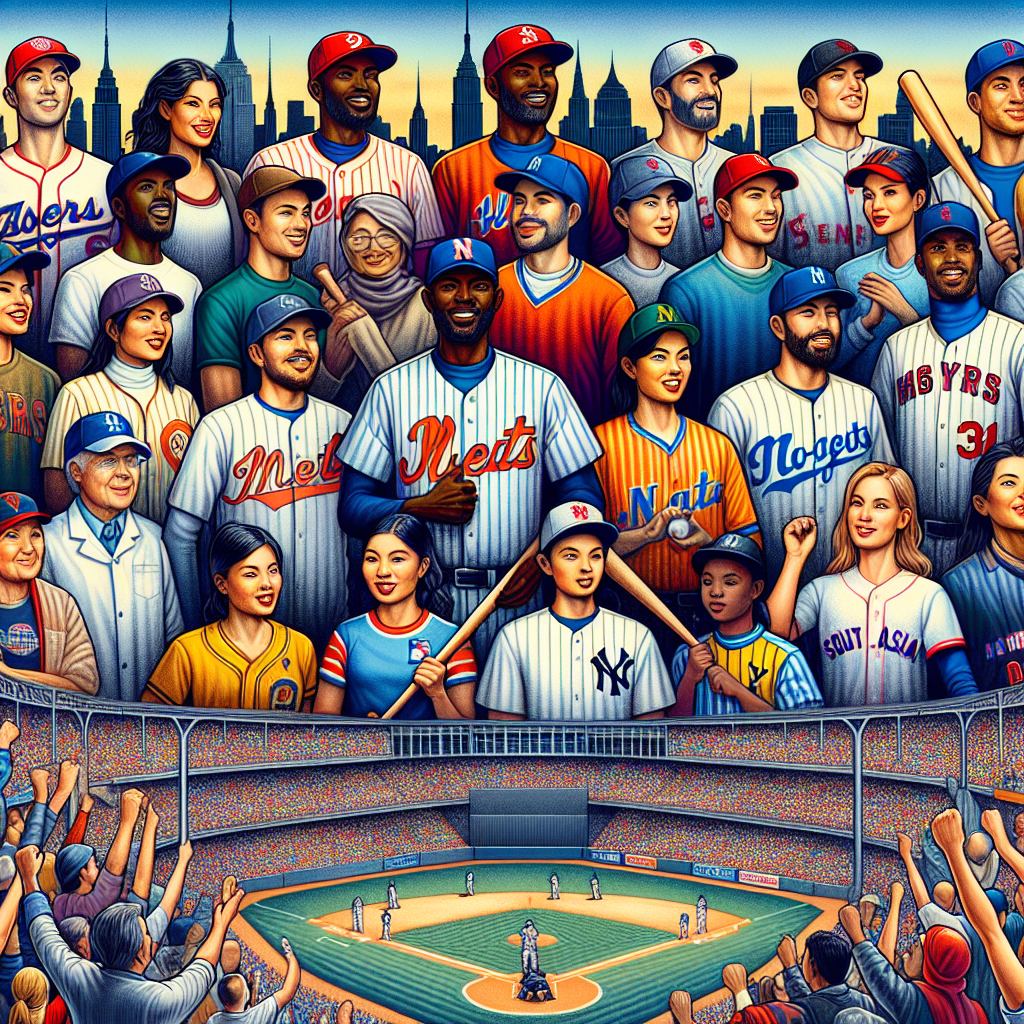
The majestic game of baseball, often celebrated as America’s favorite pastime, has a history that’s as vibrant and diverse as the nation itself. The early history of baseball reveals fascinating insights into how the sport expanded and evolved rapidly across the United States, attracting crowds, spawning rivalries, and building the foundation of what would become a professional and beloved sport. The era of expansion brought along the inclusion of new cities and teams, as well as pivotal changes in the game’s structure and play, making it a vital chapter in the chronicles of baseball.
By the mid-19th century, baseball began transitioning from a leisurely amateur pursuit to a structured and competitive sport, thanks in part to the establishment of the National Association of Base Ball Players (NABBP) in 1857. This association standardized the rules, facilitated organized matches, and set the stage for the blossoming of baseball clubs.
However, it wasn’t until the latter part of the 19th century that baseball truly began to see significant expansion. As America’s urban landscapes grew and transportation improved, so did the opportunity for other cities to form their own teams, challenge existing ones, and foster a competitive spirit that transcended local boundaries.
In this article, we’ll journey through baseball’s early days, exploring the momentous inclusion of new cities and teams, their impact on the sport’s growth, and the legacy they left behind, setting the stage for the global phenomenon we know today.
Baseball Takes Root in Urban America
As industrialization in America surged in the late 19th century, urban areas boomed and so did recreational activities. Baseball, with its simple premise and engaging play, became the sport of choice for many young men seeking leisure and camaraderie. Cities such as New York, Boston, Philadelphia, and Chicago became early hotbeds of baseball activity, each developing its own unique baseball culture and rivalries.
The establishment of teams like the New York Knickerbockers in the 1840s and the Cincinnati Red Stockings in 1869 marked critical points in baseball history. The Red Stockings, recognized as the first professional baseball team, catalyzed a wave of professionalism across the sport. Their success and popularity illustrated that baseball could draw significant public interest and financial backing, encouraging other cities to form and support their own teams.
This urban expansion was facilitated by the spread of railroads, making it easier for teams to travel and play against one another, further promoting regional and eventually national competitions. Baseball parks began to spring up, pushing the sport from informal playing fields to designated stadiums that could host thousands of eager fans.
Baseball’s adoption by urban America wasn’t merely about the sport itself; it mirrored the growing cities’ own ambitions and competitive spirits. Teams became extensions of their city’s identity, local pride was interwoven with team success, and what started as a pastime soon evolved into a pillar of American culture and entertainment.
The Advent of the National League
One of the most pivotal moments in the early history of baseball was the formation of the National League (NL) in 1876. This new league was the brainchild of William Hulbert and Albert Spalding, who envisioned a more structured and commercially viable form of baseball compared to the loosely organized NABBP.
The National League aimed to stabilize the sport by enforcing adherence to rules, securing regular schedules, and eliminating the influence of gambling which was rampant at the time. It also introduced the concept of franchising, where teams were part of a unified league rather than just informal aggregations.
Initial teams in the National League included the Boston Red Stockings, Chicago White Stockings, and the St. Louis Brown Stockings. These teams represented major urban centers and quickly built fanbases that were enthusiastic and loyal. The league’s organization also led to increased media coverage, with newspapers dedicating columns to match reports, player statistics, and team standings.
The success of the National League demonstrated the potential profitability and popularity of baseball, encouraging even more cities to form teams and seek inclusion in organized leagues. This period saw the emergence of baseball as a professional sport where players could earn a living, and some even become legends who captivated the imagination of fans.
Challenges and Competition: The American League Emerges
The early popularity and financial success of the National League didn’t go unnoticed and led to the birth of a competitor: the American League (AL). Established in 1901 and headed by Ban Johnson, the American League aimed to provide a more player-friendly and progressive alternative to the NL.
The rivalry between the National League and the American League was intense and led to a bidding war for talented players. This competition was beneficial for the sport’s growth as it improved player salaries and conditions, encouraging more athletes to pursue baseball professionally. Cities that already had NL teams now saw the introduction of AL teams, broadening the fanbase and regional allegiances even further.
The American League also capitalized on the under-served cities that lacked major league baseball, extending the reach of professional baseball even further. Teams such as the New York Yankees, Cleveland Indians, and Chicago White Sox brought fresh excitement and rivalries to the sport.
By 1903, the tension between the leagues prompted the creation of the first World Series, pitting the champions of each league against one another. This annual event became the pinnacle of professional baseball, symbolizing the ultimate competition and drawing nationwide attention. The inclusion of new cities and teams continued, knitting a rich tapestry of fandom that crisscrossed the United States.
Cultural Impact and Societal Change
The expansion of baseball into new cities and the advent of professional leagues had significant cultural and societal impacts. Baseball parks became inclusive spaces where people from various walks of life could congregate and share their love for the game, fostering a sense of community and unity.
Additionally, baseball played a substantive role in the social integration of immigrants and the working class. As the game spread to cities with dense immigrant populations, it became a means of assimilation and cultural exchange. Players from diverse backgrounds ascended in the ranks of baseball, proving their mettle and inspiring countless others.
Though the professional leagues in the early 20th century were segregated, with African American players barred from National and American Leagues, the sport nonetheless provided a platform for future progress. The Negro Leagues, established in the 1920s, showcased the immense talent and competitiveness of black players, paving the way for the eventual desegregation of the sport.
Baseball’s expansion also had an economic ripple effect, with local businesses thriving on game days and the sport stimulating the growth of industries related to sports, such as media, merchandise, and concessions. It wasn’t just a game; it was an economic driver in urban settings and a source of countless stories and legends that both reflected and shaped American culture.
The Role of Media in Baseball’s Growth
One of the key elements behind the rapid spread and popularity of baseball in its early years was the role of media. Newspapers, radio broadcasts, and eventually television played a crucial part in bringing the game to the masses and ensuring its place in American culture.
Early baseball coverage in newspapers provided fans with game results, player statistics, and engaging play-by-play descriptions that brought the excitement and drama of the game to life. Sportswriters became influential figures, their columns forming the primary lens through which many fans experienced the sport.
With the advent of radio in the 1920s, the reach of baseball extended even further. Live broadcasts of games enabled fans from across the country to listen in real-time, turning the sport into an auditory spectacle. This accessibility helped strengthen the bond between fans and their local teams, even when they couldn’t attend games in person.
Television, arriving midway through the 20th century, revolutionized the way people experienced baseball. For the first time, fans could watch live games from the comfort of their homes, witnessing the nuances and strategic complexity of the sport. This visual connection not only widened baseball’s audience but also enhanced fan engagement and loyalty.
The media’s role in publicizing baseball can’t be overstated. It not only provided coverage but also ceremonialized the sport, elevating it to an integral part of American life. Public heroes and legends were born through the narratives woven by sports journalism, ingraining baseball within the ethos of American identity.
Conclusion
The early history of baseball and its expansion through the inclusion of new cities and teams offers a captivating story of growth, competition, and cultural significance. This period laid the foundation for what would become a professional, commercial, and beloved sport that brings together communities and generations.
From its amateur roots to the structured leagues of the National and American leagues, baseball’s journey mirrors America’s broader narratives of industrialization, urbanization, and societal change. Team rivalries, fan fervor, and the economic and cultural impacts of the sport have left a lasting legacy that continues to shape the modern game.
As we celebrate baseball’s storied past, we acknowledge the visionaries, the players, and the fans whose passion and dedication propelled it forward. The expansion into new cities and the inclusion of diverse teams not only broadened the sport’s reach but also enriched its soul.
Baseball’s early days teach us about the transformative power of sports in society. As the game continues to evolve, honoring its past while embracing new possibilities ensures that baseball remains, at its core, a cherished element of American culture, transcending time and uniting millions in a collective love for the game.