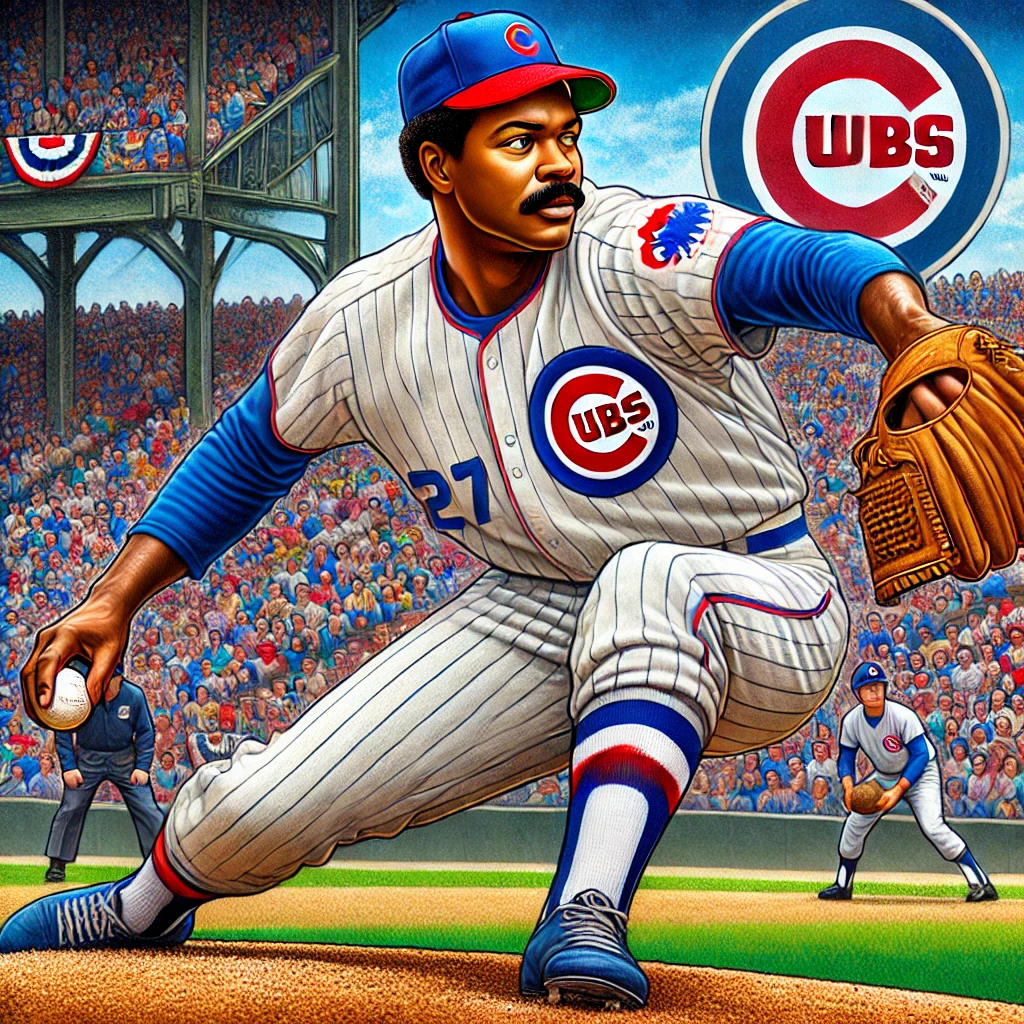
Canada may not be the first country that springs to mind when you think of baseball, but it has produced some exceptional talents that have left a significant mark on the game. Among these, the name Fergie Jenkins stands out as an iconic figure. Born in Chatham, Ontario, Jenkins’ career in Major League Baseball (MLB) has been a source of pride for Canadians and baseball fans around the globe. From his exceptional pitching skills to his numerous accolades, Jenkins has truly been Canada’s gift to baseball.
Born on December 13, 1942, to parents of mixed heritage—one of European descent and the other African-American—Ferguson Arthur Jenkins Jr. grew up in a modest household. As a child, he was not just multi-talented in sports but also particularly excelled in basketball and hockey, the latter often overshadowing baseball in Canada. However, Jenkins was destined to carve his niche in baseball’s annals.
Starting his career in the late 1960s, Jenkins quickly made a name for himself with the Philadelphia Phillies. However, it was his tenure with the Chicago Cubs that really set the tone for the rest of his illustrious career. Armed with a consistently strong fastball, pinpoint control, and an outstanding work ethic, Jenkins emerged as one of the most dominant pitchers of his time.
Throughout the following decades, Jenkins showcased his impeccable skill set across various teams, ultimately retiring with accolades that are a testament to his enduring excellence. His journey has inspired countless young athletes, solidifying his place not just in Canadian sports history but in the global baseball community. This article delves into Jenkins’ remarkable career, outlining his achievements, discussing his legacy, and underscoring his significance to both Canada and the sport of baseball.
The Early Years and Path to the MLB
Growing up in Chatham, Ontario, Jenkins was exposed to multiple sports, excelling particularly in basketball and hockey. Baseball, however, held a unique allure for him. His raw talent was evident early on, attracting the attention of scouts and coaches. Though he initially played for local teams, Jenkins’ skill set quickly outgrew the minor leagues.
He started his professional career in the late 1950s, initially joining the Philadelphia Phillies’ minor league system. Early on, he faced the usual challenges of any athlete transitioning from local baseball to the more competitive minor leagues. But Jenkins was no ordinary athlete; his robust work ethic and natural talent helped him rise through the ranks.
By the mid-1960s, Jenkins had proven himself as a formidable pitcher in the minor leagues, setting the stage for his debut in Major League Baseball with the Philadelphia Phillies in 1965. Although his early years in the MLB were spent shuttling between the minor leagues and the big league, these formative years were invaluable. They provided Jenkins with the experience and seasoning required to excel at the highest level.
In 1966, Jenkins was traded to the Chicago Cubs, a move that turned out to be pivotal in his career. This change of scenery offered him the opportunity he needed to showcase his talent fully. At Chicago, Jenkins became a regular starter, demonstrating his remarkable consistency and endurance on the mound. These early years set the foundation for a career that would eventually lead to Hall of Fame induction and numerous accolades, establishing Jenkins as one of the preeminent pitchers of his era.
Chicago Cubs and Peak Performance
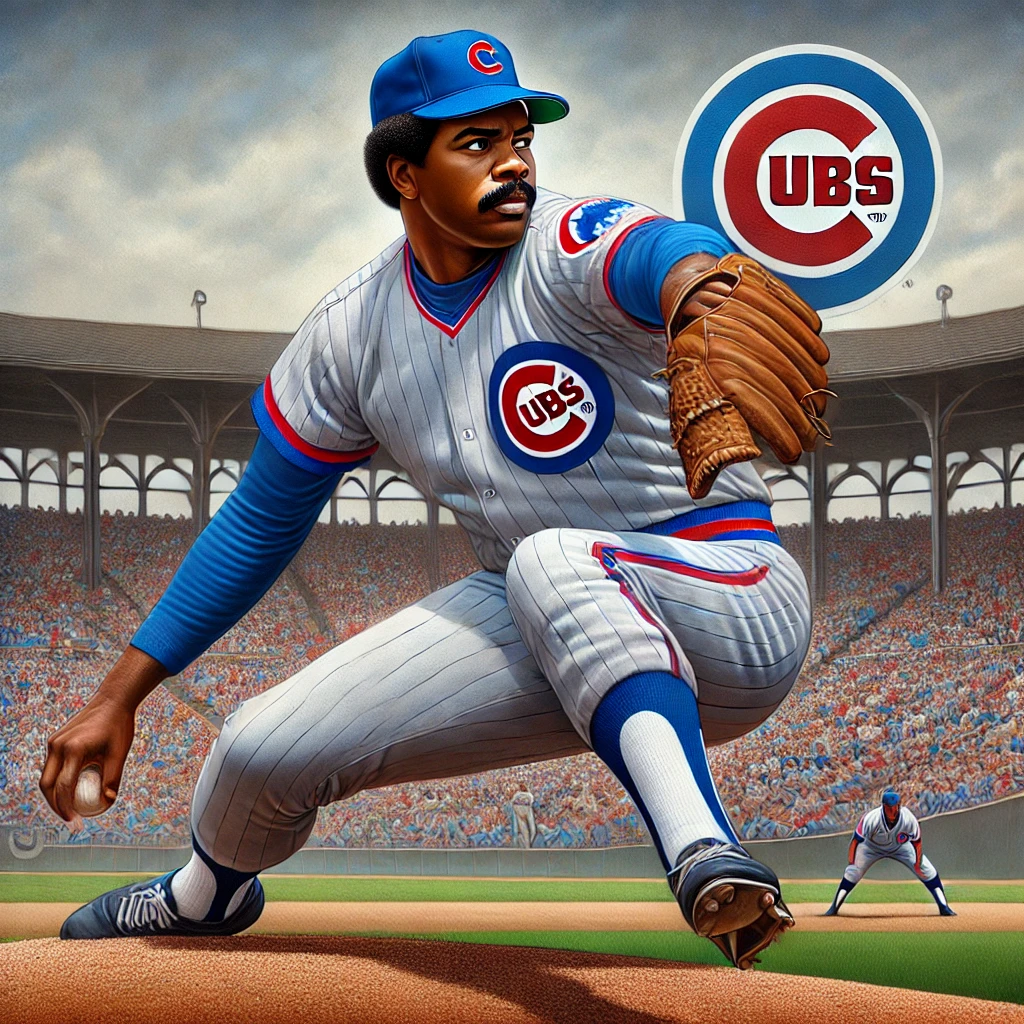
The pivotal moment in Jenkins’ career came when he was traded to the Chicago Cubs in 1966. Here, Jenkins truly came into his own, establishing himself as one of the premier pitchers in the league. During his tenure with the Cubs, he achieved 20-win seasons for six consecutive years from 1967 to 1972, a feat that placed him among the elite pitchers of his time.
Jenkins displayed remarkable consistency and durability, often completing games single-handedly. In an era when pitchers were expected to grind through complete games, Jenkins stood out by consistently delivering stellar performances. His mastery of various pitches—fastball, slider, and curveball—made him a formidable opponent for batters.
One of Jenkins’ career highlights came in 1971 when he won the Cy Young Award, a testament to his dominance that season. During that remarkable year, he posted a 2.77 ERA, completed 30 games, and struck out 263 batters. These statistics not only underscored his pitching prowess but also his ability to maintain peak physical condition throughout the grueling MLB season.
His time with the Cubs was not only marked by personal achievements but also by his leadership on the team. Jenkins was a role model to younger players and a workhorse who was always willing to go the extra mile for his team. His excellence on the mound earned him multiple All-Star selections, cementing his legacy as one of the all-time greats in Chicago Cubs’ history.
Later Career and Ventures Beyond Chicago
After his illustrious period with the Chicago Cubs, Jenkins moved on to different teams, continuing to display his exceptional pitching skills. He was traded to the Texas Rangers in 1974, where he enjoyed several productive seasons. Jenkins achieved another remarkable milestone by recording his second 20-win season with the Rangers in 1974.
Jenkins’ tenure with the Texas Rangers further solidified his reputation for consistency and durability. He continued to exceed expectations, demonstrating that age was just a number when it came to his skill level. Following his stint with the Rangers, Jenkins returned to the Cubs for a brief period before making his way to the Boston Red Sox.
Although he was moving between teams, Jenkins never let up on his commitment to the sport. Each new team and season presented fresh challenges, but Jenkins remained a reliable asset, contributing significantly to whichever team he was part of. His tenure with the Boston Red Sox, though short-lived, saw him pass several milestones, adding to his remarkable legacy.
Fergie Jenkins finally retired in 1983, ending a career that spanned nearly two decades and multiple teams. Throughout his career, Jenkins showcased not just incredible skill on the mound but also an undying passion for the game. His ability to adapt to different teams and situations highlighted his versatility and tenacity as a pitcher.
Accolades and Recognition
Fergie Jenkins’ career was adorned with numerous accolades, each highlighting a different aspect of his prowess and dedicated work ethic. In 1991, he was inducted into the Baseball Hall of Fame, a fitting recognition of his contributions to the sport. This induction was significant not only for Jenkins but also for Canada, marking him as the first Canadian to receive this honor. This milestone immortalized Jenkins in the annals of baseball, ensuring his legacy would be remembered for generations.
Jenkins also accumulated several other awards throughout his career. His 1971 Cy Young Award remains one of the crowning achievements in his career. He was a three-time All-Star and led his league in wins twice, highlighting his consistency and level of performance.
In addition to his on-field accomplishments, Jenkins received several honors post-retirement that recognized his contributions to baseball and his role as a sporting ambassador for Canada. He was appointed a member of the Order of Canada in 2007, one of his nation’s highest civilian honors. His inclusion into multiple halls of fame, including the Canadian Baseball Hall of Fame and the Texas Rangers Hall of Fame, further solidified his standing as one of baseball’s greats.
The respect and admiration Jenkins garnered from the baseball community extended beyond his playing days, earning him coaching and mentorship roles. Through these roles, Jenkins has been able to impart his wisdom and experience to the next generation, contributing to the sport in yet another invaluable way.
Personal Life and Philanthropy
Off the field, Jenkins navigated various personal challenges and triumphs with the same determination he exhibited on the mound. He has been actively involved in numerous charitable endeavors, using his fame and influence to give back to the community. Jenkins founded the Fergie Jenkins Foundation, which focuses on raising funds for charities and other community initiatives.
Jenkins’ commitment to philanthropy has been unwavering. His foundation organizes various events, from golf tournaments to dinners, all structured around raising funds for causes close to his heart. Over the years, Jenkins and his foundation have contributed millions of dollars to charitable organizations.
His dedication to giving back did not go unnoticed. Jenkins has received numerous humanitarian awards, recognizing his philanthropic efforts. Beyond financial contributions, Jenkins lends his time and voice to causes, attending events, and actively participating in charity drives.
Jenkins’ personal life has also seen its share of highs and lows, yet he has remained a figure of resilience and grace. The tragedies he faced, including the untimely deaths of his wife and daughter, tested his resolve in unimaginable ways. Despite these hardships, Jenkins continued to be a symbol of perseverance, using his experiences to inspire others facing difficult times.
Legacy and Impact on Baseball
Fergie Jenkins’ legacy in baseball is not just confined to his statistics and accolades, although they are remarkable on their own. His real legacy lies in the impact he has had on the game and the generations of players who have looked up to him as a role model.
Jenkins broke barriers, not just for Canadian athletes but for players of mixed heritage, showcasing that talent knows no geographical or racial boundaries. He served as an inspiration for young Canadian athletes, proving that they too could excel in a sport traditionally dominated by Americans.
As a pitcher, Jenkins’ control and stamina set new benchmarks, influencing the strategies of future pitchers and coaches alike. His philosophy of maintaining both physical and mental stamina throughout the MLB’s long season has become an important lesson for aspiring players. Furthermore, Jenkins’ work ethic and graciousness in both victory and defeat have set the standard for professionalism in sports.
In summary, Fergie Jenkins is much more than just a legendary baseball player; he is a cultural icon whose contributions transcend the sport. Jenkins has left an indelible mark on baseball, forever standing as a testament to what determination, skill, and class can achieve.
Conclusion
Fergie Jenkins’ story is a remarkable journey of talent, perseverance, and unparalleled dedication to the sport of baseball. From his humble beginnings in Chatham, Ontario, to becoming a Major League Baseball Hall of Famer, Jenkins has been a pioneer and an ambassador for the game.
Throughout his career, Jenkins exhibited consistency, durability, and excellence. His achievements with the Chicago Cubs and other teams highlight his remarkable skill set, while his numerous accolades and recognitions underscore his impact on the game. Beyond the numbers and awards, Jenkins has inspired countless individuals, both within and outside the sport, demonstrating that greatness is not just about talent but also about character and commitment.
Off the field, Jenkins has remained an active and influential figure, contributing to various charitable causes through his foundation. His philanthropic efforts and personal resilience have further solidified his standing as not just a legendary athlete, but a remarkable human being.
As we reflect on Jenkins’ unparalleled contributions, it is clear that he is indeed Canada’s gift to baseball. His legacy is one that will continue to inspire future generations, and his name will forever be etched in the annals of baseball history.