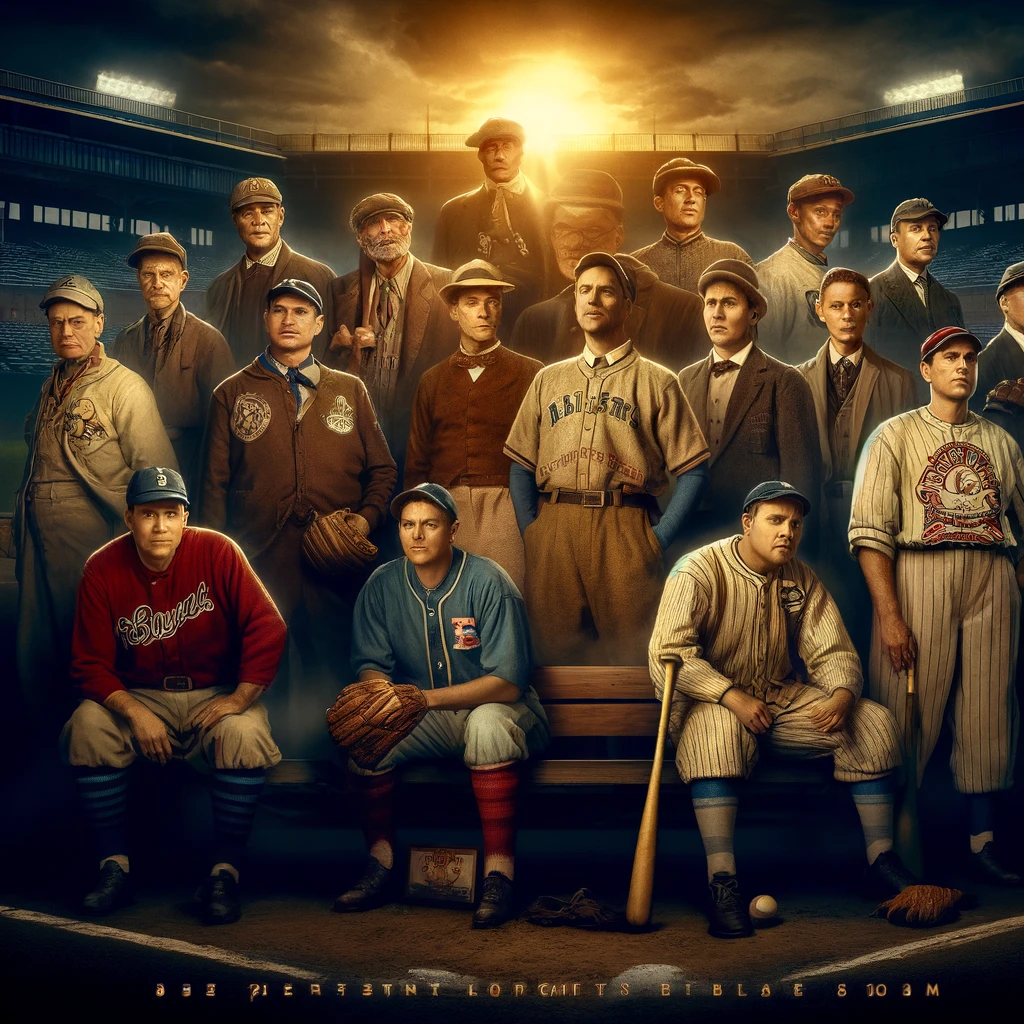
Baseball is often celebrated for its iconic major league stars, but the minor leagues have produced countless players whose talents and stories deserve to be remembered. These “forgotten legends” left an indelible mark on the game, showcasing incredible skill, dedication, and passion. This article delves into the lives and careers of some of the greatest minor league players who never fully made it to the major leagues but whose contributions to baseball remain legendary.
The Minor Leagues: A Crucial Part of Baseball
The minor leagues are a vital component of professional baseball, serving as the training ground for future major league stars. Comprised of various levels, from Rookie to Triple-A, the minor leagues offer players the opportunity to develop their skills and prove their worth. While many players move up to the majors, some become legends in their own right within the minor leagues.
Steve Dalkowski: The Fastball Phenomenon
Steve Dalkowski is perhaps the most famous minor league player never to have played in the major leagues. Known for his incredible fastball, which some believe exceeded 110 mph, Dalkowski’s career was marked by both awe-inspiring moments and tragic pitfalls.
Early Career and Unmatched Speed
Dalkowski’s professional career began in 1957 with the Kingsport Orioles, a minor league team in Tennessee. His fastball quickly became legendary, with stories of him striking out 24 batters in a single game. Despite his velocity, Dalkowski struggled with control, leading to an equally high number of walks.
The Legend That Never Was
Dalkowski’s potential was undeniable, but his inability to control his pitches kept him from reaching the major leagues. His career was also hampered by injuries and alcohol abuse. Despite never making it to the majors, his legend lives on, and he remains a symbol of unfulfilled potential.
Buzz Arlett: The Babe Ruth of the Minors
Russell “Buzz” Arlett, often called the “Babe Ruth of the Minor Leagues,” was a versatile player known for his power hitting and pitching prowess.
Dominance in the Pacific Coast League
Arlett’s career spanned from 1918 to 1937, predominantly in the Pacific Coast League (PCL). He started as a pitcher but later transitioned to an outfielder due to arm injuries. Arlett’s batting was extraordinary; he hit over .300 in 13 seasons and amassed more than 400 home runs.
Brief Major League Stint
In 1931, Arlett had a short stint with the Philadelphia Phillies, where he showcased his hitting talent. However, his time in the majors was brief, and he returned to the minors, where he continued to excel and solidify his legacy as one of the greatest minor league players.
Ike Boone: The Slugging Sensation
Ike Boone was another minor league powerhouse known for his impressive batting skills and extraordinary hitting streaks.
Record-Breaking Performances
Boone’s career in the minors included remarkable feats, such as his 1929 season with the Mission Reds of the PCL, where he hit an astounding .407. His .370 career batting average in the minors is one of the highest in baseball history.
Major League Struggles
Despite his success in the minors, Boone’s major league career was less impressive, with a .321 batting average over six seasons. However, his minor league accomplishments earned him a place among baseball’s forgotten legends.
Joe Bauman: The Home Run King
Joe Bauman is remembered for his exceptional power hitting, particularly his record-breaking home run feats.
The 1954 Season
Bauman’s most memorable season came in 1954 when he played for the Roswell Rockets in the Class C Longhorn League. He hit 72 home runs that year, setting a record for the most home runs in a single minor league season, a record that stood until Barry Bonds broke it in 2001.
Lasting Impact
Bauman’s career spanned over a decade, and his impressive power-hitting numbers have cemented his status as a minor league legend. His contributions to the game are celebrated annually with the Joe Bauman Home Run Award, given to the top home run hitter in the minor leagues.
Lefty O’Doul: The Ambassador of Baseball
Lefty O’Doul’s impact on baseball extends beyond his playing career, as he became a prominent figure in promoting the sport internationally.
Exceptional Batting Skills
O’Doul began his career as a pitcher but transitioned to an outfielder due to arm injuries. His batting prowess was evident, with a .349 career batting average in the minors. In 1929, he set a National League record with 254 hits while playing for the Philadelphia Phillies.
Global Influence
After retiring as a player, O’Doul became a manager and played a crucial role in spreading baseball’s popularity in Japan. His efforts earned him recognition in both American and Japanese baseball halls of fame, solidifying his legacy as a key figure in the sport’s history.
Smead Jolley: The Perennial .400 Hitter
Smead Jolley is another minor league star whose incredible hitting ability made him a standout player.
Consistent Excellence
Jolley’s career spanned from 1922 to 1941, during which he consistently posted high batting averages, including four seasons where he hit over .400. His .367 career batting average in the minors is among the highest ever recorded.
Limited Major League Success
Despite his minor league success, Jolley’s major league career was brief, and he struggled defensively. However, his offensive prowess in the minors earned him a lasting place in baseball history.
Celebrating the Forgotten Legends
The stories of these forgotten legends highlight the rich history and significance of minor league baseball. While they may not have achieved lasting fame in the major leagues, their contributions to the sport are undeniable. These players exemplify the passion, talent, and dedication that define baseball, and their legacies continue to inspire future generations of players and fans alike.

Tony Lazzeri: A Minor League Icon
Before becoming a Hall of Fame second baseman with the New York Yankees, Tony Lazzeri made his mark in the minor leagues with a historic season that still resonates today.
The 1925 Season
In 1925, Lazzeri played for the Salt Lake City Bees of the Pacific Coast League. That year, he hit an astounding 60 home runs and drove in 222 runs, both of which were PCL records at the time. His performance caught the attention of major league scouts, and he soon made his way to the New York Yankees.
Major League Success
Lazzeri went on to have a stellar career with the Yankees, becoming a key member of the famed “Murderers’ Row” lineup. His minor league accomplishments, however, set the stage for his major league success and remain a testament to his exceptional talent.
Dom DiMaggio: The Little Professor
While his brother Joe DiMaggio became one of baseball’s greatest legends, Dom DiMaggio carved out his own niche as a remarkable player, particularly noted for his time in the minor leagues.
Early Career and Minor League Success
Dom began his professional career with the San Francisco Seals in the Pacific Coast League. Known for his excellent batting eye and defensive skills, he quickly established himself as a standout player. His performance in the minors earned him a spot with the Boston Red Sox, where he enjoyed a successful major league career.
Lasting Legacy
Dom’s contributions to baseball, both in the minors and majors, highlight the depth of talent that runs in the DiMaggio family. His dedication to the game and consistent performance earned him a place among baseball’s respected figures.
Herb Score: The Tragic Flame-Thrower
Herb Score’s story is one of immense potential marred by injury, making him one of the more poignant figures in baseball history.
Minor League Dominance
Score’s minor league career was nothing short of spectacular. In 1954, he struck out an incredible 330 batters while playing for the Indianapolis Indians, setting a minor league record. His fastball was considered one of the best, and he quickly moved up to the majors.
Major League Promise and Heartbreak
Score’s first two seasons with the Cleveland Indians were outstanding, earning him Rookie of the Year honors in 1955. However, a devastating injury in 1957, when he was hit in the face by a line drive, severely impacted his career. Despite his challenges, Score’s minor league achievements remain a testament to his talent and determination.
Jigger Statz: The Iron Man of the Minors
Arnold “Jigger” Statz had a long and illustrious career, predominantly in the minor leagues, where his durability and consistent performance made him a legend.
Consistent Excellence Over Two Decades
Statz played for the Los Angeles Angels of the Pacific Coast League for the majority of his career. Over 18 seasons, he amassed over 4,000 hits, becoming one of only a few players to achieve this milestone. His career in the minors included numerous seasons with batting averages above .300, showcasing his consistent excellence.
Legacy of Longevity
Statz’s career is a testament to longevity and dedication. His ability to perform at a high level for such an extended period is rare in professional sports, earning him a lasting legacy in the annals of baseball history.
Joe Hauser: The Forgotten Power Hitter
Joe Hauser’s name might not be well-known today, but his power-hitting feats in the minor leagues were nothing short of extraordinary.
Record-Breaking Seasons
Hauser’s most notable achievement came in 1933 when he hit 69 home runs for the Minneapolis Millers, setting a new record for the American Association. He followed this up with another impressive season in 1934, hitting 63 home runs.
Career Challenges
Hauser’s major league career was hampered by injuries and inconsistent performance, but his minor league power-hitting prowess remains legendary. His ability to consistently hit home runs at such a high rate solidifies his place among the greatest minor league players.
Conclusion: Honoring the Past
The stories of these forgotten legends of the minor leagues remind us that greatness in baseball isn’t limited to the major leagues. These players demonstrated incredible skill, passion, and dedication, contributing significantly to the rich tapestry of baseball history. By celebrating their achievements, we ensure that their legacies endure, inspiring future generations of baseball fans and players.
Frequently Asked Questions
1. What is the significance of minor league players in baseball history?
The minor leagues serve as a crucial training ground for professional baseball, acting as a pipeline to the major leagues. Though often overshadowed by MLB superstars, minor league players contribute significantly to the sport’s history. These leagues are filled with stories of players who exhibited remarkable skill and passion, even if they didn’t quite make it to the major league stage. They often face grueling schedules, lower pay, and less glamorous conditions, yet they play an essential role in developing talent and maintaining competitiveness within the sport. Moreover, these leagues are steeped in tradition, showcasing beloved local teams and players who become local legends. The significance of these minor league players is that, despite not achieving widespread fame, they laid down the foundations of the game, influenced its evolution, and enriched baseball culture with their stories and dedication.
2. Why do some incredibly talented minor league players never make it to the major leagues?
There are several reasons why skilled minor league players often don’t break through to the majors. First, injuries can derail even the most promising careers. The rigors of a long season can take a substantial toll on players’ bodies, and some injuries make it impossible to continue to compete at a high level. Second, roster limitations and depth of talent in certain major league organizations can mean that there’s simply no room for them. Additionally, the sheer level of competition is intense; the minor and major leagues are filled with incredible talent, and sometimes performance doesn’t translate at the next level due to a variety of factors, such as psychological pressure or adaptability to major league pitching. Lastly, certain players may shine at specific positions where major league teams are already well-stocked, limiting their opportunities for advancement. Their stories remain poignant reminders of the dreams, hard work, and sacrifices made in pursuit of a professional career in baseball.
3. How are “Forgotten Legends” of the minor leagues remembered today?
While many of these players may not have achieved fame on the national stage, their legacies continue to resonate in various ways. In the towns where they played, they are often fondly remembered by local fans and sports historians. Some players are celebrated through teams’ Hall of Fames, tributes, and jersey retirements. Additionally, minor league histories are chronicled through books, documentaries, and fan-led initiatives, which help to keep the memory of these players alive. Forums, blogs, and dedicated fan groups continue to share stories and statistics that shed light on the enduring impact these players had on the game. In many regions, local museums or sports collections may feature extensive exhibits honoring these “forgotten legends” as part of the larger narrative of baseball’s rich history.
4. Can minor league achievements lead to successful post-playing careers for these players?
Yes, many minor league players go on to have successful careers outside of playing professional baseball. Their skills, discipline, and leadership qualities make them well-suited for roles in coaching, scouting, and management within the baseball industry. Some transition to broadcasting, lending their on-the-ground insights to radio and television audiences. Outside the sport, the work ethic and teamwork they honed in the minors transfer effectively to a wide array of fields such as business and education. In addition, several players have taken to authorship and motivational speaking, sharing their unique experiences from the minors to inspire and educate others. These subsequent careers often provide new platforms for these former players to continue contributing significantly to the communities they are part of, both within and outside the realm of baseball.
5. How do minor league stories contribute to the rich tapestry of baseball lore?
Minor league stories are an integral component of baseball’s extensive lore, providing depth and character to the sport’s narrative beyond the glitz of the major leagues. These stories often highlight the grit and determination required to pursue a professional sports career, often under challenging circumstances. Tales of long bus rides, quirky stadiums, devoted small-town fans, and the camaraderie among teammates add layers of authenticity and nostalgia. They remind us of baseball’s grassroots origins and the profound love for the game that exists beyond the pursuit of fame and fortune. Furthermore, some of baseball’s most iconic figures, like Lou Gehrig and Jackie Robinson, began their careers in the minors. Thus, the minor leagues are an evocative setting where personal dreams intersect with the larger history of baseball, contributing vibrant chapters to the ever-unfolding story of America’s pastime.