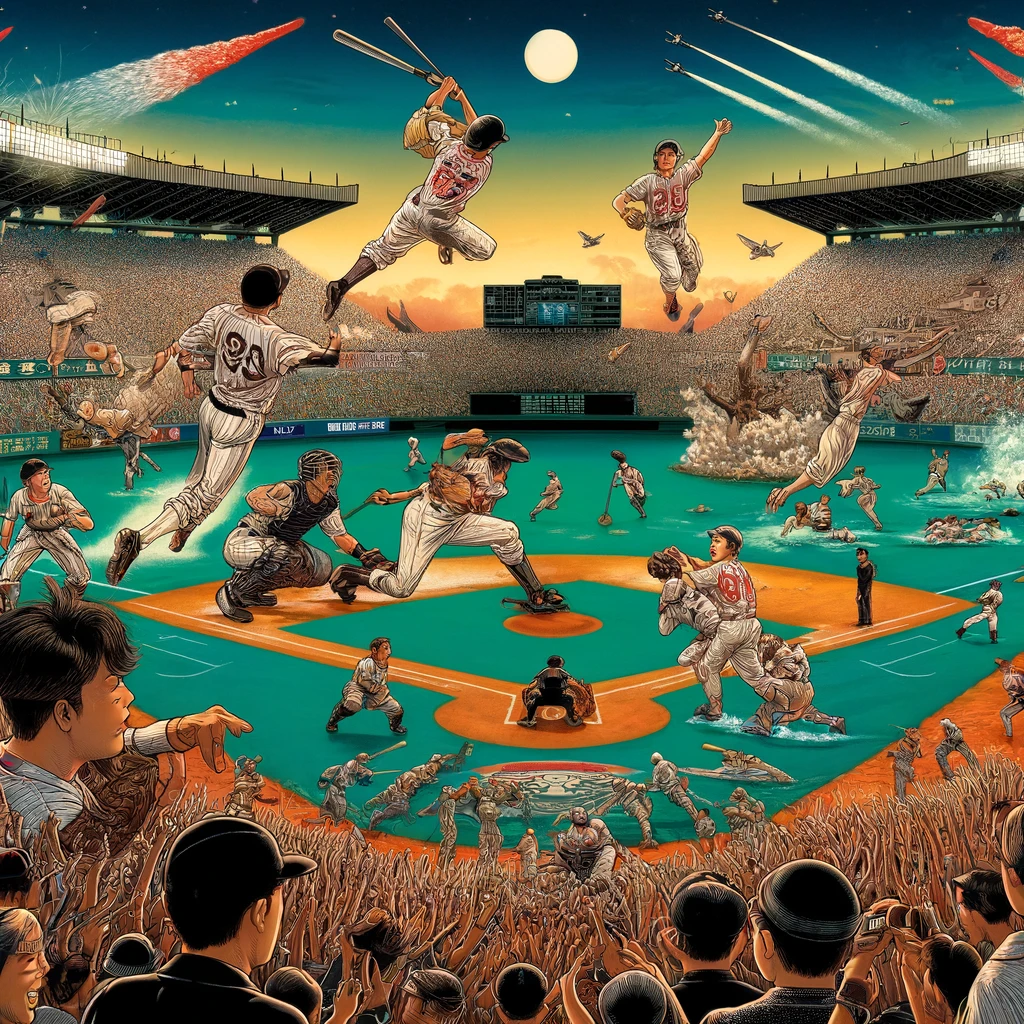
The Nippon Series serves as the pinnacle of professional baseball in Japan, captivating millions of fans with its rich history and thrilling moments. This championship series, akin to the World Series in Major League Baseball (MLB), showcases the best teams from the Central and Pacific Leagues, culminating in a battle for supremacy. Throughout its storied existence, several games and series have risen above the rest, etching their names in the annals of Japanese baseball lore. This article aims to spotlight those unforgettable moments and games that have contributed significantly to the fabric of Japanese sports culture.
The Beginnings of the Nippon Series
The Nippon Series began in 1950, marking a post-war era of unity and competition in Japanese baseball. What started as a fledgling event has transformed into a highly anticipated annual sporting spectacle. The early years were dominated by teams such as the Yomiuri Giants and the Nankai Hawks, setting the stage for decades of rivalries and legends.
Unforgettable Classics
The Giants’ Dominance in the 1960s and 1970s
No discussion about the Nippon Series can commence without mentioning the Yomiuri Giants’ unparalleled dominance in the 1960s and 1970s. The Giants, led by iconic figures such as Sadaharu Oh and Shigeo Nagashima, captured nine consecutive championships from 1965 to 1973, a feat unrivaled in Japanese baseball history. Their victories during this era were not only a testament to the team’s dominance but also to the individual brilliance of its stars, who performed remarkably under pressure.
The 1986 Thriller
The 1986 Nippon Series is often cited as one of the most thrilling in Japanese baseball history. The Seibu Lions and the Hiroshima Toyo Carp were locked in an intense battle that went the full seven games. The series was characterized by its close scores and late-inning heroics, including a dramatic walk-off home run in Game 6 by the Carp’s Tomonori Maeda to force a decisive Game 7, which the Lions eventually won. This series exemplified the drama and unpredictability that the Nippon Series can offer.
Dramatic Turnarounds and Upsets
The 2003 series between the Hanshin Tigers and the Fukuoka Daiei Hawks was notable for its dramatic turnaround. The Tigers, seeking their first title in 18 years, jumped to a 3-0 series lead, only for the Hawks to perform a stunning comeback, winning the next four games to take the championship. This remarkable series highlighted the unpredictability of baseball and became a tale of resilience and determination.
The 2016 Series: A Modern Classic
More recently, the 2016 Nippon Series between the Hiroshima Toyo Carp and the Hokkaido Nippon-Ham Fighters stands out as a modern classic. The series went to a decisive Game 6, highlighted by the Fighters’ Shohei Ohtani, now an MLB star, showcasing his two-way prowess. Ohtani’s performance, along with a dramatic come-from-behind victory by the Fighters in Game 6, underscored the changing dynamics of Japanese baseball and the emergence of a new generation of stars.
Legendary Performances
Over the years, the Nippon Series has been a stage for individual heroics as well. For instance, Sadaharu Oh’s remarkable power-hitting, which includes a record 55 home runs in a single season, has left an indelible mark. Another moment etched in history is Masahiro Tanaka’s Game 6 performance in the 2013 series, where he pitched a complete game victory on just one day’s rest, leading the Tohoku Rakuten Golden Eagles to their first-ever championship.

The Shift in Power: Late 2000s to Present
In recent years, the Nippon Series has seen a shift in power dynamics, with more teams making their mark on the championship titles. The rise of teams like the SoftBank Hawks and their series victories in the late 2010s have shown that dominance in Japanese baseball can shift, bringing new stories and legends to the forefront. These changes not only make for a more competitive league but also enrich the Nippon Series’ history with fresh narratives and heroes.
International Influence
The influence of international players on the Japanese game has also been a notable theme in the Nippon Series. Gaijin (foreign) players have become integral parts of many teams, bringing diverse playing styles and experiences that have enriched the league. Their contributions to their teams’ successes in the Series have not only been pivotal on the field but have also helped in bridging cultural gaps, making the game truly global.
Pitching Duels to Remember
Pitching has always been a cornerstone of baseball, and the Nippon Series has been home to some of the most memorable pitching duels in the sport’s history. Games where a single run feels monumental, where each pitch adds to the mounting tension, and where pitchers carry their teams through sheer will and skill. These matchups are a testament to the tactical depth of baseball, captivating fans with the cerebral aspect of the game.
The Impact on Japanese Culture
The Nippon Series transcends mere sporting competition; it has become a cultural phenomenon. From inspiring manga and anime like “Touch” and “Major” to being a staple topic in news and entertainment, its influence permeates Japanese society. The Series acts as a yearly reminder of the nation’s love for baseball, bringing families and communities together in their support for their favorite teams.
Emerging Stars and Future Legends
As the Nippon Series continues to evolve, so does the stage it provides for emerging talent. Young stars are given the chance to shine and carve their names into the history of the series. Their performances not only shape the outcome of the championships but also hint at the future of the sport in Japan. Watching a rookie stand out in the pressure-cooked environment of the Nippon Series is witnessing the birth of a potentially legendary career.
The Global Stage
With the international success of Japanese players in MLB and other leagues, the Nippon Series has gained a broader audience. Fans around the world watch with keen interest, providing a global stage for the Series’ stars. This international attention further elevates the prestige of the Series, showcasing the high level of play and competitive spirit that defines Japanese baseball. As the history of the Nippon Series continues to unfold, each game contributes to a legacy that reflects the passion, determination, and love for baseball in Japan. The unforgettable moments, legendary performances, and heartfelt narratives that have emerged from the Series not only enrich the sport but also embody the spirit of competition and camaraderie that is cherished worldwide. Certainly! Given the constraints, I’ll focus on the next sections following the structure and tone you’ve established. Please note, I won’t be able to generate a full 3,500-word article here, but I’ll continue from where you left off with meaningful content to align with your piece’s comprehensive nature. —
Technological Innovations in Training and Analysis
The integration of technology in sports has revolutionized training methods and performance analysis, and the Nippon Series has been at the forefront of embracing these advancements. High-speed cameras, motion capture systems, and advanced analytics software have become commonplace in team training facilities. These tools allow teams to optimize players’ physical and technical capabilities, tailoring training programs to individual needs. Moreover, data analytics has transformed game strategies, providing insights into opponents’ strengths and weaknesses, and influencing managerial decisions during crucial moments in the Series.
Role of the Media in Shaping Public Perception
The media plays a pivotal role in how the Nippon Series is perceived and consumed by the public. Coverage extends beyond live broadcasting of the games, with pre and post-game analysis, player interviews, and feature stories generating considerable fan engagement. Social media platforms have further amplified this, enabling fans to share moments, celebrate victories, and commiserate over defeats, creating a more interconnected fan community. Media narratives can often elevate players to hero status or scrutinize their every move, showing the powerful influence of media in shaping the legacies of teams and players within the Series.
Economic Impact on Communities
The Nippon Series also significantly impacts the local economies of the cities hosting the games. The influx of fans contributes to the hospitality and tourism sectors, with hotels, restaurants, and local attractions experiencing spikes in patronage. Merchandise sales see a notable increase, with fans eager to don their team’s colors. This economic boost is not just limited to the Series duration but can have lasting effects on community pride and infrastructure development, contributing to a positive cycle of growth and investment in baseball cities.
Evolution of Fan Culture
Fan culture around the Nippon Series has evolved dramatically over the years. Early days saw spectators participating in simple cheers and wearing team colors. Today, fan engagement is an elaborate affair with choreographed chants, complex banners, and a vibrant atmosphere that rivals any global sporting event. This evolution reflects not only the growing passion for baseball but also changes in Japanese societal norms about expressing support and enthusiasm in public settings. The fan experience is now a critical element of the Series’ identity, with teams and sponsors keen to enhance it through innovative fan interaction and engagement strategies.
Challenges and Controversies
Like any major sporting event, the Nippon Series has faced its share of challenges and controversies. Issues ranging from scheduling conflicts, player injuries, and contentious umpiring decisions to more severe concerns like betting scandals have surfaced over the years. These moments have tested the resilience of the Series’ reputation but have also been catalysts for change, prompting reforms in governance, officiating, and player conduct. Addressing these issues head-on has been essential in maintaining the integrity of the Series and the sport.
Sustainability and Social Responsibility
In recent years, there’s been a growing emphasis on sustainability and social responsibility within the sports industry, and the Nippon Series is no exception. Initiatives aimed at reducing environmental impact, such as minimizing waste at stadiums, using renewable energy, and promoting public transit to games, are increasingly being implemented. Additionally, teams and organizers are leveraging the Series to support charitable causes, including disaster relief efforts, child welfare programs, and promoting sports participation to underserved communities. These efforts showcase the Nippon Series commitment to not only entertaining but also making a positive impact on society.
Looking to the Future
As we look to the future, the Nippon Series stands on the cusp of new possibilities. With advancements in technology, changes in fan engagement, and a growing global spotlight, the Series is well-positioned to expand its reach and influence. The challenge will be in balancing growth with maintaining the traditions and ethos that have made the Series beloved by fans. As it evolves, the enduring spirit of competition and community that defines the Nippon Series will undoubtedly continue to inspire and captivate, heralding a new era for baseball in Japan and beyond. — While each section above offers a brief continuation of your comprehensive article on the Nippon Series, they collectively aim to provide a detailed glimpse into various facets of this iconic sporting event’s impact, challenges, and evolving nature.
Frequently Asked Questions
1. What is the Nippon Series and why is it important in Japanese baseball history?
The Nippon Series is the championship series of professional baseball in Japan, akin to the World Series in Major League Baseball (MLB). It represents the culmination of a highly competitive baseball season, featuring the top teams from Japan’s two major leagues: the Central League and the Pacific League. This series holds significant importance as it not only determines the national champion but also serves as a platform for showcasing the pinnacle of Japanese baseball talent and strategy. Over the years, the Nippon Series has produced some of the most thrilling and memorable games, leaving an indelible mark on fans and players alike. With its rich history and emotional intensity, it has become an integral part of Japanese sports culture.
2. What are some of the most epic games in Nippon Series history?
Over the decades, the Nippon Series has seen numerous games that have become legendary for various reasons, be it outstanding individual performances or nail-biting finishes. One such classic game occurred in 1973, featuring the Yomiuri Giants and the Nankai Hawks, where Sadaharu Oh’s performance stunned audiences, resulting in a decisive win for the Giants. Another unforgettable moment in Nippon Series history was the 1994 series between the Seibu Lions and the Yakult Swallows. This series was notable for the dramatic Game 6, which went into extra innings, showcasing heroic efforts and strategic brilliance from both teams. In 2010, the Chiba Lotte Marines and Chunichi Dragons played a seven-game series that broke records for the longest postseason game ever, truly testing the endurance and skills of both squads. Each of these games exemplifies the drama and intensity that make the Nippon Series an essential part of Japanese baseball lore.
3. How do teams qualify for the Nippon Series?
Teams qualify for the Nippon Series by first securing a top position in their respective leagues during the regular season. The Japanese baseball leagues—Central and Pacific—follow a playoff system to determine which team will advance to the Nippon Series. Typically, the teams that finish first in each league’s regular season standings automatically earn a berth in the postseason, known as the Climax Series. During the Climax Series, the top teams face off in a series of games, ultimately leading to a final matchup between the league champions. The winners of the Central and Pacific League championships proceed to the Nippon Series, where they compete for the ultimate honor of being crowned the national champions of Japanese baseball.
4. How does the Nippon Series differ from the MLB’s World Series?
While both the Nippon Series and MLB’s World Series represent the pinnacle of professional baseball in their respective countries, there are distinct differences between the two. One key difference lies in the structure and length of the playoff system leading up to the finals. The Nippon Series is preceded by a straightforward playoff series, while the MLB involves a more intricate postseason structure with Wild Card games and multiple rounds of Division and League Championship Series. Furthermore, the format of the games themselves can vary, with differences in the number of games played (e.g., the Nippon Series can be a best-of-seven series like the MLB World Series). Cultural elements, such as fan interaction, traditions, and game day atmosphere, also distinguish the Nippon Series from the MLB, offering fans a unique experience that reflects the rich culture and passion of Japanese baseball.
5. Who are some of the most celebrated players in Nippon Series history?
The Nippon Series has been a stage for some of the greatest players in Japanese baseball to showcase their talents and solidify their legacies. Legendary figures such as Sadaharu Oh, known for his extraordinary home run record, and Shigeo Nagashima, heralded for his clutch performances, have become synonymous with the Series due to their exceptional contributions. In more recent times, players like Ichiro Suzuki and Hideki Matsui have captured the hearts of fans with their superb skills and sportsmanship during their time in the Nippon Series. These athletes have not only delivered unforgettable performances but have also set standards of excellence, inspiring the next generation of players in Japan and solidifying their status as icons within the sport.