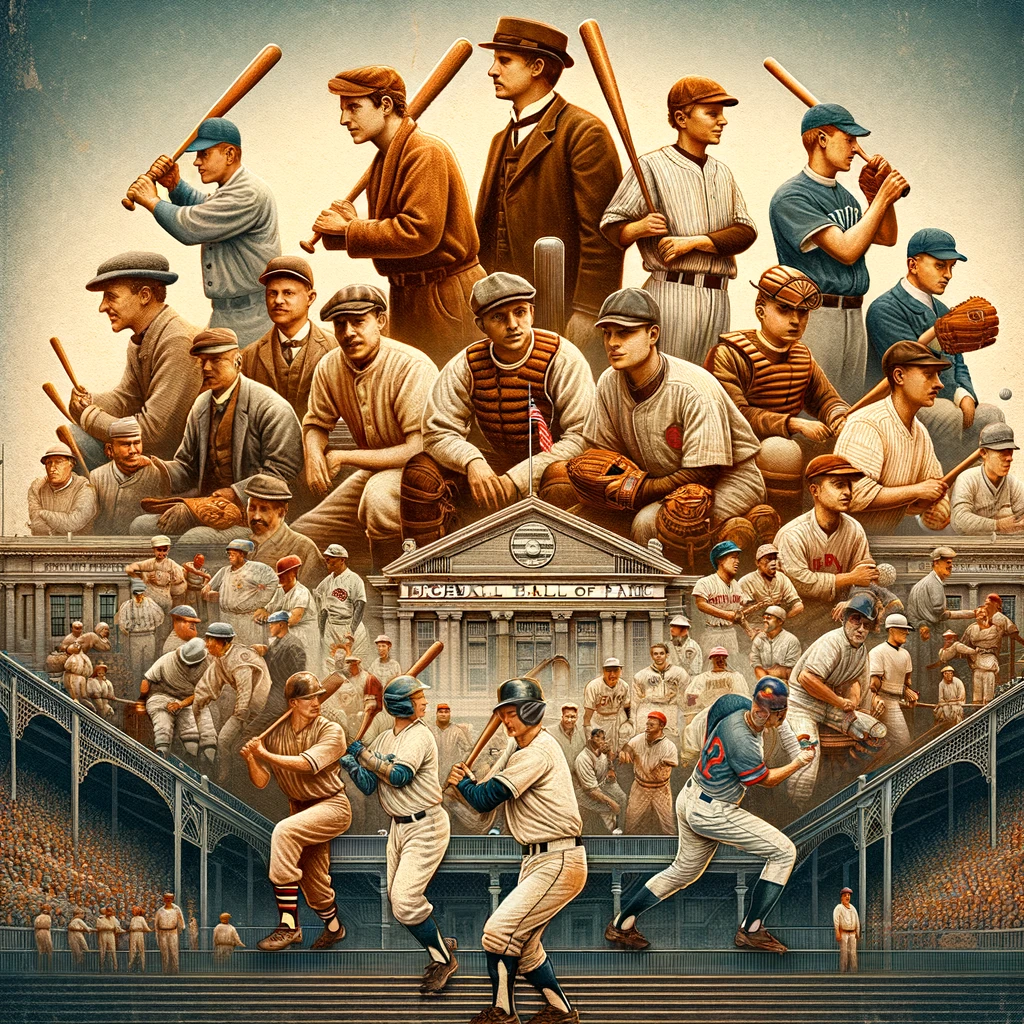
Baseball, often called America’s pastime, has a rich and storied history that dates back to the 19th century. This history is not just about the players, the teams, or the legendary games, but also about how the sport has evolved over time. One of the best places to witness this evolution is the Baseball Hall of Fame in Cooperstown, New York. This article will delve into how the changes in the game of baseball are reflected in the Hall of Fame, highlighting the ways in which this beloved sport has grown and transformed.
The Early Days of Baseball and the Hall of Fame
The Baseball Hall of Fame, established in 1936, initially celebrated the titans of the early days of the sport. In these early years, the game was vastly different from what we see today. The equipment, rules, and style of play were all in their nascent stages. Players like Ty Cobb, Babe Ruth, and Walter Johnson, who were among the first inductees, played a game that was slower and more strategic, focusing less on power and more on skillful play and strategy.
Integration and Expansion
A significant change in baseball came with the integration of the sport in 1947, when Jackie Robinson broke the color barrier. This pivotal moment is well represented in the Hall of Fame, not just celebrating Robinson’s groundbreaking achievement but also honoring the many talented African American and Latino players who followed. Players like Roberto Clemente, Willie Mays, and Hank Aaron brought new styles of play and enthusiasm to the game, reflecting a broader societal shift towards inclusivity.
The Era of Expansion
The mid-20th century saw another major change: the expansion of Major League Baseball. New teams were added, and the league’s geographic footprint grew. This expansion is chronicled in the Hall, showcasing the growth of the sport across the United States and, later, into Canada. With expansion came new fan bases, new rivalries, and a greater diversity of playing styles, all of which are commemorated in the Hall.
Technological Advancements and Their Impact
As technology evolved, so did baseball. The introduction of television and radio broadcasts brought the game into homes across America, changing how fans engaged with the sport. The Hall of Fame documents this technological evolution, showcasing historic broadcast equipment and highlighting iconic calls that have become part of baseball lore. This era also saw advancements in equipment and training, leading to changes in how the game was played.
The Steroid Era and Its Aftermath
One of the more controversial periods in baseball history is the so-called “Steroid Era” of the late 20th and early 21st centuries. This period, marked by performance-enhancing drug scandals, is a challenging part of the game’s history, but it is not ignored in the Hall. The Hall of Fame addresses this era in a way that acknowledges its impact on the sport, without glorifying the actions of those involved. This inclusion is crucial for an honest reflection of the game’s history.
The Modern Game and the Hall
Today, baseball is a global sport, with players from all over the world making their mark in the Major Leagues. This global influence is evident in the Hall of Fame, with players from Asia, Latin America, and elsewhere being recognized for their contributions to the game. Additionally, the modern era has seen a rise in analytics and data-driven strategies, aspects that are beginning to be reflected in the exhibits and inductees of the Hall.

The Influence of Media and Culture on Baseball
As baseball evolved, so did its portrayal in media and culture, aspects well-represented in the Hall of Fame. From classic films like “Field of Dreams” to beloved books like “The Natural,” these cultural milestones influenced how the sport was perceived and celebrated. The Hall of Fame acknowledges this cultural impact, showcasing how baseball has been interwoven with American history and identity.
Women in Baseball
An often-overlooked aspect of baseball’s history is the role of women in the sport. The All-American Girls Professional Baseball League (AAGPBL), which thrived during the 1940s and 1950s, is a significant part of this history. The Hall of Fame honors these women, highlighting their contribution to the sport during a time when most men were involved in World War II. This inclusion speaks volumes about the Hall’s commitment to showcasing all aspects of baseball’s history.
Technological Innovations in Equipment
Advancements in baseball equipment have dramatically altered the game, and the Hall of Fame has chronicled these changes. From the development of the modern baseball glove to the evolution of bats and protective gear, these technological improvements are displayed, offering insight into how they’ve enhanced player performance and safety. This evolution mirrors the broader technological advancements in society.
Baseball During Wartime
Baseball’s role during wartime is another critical aspect of its history. During World War II, many players served in the military, and baseball played a role in maintaining morale on the home front. The Hall of Fame commemorates this period, highlighting how the sport provided a sense of normalcy and unity in challenging times.
Changes in Rules and Strategy
The evolution of baseball isn’t just about players and events; it’s also about changes in rules and strategies. The Hall of Fame details these changes, such as the introduction of the designated hitter rule in the American League, the lowering of the pitcher’s mound in 1969 to encourage more hitting, and the recent discussions around pace-of-play rules. These shifts in the game’s structure reflect its ongoing adaptation to maintain relevance and excitement.
The Hall’s Role in Preserving History
The Baseball Hall of Fame does more than just celebrate the sport’s legends. It also plays a critical role in preserving baseball history. Through its extensive collection of artifacts, records, and multimedia presentations, the Hall ensures that the story of baseball is kept alive for future generations. It’s a repository of memories, achievements, and lessons learned from over a century of baseball.
Connecting Generations of Fans
Perhaps one of the most beautiful aspects of the Hall of Fame is its ability to connect generations of baseball fans. Grandparents, parents, and children can all find something to relate to within its walls. It’s a place where memories are shared, where stories of games past are recounted with enthusiasm, and where the legends of the sport come to life.
Looking to the Future
As we look to the future, it’s clear that the Baseball Hall of Fame will continue to evolve. With each passing season, new stories, players, and moments enter the annals of baseball history. The Hall of Fame stands ready to capture these moments, ensuring that the spirit and history of baseball continue to be celebrated and preserved.
Conclusion
The Baseball Hall of Fame is more than just a museum; it’s a living, breathing testament to the rich and ever-evolving history of baseball. It reflects the changes in the game, its players, and its place in American culture. As baseball continues to grow and change, the Hall of Fame will remain a steadfast guardian of its history, connecting fans to the past, present, and future of this cherished sport. It stands as a symbol of the enduring love and passion for baseball, a sport that has captured the hearts of millions.
Frequently Asked Questions
1. What makes the Baseball Hall of Fame an important reflection of the game’s evolution?
The Baseball Hall of Fame is an essential institution when it comes to understanding how baseball has evolved as a sport. Located in Cooperstown, New York, it serves as a custodian of baseball’s rich history, capturing milestones, pivotal changes, and transformative moments in the sport. From its inception in the late 1930s, the Hall of Fame has been preserving not only the records and achievements of the game’s greatest players but also significant artifacts and documents that tell the broader story of baseball’s growth and adaptation over time.
Through various exhibits, the Hall of Fame demonstrates the transition of the game from its early days with underhand pitching and the dead-ball era to the present day with advanced metrics and technology integration. It highlights how changes in rules, player training, equipment, and even societal shifts have influenced the way baseball is played and perceived. Consequently, visitors gain a comprehensive view of how these changes are not just about statistics, but also about cultural influences and technological advancements impacting the way the sport has developed.
2. How does the Baseball Hall of Fame address historical controversies in baseball?
The Baseball Hall of Fame does not shy away from addressing historical controversies in the sport. Instead, it provides a platform where these complex issues are explored and documented. Controversies ranging from racial segregation and the integration of African American players to the more recent performance-enhancing drug scandals are given due consideration in its exhibits and public programs.
Through its displays and resources, the Hall of Fame presents a nuanced perspective, facilitating critical reflection on these topics. For example, the integration of baseball in the mid-20th century is addressed with exhibits that honor players like Jackie Robinson and Larry Doby, who broke racial barriers in Major League Baseball. Furthermore, the Hall examines the evolving policies on steroid use and how they’ve impacted the game’s integrity and its players’ legacies. By doing so, the Hall of Fame fosters an environment of understanding about the sport’s checkered past and encourages discourse on its future.
3. What role does the Hall of Fame play in showcasing the cultural impact of baseball?
Baseball is often seen as more than just a sport; it’s a cultural phenomenon that has woven itself into the fabric of American life. The Baseball Hall of Fame plays a pivotal role in highlighting this cultural impact. Among the many exhibits, you’ll find displays that go beyond game statistics to showcase how baseball has influenced American society and vice versa.
The Hall of Fame covers how baseball impacted the American ethos, mirroring immigration patterns, economic changes, and shifts in social attitudes. It illustrates how the game influenced and was influenced by major societal events like World Wars, the Great Depression, and civil rights movements. Additionally, exhibits often delve into baseball’s role in popular culture, showcasing its presence in movies, literature, music, and beyond.
By archiving and displaying this cultural intersection, the Hall of Fame underscores baseball’s role as a unifying force and a mirror reflecting America’s evolution.
4. How does the Hall of Fame keep up with modern changes in baseball?
The Baseball Hall of Fame employs various strategies to remain current with the rapid changes impacting modern baseball. It continually updates its exhibits to reflect the latest in-game innovations, such as the introduction of instant replay, advanced analytics like Sabermetrics, and the evolution of player conditioning and training regimens.
Moreover, the Hall’s curators are engaged in ongoing research to acquire new artifacts and stories that resonate with contemporary fans. It also regularly hosts interactive exhibits and events that spotlight current themes and debates within the sport, such as the role of technology in improving player performance and fan engagement.
The Hall of Fame’s commitment to modernity is also evident in its embrace of digital platforms, offering virtual tours and interactive experiences that allow a global audience to engage with its rich collection. Through these efforts, the Hall remains a dynamic institution that not only celebrates baseball’s storied past but stays in sync with its ever-evolving present and future.
5. Can you describe some key exhibits that represent baseball’s evolution in the Hall of Fame?
The Baseball Hall of Fame houses numerous key exhibits that reflect baseball’s evolutionary milestones. One notable exhibit is the “Timeline of Baseball,” which provides a chronological journey through the sport’s history, detailing significant developments from its early amateur beginnings to its current professional status.
Another pivotal exhibit is “The Babe Ruth Room,” celebrating not only Ruth’s monumental impact on the game but also signifying the 1920s’ live-ball revolution that transformed baseball from a strategy-centric sport to one where power hitting became a focal point.
Additionally, “Diamond Dreams” offers insights into the role of women in baseball, highlighting the All-American Girls Professional Baseball League and recent advancements in gender equality within the sport. There are also special sections dedicated to international players, reflecting baseball’s global appeal and its evolution beyond American borders.
Each exhibit is meticulously curated to provide deep insights into not only how the game has changed but why these changes were necessary and how they were received by players, fans, and wider society.