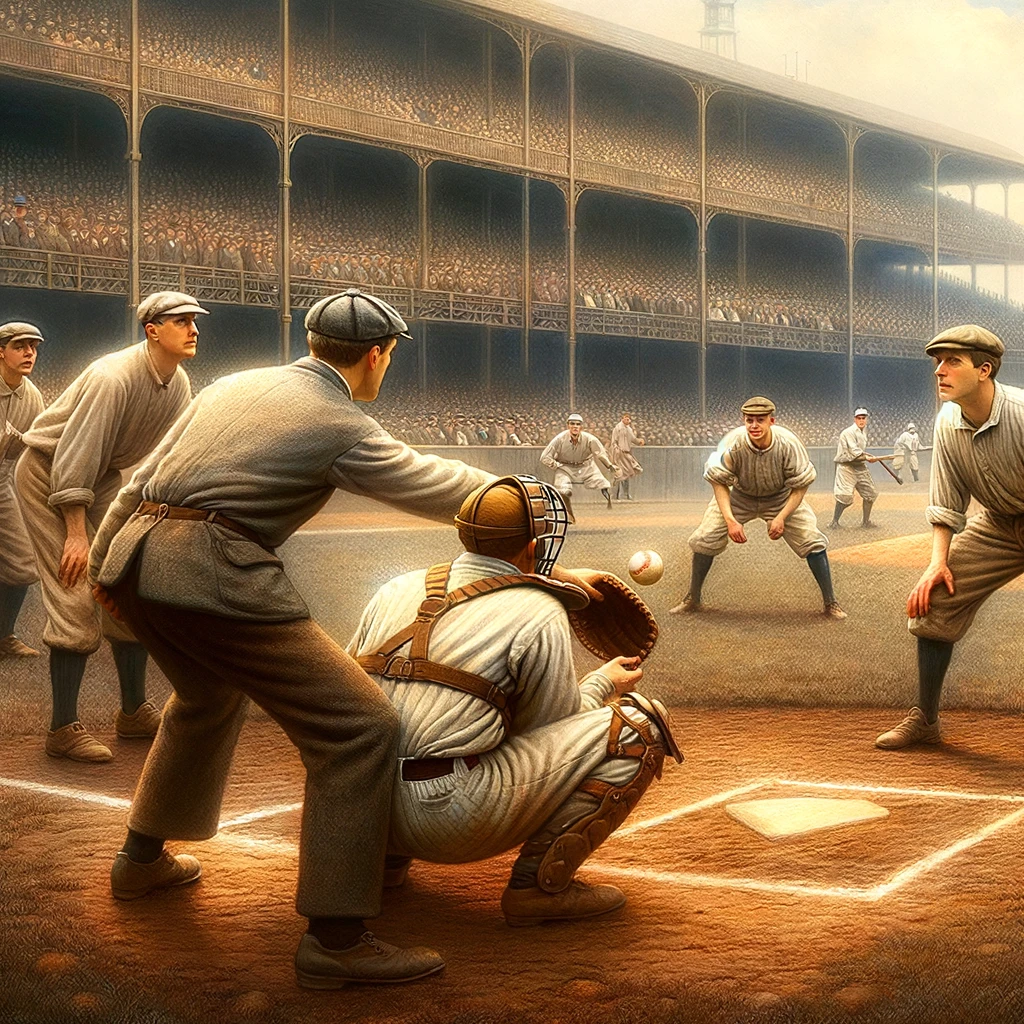
Baseball, often referred to as America’s pastime, has evolved significantly since its inception in the mid-19th century. One of the most intriguing and formative periods in baseball history is the Dead Ball Era, which spanned from the early 1900s to around 1920. This era, characterized by low-scoring games and a lack of home runs, laid the foundation for modern baseball. Understanding this period is essential for comprehending how the sport has developed, particularly in its rules and style of play.
The Dead Ball Era: A Brief Overview
The Dead Ball Era, primarily spanning the first two decades of the 20th century, was marked by games that were low-scoring and dominated by pitching and defense. The term “dead ball” comes from the nature of the baseballs used during this period. These balls were made with a rubber core, which made them softer and less lively compared to the cork-centered balls introduced later. Additionally, the balls were often used until they were discolored and misshapen, making them harder to see and hit effectively.
The Evolution of Baseball Rules
During the Dead Ball Era, several rules and aspects of the game began to take shape, influencing how the game is played today. For instance, the foul strike rule was introduced in 1901 in the National League and 1903 in the American League. This rule, which counts a foul ball as a strike unless the batter already has two strikes, significantly increased the dominance of pitchers.
Another critical development was the establishment of the modern pitching mound in 1893. The distance from the pitching rubber to home plate was set at 60 feet, 6 inches, a standard that remains today. This change aimed to balance the scales between pitchers and batters, but in the Dead Ball Era, pitchers, armed with an arsenal of pitches like the spitball (which was legal until 1920), continued to dominate.
Playing Style and Strategy
The style of play during the Dead Ball Era was markedly different from today’s game. Home runs were rare, and teams relied on strategies like the “small ball” approach, which emphasized bunts, stolen bases, and hit-and-run plays. This period saw the rise of legendary players like Ty Cobb and Honus Wagner, who were masters of this style. Their ability to hit consistently, steal bases, and play exceptional defense made them standouts in an era where these skills were paramount.
Impact of the Environment and Equipment
The environment and equipment of the era also played a significant role in shaping the game. Ballparks were larger, with more expansive outfield areas, making it difficult to hit home runs. The quality of the equipment was also different. Gloves were rudimentary compared to modern standards, and bats were heavier and thicker, which suited the hit-for-contact approach rather than power hitting.
The Transition Out of the Dead Ball Era
The end of the Dead Ball Era began with a combination of rule changes and cultural shifts within the sport. The introduction of a livelier, cork-centered ball in 1920, the banning of the spitball, and the tragic death of Ray Chapman, who was hit by a pitch and died, led to increased safety measures, including the mandatory use of helmets. These changes, along with the emergence of power hitters like Babe Ruth, shifted the focus from small ball to power hitting, marking the beginning of what is known as the “Live Ball Era.”
The Legacy of the Dead Ball Era
The Dead Ball Era’s legacy is profound. It was a period that emphasized skill, strategy, and the fundamentals of baseball. The era laid the groundwork for many of the game’s rules and styles of play that are still prevalent. Understanding this era provides a clearer insight into how the game evolved and why certain aspects of play, like the importance of pitching and defense, remain vital to baseball’s character.
The Dead Ball Era was a defining period in baseball history. It was a time when the game’s rules, play style, and cultural significance began to take the shape we recognize today. By examining this era, we gain a deeper appreciation for the sport’s evolution and a better understanding of the game’s enduring appeal. Baseball, a sport steeped in tradition and history, continues to evolve, but its roots in the Dead Ball Era are still evident in every pitch, hit, and play seen on fields across America today.
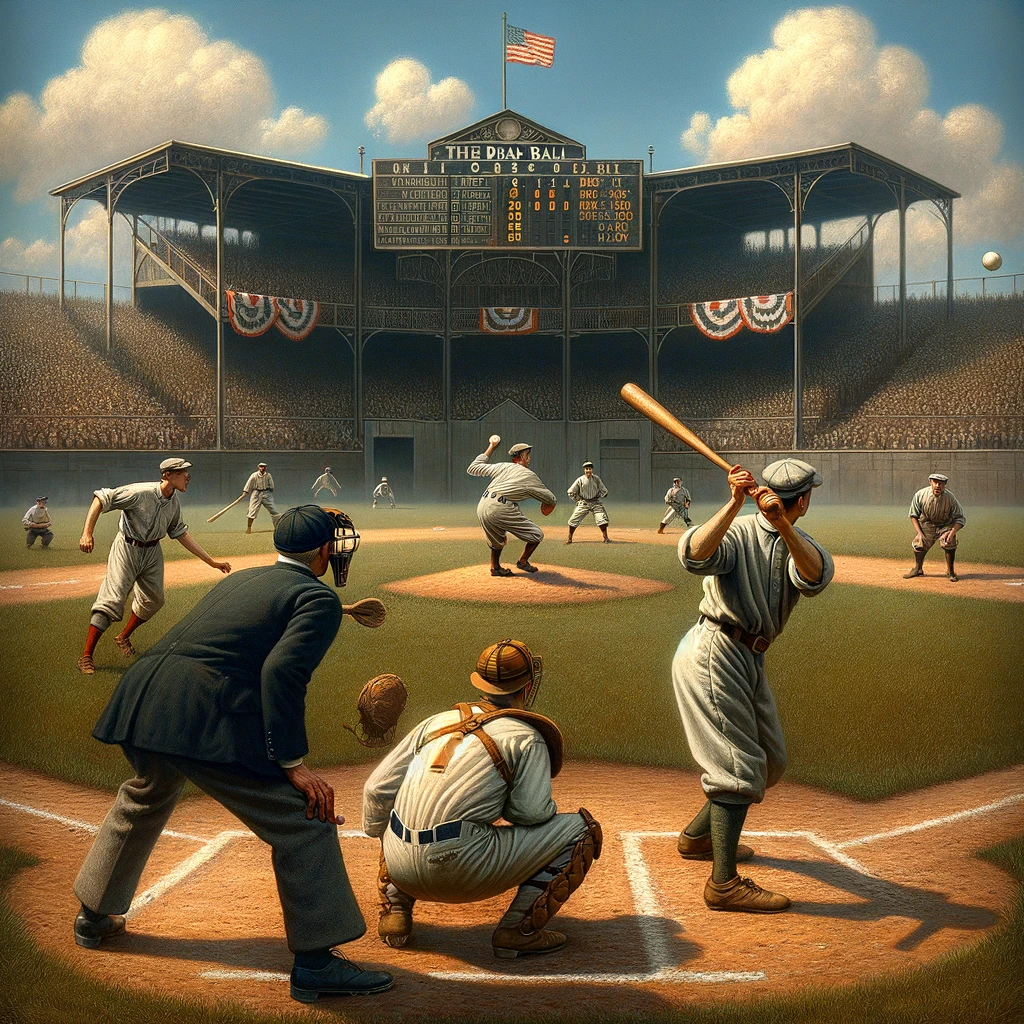
Key Figures of the Era
The Dead Ball Era was not just defined by its rules and playing style, but also by the legendary figures who graced the diamond during this time. Ty Cobb, arguably the most famous player of this era, was known for his aggressive style and batting prowess, holding numerous records, including the highest career batting average. Honus Wagner, another iconic figure, dominated with his all-around skills, especially in batting and base-stealing.
Pitchers like Cy Young, Walter Johnson, and Christy Mathewson also became household names. Their ability to dominate games with limited scoring opportunities made them central figures in this era. These players’ talents and personalities helped popularize baseball, turning it into a national pastime.
The Role of Strategy and Management
Management strategies also evolved during the Dead Ball Era. Managers began to play a more significant role in game strategy, influencing decisions on and off the field. The use of player substitutions, strategic pitching changes, and defensive shifts became more common. This era also saw the rise of the importance of scouting, as teams sought to gain any advantage they could in a low-scoring environment.
Cultural and Societal Impact
Baseball during the Dead Ball Era mirrored the cultural and societal changes of early 20th-century America. The game’s growing popularity reflected the country’s industrial growth and urbanization. It also provided a common ground for diverse communities, helping to bridge social and ethnic divides. The sport became a unifying force, offering a sense of national identity and pride.
Challenges and Controversies
The era was not without its challenges and controversies. The use of “doctored” balls, such as the spitball, raised questions about fairness and player safety. Gambling scandals, most notably the Black Sox Scandal of 1919, where eight Chicago White Sox players were accused of fixing the World Series, marred the sport’s reputation. These issues led to significant changes, including the appointment of the first Commissioner of Baseball, Kenesaw Mountain Landis, who was tasked with restoring the integrity of the game.
Technological and Media Influence
The rise of mass media, including newspapers and radio, played a crucial role in the Dead Ball Era. It allowed fans to follow their favorite teams and players more closely, fostering a deeper connection with the sport. This era laid the foundation for the media’s significant role in sports coverage, which continues to shape how fans engage with baseball today.
The Dead Ball Era’s Enduring Influence
The strategies and styles that emerged during the Dead Ball Era continue to influence modern baseball. The emphasis on pitching, defense, and small ball tactics can still be seen in today’s game, especially in situations where power hitting is less feasible. The era’s focus on fundamentals, like base running and bunting, is often revisited in current coaching strategies.
Conclusion
The Dead Ball Era represents a pivotal chapter in baseball’s history, marked by legendary players, evolving strategies, and significant cultural impact. Its influence extends far beyond its years, laying the groundwork for the modern game. By understanding this era, we gain a deeper appreciation of baseball’s complexities and its enduring role in American culture.
Frequently Asked Questions
1. What was the Dead Ball Era and why is it called that?
The Dead Ball Era refers to a period in Major League Baseball history, approximately from 1900 to 1920, defined by low-scoring games and a remarkable lack of home runs. The term “dead ball” is often linked to the qualities of the baseballs used during that time. The balls were generally softer and less tightly wound compared to those in later years, which severely restricted their travel distance upon being struck. This era gets its name because the lack of significant offense made the games appear “dead” in terms of action to fans who would later be accustomed to the higher-scoring games that followed. But to players and enthusiasts of the time, the strategy of play was intensely engaging.
Pitching reigned supreme, and small ball tactics like bunting, stealing bases, and hit-and-run plays were emphasized. Teams relied heavily on these strategies to manufacture runs since hitting a home run was a considerable challenge with the equipment and ballparks during that time. Stadiums were also substantially larger and the conditions at the parks tended to be less than optimal with poor lighting, uneven fields, and irregularly shaped outfields, further impacting scoring abilities.
2. Which notable players and teams were dominant during this era?
The Dead Ball Era produced numerous legendary players recognized for their exceptional skills in both pitching and the strategic aspects of the game. Ty Cobb, known for his aggressive base running and high batting average, was a standout hitter, often competing for the batting title. Honus Wagner emerged as an all-around superstar with remarkable batting abilities and speed on the bases.
Pitchers were the superheroes of this era, with the likes of Walter Johnson, Christy Mathewson, and Cy Young regularly overpowering hitters. Walter Johnson was particularly dominating, earning a reputation as one of the greatest pitchers, with a fastball that was unmatched and a career anchored by numerous strikeout records.
The Chicago Cubs, New York Giants, and Boston Red Sox achieved significant success during this period. The Cubs, for example, boasted dominant pitching staffs and as a result, won several National League pennants. The Boston Red Sox, led by standout players like Tris Speaker and Babe Ruth in his early years as a pitcher, claimed multiple World Series titles during this time.
3. How did the style of play differ from today’s game?
The Dead Ball Era required a different set of skills compared to modern baseball. Today’s game focuses considerably on power hitting and home run totals, but the Dead Ball Era leaned into strategy, finesse, and defensive prowess. Hitting involved more focused contact and control rather than raw power – slap hitters and those with contact skills were immensely valued.
Pitching performances took center stage, as pitchers were expected to cover more innings in a game. The rule regarding a pitcher’s mound was also distinct from today; mounds were usually less elevated and positioned differently, which altered the pitcher’s delivery strategies. The use of trick pitches such as spitballs and shine balls was prevalent and considered legal since regulations on ball maintenance were loose or non-existent.
Furthermore, defenses played a significant role, utilizing strategic shifts and constantly adjusting player positions to counter successful hitters. This made strong defensive skills and knowledge of tactics crucial for teams hoping to suppress scoring by opponents.
4. How did the Dead Ball Era conclude, and what changes led to its end?
The end of the Dead Ball Era was catalyzed by several pivotal changes in the sport. The introduction of the “live ball” in 1920 remarkably altered gameplay. These newer baseballs were made from better quality materials and were wound tighter, allowing them to travel farther and faster when hit.
Additionally, rule changes included banning trick pitches like the spitball, which minimized the extensive advantage pitchers previously held. Simultaneously, as stadium infrastructure improved with better field maintenance and seating comfort, interest in offensive plays jumped as well. Spectators began favoring games with more excitement and scoring opportunities.
The arrival of Babe Ruth as a full-time hitter marked another key turning-point. Ruth revolutionized baseball by ushering in a new power-hitting era with his unprecedented home run record, making him a larger-than-life figure and increasing the game’s popularity. As fans became increasingly captivated by his feats, the appetite for high-scoring games began to shape the overall style of baseball, effectively closing the chapter on the Dead Ball Era.
5. What lessons did modern baseball inherit from the Dead Ball Era?
Although the Dead Ball Era might seem starkly different from today’s high-octane games, many foundational aspects of baseball’s strategy and team-building were honed during this time. Modern teams have inherited the importance of situational hitting and the effectiveness of a solid defense. Skills such as bunting, base-running intelligence, and strategic plays like double steals still hold value – although these elements are used less frequently.
Pitching strategy remains a testament to the past, with an intricate understanding of a pitcher’s capabilities crucial to formulating in-game plans. Coaches and players today still emphasize pitch location over raw speed, a practice that was a bread-and-butter approach during the Dead Ball Era due to the many types of pitches legal at the time.
This epoch additionally demonstrated how adaptability within players can shape the game. Managers realized the critical need for multi-talented players who could adjust to different styles of play, which became even more apparent with how Ruth and his home runs completely shifted baseball’s future. These lessons, along with an appreciation for the past traditions and challenges, continue to influence and enrich the game today, connecting its past to the present and beyond.