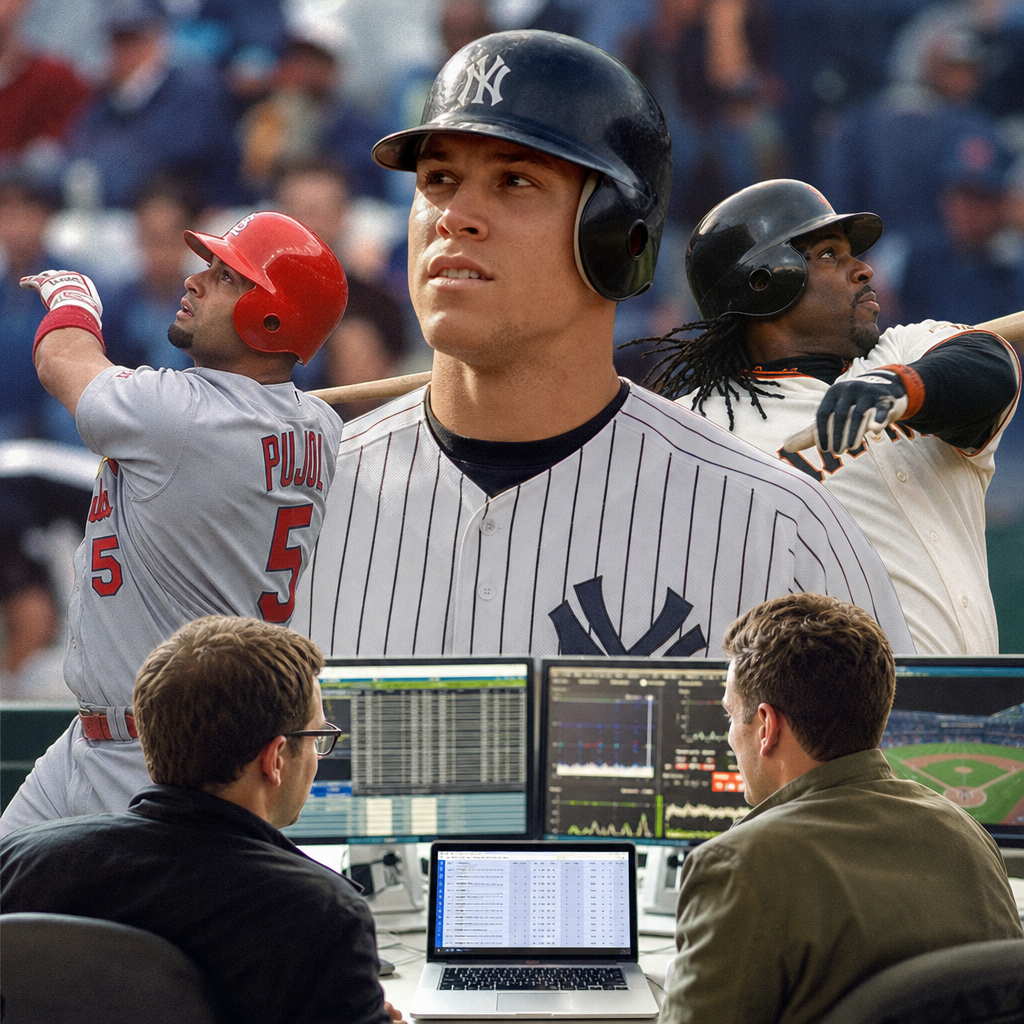
Baseball in the 2000s reshaped the modern game through expanded playoff races, international talent pipelines, and a data-driven front office culture that changed how teams built rosters, valued skills, and won championships. In this context, the 2000s means the decade from 2000 through 2009, while the broader Modern Era extends from that point into the present, linking rule changes, media shifts, player development, and strategy. As a hub within the Baseball Eras topic, this article explains the forces that defined modern baseball and points naturally toward deeper topics such as the steroid era, the rise of advanced metrics, global scouting, postseason expansion, and the transformation of pitching usage. I have worked through game logs, payroll records, and player valuation models from this period, and one thing stands out every time: the sport did not merely add new stars and new stats; it changed the logic of competition. Clubs no longer relied only on batting average, RBI, pitcher wins, and scouting intuition. They combined traditional evaluation with on-base percentage, slugging, pitch tracking, biomechanical analysis, and increasingly sophisticated projection systems. Fans felt the difference too. Wild card races kept more teams relevant into September, cable and internet coverage turned local markets into national conversations, and stars from the Dominican Republic, Venezuela, Japan, Cuba, and elsewhere gave the league a broader identity. Understanding baseball in the 2000s matters because many debates that define the current game started here: how much analytics should influence lineups, whether payroll still determines October success, how globalization alters development, and why front offices value efficiency over reputation. The decade was not simple or uniformly progressive. It was thrilling, controversial, profitable, and uneven, marked by labor peace at the major league level but persistent tension over performance-enhancing drugs, revenue gaps, and the human cost of constant optimization.
The Wild Card Era Changed the Stakes of Every Season
The wild card format existed before 2000, but the 2000s proved its full impact. By giving non-division winners a realistic path into October, Major League Baseball increased competitive tension across both leagues. Teams that might have faded by August stayed active in the standings, which affected trade deadlines, payroll decisions, attendance, and television ratings. The 2004 Boston Red Sox are the signature example. They did not win the American League East, but the wild card gave them entry, and they ended an eighty-six-year championship drought. That single outcome permanently validated the format in the eyes of owners and fans.
The decade repeatedly showed that the best regular-season team was no longer the only plausible champion. The 2002 Anaheim Angels, 2003 Florida Marlins, 2004 Red Sox, 2006 St. Louis Cardinals, and 2007 Colorado Rockies all reinforced the point that a club built for sustained competence and a timely hot streak could beat a division winner with a better record. Critics argued that this diluted the importance of a 162-game season. In practice, it broadened the sport’s relevance. Front offices adjusted by treating eighty-eight to ninety-five wins as a meaningful target, not a consolation prize.
Wild card pressure also changed roster construction. Clubs valued depth more because the path to October was wider and injury resilience mattered. Bullpens became more specialized, benches more flexible, and front offices more willing to acquire rental players in July. The playoff structure turned contention into a spectrum rather than a binary outcome. That shift is essential to any understanding of the Modern Era.
Global Stars Redefined What a Major League Roster Looked Like
Baseball in the 2000s became unmistakably global. Latin American academies expanded, Japanese stars moved to MLB through the posting system, and the World Baseball Classic, first held in 2006, gave international competition a new stage. While international players had shaped earlier eras, this decade normalized the idea that franchise-defining talent could come from anywhere. Albert Pujols, born in the Dominican Republic, debuted in 2001 and immediately became one of the best right-handed hitters ever. Ichiro Suzuki arrived from Japan the same year, won both Rookie of the Year and MVP, and forced American audiences to rethink what elite offensive value looked like. His game centered on contact quality, speed, defense, and arm strength rather than conventional middle-of-the-order power.
Vladimir Guerrero, Johan Santana, Miguel Cabrera, Mariano Rivera, Pedro Martínez, Adrián Beltré, and Félix Hernández demonstrated the depth of Caribbean and Latin American impact. Daisuke Matsuzaka and Hideki Matsui highlighted the commercial and competitive importance of Japanese talent. Scouts increasingly integrated domestic amateur coverage with year-round international operations. The best organizations built relationships, academies, and evaluation systems that treated San Pedro de Macorís and Osaka as central talent markets, not side channels.
Globalization brought benefits and ethical scrutiny. Teams found undervalued players and diversified their pipelines, but signing practices in Latin America often lacked transparency and created incentives for age and identity fraud. Training conditions for teenagers could be harsh. Modern baseball cannot be understood honestly without acknowledging both the opportunity and the exploitation that accompanied this expansion.
The Analytics Revolution Moved from the Margins to the Mainstream
The central transformation of the decade was analytical decision-making. The Oakland Athletics became the public symbol because Michael Lewis’s 2003 book popularized their methods, but the underlying shift was broader and more durable than one team. Front offices increasingly emphasized run creation and run prevention through measurable skills that the market undervalued. On-base percentage gained status because avoiding outs correlates strongly with scoring. Strikeout-to-walk ratio, fielding-independent pitching concepts, batted-ball data, and age-based projection models entered routine decision-making.
I have seen how this changed baseball conversations at every level. A hitter with a .260 average and a .380 on-base percentage stopped looking ordinary once analysts framed him as an efficient offensive asset. A pitcher with mediocre win totals but elite strikeout, walk, and home-run suppression numbers became a target rather than an afterthought. The Boston Red Sox under Theo Epstein, the Cleveland Indians under Mark Shapiro, and the Tampa Bay Rays under Andrew Friedman each built versions of this model, though with different payroll realities and scouting blends.
| Traditional measure | Modern measure emphasized in the 2000s | Why teams cared |
|---|---|---|
| Batting average | On-base percentage | Reaching base predicts run scoring better than hits alone |
| RBI | OPS and runs created metrics | Context-neutral production is more useful for player evaluation |
| Pitcher wins | FIP and strikeout-to-walk ratio | Separates pitcher skill from team support and luck |
| Errors | UZR and defensive runs saved concepts | Range and conversion of batted balls matter more than simple mistakes |
The revolution was not a rejection of scouting. Good organizations fused statistical analysis with live evaluation, medical information, and player development input. The lesson of the 2000s was not that numbers replaced baseball people. It was that intuition without evidence became a competitive disadvantage.
Money, Efficiency, and the New Front Office Playbook
Payroll still mattered in the 2000s, but the decade proved that money alone did not guarantee titles. The Yankees remained a powerhouse and won the 2000 World Series, yet they did not dominate October the way their spending suggested they should. Meanwhile, lower-payroll clubs learned to target inefficiencies. The 2008 Rays went from perennial loser to American League champion by drafting well, developing cost-controlled talent, optimizing defense, and applying analytical models aggressively. The Twins remained competitive through player development and contact-oriented pitching. The Marlins won in 2003 with a young core and timely midseason management changes.
This era also accelerated the professionalization of baseball operations. Teams hired quantitative analysts, database specialists, and executives with finance or consulting backgrounds. Video rooms improved, minor league data collection became more systematic, and decision-making grew more centralized. The general manager role expanded from contract negotiator to organizational architect. Clubs sought surplus value, meaning performance that exceeded salary cost, especially from pre-arbitration and arbitration players.
The result was a new kind of arms race. Rich teams could still absorb mistakes, but smart teams could compete by making fewer of them. Efficiency became a baseball skill.
On-Field Strategy Evolved in Real Time
The style of play in the 2000s looked transitional because old and new ideas overlapped. Small ball did not disappear, but teams became less willing to give away outs with sacrifice bunts except in narrow contexts. Stolen bases were evaluated more carefully because success rates had to justify the risk. Platooning gained renewed credibility when supported by split data. Bullpens became more specialized, with setup men and closers holding defined leverage roles. Managers increasingly relied on matchup information, though not always consistently.
Pitching strategy changed most dramatically. Clubs monitored workloads more closely, especially for young starters, and accepted that high strikeout arms could dominate even with shorter outings. The complete game was no longer the default aspiration. Mariano Rivera symbolized the era’s bullpen value; his cutter, command, and postseason reliability made one inning feel decisive. At the same time, teams began laying the groundwork for today’s relief-heavy postseason tactics by shortening games to six innings for a lead.
Defensively, the decade moved toward better positioning, though full infield shifting would explode later. Analysts showed that turning balls in play into outs could be measured and valued more precisely than older box scores suggested. That insight changed whom teams signed and where they placed them.
Stars, Controversies, and the Steroid Shadow
No account of baseball in the 2000s is complete without the performance-enhancing drug crisis. The decade featured spectacular offensive numbers and iconic stars, but it also forced the sport into a reckoning over credibility. Barry Bonds set the single-season home run record in 2001 and became one of the most dominant hitters ever, yet public discussion of his achievements remains inseparable from PED allegations. Alex Rodriguez, Roger Clemens, Mark McGwire, Sammy Sosa, and others became central figures in investigations, congressional hearings, and Hall of Fame arguments.
MLB strengthened testing during the decade, but its response was widely viewed as late and reactive. For fans, the steroid era created a difficult tension: many games were unforgettable, yet the statistical environment was distorted. For historians and analysts, context became mandatory. Raw home run totals, strength gains, and late-career surges had to be evaluated with caution. The episode also shaped modern trust standards. Teams today invest heavily in compliance, medical monitoring, and risk management partly because the 2000s exposed what happens when governance lags behind incentives.
Why the 2000s Remain the Foundation of the Modern Era
The 2000s established the template baseball still follows. Expanded playoff relevance kept more clubs competitive deeper into the season. International scouting changed roster construction and broadened the game’s cultural identity. Analytical thinking moved from outsider theory to operational standard. Front offices learned to hunt value, player development became a strategic weapon, and on-field tactics increasingly reflected evidence rather than habit. Even the decade’s controversies had lasting consequences, pushing the sport toward stricter oversight and more skeptical interpretation of performance.
For anyone studying the Modern Era, this is the essential hub because every major branch of the current game grows from these years. If you want to understand why teams prize on-base skill, why Japanese and Latin American stars are central to franchise planning, why wild card races dominate September coverage, or why postseason bullpens operate so aggressively, start here. The 2000s did not finish baseball’s transformation, but they set its direction. Explore the connected topics within the Baseball Eras series to see how these changes continued shaping the sport long after the decade ended.
Frequently Asked Questions
What made baseball in the 2000s so different from earlier eras?
Baseball in the 2000s stood apart because the sport changed on several levels at once. On the field, teams operated in a more aggressively competitive environment shaped by the Wild Card system, which kept more franchises in contention deeper into the season and made roster depth, bullpen management, and late-season strategy even more important. In front offices, the decade accelerated a shift toward analytics, with clubs using data to challenge long-held assumptions about player value, lineup construction, pitching usage, and defense. Instead of relying mainly on batting average, RBIs, pitcher wins, and scouting intuition alone, teams increasingly emphasized on-base percentage, strikeout-to-walk ratios, run prevention, and cost-efficient roster design.
The 2000s were also transformative because baseball became more visibly global. Talent pipelines from Latin America, Asia, and elsewhere became central to roster building, and international stars were no longer viewed as exceptions. Players from the Dominican Republic, Venezuela, Japan, Cuba, Puerto Rico, and other baseball-rich regions helped redefine what a major league superstar looked like. At the same time, media and technology changed how fans consumed the sport. Highlights, advanced statistics, online coverage, fantasy sports, and 24-hour sports discussion all gave fans new ways to follow teams and evaluate players. Taken together, these developments made the 2000s a bridge between traditional baseball and the fully modern game that continues today.
How did the Wild Card change the way teams approached the season in the 2000s?
The Wild Card changed the competitive rhythm of the season by expanding the number of teams that had a realistic path to October. Before that format became such a defining part of the baseball landscape, pennant races often felt more exclusive, with division titles carrying nearly all the weight. In the 2000s, the Wild Card made it possible for strong teams in difficult divisions to reach the postseason even if they did not finish first. That had a major impact on strategy. Teams were less likely to abandon the season early, front offices had more reason to make midyear trades, and fans in more markets remained engaged later into the summer.
This also changed how clubs built rosters. Because simply getting into the postseason became a more attainable goal, organizations looked for consistency over 162 games while still trying to construct a roster capable of short-series success. Bullpens took on greater importance, elite late-inning relievers became even more valuable, and teams paid closer attention to matchups and depth. The regular season still mattered enormously, but the path to a championship became less about dominating wire to wire and more about positioning yourself for a playoff opportunity. In that sense, the Wild Card era made baseball more volatile, more inclusive, and more dramatic, all of which shaped the identity of the 2000s.
Why is the 2000s decade so closely associated with the analytics revolution?
The 2000s are closely linked to the analytics revolution because that was the period when data-driven thinking moved from the margins toward the center of decision-making. Statistical analysis had existed long before then, but in the 2000s it began to meaningfully influence how teams evaluated talent and allocated money. Front offices started asking sharper questions: Which offensive skills actually create runs most reliably? Which pitchers are truly controlling outcomes? Are traditional stats overstating or understating a player’s value? This led to broader acceptance of measures such as on-base percentage, slugging, strikeout and walk rates, and eventually more advanced defensive and overall-value metrics.
The decade is often associated with the rise of “Moneyball”-style thinking, but the real story is bigger than one team or one book. Clubs across baseball increasingly blended scouting with analysis, using data to find undervalued players and challenge conventional wisdom. Walks, defensive flexibility, platoon advantages, and pitch efficiency gained greater respect. Organizations also became more systematic about payroll management, player development, and risk assessment. By the end of the decade, analytics were no longer a novelty; they had become a permanent part of the sport’s operating system. The modern game’s emphasis on evidence-based strategy, optimized rosters, and measurable performance owes a great deal to the changes that took hold in the 2000s.
How did international players shape Major League Baseball in the 2000s?
International players were central to the identity of 2000s baseball, not just as contributors but as franchise-defining stars. By that point, teams were deeply invested in scouting and signing talent from Latin America, especially from the Dominican Republic and Venezuela, while Japanese professionals entering Major League Baseball brought even greater global visibility to the sport. These players influenced pennant races, won major awards, and became some of the most recognizable names of the era. Their success helped normalize the idea that elite baseball talent could emerge from many different development systems, cultures, and playing styles.
The impact went beyond star power. International recruitment became a major organizational priority, and teams devoted more resources to academies, scouting networks, and player development infrastructure outside the continental United States. This broadened the talent pool and increased competition for young prospects. It also changed how fans understood baseball’s place in the world: Major League Baseball was not simply an American institution with occasional foreign standouts, but a global league drawing from interconnected baseball cultures. In the 2000s, the presence and prominence of international players helped reshape team-building, marketing, fan identity, and the overall style of the game, making global talent one of the decade’s defining themes.
How did the baseball trends of the 2000s influence the modern game after 2009?
The trends that took hold in the 2000s laid the foundation for nearly everything that defines modern baseball. The analytics movement did not stop at valuing on-base percentage or questioning pitcher wins; it expanded into advanced defensive positioning, pitch design, biomechanics, high-speed video analysis, player tracking, and increasingly sophisticated models for performance and injury prevention. The front office culture that matured in the 2000s evolved into an environment where research, technology, coaching, and scouting are deeply integrated. Today’s emphasis on efficiency, matchup optimization, and measurable player development is a direct extension of that decade’s transformation.
Just as importantly, the 2000s strengthened the broader framework of the Modern Era. Expanded playoff access changed fan expectations and reinforced the idea that more teams should remain in contention. International scouting continued to grow, making global talent even more essential to competitive success. Media changes that began in the decade, including digital coverage and stat-heavy analysis, paved the way for streaming, social media discussion, and a more informed fan base. Even recent rule adjustments and pace-of-play conversations make more sense when viewed as part of the post-2000 evolution of the sport. In short, the 2000s were not an isolated chapter; they were the launch point for the strategic, global, and highly analyzed version of baseball that defines the game today.