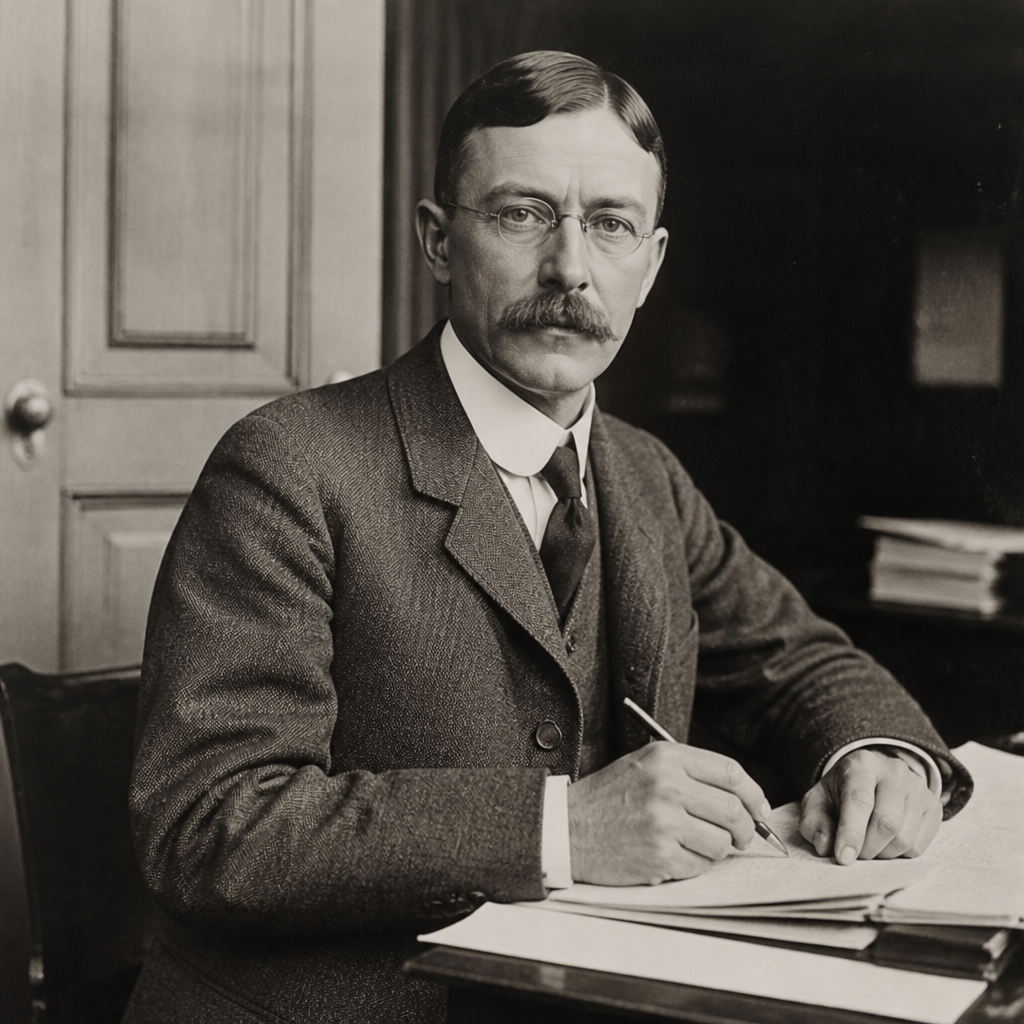
Henry Chadwick stands at the center of early baseball history because he did more than report games: he created the language, records, and standards that helped turn a local pastime into an organized national sport. Born in Exeter, England, in 1824 and raised in Brooklyn after immigrating to the United States, Chadwick became known as the father of baseball writing for his pioneering sports journalism, his development of baseball statistics, and his role in explaining the game to a growing public. In the context of early baseball, “writing” means far more than newspaper coverage. It includes scorekeeping, rules interpretation, season summaries, player evaluation, and the creation of terms and systems that made games comparable across cities and years. That distinction matters because baseball in the mid-nineteenth century was still unstable. Rules differed by club, match reports were inconsistent, and public understanding varied widely. I have worked through nineteenth-century box scores and Chadwick-era guides often enough to see the same pattern: once his methods appear, the sport becomes easier to follow, debate, and preserve. For anyone studying early players and innovators, Chadwick is the hub figure connecting athletes, clubs, leagues, and readers. He translated action on the field into durable information, and that information shaped how stars were recognized, how teams were judged, and how baseball built legitimacy. Understanding Henry Chadwick is essential to understanding why early baseball survived, spread, and became a professional spectator sport.
Who Henry Chadwick Was and Why His Work Changed Baseball
Henry Chadwick did not invent baseball, but he helped invent the way baseball was understood. Before specializing in sports, he wrote on music and cricket, and those influences mattered. Cricket had an established statistical culture, formal scorecards, and a literate audience comfortable with analytical coverage. Chadwick brought similar discipline to baseball at a moment when the game needed structure. Writing for publications including the New York Clipper and later the Brooklyn Eagle, he covered matches in detail, promoted leading clubs, and pushed for common standards in reporting. His journalism reached players, club officers, and ordinary readers, which made him far more influential than a beat writer in the modern sense.
His significance becomes clearer when placed alongside early players and innovators. Alexander Cartwright is associated with codifying rules. Doc Adams contributed to field dimensions, equipment practices, and club administration. William Rufus Wheaton recalled crucial early rule discussions. Players such as Jim Creighton, Cap Anson, Albert Spalding, Candy Cummings, and later King Kelly gave the game personalities and techniques that fans could follow. Chadwick connected all of them. He interpreted innovations, compared performances, defended reforms, and turned scattered local achievements into a shared baseball culture. In practical terms, a great player in 1860 needed a writer like Chadwick for fame to travel beyond the home grounds.
He also championed baseball during a competitive period when other bat-and-ball games, especially cricket, still had prestige. Chadwick initially admired cricket’s order and statistical seriousness, yet he recognized that baseball’s faster pace and urban accessibility made it better suited to American spectators. He explained that appeal repeatedly in print. His reports were not neutral transcripts; they were arguments that baseball deserved public attention, standardized rules, and informed criticism. That advocacy helped the sport attract newspapers, spectators, club investment, and eventually professional infrastructure.
How Chadwick Invented Baseball’s Written Language
One of Chadwick’s most important contributions was creating a consistent written language for baseball. Modern fans take abbreviations such as “R” for runs, “H” for hits, and positional numbering for granted, but those conventions emerged because someone had to define what belonged in a baseball record. Chadwick developed the box score into a compact summary that could capture team and individual performance in a newspaper column. The box score did more than save space. It made games legible to people who had not attended, and it let readers compare clubs across dates and regions.
His scorekeeping approach also imposed accountability. Once outs, runs, putouts, assists, and errors were consistently recorded, arguments about a player’s value could rely on evidence rather than pure reputation. Chadwick’s fielding emphasis reflected nineteenth-century conditions, when rough grounds, lively bats, and barehanded techniques made defense central to results. Some of his evaluative assumptions now look dated, especially his preference for batting average and defensive counts over measures that modern analysts value more highly. Still, the larger point is decisive: he made baseball measurable. Without measurement, there is no enduring history.
He influenced terminology as well. Words such as “battery,” referring to pitcher and catcher together, entered baseball usage through Chadwick’s writing culture. He helped standardize narrative patterns too: the game account, the season review, the player sketch, and the comparative club analysis. Those forms still define baseball journalism. When today’s readers move from recap to standings to player splits, they are using a structure Chadwick helped pioneer in print during baseball’s formative decades.
Chadwick’s Statistical Legacy and the Box Score Revolution
Chadwick’s reputation rests heavily on statistics because his methods gave baseball a repeatable memory. He formalized the box score in the 1850s and expanded annual reference works that gathered season data, rules, club information, and commentary. That was revolutionary. A single game report can entertain, but a season of standardized records creates accountability, argument, and history. Clubs could be ranked. Players could be compared. Trends could be noticed. A sport with records is harder to dismiss as a passing fad.
His preferred statistics reflected the baseball of his time. Batting average became central partly because it was straightforward and because Chadwick believed it captured offensive skill in a clean, communicable way. He also treated runs scored and fielding totals as major indicators. Today, analysts know batting average alone misses walks, power, and context, and raw fielding totals can be misleading because more chances do not always mean better defense. Yet Chadwick’s system deserves credit for building the first common statistical grammar. Every later advance, from on-base percentage to Wins Above Replacement, depends on the basic premise that performance can be systematically recorded and debated.
| Chadwick Contribution | What It Did in the 19th Century | Why It Still Matters |
|---|---|---|
| Box score standardization | Summarized games consistently across newspapers | Created the foundation for baseball records and recaps |
| Batting average promotion | Offered a simple measure of hitting success | Established statistical comparison as part of fandom |
| Annual guides and compilations | Collected rules, standings, and player information | Preserved the early history of teams and innovators |
| Scorekeeping conventions | Made official records more uniform and trustworthy | Enabled modern databases, research, and historical analysis |
From direct experience using historical baseball archives, I can say Chadwick’s influence is obvious the moment a box score appears in recognizable form. Research accelerates because identities, outcomes, and contributions become clearer. That change affects not only famous stars but also lesser-known players and clubs that would otherwise vanish from the record. In that sense, Chadwick did not just analyze baseball. He preserved it.
His Relationship to Early Players and Innovators
As a hub topic within early players and innovators, Chadwick’s story works best when connected to the people he covered and influenced. Jim Creighton, often considered baseball’s first true star pitcher, benefited from Chadwick’s detailed attention during the 1860s. Creighton’s dominance, style, and celebrity became legible to distant readers because Chadwick and similar writers described his performances in concrete terms. When Creighton died young in 1862, his fame had already been amplified by the emerging sports press. That pattern repeated with later figures. Chadwick helped readers understand why Albert Spalding mattered as a pitcher, executive, and entrepreneur, and why Cap Anson mattered as a hitter and field leader.
He also engaged the game’s rule makers and administrators. Chadwick advocated reforms intended to improve fairness, pace, and public appeal. He supported changes to scoring and aspects of gameplay that would reduce confusion. At times he argued forcefully, and not every proposal won immediate acceptance. That tension is part of his importance. Innovators do not merely celebrate a sport; they pressure it to become clearer and better organized.
His relationships with players were not always detached. Nineteenth-century sportswriting often blended access, advocacy, moral judgment, and criticism. Chadwick praised effort, skill, and sportsmanship, but he could also attack rough conduct or poor administration. Because professional norms were still forming, his columns helped define what baseball people thought respectable behavior looked like. He therefore shaped not just reputations for talent, but reputations for character and professionalism.
How Chadwick Helped Build Professional Baseball
Baseball’s shift from amateur club culture to commercial professional sport did not happen through salaries alone. It required publicity, standardization, and a dependable information system. Chadwick contributed to all three. By publicizing clubs and players, he helped create demand. By promoting consistent records and rules, he made competition easier to organize and sell. By publishing guides and season commentary, he gave fans reasons to follow baseball beyond a single afternoon at the grounds.
The formation of the National Association of Base Ball Players in 1857 and later professional developments gained from this information culture. A league or association cannot function well when clubs keep incompatible records or when newspapers report games in conflicting formats. Chadwick’s methods reduced that friction. He also legitimized baseball as a subject worthy of sustained newspaper space, which mattered in an era when editors closely guarded column inches. Once baseball proved it could generate repeat readership, the sport gained a commercial engine alongside its competitive one.
There were limits to his vision. Like many nineteenth-century baseball figures, Chadwick wrote within a culture shaped by racial exclusion, class assumptions, and uneven national access. His work helped professionalize the sport that became mainstream white organized baseball, but that same historical environment marginalized many Black players and clubs from the dominant printed record. Any serious assessment of Chadwick should recognize both achievements and the blind spots of the system in which he operated.
What Chadwick Got Right, What Later Baseball Changed
Chadwick was right about several fundamentals that still define baseball. First, games need standardized records to build trust. Second, fans care about comparison, not just spectacle. Third, journalism can shape rules, reputation, and growth, not merely describe outcomes. Those principles remain visible in modern media ecosystems, from official scorers to Statcast dashboards to season preview magazines.
At the same time, later baseball moved beyond some of his assumptions. He favored batting average so strongly that other offensive contributions could be undervalued. Modern analysis shows why on-base percentage and slugging percentage often describe run creation more effectively. He also worked in a scoring environment where errors were charged differently and where defensive statistics were highly context dependent. That means historians must read nineteenth-century numbers carefully rather than importing modern interpretations without adjustment.
Even so, correcting Chadwick is different from replacing him. The tools used by Baseball-Reference, Retrosheet, FanGraphs, and the Elias Sports Bureau all descend from the recordkeeping culture he advanced. Official Baseball Rules and scorer judgments still rely on the idea that a baseball event can be classified, preserved, and compared. Chadwick established that intellectual habit. Once it existed, the sport could keep refining it.
Why Henry Chadwick Still Matters in Early Baseball History
Henry Chadwick matters because he gave baseball continuity. He linked informal local matches to organized competition, isolated heroes to recognized stars, and fleeting events to historical record. For readers exploring early players and innovators, he is the essential hub because his work touches nearly every major development in the sport’s first decades: rules, statistics, journalism, professionalism, and public memory. Without Chadwick, baseball might still have grown, but it would have grown with weaker records, murkier standards, and fewer durable stories.
The clearest takeaway is simple. Players and inventors shaped what happened on the field, but Chadwick shaped how the game was seen, measured, and remembered. That made baseball easier to follow in his own time and easier to study in ours. If you are building a deeper understanding of early baseball history, start with Chadwick, then follow the trail outward to pioneers such as Cartwright, Doc Adams, Jim Creighton, Albert Spalding, and Cap Anson. Their achievements become sharper when viewed through the records and language Chadwick helped create. Use this hub as the starting point for that broader journey through the people who turned early baseball into a durable American sport.
Frequently Asked Questions
Who was Henry Chadwick, and why is he called the father of baseball writing?
Henry Chadwick was one of the most influential figures in the early history of baseball because he helped define how the game was described, recorded, and understood by the public. Born in Exeter, England, in 1824, he later moved with his family to Brooklyn, where he became deeply involved in the fast-growing American sports scene. At a time when baseball was still developing its identity, Chadwick brought structure and clarity to the way the game was covered in newspapers. Rather than simply reporting who won and lost, he explained strategy, highlighted standout performances, and gave readers a consistent way to follow the sport.
He earned the title “father of baseball writing” because his work went far beyond journalism in the ordinary sense. Chadwick created standards for game coverage, introduced methods for tracking performance, and helped establish baseball as a subject worthy of serious public attention. His columns made the sport more understandable to new fans, while his analytical approach gave players, clubs, and readers a common language for discussing the game. In many ways, he turned baseball from a local amusement into a documented, discussable, and nationally followed sport.
How did Henry Chadwick influence baseball statistics and scorekeeping?
Henry Chadwick played a foundational role in the creation of baseball statistics and scorekeeping, and his influence is still felt in the sport today. In baseball’s early years, there was little consistency in how games were documented, which made it difficult to compare teams, evaluate players, or preserve an accurate historical record. Chadwick recognized that if baseball was going to be taken seriously, it needed reliable methods of measurement. He helped popularize the box score, a compact format that allowed readers to see the basic story of a game at a glance. That innovation made baseball coverage more precise and much easier for newspapers to publish consistently.
He also promoted statistical categories that became central to the sport’s identity, including batting average and earned run average in early forms of evaluation. Even when some of his ideas were later refined or replaced, his larger achievement was creating the habit of measuring baseball performance numerically. Chadwick believed statistics could help explain why a team won, which players contributed most, and how the game should be understood beyond anecdote or opinion. That mindset laid the groundwork for modern baseball analysis, where numbers remain a core part of the sport’s culture, media coverage, and strategic thinking.
What impact did Henry Chadwick have on the growth and popularity of baseball in the United States?
Henry Chadwick had a major impact on baseball’s rise from a regional pastime to a nationally recognized sport because he made the game accessible to a broad audience. In the nineteenth century, many Americans were still unfamiliar with baseball’s rules, flow, and appeal. Chadwick’s newspaper writing helped bridge that gap. He explained the game in clear, engaging language, introduced readers to its tactics and personalities, and encouraged a deeper appreciation of its competitive structure. His articles gave baseball legitimacy at a time when public interest alone was not enough to guarantee long-term success.
Just as important, Chadwick helped create continuity around the sport. Through consistent reporting, standardized records, and comparative statistics, he made it possible for fans in different cities to follow the same teams, players, and developments. That kind of shared knowledge is essential to the growth of any major sport. Readers could now debate player performance, track club success, and feel connected to baseball beyond the local ballpark. In that sense, Chadwick did not simply write about baseball’s popularity—he actively built it by shaping how the public experienced the game.
Did Henry Chadwick help shape the rules and standards of baseball?
Yes, Henry Chadwick helped shape baseball’s rules and standards, even though he was not primarily known as a player or club executive. His influence came through advocacy, analysis, and public persuasion. Because he covered the sport so closely, he was in a strong position to comment on what worked, what confused fans, and what reforms might improve the game. His opinions carried weight, and he used his platform to argue for changes that would make baseball more orderly, fair, and appealing to spectators.
Chadwick supported the standardization of rules during a period when the sport was still evolving and different clubs could operate under varying expectations. He believed baseball needed consistency if it was going to mature into a truly organized competition. His writing helped push the game toward clearer procedures and more formalized practices. While many people contributed to baseball’s development, Chadwick was especially important because he translated those debates for the public and reinforced the idea that baseball should be governed by stable, recognizable standards. That role helped strengthen the sport’s credibility and made it easier for baseball to grow across regions and generations.
Why does Henry Chadwick still matter in baseball history today?
Henry Chadwick still matters because so much of modern baseball culture rests on the foundation he helped build. Every time fans read a box score, compare batting numbers, discuss performance trends, or look back at historical records, they are participating in traditions Chadwick helped establish. His importance is not limited to one invention or one era. Instead, his legacy lies in the systems he created and the perspective he introduced: that baseball should be carefully observed, clearly explained, and consistently recorded.
He also remains important because he showed the power of sports writing itself. Chadwick proved that journalism could do more than entertain; it could organize public understanding, elevate a sport’s reputation, and shape its future. For historians, he is a crucial link between baseball’s informal beginnings and its emergence as a structured national game. For fans, he represents the origin of many habits now taken for granted, from statistical comparison to detailed game analysis. That is why Henry Chadwick continues to be remembered not just as a writer who covered baseball, but as one of the people who helped invent the way baseball is followed, interpreted, and remembered.