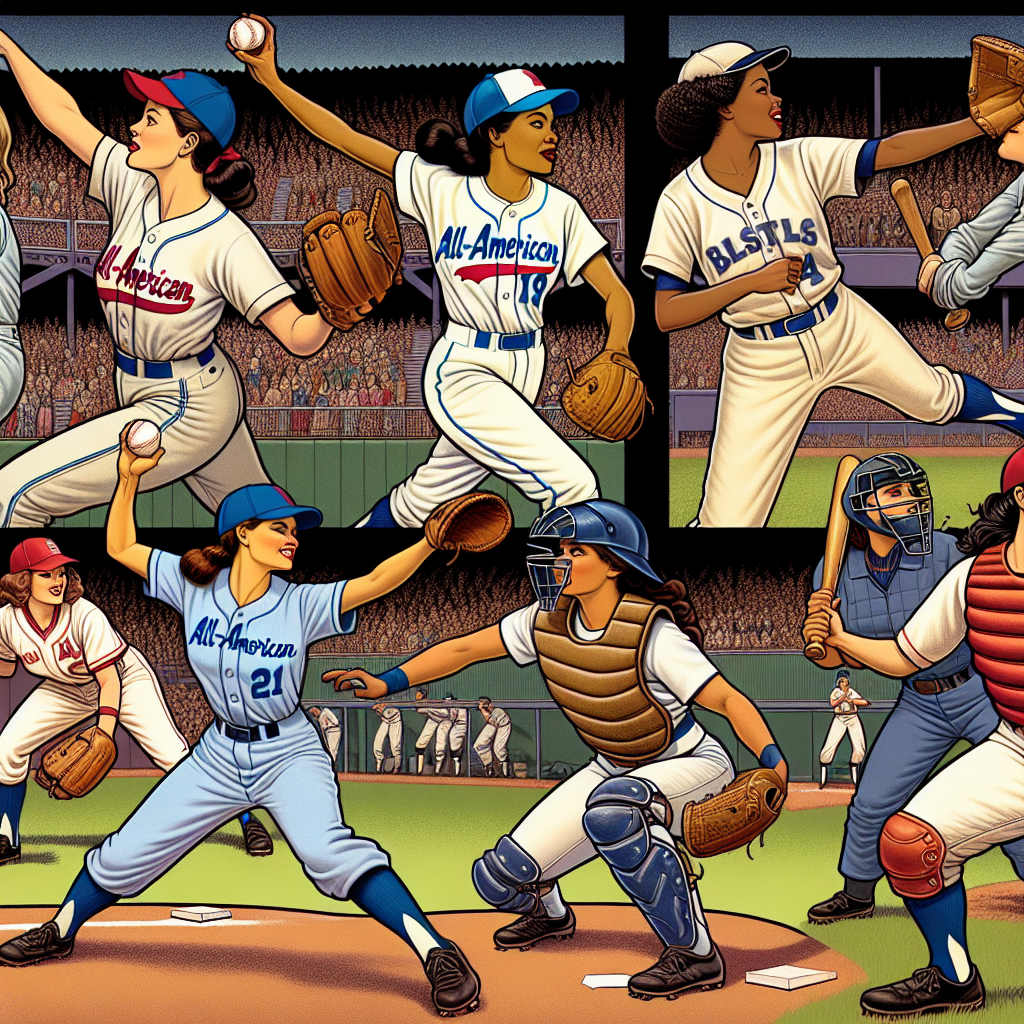
When we think about baseball, players like Babe Ruth, Jackie Robinson, or Derek Jeter often come to mind, each having left a significant mark on the game. Yet, nestled amid this male-dominated sport lies a chapter that doesn’t garner as much attention but is equally significant—the All-American Girls Professional Baseball League (AAGPBL). Founded during World War II, this league was more than just a diversion; it represented a groundbreaking opportunity for women in sports, challenged gender norms, and ignited a cultural phenomenon that would subtly influence baseball and society long after its run. The AAGPBL was unlike any other baseball institution at the time because it wasn’t merely about entertainment but about proving that women could rise to the challenge on the field just as well as their male counterparts.
The story of the AAGPBL begins in 1943 amid the chaos of World War II when American men were shipped overseas, and many professional sports leagues were at risk of folding due to player shortages. Philip K. Wrigley, owner of the Chicago Cubs, saw an opportunity not only to keep baseball alive but also to engage the home front’s spirit through women’s baseball. This was an era when women traditionally had been confined to specific roles, but now they were taking on jobs and responsibilities left behind by men joining the war effort. In this context, the formation of a women’s professional baseball league wasn’t merely a necessity—it was revolutionary.
The league’s first season featured four teams: the Racine Belles, Kenosha Comets, Rockford Peaches, and South Bend Blue Sox. The games captivated large audiences, filling stadiums with fans keen to witness what women could bring to the diamond. The AAGPBL started as a hybrid between a softball and baseball league, evolving into a genuinely unique form of baseball as time progressed. Despite its eventual demise in 1954, the AAGPBL left an indelible mark on baseball and the societal expectations of women athletes.
The Formation and Impact of the AAGPBL
The creation of the AAGPBL was a direct response to the potential decline of professional baseball during World War II. Viewed initially as merely a temporary solution until male players returned, the league quickly demonstrated the potential for women in professional sports. Philip K. Wrigley envisioned it as both a patriotic effort to boost morale and a business venture to maintain interest in baseball. However, Wrigley managed to combine popular pastimes like softball and baseball, which were both familiar to local collegiate and recreational leagues that women participated in, into a unique sporting experience.
The introduction of the league was laden with societal implications. At first, players were reluctant to join, fearing backlash from a society that viewed athletic women with skepticism. However, as society became accustomed to the sight of women in traditionally male-centric roles during the war, the presence of these female athletes became more acceptable. The athletes wore skirts and lipstick, combining sporting prowess with feminine appeal to ease societal tensions around gender roles. This dual approach allowed the league not only to survive but to thrive within the confines of their cultural context.
Moreover, the AAGPBL provided a platform for women to showcase their skills and earn a living through sport, challenging the prevailing gender norms and introducing an early dialogue surrounding women’s roles in professional athletics. Games were broadcasted and reported upon, attended by thousands, proving that there was not only a market for women’s sports but a growing acceptance of women as athletes. Their prowess and tenacity marked the beginning of a shift in how women in sports were viewed by society.
Players and Their Stories
Behind each team and game in the AAGPBL were remarkable women whose stories deserve to be celebrated. Take, for example, Dottie Kamenshek, a renowned player whose talents inspired the character “Dottie Hinson” in the movie “A League of Their Own.” Kamenshek was known for her exceptional hitting skills and fierce competitiveness. She was regarded as one of the best players in the league, a testament to the level of talent that existed in the AAGPBL.
Another notable player was Toni Stone, who later became the first woman to play in the Negro American League, breaking another significant barrier for women in baseball. Stone’s determination and talent brought attention to gender and racial inequalities in sports at the time. Her legacy serves as a reminder of the dual battles many of these players faced: fighting both sexism and racism.
Then there was Sophie Kurys, known as “The Flint Flash”. She held the stolen base record in a single season and was known for her incredible speed and strategic gameplay. These players and many others were pioneers, laying groundwork that would inspire future generations of female athletes. Their statistically significant performances and perseverance in the face of skepticism were testament to their skill and passion for the game.
These women’s stories have gained new resonance in light of contemporary movements for equality and representation, demonstrating the enduring influence of the AAGPBL and the trailblazing women who played in it.
Challenges and Societal Perceptions
Despite the landmark achievements of the AAGPBL and its players, the road was far from smooth. Public perception was a constant challenge, as traditionally, sports were viewed as a male domain. Initially, there was a great deal of skepticism about women competing at such levels. The league had to continuously promote its athletes as both skilled competitors and paragons of femininity to align with society’s prevailing standards.
Players were required to attend charm school, wear skirts as part of their uniforms, and adhere to strict codes of conduct and appearance that emphasized traditional femininity. There were ongoing debates regarding whether the attention should be placed on their athletic ability or their attractiveness. The irony was not lost that while the male players were celebrated for their raw, athletic prowess, the women had to balance this with maintaining an image that conformed to socially accepted norms of womanhood.
Despite these challenges, the players of the AAGPBL chose to focus on their love for the game and the unprecedented opportunity it provided. They faced significant discrimination and ridicule but persevered, earning the respect and admiration of many fans and detractors alike. The resilience of these women, many of whom built lasting careers around their baseball talents, highlights the enormity of their accomplishments, often overshadowed by the gender-based challenges they faced.
The Legacy of the AAGPBL
Though the AAGPBL dissolved in 1954, its impact can still be felt today in various realms of the sporting world. It demonstrated the viability and potential of women’s professional sports, laying foundational steps for future leagues and female athletes. Pioneers like the women of the AAGPBL helped break down barriers and expand opportunities, refusing to be limited by the societal constructs of their time.
Moreover, the league’s influence is seen through the increased acceptance of women in sports, the creation of more leagues for women’s baseball and other sports, and the ongoing dialogue about equality in sporting opportunities. It set a precedent for women’s capability and skill in professional sports, a valid argument point in any discussion regarding gender equality in athletics today.
Many of the former players continued to engage in sports and became coaches, mentors, and advocates for women in athletics. Their stories, once largely untold, began to receive the recognition they deserved with increased media attention and cultural portrayals such as the renowned film “A League of Their Own.” This helped to reignite interest and inspire new generations of young girls dreaming of careers in sports.
Conclusion
The All-American Girls Professional Baseball League was much more than a wartime anomaly; it marked a significant chapter in both baseball and the broader struggle for gender equality. Despite its relatively short existence, the league challenged prevailing gender norms, provided opportunities for women in sports, and proved that women were capable of competing at professional levels. Its legacy continues to inspire, reminding us of the necessity to push for equity and representation across all fields and facets of life.
The story of the AAGPBL remains relevant as societies worldwide continue to battle with issues of gender disparity. The dedication and talent displayed by the league’s players laid a groundwork—from which modern athletes, advocates, and forward-thinkers can draw inspiration as they seek to create broader opportunities for women in sport. The once-untold stories of the AAGPBL have, in many ways, now become essential chapters within the narrative of women’s ongoing fight for equality, underscoring the awe-inspiring spirit and determination of those who dared to step onto the playing field against the odds.