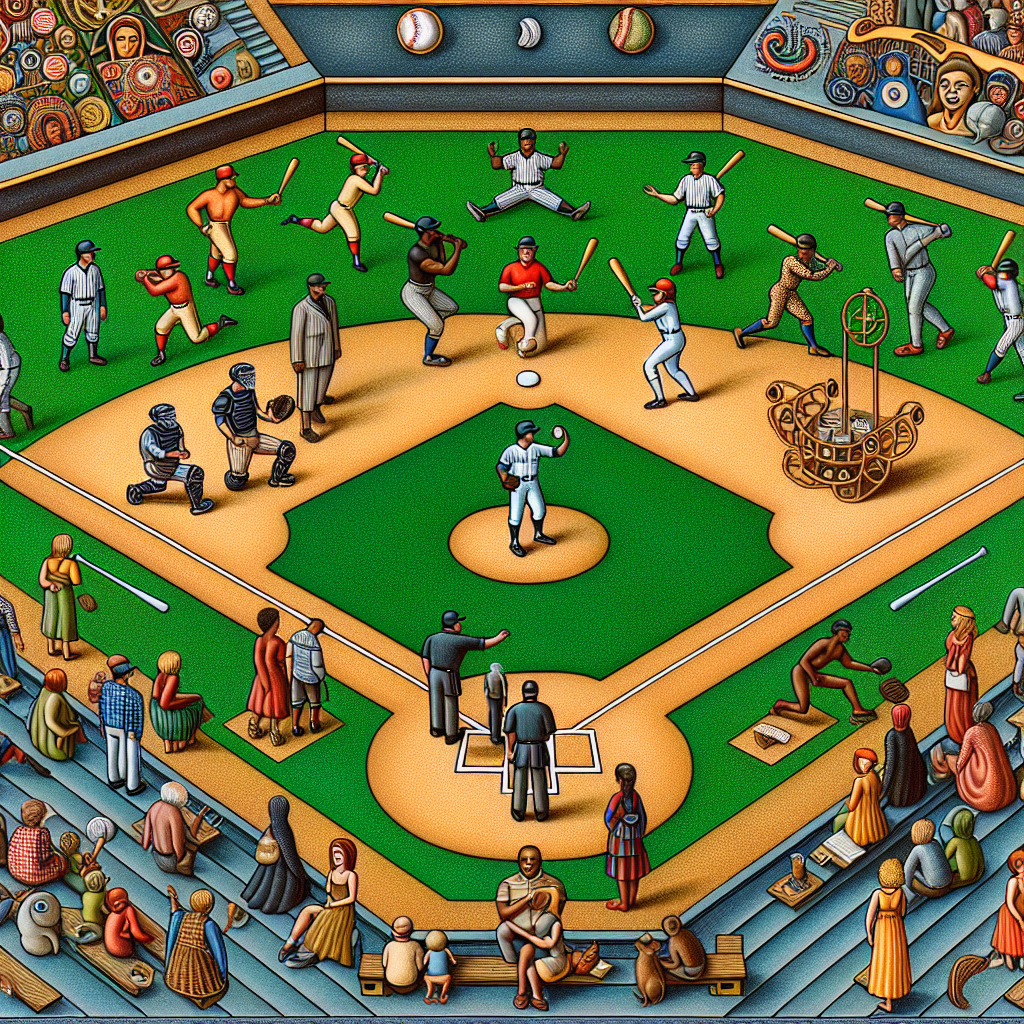
Baseball isn’t just a sport; it’s a cultural phenomenon, deeply embedded in the social fabric of America and increasingly around the world. As the saying goes, it’s as American as apple pie. The rich history of baseball is not merely a tapestry of home runs, epic seasons, and unforgettable players; it’s a reflection of societal dynamics and cultural shifts. The sociology of baseball offers a lens to view broader societal transformations, including issues of race, class, gender, and technology. Examination of these facets provides insights into how baseball mirrors societal structures, how it challenges norms, and how it evolves alongside the socio-political climate.
Baseball and Racial Integration
One of the most significant societal reflections in baseball is the story of racial integration. When Jackie Robinson broke the color barrier in 1947, he did more than just secure a spot in the Major Leagues; he ignited a movement that resonated throughout society. His entry into the world of professional baseball was both a reflection of and an impetus for the burgeoning Civil Rights Movement. Robinson and those who followed him faced racist fans, skeptical teammates, and harsh discrimination, yet their perseverance contributed to dismantling racial barriers in the sport and beyond. This shift gradually opened up discussions about race and equality in other areas of society. Over time, Major League Baseball (MLB) has seen increasing diversity among players, serving as a microcosm for greater inclusivity in America. The reflection and promotion of diversity in MLB speak volumes of baseball’s role in mirroring and influencing racial discussions within the United States.
Baseball and Class Dynamics
Class distinctions have long been woven into the narrative of baseball. At its heart, baseball was known as a working-class pastime, a game accessible to all. It provided entertainment during the Great Depression when inexpensive distractions were desperately needed. Ballparks were considered melting pots, welcoming fans from various backgrounds. However, as the game evolved, so did its economic structures. Today, the economic barriers to entry, such as expensive gear and league fees, mirror wider class divides. Not only does this make it more challenging for lower-income families to foster young talent, but it also reflects the growing economic disparity in society. The rise of affluent teams and the staggering salaries of professional players epitomize debates about wealth distribution in society. In essence, the trajectory of baseball aligns with socioeconomic trends, showcasing disparities as well as communal efforts to bridge these gaps.
Gender and Baseball’s Glass Ceiling
When considering how baseball acts as a societal reflection, the discourse on gender cannot be ignored. Originally regarded as a man’s game, baseball has historically reinforced traditional gender roles. Women’s baseball leagues, though vibrant, received minimal attention, and women have consistently battled for recognition and opportunity within the realm of sports. The success of films like ‘A League of Their Own’ brought attention to women’s contributions, yet systemic barriers persisted. The ongoing conversation around women’s roles in baseball—right from players to officials and executives—reflects broader societal conversations about gender equality. Although strides are being made with female coaches and executives making headlines, the glass ceiling continues to be a glaring reality. Baseball provides a unique platform to highlight these societal shifts, as efforts to promote women within the sport parallel the societal push towards gender parity.

The Technology Transformation
The digital revolution has significantly impacted baseball, from gameplay and management to how fans engage with the sport. With advancements like data analytics taking center stage, baseball has become a pioneer in the intersection of sports and technology. The concept of ‘Moneyball’ heralded an era where big data influenced managerial decisions more than traditional intuition. Additionally, technology has transformed how enthusiasts consume baseball, with instant replays, virtual ballparks, and social media fostering global audiences. As society becomes ever more interconnected digitally, baseball serves as a prime example of traditional institutions adapting to technological advancements. This technological shift reflects broader societal trends towards analytics and innovation, emphasizing how baseball continually adapts while maintaining its traditional roots.
Baseball As a Unifying Social Fabric
Baseball’s role as a social unifier cannot be understated. Historically, it offered a semblance of normalcy and hope during tumultuous times. Following tragic events like 9/11, baseball provided solace and unity; the 2001 World Series, for instance, became a poignant symbol of national healing. This ability to bring people together extends internationally, as baseball’s presence grows overseas with leagues in Asia and Latin America fostering cross-cultural connections. The game acts as a common ground, suggesting that beneath societal challenges, there exists a collective human spirit longing for unity and understanding. This sociological component highlights baseball not only as a reflection of societal shifts but as a perpetual force that draws communities together.
Conclusion: Baseball’s Reflective Future
The sociology of baseball underscores the interplay between sport and society, demonstrating that the game is far more than its innings and statistics. As baseball continues to evolve, it reflects the complexities of social change, remaining a critical lens through which we can examine and discuss societal issues. It captures the quintessential spirit of eras past while remaining an active participant in shaping cultural narratives. By examining baseball’s responses to crucial sociopolitical shifts, we gain a richer understanding of its role in society and the enduring legacy it leaves. As long as baseball serves as a reflection of societal progression and issues, it will remain an invaluable tool for both historical and contemporary analysis. The sport doesn’t just echo the social changes—it engages with them, reminding us of the capacity sports have to inspire, connect, and reflect the essence of society.
Frequently Asked Questions
1. How does baseball reflect American society and cultural shifts?
Baseball acts as a mirror to American society by reflecting various social changes and cultural dynamics over time. Its origins date back to the 19th century, during which it began evolving in tandem with American society. The integration of players like Jackie Robinson in 1947 marked a pivotal moment not only in baseball but also in the broader civil rights movement, highlighting racial integration and progress. The sport itself has seen its own cultural shifts; from being a mere pastime to a business-dominated sport, reflecting changes in economic priorities and commercialism in society. Additionally, the ways in which baseball has embraced or resisted technology, like instant replays and data analytics, mirror societal debates about technology’s role in our lives. Thus, baseball isn’t just about home runs and strikeouts; it’s an evolving narrative about who we are as a society, highlighting our triumphs, challenges, and adaptations over time.
2. What role does gender play in the sociology of baseball?
Gender plays a significant role in the sociology of baseball, often spotlighting societal gender norms and barriers. Although baseball is traditionally seen as a male-dominated sport, women have carved out their own space, be it through the development of women’s leagues or as leaders and advocates pushing for equality. The inclusion of female sports reporters, broadcasters, and even executives reflects the broader evolution of gender roles in society. Despite the progress, challenges persist, such as the struggle for women to gain equivalent recognition and opportunities in this arena. The discussions around gender equity in baseball encapsulate broader societal conversations about the fight for inclusivity and the dismantling of historically imposed gender barriers.
3. How has baseball served as a platform for addressing racial issues?
Baseball has been a crucial platform for addressing racial issues, serving as both a battleground and a stage for racial integration and dialogue. The integration of Major League Baseball in 1947 with Jackie Robinson breaking the color barrier is a landmark event that underscored challenges and triumphs in the fight for racial equality. Historically, the Negro Leagues provided black athletes a platform to showcase their talent during segregation, which calls attention to the rich cultural history of African-American contributions to the sport. Today, the presence and celebration of players from diverse racial backgrounds continue to promote conversations about race, immigration, and cultural identity, mirroring broader social dynamics and ongoing battles for racial justice in America and beyond.
4. In what ways does baseball illustrate class distinctions?
Baseball beautifully illustrates class distinctions and highlights the ways in which socioeconomic factors influence access and opportunity. From the definition of who can afford to play and attend games, to discussions about rising ticket prices, baseball experiences reflect the broader economic divides present in society. Community baseball programs serve as grassroots opportunities to bridge these gaps, offering players from different socioeconomic backgrounds the chance to play on a common field. However, the commercialization of the sport often amplifies class distinctions, seen in disparities in resource allocation, facilities, coaching, and exposure. This mirrors the economic inequalities in our society, where even a sport seemingly accessible to all reveals deep-seated class-related differences.
5. How has technology impacted the sociology of baseball?
Technology has dramatically impacted the sociology of baseball, intertwining with the sport’s evolution to reflect wider technological trends in society. The introduction of innovations such as broadcast coverage, live-streaming games, instant replay, and data analytics mirrors technology’s broader penetration into daily life. Technologies like these have changed how both players and fans engage with the sport. While technology brought enhanced viewing experiences and improved fairness through accurate officiating, it also echoes concerns about the pace of life and data privacy in society. Moreover, increased use of advanced analytics impacts how teams are managed, reflecting the increased reliance on data and technology seen across other sectors. Thus, technology in baseball is not merely about modernizing a game but also reflects cultural tension regarding change, tradition, and the role of technology in contemporary society.