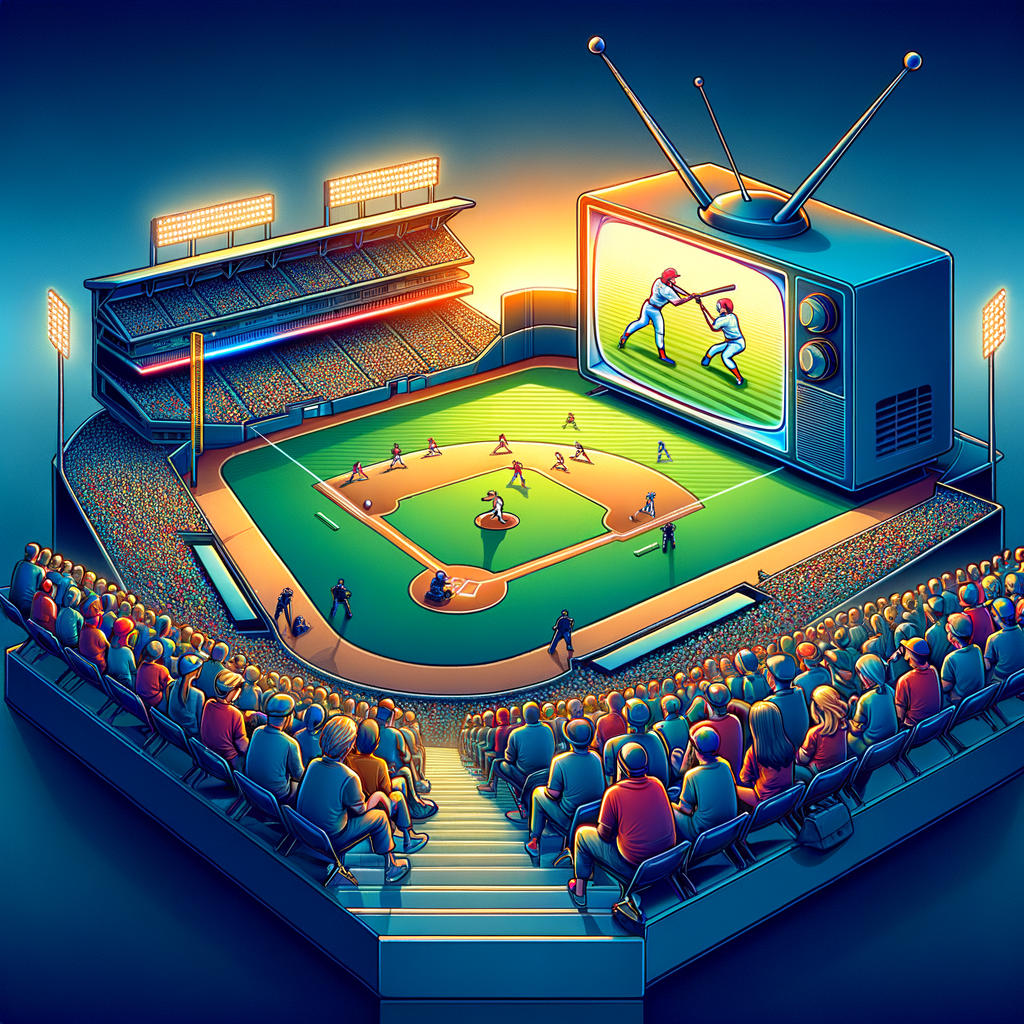
Baseball, known as America’s pastime, has been a significant part of American culture for over a century. The sport’s popularity has evolved dramatically over time, particularly due to technological advancements. One of the most profound influences on baseball’s popularity is television. Since its inception, television has fundamentally altered how baseball is consumed and perceived by audiences. Television’s impact ranges from changing the way games are broadcasted to influencing the economics of the sport and altering fan engagement. This article will delve deeply into the various ways television has influenced baseball’s popularity, examining both the positive and negative aspects. By understanding these elements, we can gain greater insight into how baseball has transformed from a mere spectator sport into a highly profitable entertainment industry. The journey of baseball in the television era is a fascinating tale of adaptation, innovation, and occasional controversy, exposing how a traditional sport embraces modernity while retaining its core essence.
Evolution of Broadcasts and Accessibility
The advent of television introduced baseball to a broader audience, revolutionizing the way fans interacted with the game. In its early days, baseball broadcasting on television was limited to local networks, offering fans access primarily to their home teams’ games. This limited exposure gradually expanded to a national level, thanks to major networks’ initiatives to acquire rights to broadcast baseball games. As television technology advanced, the quality of the broadcasts improved, offering clearer visuals and better audio quality, enhancing the viewing experience. The proliferation of cable television in the 1980s significantly expanded baseball’s reach. Networks dedicated exclusively to sports emerged, with baseball taking center stage. ESPN, for example, began broadcasting Major League Baseball (MLB) games in 1990, offering fans unprecedented access to games across the country. This accessibility brought baseball into the homes of millions more viewers, transforming casual viewers into dedicated fans.
Impact on Fan Engagement and Experience
Television has played a crucial role in increasing fan engagement with baseball. Through televised games, fans now have the opportunity to follow their favorite teams and players more consistently. Before television, attending games in person was the primary way to experience baseball. Television eliminated geographical barriers, allowing fans from distant places to partake in the excitement of live games. Additionally, commentary and analysis provided during broadcasts have enriched the viewer’s understanding and enjoyment of the game. Commentators offer insights into strategies, player statistics, and game developments, which enhance the educational aspect of watching baseball. Over the years, innovations such as instant replay, multiple camera angles, and graphics have transformed the viewing experience, making it more dynamic and engaging.
Financial Growth and Marketing Opportunities
The introduction of television revolutionized the financial dynamics of baseball. Broadcast rights became a significant revenue source for Major League Baseball and its franchises. Networks paid exorbitant amounts for the privilege of airing games, recognizing the financial profit to be gained through advertising during televised broadcasts. Consequently, the sport’s financial model shifted, with television revenue becoming indispensable. This setup also opened the door to lucrative advertising deals and sponsorships, benefiting teams, players, and the league itself. Televised games offer numerous advertising opportunities, from commercials during breaks to brand placements within the game. This symbiotic relationship between television and baseball advertising has fueled the sport’s economic engine, driving financial growth at all levels.
Celebrity and Icon Creation
The television era has played a significant role in creating baseball celebrities and icons. Players who might have gone unnoticed before television are now catapulted into stardom through widespread exposure. Televised games allow players to showcase their talents to a national audience, creating personalities that resonate with fans worldwide. Television has enabled fans to connect on a personal level with players, thanks to increased exposure and coverage of their on-field performances and off-field lives. Baseball stars such as Babe Ruth and Jackie Robinson gained notoriety partly because television brought their achievements to a broad audience. Television’s ability to create and sustain baseball icons heavily influences fan loyalty and player marketability, drawing fans to the sport and increasing viewership.
Challenges and Criticism
Despite television’s positive impacts, it has also introduced challenges within baseball. Critics often point to television’s role in altering the game’s natural pace. Televised games are stretched by frequent commercial breaks, sometimes leading to games that feel prolonged or disrupted. Purists argue that the game’s rhythm is compromised due to broadcasters prioritizing advertiser requirements. Additionally, the economic dynamics brought about by television can create disparities between teams. Wealthier franchises benefit from larger broadcasting deals, enabling them to spend more on player salaries, potentially leading to competitive imbalances. Market size, therefore, becomes a determinant in a team’s financial capacity, adding an extra layer of complexity to the sport’s old competitive spirit.
Emergence of Broadcast Technology
The evolution of broadcast technology within the era of television has brought significant innovations to baseball. The integration of high-definition broadcasts and virtual graphics has made the viewing experience more lifelike and interactive. With the introduction of specialized camera systems such as Skycam and close-up shots, fans can enjoy a more immersive experience, akin to being at the ballpark. Additionally, features like pitch tracking, graphic overlays, and statistical displays contribute to a deeper understanding and appreciation of the game. Technology has become a bridge connecting casual viewers to the sophisticated aspects of baseball, expanding its appeal to a broader demographic.
Cultural Impact and Legacy
The influence of television on baseball extends beyond the sport’s sphere; it also has cultural implications. Baseball games broadcasted on television reached households across the nation, impacting family routines and traditions. Baseball games became events around which families gathered, fostering a sense of communal experience and shared memories. This phenomenon magnified baseball’s position as a cultural pillar and a symbol of shared American values. Television also documented key historical moments within baseball, preserving its legacy for future generations. Moments like Hank Aaron breaking Babe Ruth’s home run record or the dramatic wins of the Boston Red Sox are forever immortalized through the power of television. These broadcasts extend baseball’s importance beyond the confines of sport, embedding it deeply within the cultural and historical narrative of America.
A Changing Landscape: Streaming and Digital Revolution
In recent years, the rise of digital platforms and streaming services has introduced a new era to baseball viewing. Television remains critical, but streaming services are rapidly changing how fans consume baseball content. Platforms like MLB Network, YouTube, and various sports streaming services offer alternative ways for fans to watch games live or on-demand. The accessibility and convenience offered by streaming technology cater to changing consumer preferences, especially among younger demographics who favor flexible viewing options over traditional television schedules. As streaming services evolve, they bring new opportunities for fan engagement, interaction, and content customization, ensuring baseball remains relevant amidst a rapidly shifting media landscape.
Conclusion
In summary, the impact of television on baseball’s popularity is multifaceted and profound. Television has been instrumental in broadening the reach of baseball, turning local games into national events and allowing fans from all corners of the country to participate in the journey of their favorite teams. This vast exposure has been pivotal in cultivating a new generation of fans and sustaining baseball’s status as a beloved American pastime. Television’s role in elevating baseball’s economic viability cannot be overstated, contributing to everything from advertising revenue to player salaries. Yet, it has also introduced challenges, influencing the sport’s pace and competitive balance. Despite these challenges, television has left an undeniable legacy on baseball, shaping its modern identity and maintaining its cultural prominence. As we transition into a digital future driven by streaming services and online platforms, the lessons learned from television’s impact on baseball will guide the sport in navigating new technological frontiers. Baseball, with its rich history and embrace of technological change, continues to enthrall audiences, proving that while mediums may evolve, the love for the game endures.
Frequently Asked Questions
1. How has television influenced the way baseball games are broadcasted?
Television revolutionized how baseball games are broadcasted by introducing fans to a closer, more personal view of the action on the field. Before TV, fans had to attend games in person or listen to them on the radio. When television arrived, it provided audiences with the ability to watch games from the comfort of their homes. This innovation allowed networks to show multiple camera angles, instant replays, and slow-motion shots, enhancing the viewer’s experience far beyond what was previously possible. It brought the game to life in ways that radio and static news reports couldn’t. The technique of broadcasting not only improved viewer engagement but also opened up the game to new audiences who might not have had the opportunity to attend live games. Television made baseball more accessible and engaging, contributing significantly to its popularity.
2. What role did television play in increasing baseball’s fanbase?
The advent of television played a crucial role in expanding baseball’s fanbase by making the sport accessible to a broader demographic. Before television, the fanbase was largely regional, mainly comprised of people living in cities with baseball teams. Television allowed fans from across the country to follow teams and players, fostering nationwide allegiances and interest in the league. Networks began to broadcast more games, showcasing teams and players to viewers who might never have seen them in person. This national exposure helped create household names out of stars players and moments that would become iconic. It wasn’t just about fandom; television also broadened fans’ understanding of the game, bringing the nuances, strategies, and emotional highs and lows into living rooms everywhere, thus cementing baseball’s place as a staple in American pop culture.
3. How did television change the economic landscape of baseball?
Television dramatically altered the economic landscape of baseball by introducing new revenue streams and changing the financial dynamics of the sport. With televised games came lucrative broadcasting rights deals, as networks vied for the chance to show popular teams and games. These deals brought in substantial income for Major League Baseball and individual team owners. This influx of cash contributed to the financial health of the sport, allowing teams to invest in stadiums, high-caliber players through competitive salaries, and marketing campaigns to grow the fanbase further. Furthermore, advertising became an integral part of televised baseball. Commercials aired during game breaks became extremely valuable real estate. The importance of television deals continues to grow, often making up a significant portion of a team’s revenue, showing how deeply intertwined the medium and the sport have become.
4. In what ways has television shifted the cultural perception of baseball?
Television has had a profound impact on cultural perceptions of baseball by shaping how narratives around the sport are created and consumed. With widespread broadcasting, the sport became a staple of family entertainment, leading to generational ties and traditions tied to watching games together. Television brought storytelling to the forefront, providing platforms for announcers and analysts to narrate the sport’s history and its legends, creating mythic personas around players and transformative events. This narrative-building strengthened baseball’s place not only as entertainment but as an essential thread in the fabric of American life. It transformed players into celebrities and highlighted the drama inherent in the sport, creating emotional connections with viewers. Moreover, televised baseball games became special events that marked important occasions, like the World Series, further embedding the sport in American tradition and culture.
5. What are some challenges that baseball has faced due to television?
While television has significantly boosted baseball’s popularity, it has also introduced several challenges. One of the main issues has been the concern over game length. As attention spans have shortened, particularly in a digital age filled with endless entertainment options, long baseball games can impact viewership. To address this, the league has experimented with various measures to speed up play. Additionally, the saturation of games on television can sometimes lead to viewer fatigue, with fans choosing to only tune in to specific games or important series rather than watch casually. Moreover, while lucrative, intense competition for broadcasting rights can create disparities between teams, where large-market teams benefit more than their smaller-market counterparts, affecting league parity. Balancing commercials with maintaining game flow has also been a point of contention. Despite these challenges, television remains a vital tool in maintaining and growing the sport’s popularity.