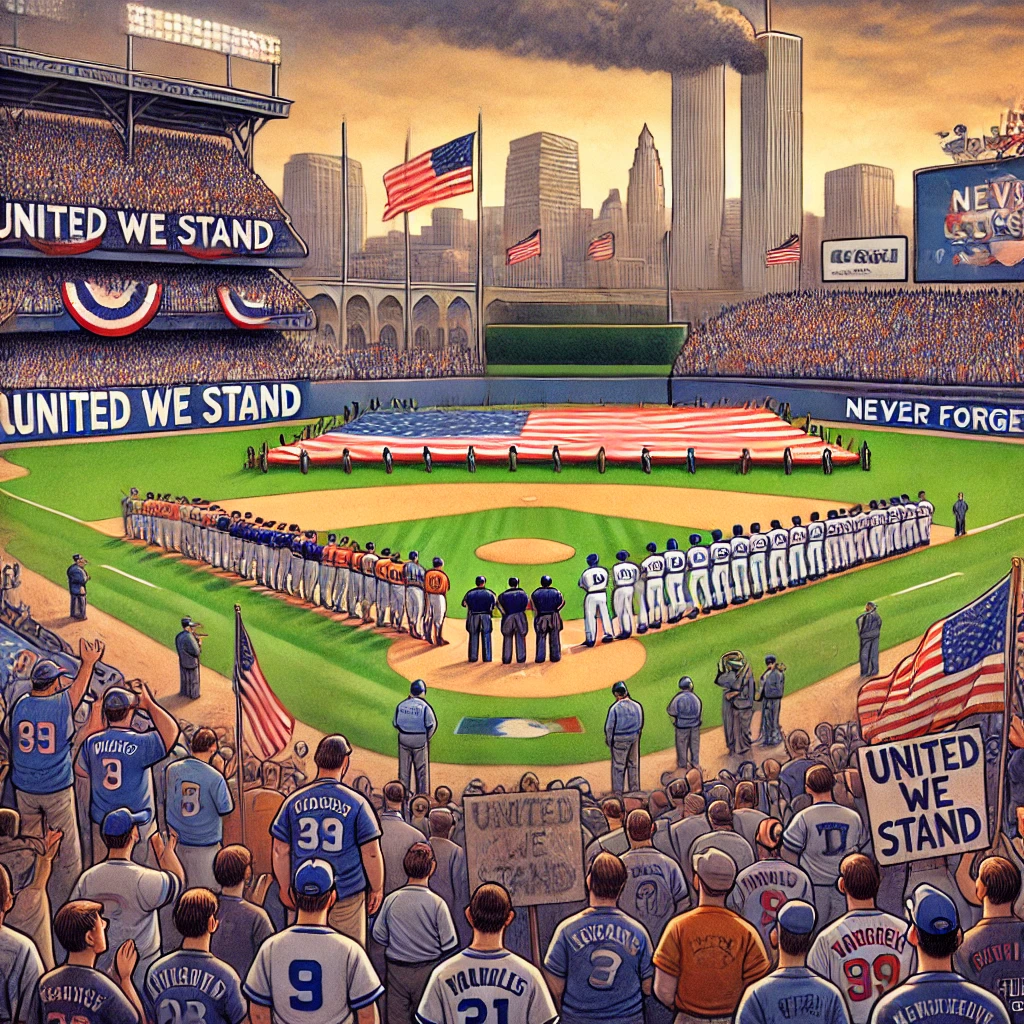
The crisp autumn air of September 2001 usually signaled the thrilling crescendo of Major League Baseball’s regular season, a prelude to the drama of the postseason. Yet, on September 11, 2001, the world, and indeed the world of baseball, irrevocably changed. The horrific terrorist attacks on American soil brought not only a nation to its knees in grief but also an abrupt halt to the “national pastime.” The impact of 9/11 on MLB transcended mere game cancellations; it reshaped the sport’s cultural role, dramatically altered its security protocols, and instilled a profound sense of patriotism that resonated for years.
An Immediate Halt and the Search for Meaning
As the Twin Towers fell and the Pentagon burned, the triviality of sports was starkly apparent. Major League Baseball, alongside other professional sports leagues, immediately suspended its schedule. Commissioner Bud Selig faced an unprecedented dilemma: when, and how, could America’s pastime resume amidst such profound national trauma? The initial shock saw players openly grappling with the perceived insignificance of their profession in the face of such devastation. Barry Bonds, then in pursuit of the single-season home run record, famously responded when asked if his bat could heal or distract America: “No… not unless I have the power to bring life back.” This sentiment echoed across clubhouses, as ballplayers, like all Americans, struggled to process the unimaginable.
The suspension of play lasted six days, from September 11th until September 16th. During this period, the debate within the league and among the public centered on the appropriate time for sports to return. Many, including President George W. Bush, believed that a return to normalcy, even through something as seemingly simple as a baseball game, could offer a much-needed emotional outlet and a symbol of American resilience. Baseball had, after all, played a similar role during World War II, providing a sense of continuity and recreation during national crisis.
The Resumption of Play: A Symbol of Resilience and Unity
When Major League Baseball resumed on September 17th, the games were undeniably secondary to the acts of remembrance and patriotism that permeated every ballpark. Stadiums across the country transformed into communal spaces for mourning, reflection, and a collective expression of American unity. Fans, many clad in red, white, and blue, gathered not just to watch a game but to participate in a shared experience of healing.
The overt displays of patriotism became a hallmark of this period. American flags were prominently displayed, often larger than life, and “USA” chants spontaneously erupted. Moments of silence were observed with a solemnity that transcended typical pre-game rituals. Players wore patches on their uniforms commemorating the victims, and many even wore hats or helmets honoring first responders. The playing of “God Bless America” during the seventh-inning stretch, which largely became a post-9/11 tradition, served as a powerful reminder of national solidarity.
The most poignant and enduring images of this period emerged from New York City. The New York Mets, whose Shea Stadium became a staging area for rescue supplies, played the first professional sporting event in the city since the attacks on September 21st. The atmosphere was charged with raw emotion, and the stadium, usually a place of partisan rivalry, became a sanctuary of shared grief and hope. Mike Piazza’s iconic go-ahead home run in the bottom of the eighth inning against the Atlanta Braves was more than just a baseball play; it was a cathartic moment, a resounding declaration of defiance and resilience that resonated deeply with a grieving city and nation. As Piazza later reflected, the home run felt like a victory for America.
The New York Yankees, also based in the affected city, embarked on a remarkable postseason run that captivated the nation. Their improbable journey to the World Series, coming on the heels of such devastation, became a powerful narrative of strength and perseverance. Throughout the playoffs, every game carried a commemorative aspect, with first pitches often thrown by individuals directly impacted by the attacks. The Yankees’ participation in the Fall Classic, culminating in an emotionally charged series against the Arizona Diamondbacks, provided a focal point for national unity and a sense of collective purpose.
Enhanced Security Measures: A Lasting Legacy
Beyond the emotional and cultural shifts, 9/11 triggered a fundamental overhaul of security protocols across all major sporting venues, including MLB stadiums. Prior to 9/11, security at ballparks was relatively lax. Fans could often bring in bags of any size, and comprehensive screenings were rare. The attacks exposed vulnerabilities in public gatherings, leading to a dramatic tightening of security.
The changes implemented in the aftermath of 9/11 were significant and have largely remained in place, becoming the new normal for attending a baseball game. These measures include:
- Bag Restrictions: Limitations on bag sizes, often requiring clear bags or small clutches, were universally implemented to prevent the concealment of dangerous items.
- Metal Detectors and Advanced Screening: Walk-through metal detectors or handheld wands became standard at stadium entrances, with all attendees subject to screening. In some instances, more advanced imaging technologies have been introduced over time.
- Increased Law Enforcement Presence: A more visible presence of uniformed and plainclothes law enforcement, including K-9 units, became commonplace.
- Restrictions on Outside Food and Beverage: While varying slightly by stadium, stricter rules on bringing in outside food and beverages were often enacted to enhance control over what enters the venue.
- Controlled Access Points: Perimeter security was bolstered, with fewer and more controlled entry points to stadiums.
- Enhanced Surveillance: The use of surveillance cameras and other monitoring technologies increased significantly.
These measures, while sometimes causing delays or minor inconveniences for fans, were widely accepted as necessary for public safety. They represented a fundamental shift in the approach to protecting large public gatherings and reflected a heightened awareness of potential threats in the post-9/11 world.
Long-Term Cultural Shifts and Lingering Sentiments
The immediate outpouring of patriotism and the unified stance taken by Major League Baseball in the wake of 9/11 had a lasting cultural impact. While the intense, overt displays of patriotism gradually subsided, a heightened sense of national pride and remembrance became subtly embedded in the fabric of the game. Annual 9/11 commemorations, often featuring moments of silence, special ceremonies, and charitable initiatives, continue to be observed across the league.
The events of 9/11 also underscored the unique role of sports in American society. Baseball, as the “national pastime,” was called upon to provide solace, distraction, and a sense of continuity during a period of profound uncertainty. It demonstrated its capacity to be more than just a game; it became a shared experience, a collective ritual that helped a nation heal and move forward. The emotional resonance of moments like Mike Piazza’s home run continues to be discussed and remembered, cementing their place in sports history as symbols of resilience in the face of tragedy.
Furthermore, the experience fostered a deeper connection between players and fans, particularly in New York. The Yankees and Mets, once fierce crosstown rivals, shared a common bond of grief and recovery with their city. Players from both teams actively participated in relief efforts, visiting Ground Zero, comforting first responders, and contributing to charitable causes. This shared experience forged a bond that transcended team loyalties, highlighting the human element of sports in times of crisis.
Conclusion: A Legacy of Resilience and Remembrance
The impact of 9/11 on Major League Baseball was multifaceted and enduring. From the immediate shock and suspension of play to the profound cultural shift towards patriotism and unity, and the fundamental overhaul of security protocols, the events of that tragic day left an indelible mark. Major League Baseball, in its response, embraced its role as America’s pastime, providing a vital source of comfort, distraction, and a powerful symbol of national resilience.
While the visible scars of that day have faded, the legacy of 9/11 continues to resonate within MLB. It serves as a stark reminder of the fragility of normalcy, the enduring power of unity, and the capacity of sports to transcend entertainment and become a vital component of a nation’s healing process. The baseball diamonds across America, once merely fields of play, became hallowed ground for collective remembrance and a testament to the enduring spirit of a nation determined to move forward, together.
Frequently Asked Questions
1. How did Major League Baseball react immediately after the 9/11 attacks?
The morning of September 11, 2001, immediately changed the fabric of daily life in the United States. When news of the terrorist attacks broke, Major League Baseball (MLB), alongside other significant institutions, took rapid steps to prioritize the safety and emotional well-being of players, staff, and fans. Understanding the magnitude of the situation, MLB Commissioner Bud Selig made the decision to postpone all upcoming games. This was an unprecedented move, as the league had never before suspended play due to external events in its extensive history. The suspension lasted through Sunday, September 16, culminating in the absence of baseball games for six days as the nation collectively mourned the tragic loss of life and grappled with the unfolding events. This decision underscored MLB’s commitment to acknowledging the gravity of the national trauma and ensuring that the sport did not detract from the communal mourning and healing processes.
2. What role did baseball play in the nation’s healing process after September 11?
Baseball, often referred to as America’s pastime, played an instrumental role in the process of healing and providing solace to a grieving nation following September 11. When games resumed on September 17, not only did it mark the return of a beloved sport, it signified a step towards national recovery and resilience. The act of gathering in stadiums allowed Americans to unite in a shared expression of strength and camaraderie. An iconic moment came during the World Series Game 3 at Yankee Stadium on October 30, 2001. President George W. Bush’s ceremonial first pitch was a poignant symbol of unity and strength, bringing together fans from across the nation in support of one another and the team’s home city, deeply affected by the attacks. The emotional and symbolic power of MLB during this time provided people with a sense of normalcy and hope, allowing them to come together to collectively heal and move forward.
3. Were there any lasting changes in security or operations within Major League Baseball post-9/11?
The events of September 11 had a profound impact, leading to increased security measures across multiple facets of public life, including Major League Baseball. The heightened awareness of potential threats resulted in significant changes to stadium operations and fan experience. MLB introduced rigorous security protocols, which included thorough bag checks, more stringent security personnel training, and the installation of metal detectors at stadiums. These measures aimed to ensure the safety and comfort of all attendees and became a standard that remains in place to this day. Additionally, there was a renewed focus on emergency preparedness, with stadiums conducting regular staff training and drills to respond efficiently to potential threats. This comprehensive overhaul exemplifies MLB’s ongoing commitment to prioritizing the security of its athletes, staff, and fans, while simultaneously allowing the national pastime to continue in a more secure environment.
4. Did the suspension of MLB games affect the league’s schedule that year? How did MLB handle it?
The suspension of games following the 9/11 attacks was a decision that not only impacted the immediate calendar but also necessitated a strategic approach to adjust the overall schedule. With no games between September 11 and September 16, MLB had to reevaluate the remainder of the season’s timing and logistics. The regular season’s conclusion was extended to accommodate the postponed games, pushing back the playoffs from their initially scheduled dates. The World Series, typically beginning in early October, was notably moved later, with Game 7 concluding on November 4, marking the first time the championship series spilt over into November. This adjustment required balancing competitive fairness with sensitivity to the unique context of the situation. MLB’s flexibility in rescheduling emphasized both a dedication to maintaining the integrity of the sport and an understanding of the larger national context amidst unprecedented events.
5. How were players and teams personally impacted by the September 11 attacks?
The impact of 9/11 stretched deep into the personal and professional lives of MLB players and teams. Many players had strong connections to New York, the heart of the attacks, while others were grappling with the general sense of fear and uncertainty gripping the entire nation. In the aftermath, teams were given space to process the tragic events, providing opportunities for players to visit ground zero, volunteer in community projects, and participate in memorials. These personal experiences often translated into heightened emotions on the field, as athletes entered stadiums filled with fellow citizens searching for solidarity and healing. Teams and individual players made concerted efforts to offer support, with donations, community service, and demonstrations of gratitude towards first responders. As professionals in the public eye, MLB players had a unique platform to influence positively, and many embraced this role with public service announcements and active community engagement. These actions illustrated the deep, personal impact the event had on players while underscoring their commitment to both the sport and the broader national recovery journey.