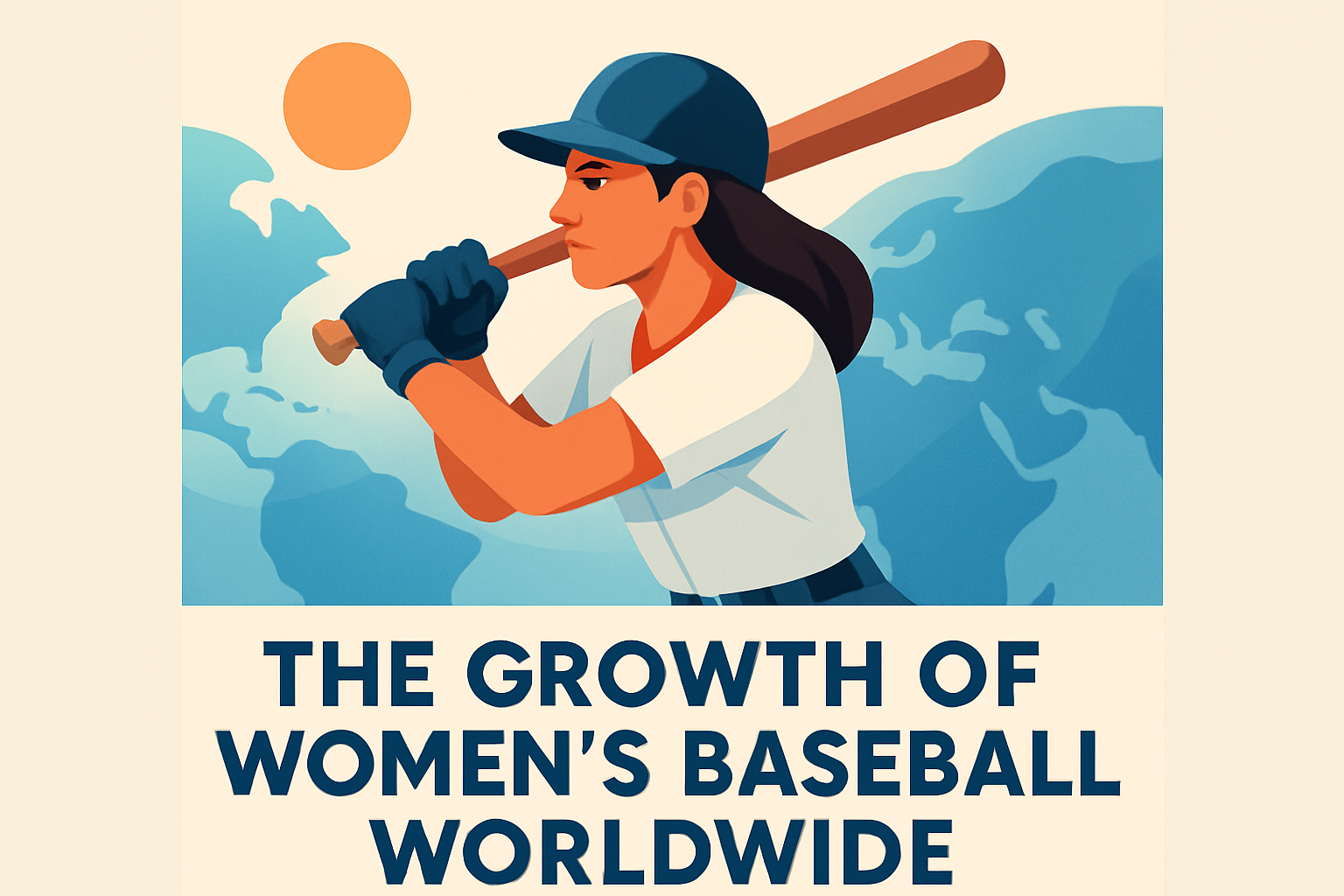
Baseball has long been considered a predominantly male-dominated sport, with monumental events and figures shaping its history. However, as the world evolves, so too does the landscape of sports, and women’s baseball is emerging as a global phenomenon. In this article, we will delve into the growth of women’s baseball worldwide, exploring key terms, defining the significance of this trend, and understanding why it matters in today’s society. Engaging with this conversation is crucial for advancing gender equality in sports, fostering cultural exchange, and inspiring future generations to break traditional boundaries.
The Historical Context of Women’s Baseball
To understand the growth of women’s baseball worldwide, it is essential first to explore the historical context that laid the groundwork for its development. Women’s involvement in baseball dates back to the 19th century, with teams like the Bloomer Girls challenging societal norms. These teams, which included both women and men, toured extensively, promoting the idea of women participating in a traditionally male sport.
Despite these early efforts, women’s baseball struggled for recognition, with the spotlight often overshadowed by softball. The establishment of the All-American Girls Professional Baseball League (AAGPBL) during World War II marked a significant milestone, demonstrating women’s capabilities on a professional level. Although the AAGPBL disbanded in 1954, it left a lasting legacy that inspired future generations of female athletes.
One noteworthy example of women’s baseball success at the time was the Rockford Peaches, one of the league’s original teams. Their story not only contributed to the early dynamism of women’s sports but also remains a symbol of perseverance and excellence. While the AAGPBL eventually dissolved, the cultural impact of teams like the Rockford Peaches paved the way for future innovations in women’s baseball.
International Expansion and Growth
The growth of women’s baseball beyond the United States marks an essential milestone in the sport’s development. Internationally, women’s baseball has been gaining recognition and support, leading to the formation of national teams and international competitions. Countries such as Japan, Australia, Canada, and Taiwan have established robust women’s baseball programs, contributing to the sport’s growing popularity.
The Women’s Baseball World Cup, organized by the World Baseball Softball Confederation (WBSC), is a prominent international tournament that showcases the talent and passion of female players around the globe. Held every two years, this event has seen participation from various countries, highlighting the inclusive nature of the sport and establishing women’s baseball as a legitimate international competition.
Japan is a prime example of a country where women’s baseball is thriving. The country boasts a professional women’s baseball league, the Japan Women’s Baseball League, which has provided a platform for female athletes to compete at a high level. One notable player is Ayami Sato, a three-time MVP of the Women’s Baseball World Cup, whose achievements have inspired young women to pursue the sport professionally.
Challenges and Opportunities in Women’s Baseball
Despite the progress made, women’s baseball still faces several challenges that hinder its growth. Funding and resources for women’s teams often fall short, limiting opportunities for athletes to develop their skills. Additionally, societal perceptions and biases toward gender roles continue to affect the visibility and acceptance of women’s baseball.
- Lack of media coverage and exposure
- Disparity in funding between men’s and women’s teams
- Stereotypes and biases about women’s capabilities in sports
- Limited infrastructure and access to quality training facilities
However, these challenges also present opportunities for growth and innovation. The increasing focus on gender equality in sports and the global dialogue surrounding women’s rights have paved the way for initiatives aiming to uplift and support women’s baseball. Organizations, sponsors, and advocates are increasingly investing in women’s sports, recognizing the immense potential and marketability they hold. A prime example of such a breakthrough is the Women’s Baseball Development Program, which has expanded educational and competitive opportunities for young female athletes.
The Role of Media and Technology
Media and technology have played a crucial role in the global growth of women’s baseball by increasing visibility and engagement. Live streaming platforms and social media channels have provided unprecedented access to women’s baseball games and events, enabling fans across the globe to follow their favorite teams and players. This exposure has been instrumental in raising awareness of the sport and building a dedicated fan base.
Documentaries and films have also contributed to the sport’s popularity by bringing attention to the stories of women in baseball. These media portrayals have not only highlighted the challenges faced by female athletes but also celebrated their successes and determination. By showcasing these inspiring narratives, media outlets have fostered a sense of community and pride among fans and players alike.
An example of media’s impact on women’s baseball is the creation of virtual leagues and interactive platforms that allow fans to participate in fantasy sports. These platforms have brought new avenues for fan engagement and interest, allowing people to learn more about the sport and its players through virtual interactions.
Grassroots Movements and Local Initiatives
Grassroots movements and local initiatives are fundamental to the expansion and success of women’s baseball. These efforts often focus on introducing the sport at the community level, providing young girls with opportunities to play and develop their skills. Schools, local clubs, and nonprofit organizations play a crucial role in promoting and organizing women’s baseball events, fostering a culture of inclusivity and participation.
The Baseball For All organization is a notable example of grassroots efforts making a significant difference. Founded by Justine Siegal, the organization aims to provide opportunities for girls to play baseball at all levels, from beginner to elite. Through tournaments, clinics, and educational programs, Baseball For All has empowered countless young women to pursue their passion for baseball.
Such grassroots initiatives often serve as stepping stones for young players, helping them transition to advanced competitive levels and potentially representing their countries in international competitions. By creating a solid foundation for women’s baseball, these efforts contribute significantly to the sport’s global growth and sustainability.
The Future of Women’s Baseball
The future of women’s baseball holds promising potential, with continuous efforts to expand the sport’s reach and enhance opportunities for female athletes worldwide. As more countries recognize the value of women’s baseball, the likelihood of increased investment and support will grow. This potential expansion includes the establishment of new professional leagues, enhanced media coverage, and improved access to training resources.
One key factor in the future growth of women’s baseball is its inclusion in major sporting events, such as the Pan American Games and the Olympic Games. Participation in these events would not only raise the sport’s profile but also provide a platform for athletes to showcase their talents on a global stage.
Collaboration between international governing bodies, private sponsors, and local communities will be crucial in driving the next phase of growth for women’s baseball. By aligning efforts and pooling resources, stakeholders can create comprehensive development programs that nurture talent, increase visibility, and promote gender equality in sports.
Conclusion: The Significance and Call to Action
In conclusion, the growth of women’s baseball worldwide is a testament to the resilience and determination of female athletes who have persevered despite numerous challenges. This development matters not only for the advancement of gender equality in sports but also for fostering cultural exchange and inspiring future generations of athletes. The global expansion of women’s baseball offers ample opportunities for empowered female athletes to live out their dreams, proving that passion and dedication know no bounds.
The key takeaways from this exploration of women’s baseball growth are the importance of historical context, the influence of international expansion, and the role of media, technology, and grassroots movements in driving this progress. By recognizing and addressing the challenges facing women’s baseball, stakeholders can contribute to its continued success and ensure that it thrives on a global scale.
As we move forward, the call to action is clear: support and advocate for women’s baseball at every level. Whether by attending games, following the latest developments online, or contributing to local initiatives, everyone can play a role in the continued growth and success of women’s baseball worldwide. Together, we can create a future where the sport flourishes, and female athletes shine on the world stage.
Frequently Asked Questions
1. Why has women’s baseball historically been overshadowed by men’s baseball?
Historically, baseball has been considered a male-dominated sport largely due to socio-cultural factors and historical precedents. The sport’s origins in the United States saw men as the primary participants, solidifying a legacy that was hard for women to break into. Additionally, the economic interests and media focus have traditionally been skewed towards men’s baseball, leading to its further reinforcement as a male domain. With powerful male figures such as Babe Ruth and events like the World Series dominating headlines, women’s baseball received little coverage or support. Societal norms also played a role, with women encouraged to pursue “appropriate” activities or sports that were deemed less physically demanding. This combination of factors meant that women’s baseball lacked the infrastructure, funding, and platform that their male counterparts enjoyed, creating an environment where it struggled to grow and gain recognition until recent years.
2. What factors are contributing to the growth of women’s baseball worldwide?
Several factors are contributing to the burgeoning growth of women’s baseball globally. Firstly, increased awareness and advocacy for gender equality in sports have sparked initiatives to support and develop women’s baseball. Organizations and governing bodies have begun investing in women’s teams and leagues, providing essential resources and opportunities they previously lacked. Secondly, the success of international tournaments like the Women’s Baseball World Cup has showcased the talent and competitive nature of female athletes, encouraging more participation worldwide. Additionally, social media has provided a platform for women’s sports to gain visibility and support, enabling athletes to build their brand and connect with fans across the globe. Lastly, increased representation in media, with stories and documentaries highlighting the journeys and successes of female baseball players, is helping to shift public perception and generate interest in the sport among young girls aspiring to play baseball professionally.
3. What significance does the growth of women’s baseball hold in today’s society?
The growth of women’s baseball represents a pivotal step forward in the journey toward gender equality in sports. It signifies a broader societal shift towards recognizing and valuing women’s contributions in historically male-dominated fields. As more women participate in baseball, it dismantles stereotypes regarding gender and athletic ability, showing that skill and talent are not confined by gender. This growth also encourages young girls to pursue sports, fostering a sense of empowerment and challenging traditional gender roles. In professional realms, it can lead to increased job opportunities in coaching, sports management, and broadcasting, thereby expanding the role of women in sports industries. Moreover, the growing popularity of women’s baseball can inspire future generations, teaching them the importance of inclusion, perseverance, and the pursuit of one’s passions despite societal barriers.
4. How is the game of women’s baseball similar to or different from men’s baseball?
Women’s baseball is fundamentally similar to men’s baseball in terms of rules and gameplay. Both involve pitching, hitting, and fielding with goals to score runs and win games through strategic play. However, there are some distinctions that are worth noting. In terms of gameplay, women’s baseball might feature smaller ball sizes or different field dimensions in some leagues, accommodating various levels of competition. Additionally, the pace and style of play can differ with women often emphasizing technique and skill due to historical limitations on infrastructure and training. Despite these differences, the core of the sport remains intact, with both men’s and women’s baseball demanding significant athleticism, strategy, and teamwork. Importantly, the drive to standardize women’s baseball globally is making efforts to close any gaps and ensure equitable conditions for female athletes.
5. What are the future prospects for women’s baseball on a global scale?
The future of women’s baseball is promising, with indicators pointing towards significant growth and development on a global scale. Initiatives and programs are expanding to promote the sport at grassroots levels, aiming to increase participation among young girls. International tournaments and leagues are also set to become more frequent and competitive, providing platforms for elite female athletes to showcase their skills and for the sport to gain international recognition. The inclusion of women’s baseball in major multi-sport events like the Olympics is a potential milestone that proponents are actively advocating for, which would further enhance its global profile. Additionally, as cultural perceptions shift, media coverage and sponsorship opportunities for women’s baseball are likely to increase, further promoting the sport. National and international federations are committed to supporting women’s baseball, anticipating a future where it stands on equal footing with men’s baseball both in terms of talent and recognition.