Baseball, often dubbed as America’s pastime, has always been at the forefront of adopting new technologies to enhance the fan experience. However, perhaps no technological advancement had a more substantial impact on the sport and its audience than the advent of radio broadcasting. Before the 1920s, baseball fans relied primarily on written accounts, local spectatorship, and word-of-mouth to follow their favorite teams. The advent of radio broadcasting forever transformed the way audiences consumed sports content, especially baseball. As we delve into this groundbreaking era, we’ll explore the inaugural radio broadcast of a baseball game, its significance, and the ripple effects it cast across the sports world.
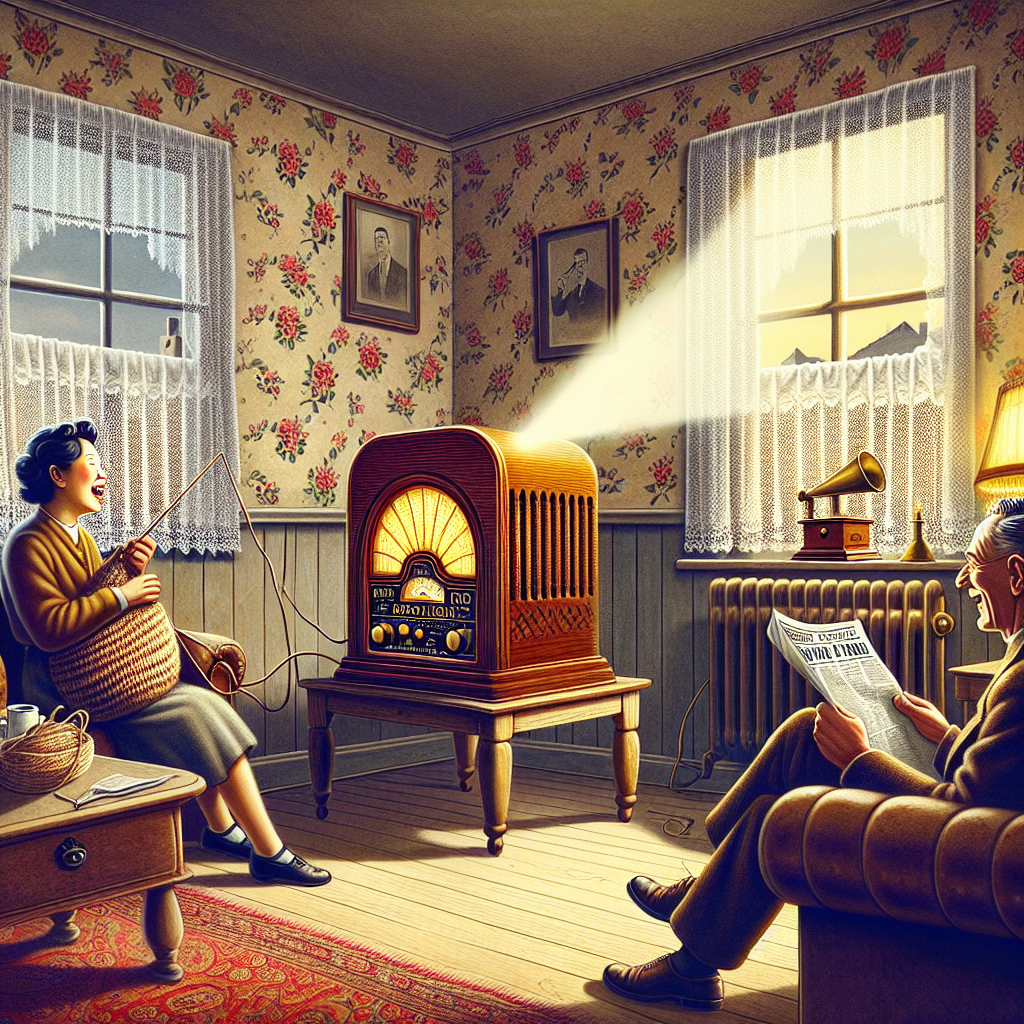
Imagine a scene in the early 1920s, where most American households were starting to embrace the wonders of radio technology. This was an era where radios were becoming household staples, providing news, entertainment, and an unprecedented sense of connection to the world beyond one’s immediate surroundings. It was in this context that the first-ever baseball game was broadcasted on the radio, marking a revolutionary moment in the history of sports.
The story begins on August 5, 1921, when Harold Arlin, a foreman at the Westinghouse Electric and Manufacturing Company, announced a baseball game between the Pittsburgh Pirates and the Philadelphia Phillies. This historic broadcast took place on KDKA, a Pittsburgh-based radio station—and one of the first licensed radio stations in the United States. What started as an experimental effort quickly proved to be a phenomenal success, paving the way for sports broadcasting to become an integral aspect of the media landscape.
The Prelude to the First Broadcast
The journey leading up to this landmark broadcast was as fascinating as the event itself. Prior to the 1920s, radio technology was primarily utilized for maritime communication and military purposes. However, the rapid developments in radio technology during and after World War I set the stage for its commercial and public application. Westinghouse, seeing the potential in radio broadcasting, was keen to leverage this cutting-edge technology to reach a broader audience.
KDKA had already made waves by broadcasting the 1920 presidential election results, which was a major success and demonstrated the medium’s massive potential. Inspired by this triumph, KDKA’s engineers and broadcasters sought novel programming content that could attract and engage listeners. Given baseball’s entrenched popularity, broadcasting a baseball game became an appealing and logical choice.
Harold Arlin was chosen to pioneer this baseball broadcast due to his clear and engaging voice and his technical knowledge. With the equipment set up at Pittsburgh’s Forbes Field, everything was poised for a historic occasion. The challenge was not just about capturing the game’s essence but also about painting a vibrant picture with words, something listeners could vividly imagine while tuning in from their homes. And so, on that fateful day in August 1921, radio technology and baseball history converged to create an unforgettable experience.
The Historic Broadcast
As the first voice to describe a baseball game live, Harold Arlin took his listeners on an auditory journey. The broadcast was a simple setup – a microphone aimed at the field, with Arlin standing by to narrate the events. With no prior experience or blueprint to follow, Arlin’s task was nothing short of monumental. From play-by-play commentary to sharing player statistics and anecdotes, his aim was to keep listeners riveted, making them feel as though they were right there in the stands.
The game itself saw the Pittsburgh Pirates defeat the Philadelphia Phillies 8-5. While the game’s outcome was significant, it was the broadcast’s impact that truly mattered. The novelty of experiencing a live baseball game without being physically present was a groundbreaking concept that thrilled sports enthusiasts. Listeners could visual touchstones—the crack of the bat, the roar of the crowd, the suspense of a close call—which made the game come alive in their minds.
This broadcast not only established a new way for fans to follow their favorite sport but also set a precedent for how sports were to be consumed moving forward. The success of this initial broadcast demonstrated that radio could effectively capture the excitement and dynamism of live sports, setting the stage for broader sports radio programming.

Impacts on the Baseball and Broadcast Industries
The successful broadcast of the game on KDKA had an indelible impact on both the baseball industry and the burgeoning field of radio broadcasting. For baseball, radio broadcasts brought the game into countless homes, exponentially increasing the sport’s reach and popularity. Fans no longer needed to be at the stadium to experience the thrill of the game, making it more accessible to wider demographics and geographical areas.
The broadcasters soon realized that radio had untapped potential as a platform for sports entertainment. As the technology became more refined, the quality and sophistication of broadcasts improved. Announcers developed their own unique styles, adding personality and flair to their commentary, which helped to humanize the sport. This new medium gave rise to legendary broadcasters who became almost as well-known as the players themselves.
In the broader broadcasting landscape, radio stations began to see the viability of commercial sports programming. Sports broadcasts attracted large, dedicated audiences, making them attractive to advertisers. This resulted in a new revenue stream that fueled growth within radio networks and led to the expansion of sports programming beyond baseball to include other sports like football, boxing, and basketball.
The Evolution of Sports Broadcasting
The paradigm established by the KDKA broadcast set off a chain reaction that significantly shaped modern sports broadcasting. As radio surged in popularity, other stations quickly jumped on the bandwagon, establishing dedicated sports programs to capture the audience’s imagination. The technological advancements in radio transmission and receiver clarity made it possible to broadcast games live from various locations, further enhancing listener experience.
By the 1930s, almost every major league baseball game was covered by radio, with local stations and national networks vying for rights to broadcast games. The inception of the Golden Age of Radio around this time cemented sports broadcasting as a staple form of entertainment. Notably, renowned broadcasters like Red Barber, Mel Allen, and Vin Scully began their careers during this period, leaving an indelible mark on the industry with their iconic voices and impeccable storytelling abilities.
The expansion of sports broadcasting also paved the way for innovations such as play-by-play commentary and color commentary, elevating the listener’s experience. The harmonization of live game narration with compelling background stories and statistical insights created a rich, immersive format that fans came to love. As technology progressed, so did the quality and scope of broadcasts, including the introduction of remote broadcasts from international venues.
The Legacy of the First Broadcast
The legacy of the first radio broadcast of a baseball game resonates even today, almost a century later. This pioneering event not only revolutionized how baseball was consumed but also set the groundwork for future media interactions with sports. For baseball purists and modern fans alike, the broadcast symbolizes a key turning point where the sport leaped from local pastime to a national phenomenon.
In contemporary times, sports broadcasting has evolved to incorporate television, internet streaming, and mobile platforms, yet the fundamental connection between broadcaster and listener remains a cherished tradition. The descriptive art of bringing the game to life through words alone retains a timeless appeal, evident in the enduring popularity of radio broadcasts. Furthermore, the original broadcast underscored the importance of technology in democratizing access to sports, a principle that continues to guide innovations in the industry today.
The advent of radio broadcasting laid the foundational stones for what is today a multi-billion-dollar sports media industry. From the simplicity of a single, static-filled broadcast, we’ve transcended to a world where fans can follow their favorite teams in real-time through various digital platforms, irrespective of geographical boundaries. Despite these advancements, the essence of Harold Arlin’s commentary on that August day still echoes in the airwaves, a reminder of the boundless possibilities that arise from marrying sports and technology.
Conclusion
The first radio broadcast of a baseball game in 1921 was much more than a technological experiment; it was a revolutionary moment that reshaped the landscape of sports and media. Through the vision of pioneers like Harold Arlin and the innovative spirit of stations like KDKA, the world witnessed the birth of a new era where sports fandom transcended physical boundaries and entered the auditory realm.
As we’ve explored, this landmark event had far-reaching implications that continue to influence the way we engage with sports today. From expanding the sport’s reach to creating new business opportunities, the ripple effects of that first broadcast are still felt. In a world where media consumption is constantly evolving, the foundational elements laid down nearly a century ago remain relevant and inspiring.
For fans of baseball and history buffs alike, understanding the significance of this broadcast provides valuable insights into how innovation can democratize access and enrich cultural experiences. The fusion of baseball and radio broadcasting not only enhanced public access to the sport but also nurtured a sense of community among listeners who bonded over shared experiences of games they could picture through sound alone.
Ultimately, the first radio broadcast of a baseball game stands as a testament to the enduring power of storytelling and the profound impact of technological advancements on our collective cultural heritage. It reminds us of how a simple event can spark a revolutionary change, setting the stage for endless possibilities in the realm of sports and media alike.
Frequently Asked Questions
1. What was the first radio broadcast of a baseball game?
The first radio broadcast of a baseball game took place on August 5, 1921. It was a pivotal moment in the history of both radio and sports broadcasting. The game featured the Pittsburgh Pirates playing against the Philadelphia Phillies at Forbes Field in Pittsburgh. KDKA, a pioneering radio station based in Pittsburgh, was responsible for this groundbreaking broadcast. The person behind the microphone was Harold Arlin, one of radio’s earliest announcers. This event marked the beginning of a new era, allowing baseball fans to experience the game in real-time from the comfort of their homes, a concept that was revolutionary at the time.
2. Who was Harold Arlin and what role did he play in the broadcast?
Harold Arlin was the announcer for the first radio broadcast of a baseball game. Arlin, an engineer for Westinghouse Electric, was not only the voice behind the first baseball broadcast but also the world’s first full-time radio announcer. Known for his clear, articulate voice, and engaging delivery, Arlin took on the challenge of describing a baseball game through a medium that was still in its infancy. His broadcast lasted about 90 minutes and largely relied on his ability to paint a picture of the action through words. Arlin’s work on that day set the stage for what would become the standard for sports broadcasting in the years to follow. His contribution to radio and sports history is immeasurable, as he demonstrated how effectively radio could serve as a medium for live sports coverage.
3. How did radio broadcasting change the way baseball games were experienced by fans?
Before radio broadcasting, fans primarily followed baseball through newspaper updates, which lacked the immediacy of live action, or by attending games in person, an option not always feasible for everyone. The introduction of radio broadcasting revolutionized this experience by bridging geographic and economic gaps, allowing fans across the nation to “hear the game live” even if they couldn’t be there in person. Radio brought a new level of excitement and accessibility, as listeners could follow the game in real-time, complete with the ambiance and suspense created by the announcers. It also allowed fans to develop a more personal connection with teams and players, as they listened in regularly. Moreover, radio broadcasts became a community event, with families and friends gathering around their radio sets to cheer on their favorite teams together. This enhanced the cultural significance of baseball as America’s pastime by expanding its reach and creating new, shared experiences for fans.
4. What impact did the first baseball radio broadcast have on the growth of radio as a medium?
The first baseball radio broadcast had a monumental impact on the growth of radio as a medium. It proved that radio was more than just a novelty; it was a viable tool for broadcasting live events. This realization led to an explosion in the popularity of radio shows, expanding its range from music and entertainment to include news and sports. The ability to reach audiences live and in an engaging manner sparked widespread interest among broadcasters and sponsors alike, who recognized its potential for advertising and audience engagement. The success of this broadcast demonstrated that radio could unite a divided rural-urban population with a single event, contributing to the cultural and social fabric of the time. This pioneering broadcast also paved the way for other sports to adopt radio as a primary means of reaching their audiences, further solidifying radio’s role as a cornerstone of American media.
5. How did radio broadcasting influence the business of baseball?
Radio broadcasting had a profound influence on the business of baseball. It effectively increased the sport’s audience, reaching far beyond the confines of stadiums and local neighborhoods. This expansion allowed teams and leagues to tap into a wider market, increasing revenue through potential new streams such as radio rights and advertisements. Teams were able to generate greater interest and loyalty among fans who could finally follow their team’s progress throughout the season, even from afar. Additionally, radio broadcasts provided sponsors with novel advertising opportunities to reach engaged, captive audiences. Over time, this increased business acumen helped professionalize baseball further, enabling teams to invest more in their players, staff, and facilities and ultimately delivering a higher-quality experience for fans. The relationship between radio and baseball not only helped preserve the game’s status as America’s pastime but also transformed it into a key component of modern American entertainment.