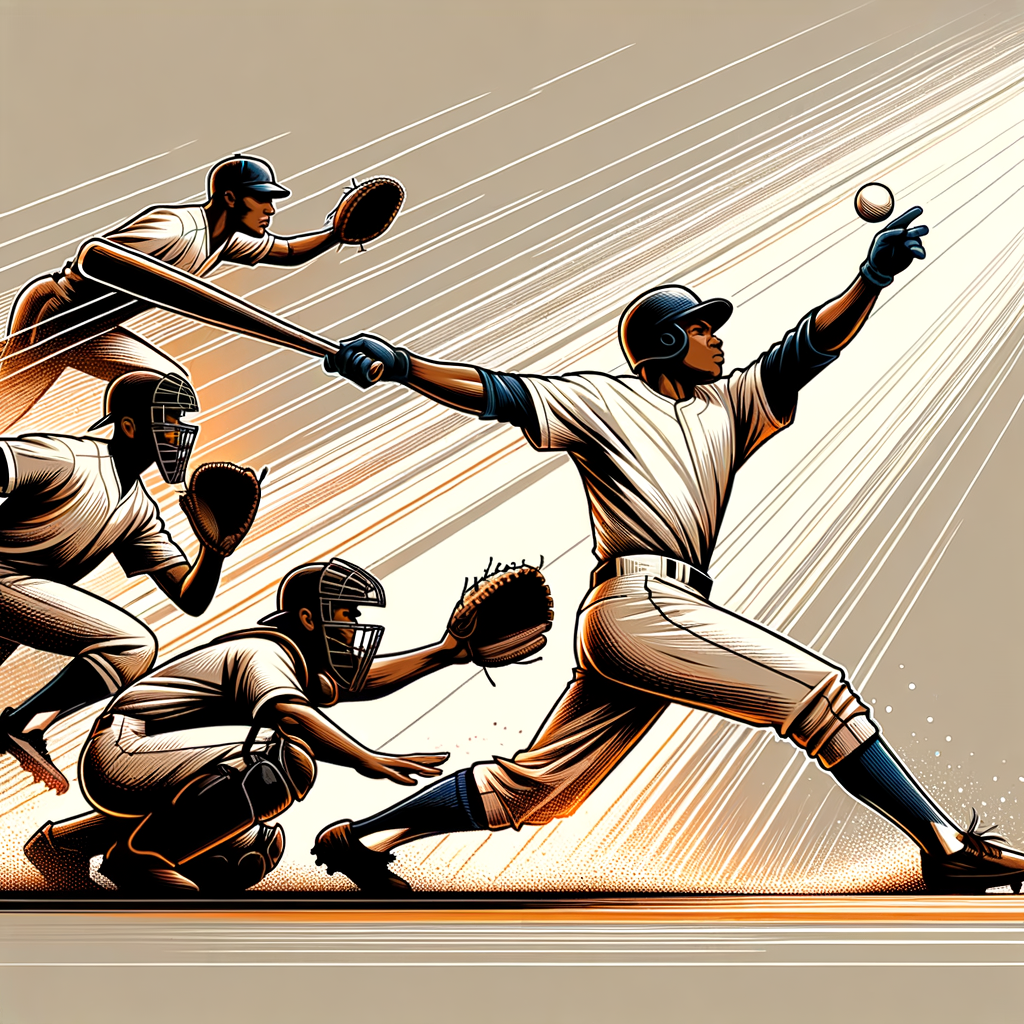
The journey of African Americans in the world of baseball is a compelling narrative fraught with obstacles and triumphs. Initially, the road was riddled with racial discrimination and barriers that kept many talented players from reaching the limelight. The fall began with exclusion, as the color line drew a stark divide between races, regulating African American players to separate facilities or entirely different leagues. This era saw countless skilled black players barred from Major League Baseball (MLB), forcing them into the Negro Leagues—a testament to resistance, ingenuity, and talent in the face of segregation. The resurgence began post-Jackie Robinson’s groundbreaking entry into Major League Baseball, which acted as a catalyst for change, eventually leading to more African American athletes gracing the baseball diamond. Not only did this shift alter the landscape of the sport, it redefined African American participation in baseball. Culturally significant, this transformation has had an enduring impact on the sport, influencing the ways in which baseball is played, understood, and appreciated today.
The Reality of Early Exclusion
Long before Jackie Robinson’s historic debut, African Americans were playing baseball across America. However, the 19th century and early 20th century saw the sport enforcing a pernicious color line. This exclusion was not legal but social, deeply embedded in the racial prejudices of the time. Many white teams refused to integrate, and as baseball professionalized in the late 19th century, African Americans found themselves increasingly marginalized.
Despite this systemic discrimination, black players such as Moses Fleetwood Walker, who briefly played before the full enforcement of color lines, left an indelible mark on the sport. Nonetheless, the burgeoning enterprise of the Major Leagues codified a stark reality: African American players were virtually ostracized from the sport at its highest level. With only isolated exceptions, the period preceding 1947 was defined by the exclusion of African Americans from Major League teams.
The Negro Leagues: A Haven and Hub
Faced with mounting exclusion, African American baseball players did not surrender their passion for the game. Instead, they crafted their own leagues, with the Negro Leagues standing out as the most prominent. Founded in the 1920s, these leagues became crucial in providing an organized platform for African American talent.
Negro League teams and players were renowned for their high-caliber play, often rivaling and sometimes surpassing that of their white counterparts. Stars such as Satchel Paige, Josh Gibson, and Cool Papa Bell became legends in these leagues, symbolizing not only athletic prowess but also the indomitable spirit of their communities. Tours that involved playing against white teams offered further vindication of their skills, especially when Negro League teams would frequently triumph, challenging the narrative of racial superiority intrinsic to baseball’s segregation.
These leagues were more than mere arenas for sport. They were cultural bastions, ultimately nurturing talent and inspiring future generations. The Negro Leagues showcased black entrepreneurial spirit, as black businessmen and promoters ran successful teams, orchestrated robust leagues, and drew substantial crowds. This autonomy fortified the community while proving African Americans did not need Major League recognition to celebrate their immense talent.
Jackie Robinson: Pioneer and Catalyst
The inflection point in the struggle for integration in baseball came with Jackie Robinson. In 1947, the Brooklyn Dodgers made history by signing him, shattering the color bar and becoming the first Major League team to integrate. Robinson’s entry was less the end of the struggle than the beginning of a broader campaign for equality within the sport.
Robinson endured relentless hostility, from both fans and fellow players, with unwavering dignity and exceptional talent. His first season concluded with the National League Rookie of the Year title, and he continued to impress with his exceptional performance, firming up his reputation not only as a historical figure but also as a baseball luminary.
His success opened doors, inspiring other teams to reconsider their stances on racial integration. Branch Rickey, the Dodgers’ general manager who signed Robinson, played a pivotal role. Rickey’s commitment to ensuring Robinson’s success was critical, providing unwavering support to defy the status quo and venture ahead with integration.
The Gradual Rise and Increased Participation
Following Robinson’s entrance, the tide slowly began to turn. Other teams began to integrate, recognizing abundant talent among African American players that could strengthen their rosters. Players like Larry Doby, who integrated the American League shortly after Robinson’s debut, and Willie Mays soon followed, cementing both the importance and influence of African American talent in the league.
Economics played a compelling role, too. Teams realized that integrating would open baseball to broader markets, appealing to new audiences, increasing viewership, and boosting profitability. The broader societal changes brought by the Civil Rights Movement, too, paralleled these shifts within baseball. The fight for racial equality gained momentum, and the cultural landscape in America was slowly but surely changing. Integration in baseball became both a reflection of and contributor to these changes, illustrating the broader cultural and social transformations occurring across America.
Challenges and Contributions
Even as African American players began joining the Major Leagues, they still faced significant challenges. Players contended with intense racism, some bearing the brunt more heavily than others. Despite the challenges, African American players were pivotal in reshaping the MLB. Innovations in playing styles, such as base stealing and more aggressive batting approaches, transformed the strategies and pace at which the game was played, elevating its excitement and appeal.
Stars such as Hank Aaron and Reggie Jackson rose to prominence, defining eras with their dynamic performances. Their exploits on the field helped break down stereotypes and foster wider acceptance and appreciation of black players. Off the field, many became active in the Civil Rights Movement, using their visibility and success to impact societal norms and push for equality, bridging their sports figures and cultural icons roles.
Continuing Influence and Modern Legacy
Today, African Americans have carved out a legacy within Major League Baseball that continues to influence the sport substantially. The wave of African American participation encouraged the MLB to embrace talent from a variety of backgrounds, laying the groundwork for the richly diverse demographic makeup seen in baseball today.
Yet, the modern era has seen a decline in African American representation within the MLB, a pressing issue that the league acknowledges. Efforts such as MLB’s Reviving Baseball in Inner Cities (RBI) aim to re-engage African American youth with baseball, ensuring that future generations continue to realize the dream of playing in and influencing the sport.
Moreover, African Americans have excelled in managerial and executive roles, influencing the sport beyond playing fields. Figures such as Dusty Baker and Dave Roberts have excelled in managerial careers, bringing teams to championships and influencing new strategies within the game. Their participation attests to African Americans not only contributing on the field but dynamically shaping strategy and leadership within baseball.
Conclusion
The story of African Americans in baseball is one of resilience and innovation. From the confines of exclusionary practices to a prominent place in the sport’s tapestry, African American athletes have made remarkable strides. Their journey from segregation in Negro Leagues to starring roles in Major League Baseball speaks to the power of perseverance and the quest for equality.
The impact of their contributions resonates beyond the diamond. These athletes fostered change not just within sport but within society, challenging deeply entrenched racial prejudices and paving the way for broader cultural shifts. They have contributed compelling anecdotes to baseball’s narrative, embodying the spirit of determination and excellence that fans revere.
Understanding this history provides context to contemporary dialogues on racial equity within sports and affirms the continuing importance of advocating for diversity and inclusion in all aspects. It reminds audiences of the continual process required to challenge systemic barriers while celebrating past achievements. African Americans’ journey in baseball exemplifies how the sport has mirrored significant societal changes, standing as a vibrant narrative of fall and rise bound within the broader American historical landscape.
Frequently Asked Questions
1. What was the color line in baseball, and how did it impact African American players?
The color line in baseball was an unofficial segregation policy that barred African American players from participating in Major League Baseball (MLB) and other professional leagues dominated by white athletes. This discriminatory practice began in the late 19th century and lasted until Jackie Robinson famously broke the barrier in 1947. The impact on African American players was profound and systemic. Talented individuals, who would have otherwise thrived on the biggest stages, were relegated to the Negro Leagues or other less prestigious teams, depriving them of equal opportunity and recognition. Despite their extraordinary skills, black players faced limited access to resources, inferior facilities, and scant media attention. Moreover, the color line not only stifled careers but also denied the sport and its fans the full spectrum of baseball talent and competition.
2. Who were some of the pioneering African American players who helped break the barriers in baseball?
Jackie Robinson is unquestionably the most renowned figure when discussing trailblazers in breaking baseball’s color line. In 1947, Robinson’s debut with the Brooklyn Dodgers marked a significant turning point, shattering decades of racial exclusion in MLB. His courage, skill, and resilience on and off the field ignited social change and paved the way for other African American athletes. Beyond Robinson, players like Satchel Paige, who joined the Cleveland Indians in 1948, Larry Doby, the first African American player in the American League, and Roy Campanella, another Dodgers legend, played pivotal roles in integrating baseball. They, along with numerous others, proved unequivocally that African Americans belonged among baseball’s elite, forever transforming the landscape of the sport.
3. How did the Negro Leagues influence the development of African American players during the era of segregation?
The Negro Leagues were a critical institution for African American players during segregation, serving as the primary avenues for black athletes to showcase their talents while the MLB remained inaccessible. These leagues, including the Negro National League and the Negro American League, provided structured environments with rigorous competition and groomed some of the most legendary talents in baseball history. Players like Josh Gibson, often dubbed “the black Babe Ruth,” and Cool Papa Bell became icons, their prowess on the field undeniable. Although their achievements went largely unrecognized by broader American culture at the time, the Negro Leagues were responsible for nurturing talent, fostering camaraderie, and maintaining the spirit of baseball within the black community. They also highlighted the widespread prospects black athletes could offer to professional baseball, contributing indirectly to the demand for integration and eventually catalyzing change within the sport.
4. What challenges did African American players face after the integration of Major League Baseball?
Even after baseball’s integration, African American players encountered numerous challenges. While Jackie Robinson broke the league’s segregation barrier, racial discrimination persisted in many forms. Black players were still subject to prejudice from fans, opposing teams, and sometimes their own teammates. This hostility often manifested through racial slurs and exclusion from social activities. Additionally, travel and accommodation posed challenges; players faced hostility in Southern states and were often denied lodging and dining in white-only establishments. On top of this, black players frequently received unjust criticism for their performance and often had to surpass expectations to receive the same level of recognition as their white counterparts. Despite these adversities, African American players persevered, drawing strength from each other’s experiences and continuing to excel on the field.
5. How has the representation of African Americans in baseball changed from the post-integration era to the present day?
Since baseball’s integration era, the representation of African Americans in MLB has seen periods of both increase and decline. The initial decades after integration showed a significant rise in black players, peaking in the late 1970s and early 1980s. This era bore witness to numerous African American athletes becoming star players and pivotal figures in their teams, from Reggie Jackson to Rickey Henderson. However, in recent years, the percentage of African American players in the MLB has dwindled. Various reasons contribute to this decline, including the rising popularity of basketball and football, which often present more accessible routes for young black athletes seeking professional careers, as well as issues related to the cost and access to youth baseball programs. However, MLB initiatives aimed at reviving interest, such as the Reviving Baseball in Inner Cities (RBI) program, have sought to rekindle African American participation. The journey of African Americans in baseball is ongoing, as efforts to create more inclusive and accessible paths for young talents continue to shape the sport’s future.