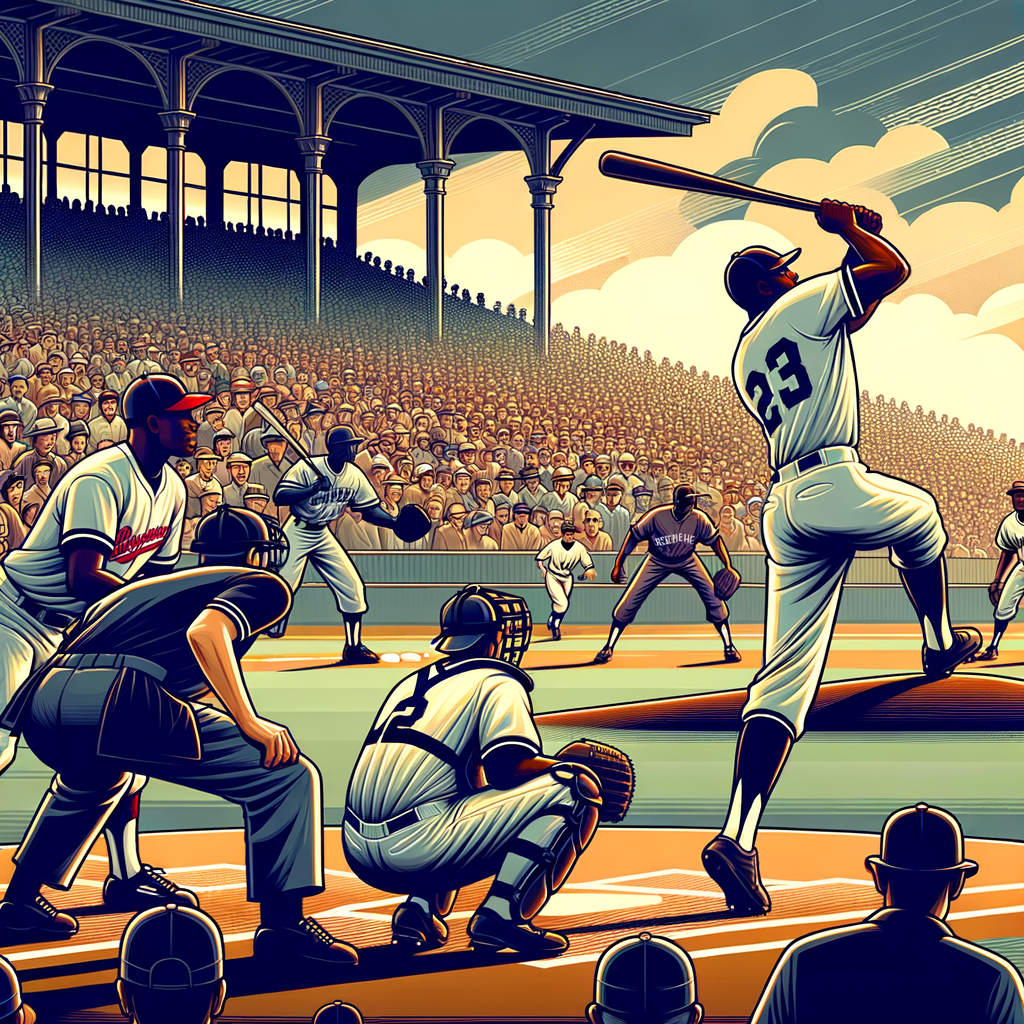
Baseball, often celebrated as America’s pastime, has woven itself into the cultural and social fabric of the United States. Over its rich history, the game has experienced numerous transformations that have shaped how it’s played and perceived today. Among these evolutionary phases, the Expansion Era stands out as a particularly transformative and exciting period in baseball history. During this era, Major League Baseball (MLB) opened its doors to new teams, cities, and players, radically altering the landscape of the sport. By understanding the impact of this era, we gain valuable insights into how these changes increased the sport’s reach and popularity, allowing it to grow into the near-global spectacle it is today. The Expansion Era did more than just increase the number of teams; it altered competitive dynamics, enriched fan experiences, and fostered fresh geographic rivalries. As a result, baseball experienced not just a surge in popularity but also a profound shift in its economic and cultural roles. This article explores these multifaceted changes, examining each aspect of how new teams during the Expansion Era changed the game of baseball forever.
The Origins of the Expansion Era
Before delving into how the Expansion Era changed baseball, it’s essential to understand the origins of this period. The Expansion Era typically refers to the phase beginning in the early 1960s when major league teams began sprouting across new territories. Until this time, baseball primarily thrived in the northeastern and midwestern United States, with cities like New York, Chicago, and Boston serving as long-established homes of baseball franchises. However, a combination of post-World War II economic growth, increased population, and a growing fascination with expanding television markets sparked interest in broadening the geographical footprint of MLB. The league first expanded in 1961 with the introduction of the Los Angeles Angels and the Washington Senators, followed by further expansions into diverse markets like Houston, New York (with the Mets), and beyond. These new teams helped capture local fan bases in previously untapped regions, creating fresh enthusiasm and broadening the sport’s national appeal.
Economic Impacts and Growth
One of the most significant aspects altered by the Expansion Era was the economic landscape of Major League Baseball. The induction of new teams into various markets injected a hefty dose of financial vitality into MLB. It paved the way for lucrative television contracts, which played an integral role in generating substantial revenue. Before the Expansion Era, most teams primarily relied on gate receipts from game attendance. However, expanding into television markets allowed teams to reach fans who could not attend games in person, leading to a dramatic rise in the amount of money flowing into the league. This revenue was critical in financing player salaries and stadium upgrades, impacting how the game was managed both on the field and off. Consequently, the rising financial stability and widened revenue streams also encouraged owners to invest more heavily in their rosters, helping cultivate competitive teams able to contend for championships.
Introduction of New Geographic Rivalries
Aside from economic benefits, another compelling byproduct of the Expansion Era was the development of new geographic rivalries. These dynamics intensified fan engagement, significantly boosting regional interest in baseball. With new teams penetrating uncharted territories, adjacent cities developed rivalrous inclinations similar to those seen in historic team matchups like the Yankees vs. Red Sox or Cubs vs. Cardinals. These newly established rivalries, such as those between the New York Mets and the Philadelphia Phillies or the Texas Rangers and the Houston Astros, fueled local interest and filled stadiums with impassioned fans cheering their teams on. Such matchups ignited heightened competition and fandom, invaluable to the league’s overall atmosphere and attractiveness.
The Talent Pool and Cultural Diversity
Another defining feature of the Expansion Era was its influence on the player talent pool and cultural diversity within the teams. The addition of new teams across the United States meant a rising demand for more skilled players. This prompted MLB to cast its recruiting nets wider and farther than ever before. Scouts were directed to tap untapped domestic talent and explore international territories like the Caribbean and Latin America. As a result, the Expansion Era ushered in an exciting influx of international players, each bringing their unique flair to America’s pastime. Baseball legends like Mariano Rivera from Panama or Fernando Valenzuela from Mexico emerged during this era, showcasing unparalleled talent while delighting fans with their distinctive styles of play. This inflow of international players enriched the overall culture within the league, reflecting America’s growing diversity and enhancing the game’s appeal both domestically and internationally.
Technological Advancements and Media Influence
The Expansion Era also paralleled significant advancements in technology and media exposure. The establishment of new franchises coincided with technological innovations that fundamentally transformed how fans engaged with the sport. Television, still very much a novel technology in households during the early phases of this era, became an essential conduit for immersing fans in the overall baseball experience. Broadcast deals allowed for more games to be aired on national and local networks, increasing the visibility of young franchises and endearing them to regional audiences. As viewing technologies expanded, the overall television production quality improved, bringing fans closer to the action than ever before. Advanced computer graphics began enriching the storytelling around each game, providing stats and metrics that deepened viewer understanding. All these technological changes further accelerated baseball’s popularity, cementing its place as a premier national sport.
Changes in Game Strategy and Management
The expansion of Major League Baseball teams impacted not just the economics or fan interactions but also how the game was strategized and managed. With more teams in the league, the talent level varied significantly, prompting new strategies from managers and coaching staff. The need to scout and recruit talent with an eye for untapped potential became more prevalent. As new players came from various backgrounds and playing styles, coaches and managers were compelled to be innovative with lineup configurations, base running strategies, and pitching rotations. The changing landscape caused the evolution of sabermetrics, the empirical analysis founded on sabermetric principles, introduced team management to data-driven decision-making. Managers started relying on statistical analysis to create matchup advantages, refine team compositions, and pinpoint the exact value players brought to their teams. This analytical approach to baseball strategy, largely inspired and necessitated by the Expansion Era, has led to a deeper and more nuanced understanding of the game, influencing how modern baseball is strategized today.
Fan Experience and Engagement
The Expansion Era catalyzed a paradigm shift in fan experience and engagement, directly linked to how the influx of new teams transformed ballparks into more fan-friendly environments. Authentic fan experiences became a focal point in attracting attendees, and stadiums began offering amenities that catered to varied family interests. As teams emerged in diverse locales, owners recognized that fans sought more than just a game; they desired an immersive day out. Ballparks underwent design renovations to facilitate these experiences, featuring entertainment zones, better concessions, and theme nights, ensuring higher turnout rates. In turn, the fan experience extended beyond the confines of the park itself, influencing merchandise sales and broadening market influence. Tech-driven enhancements like stadium apps, augmented reality experiences, and interactive in-game features elevated attendance, drawing fans deeper into the baseball spectacle. The Expansion Era lay the groundwork for this all-encompassing, multimedia fan interaction we witness today in every ballpark.
Conclusion: Legacy of the Expansion Era
As we reflect on the myriad ways in which the Expansion Era changed Major League Baseball, we recognize that its legacy extends far beyond simply increasing the number of teams. This period brought comprehensive change, challenging assumptions about geographical limits, economic potentials, game management, and audience engagement. While expanding into new territories, MLB tapped into a greater diversity of voices, styles, and talents, cultivating an enriched, global brand that resonates today. These developments cemented baseball’s station as not just a national pastime but an international sporting phenomenon. The Expansion Era exemplified proactive growth, highlighting how change is essential to preserving tradition while embracing innovation. In a world where sports evolve at breakneck speeds, MLB’s successes during the Expansion Era serve as blueprints for thoughtfully addressing growth, inclusivity, and adaptation. Looking ahead, the lessons learned from this compelling period remind us that the enthusiasm and fair-mindedness that enriched baseball during the Expansion Era will guide the sport successfully into the future.
“`
Frequently Asked Questions
1. What exactly is the Expansion Era in baseball?
The Expansion Era in baseball refers to a transformative period starting in the 1960s when Major League Baseball (MLB) introduced new teams to the league. This era is marked by the growth of the league from 16 teams in 1960 to 30 teams today. The intent behind this expansion was to meet the growing popularity of the sport and to bring baseball to more cities across the United States, providing new opportunities for fans to engage with MLB baseball locally. The expansion has been crucial in enhancing competition, increasing regional rivalries, and introducing fresh talent to the baseball scene. The era represents a significant shift in the way the sport was structured, leading to changes in scheduling, league structure (with the creation of new divisions), and eventually playoff formats.
2. How did new teams impact the competitive balance in the MLB?
The addition of new teams during the Expansion Era significantly altered the competitive landscape of Major League Baseball. Initially, the integration of new teams led to a dilution of talent as the established teams protected their best players, leaving new franchises to build rosters with less experienced or less elite players available in the expansion drafts. This created challenges for new teams in competing at the same level as established franchises. However, it also fostered opportunities for innovation in team management, scouting, and player development. Over time, this led to the discovery and nurturing of new talent who might not have otherwise had opportunities to shine in a more congested league. Moreover, as time progressed, these new teams found their footing and some even became competitive powerhouses, such as the Toronto Blue Jays and the Kansas City Royals. The expansion also led MLB to adopt new strategies to maintain competitive balance, including revenue sharing and changes to the draft process.
3. How did expansion affect the geography and cultural reach of baseball?
The Expansion Era greatly extended the geographic and cultural scope of Major League Baseball from its historical strongholds in the northeast and midwest of the United States to new locations across the continent. With teams emerging in places like the West Coast, the southern states, and even Canada, baseball widened its reach and appeal. This development meant new baseball communities were born, regions that previously didn’t have a professional team to rally around. Cities like Milwaukee, Houston, San Diego, and Toronto found new identities and a sense of unity while cultivating a baseball culture unique to their locales. Moreover, it broadened the fanbase, integrating diverse communities into the baseball-loving fold, thus enriching the sport’s heritage and diversifying fan experiences. It also contributed to the global appeal of baseball, as evidenced by teams like the Montreal Expos, and later the Toronto Blue Jays, serving as conduits for baseball interest in Canada and beyond.
4. Were there any significant economic impacts due to the introduction of new teams?
The economic impacts of the Expansion Era on Major League Baseball were profound. The introduction of new teams led to an increase in revenue across several fronts. Stadium construction and renovations catalyzed local economies by creating jobs and boosting demand for local businesses, especially as new teams brought an influx of fans. Television and radio negotiations also saw improved revenue deals as the sport reached a broader audience, ensuring more advertising dollars flowed into the league. Additionally, merchandising sales surged as fans of new teams eagerly showed their support, further contributing to overall league profitability. Beyond baseball-specific revenue, the economic boost of having a professional sports team led to urban redevelopment projects around new stadiums, demand for enhanced public services, and spikes in local tourism thanks to visiting fans, all demonstrating the wide-ranging financial benefits brought about by MLB’s expansion.
5. What challenges did the league face during the Expansion Era?
During the Expansion Era, Major League Baseball encountered several challenges that it had to navigate skillfully. One major challenge was the initial imbalance in team quality; new teams struggled against established franchises, which caused moments of competitive inequality. The allocation of talent through expansion drafts was a point of contention, as established teams were allowed to protect their most talented players. Another issue was the integration of these new teams into the established scheduling and playoff structures, necessitating changes that laid the groundwork for future modifications, including the adoption of the divisional playoff systems. Furthermore, there were logistical challenges in accommodating more teams in terms of travel, stadium availability, and scheduling. Social challenges also emerged as the league moved into new geographic areas with different demographic compositions, needing to tailor marketing strategies and community outreach to foster fan engagement. Successfully addressing these challenges has proven the success and global appeal of baseball today.