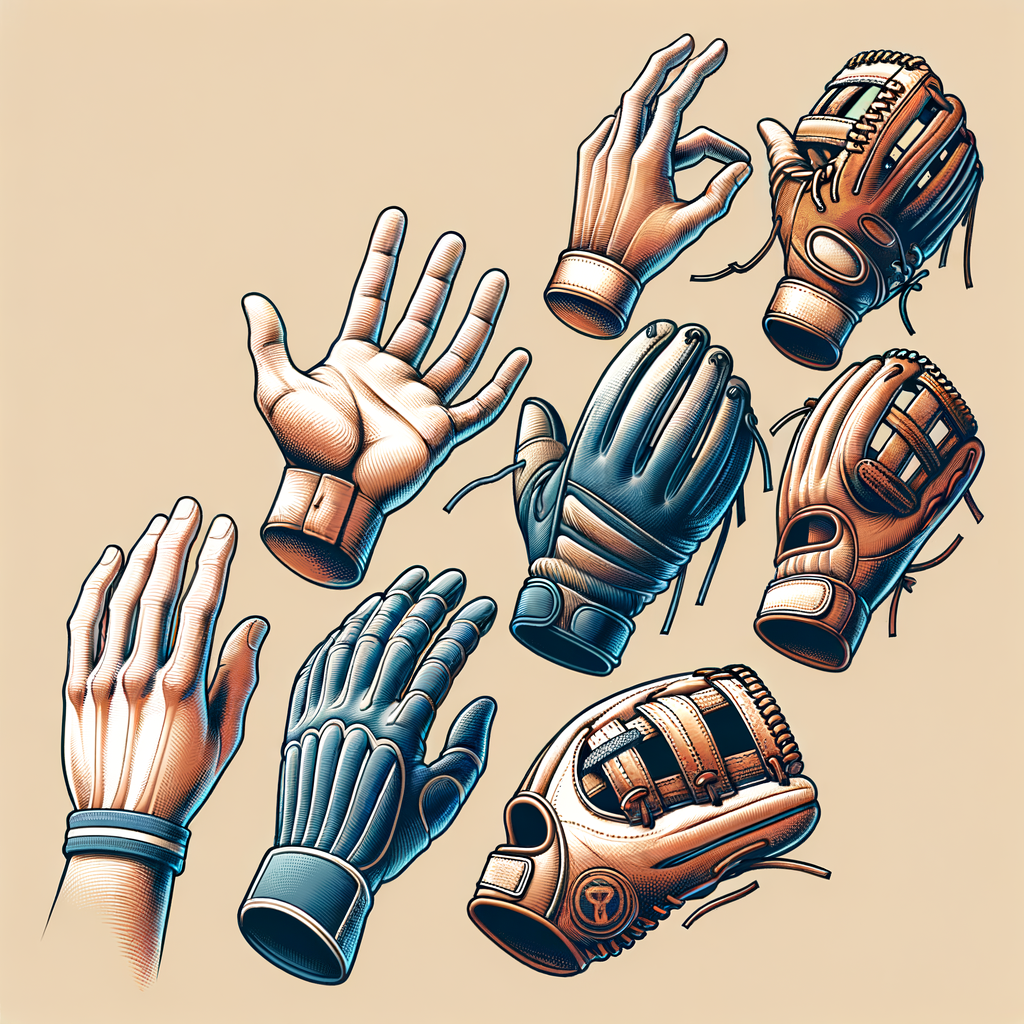
Baseball has long been hailed as America’s pastime, a sport cherished for its rich history and dynamic gameplay. As with the evolution of the game itself, the equipment has undergone significant transformations. One of the most noticeable and fascinating pieces of equipment in baseball is the glove. Initially, baseball was played with bare hands, which seems unimaginable given the game’s current state. Over time, these humble beginnings gave way to the development of the sturdy, webbed gloves we see today, each designed to enhance performance while ensuring player safety. This article delves into the transformation of baseball gloves from the primitive approach of using bare hands to the sophisticated designs adopted in modern times.
The journey from bare hands to protective equipment like gloves tells a broader story of adaptation and innovation within baseball. The early years of the game leaned heavily on the rawness of skill, with players relying on their sheer aptitude to catch and throw with precision. However, the demands of the sport soon made it clear that for both the sake of efficiency and safety, the introduction of gloves was inevitable. As we explore this fascinating evolution, we will look at key milestones and innovations that contributed to the development of baseball gloves. From rudimentary leather coverings to the highly specialized gloves of today, this deep dive promises insights into how each era of the glove’s evolution mirrors changes in the game’s demands and player expectations.
The Early Years: Bare Hands and Beginning of Gloves
Baseball in the mid-1800s bore little resemblance to the game we know today, particularly concerning equipment. Initially, players used nothing more than their bare hands to catch the ball. This was partly due to the slower pace of the game, as pitchers of the time threw underhand and at moderate speeds. This style of play made it plausible for players to catch barehanded, though not without significant risk of injury and discomfort. Unsurprisingly, players rarely attempted to catch batted balls directly and instead aimed to corral them after they bounced.
As baseball grew in popularity in the latter half of the 19th century, the game underwent various changes, including pitching styles. The introduction of overhand pitching significantly increased the speed and challenge of catching, resulting in a greater risk of injury. Out of necessity, players began experimenting with protective hand coverings. This experimentation marked the nascent stage of the baseball glove. Legend has it that the first player to wear a rudimentary glove was Charles Waite, an outfielder for the St. Louis Brown Stockings, in 1875. He reportedly wore a pair of normal leather gloves with the fingertips cut off, aiming for extra protection without sacrificing the feel of the ball.
Early adopters of gloves faced ridicule, with many fans and fellow players considering the use of gloves as either unmanly or unnecessary. Players who did wear them often opted for subtle designs that resembled everyday men’s gloves, hoping to avoid too much attention. The wood-paneled leather gloves resembled those used by cyclists but proved to be impractical for significant use in catching balls. As awareness of player safety and the advantages of gloves increased, so too did the design and acceptance of these essential tools evolve.
Transition to Specialized Gloves
The decades following the initial adoption of gloves saw remarkable advancements in design. By the early 1900s, the acceptance of gloves was widespread. Fredrick Thayer, an early innovator, and former player, was patented for designing an improved catcher’s glove. Thayer’s design added extra padding to the glove to help decrease the impact from catching pitches, which was especially crucial given the hardening of baseballs. This evolution was critical since the reduced chance of hand injuries would allow catchers to maintain their form and endurance throughout long games.
Piecemeal innovations unfolded, serving both functionality and marketing ambitions over the years. Infield gloves were introduced, characterized by a small pocket that helped convey the ball’s release. These gloves were light and provided flexibility for quick transfers, a necessity for executing double plays. The arrival of the first baseman’s mitt in the 1920s was a game-changer, primarily because these gloves had no separate fingers and featured deeper pockets. This design made it easier to scoop up balls in the dirt, thereby reducing errors and improving precision around the bag.
Outfielders benefited from more specific advancements, as their gloves were designed to be larger with deeper pockets to assist in catching fly balls. Innovations didn’t stop at catchers, infielders, and outfielders — pitchers, too, saw improvements to the glove. Simple, black leather gloves that initially aimed to blend in and not distract hitters became more crafted, emphasizing comfort and secure grips. By the early 1950s, pitchers were regularly using gloves to help conceal their grips on pitches, adding a strategic layer of advantage to their skillset.
Glove Technology and Modern Enhancements
With arriving technologies and materials in the mid-to-late 20th century, the baseball glove underwent further evolution, paving the way for specialized models tailored for specific playing positions. Synthetic materials allowed for lighter designs, while new lacing techniques added durability and playability. Each player’s preference could now be tailored to their glove’s weight, flexibility, and pocket size — elements crucial for enhancing fielding performance.
Customizations evolved further with the advent of the T-Model webbing design. It facilitated more easily caught balls in the deep pocket, initially adopted largely by the likes of renowned player Hank Greenberg. For catchers, the single-hinge design emerged as a game-changer, providing excellent precision when dealing with wild pitches or runners on base. This innovation allowed catchers to better protect their hands while also ensuring their role as the game’s lynchpin wasn’t compromised by recurring injuries.
Over the past few decades, glove manufacturers have increasingly incorporated player feedback to produce gloves that combine comfort, performance, and protection. Companies compete on high-profile endorsements and technological advancements that appeal to both professional players and amateur athletes. Rawlings and Wilson, two of the most popular brands, were prominent in pioneering changes in the glove design, including laser technology that allows for precision cuts and personalized embroidery for a touch of individuality.
The Cultural and Economic Impact of Gloves
Baseball gloves have transcended their practical origins, becoming symbols of personal identity and nostalgia. Many MLB players customize their gloves, adding flair and personalizations such as initials, numbers, or motivational tags. This customization has become integral to a player’s image and marketability. Not only serving as game instruments, gloves become icons reflecting players’ unique styles and personas on the field.
Beyond personal attachment, gloves have substantial economic influence. The baseball glove industry alone generates significant revenue, thanks to continuous advancements, patents, and product launches. Each new season sees baseball enthusiasts eager to purchase the latest models, many of which boast state-of-the-art technology guaranteed to enhance player performance. Limited editions and player-endorsed models are particularly covetable, driving sales and sparking collecting hobbies.
For fans, the baseball glove isn’t just equipment but holds sentimental value, representing the sport’s beloved culture and shared experiences. Many enthusiasts have fond memories of using their first glove or catching a pop fly in a well-worn mitt deeply tied to family and childhood.
Conclusion
The evolution of baseball gloves from humbling bare hands to today’s technologically advanced and personalized designs reflects how tradition and innovation coexist in sports. This transformation underscores adaptability and progress — requisites that elevate the players’ safety and enhance their performance levels over time. Gloves today stand as a testament to the power of human ingenuity, encapsulating both historical significance and cultural relevance.
Moving forward, the baseball glove will continue to evolve, no doubt innovating hand-in-hand with the sport it so loyally serves. Engineers and designers will keep exploring new materials, refining glove designs to offer even greater performance and protection. As baseball itself continues to grow and captivate new generations, the glove remains a symbol of the sport’s rich past and promising future, a bridge between the early days of raw hand balling and the sophisticated world of modern baseball. From backyard games to professional fields, the glove symbolizes the enduring spirit of baseball, capturing both the sport’s human elements and its technical advancements.
The story of baseball gloves is not just about technological evolution, but it’s also about preserving the heritage of a game loved by many, resonating across age groups and generations. Each catch, grab, and scoop written into the annals of baseball history owes a nod to gloves that enable these moments, displaying how a simple tool can significantly impact a grand tradition.
Frequently Asked Questions
1. How did the use of baseball gloves come about?
In the early days of baseball, players used their bare hands to catch the ball, which was both challenging and painful due to the force of the ball. The introduction of gloves occurred in the late 19th century as players sought ways to protect their hands. The first known use of a glove in a baseball game is credited to Charlie Waitt, an early baseball player who began using a leather glove with fingertips cut off. Over time, the use of gloves became more accepted as players recognized the advantages they provided in terms of protection and playability. As more players adopted the use of gloves, manufacturers began to produce specialized gloves designed specifically for different fielding positions, leading to a significant evolution in their design and functionality.
2. What were early baseball gloves like compared to modern ones?
The first baseball gloves looked quite different from the modern versions we’re familiar with today. Early gloves were simple leather creations designed to protect the hands rather than aid in catching. They resembled the work gloves of that era and were more like a padded covering. There was little consideration for the fit or form of the glove. As baseball evolved, so did the glove design. Gloves became more sophisticated in the early 1900s when players like Bill Doak, a pitcher for the St. Louis Cardinals, suggested adding webbing between the thumb and the forefinger. This innovation dramatically improved the glove’s functionality, allowing for a pocket to catch and secure the ball better. Today’s gloves are tailored to specific positions with enhanced materials for improved durability and performance.
3. How has the design of baseball gloves improved fielding in the game?
The design improvements in baseball gloves have significantly impacted fielding by increasing the efficiency and reliability of catching the ball. Modern gloves are equipped with a pocket, thanks to the introduction of webbing, which provides a more secure location to catch and hold the ball, reducing the likelihood of errors. Over the decades, gloves have seen enhancements in cushioning and support, helping to absorb impact and protect players’ hands better. This comfort and protection allow players to focus on their technique rather than worry about hand injuries, which has indirectly led to an overall higher standard of fielding in the game. Additionally, gloves are now specialized according to the player’s position, whether outfielder, infielder, catcher, or pitcher, each with unique features tailored to meet role-specific needs in gameplay.
4. What are some significant milestones in the evolution of baseball gloves?
The journey of the baseball glove from its inception to its modern form has been marked by several notable milestones. One of the earliest was the introduction of simple leather gloves in the late 1800s, which began the transition away from barehanded play. The major breakthrough came in the early 20th century with the adding of webbing to form a pocket, revolutionized by pitcher Bill Doak. In the mid-20th century, manufacturers like Rawlings, Wilson, and Spalding began experimenting with different leather treatments and designing gloves specifically for distinct positions. In recent decades, material technology has enabled lighter, more durable, and more comfortable gloves that enhance players’ performance even further. These milestones reflect not only changes in technology but an evolving understanding of player needs and the demands of the game itself.
5. How do modern game rules impact glove construction and use?
Modern baseball rules have specific regulations regarding the size, weight, and construction of gloves used in games. These rules are intended to maintain fair play by ensuring that no player gains an undue advantage through their equipment. For example, catcher’s mitts are allowed to be larger and more padded to handle pitches, while first baseman’s gloves are longer to help catch throws. These size restrictions vary by the position to ensure that all players compete on equal footing. One area where regulations have impacted glove construction is safety, prompting manufacturers to create gloves that are safer and reduce the risk of injury. These considerations ensure that while technological advancements occur, the integrity and spirit of the game remain consistent with its historical roots.