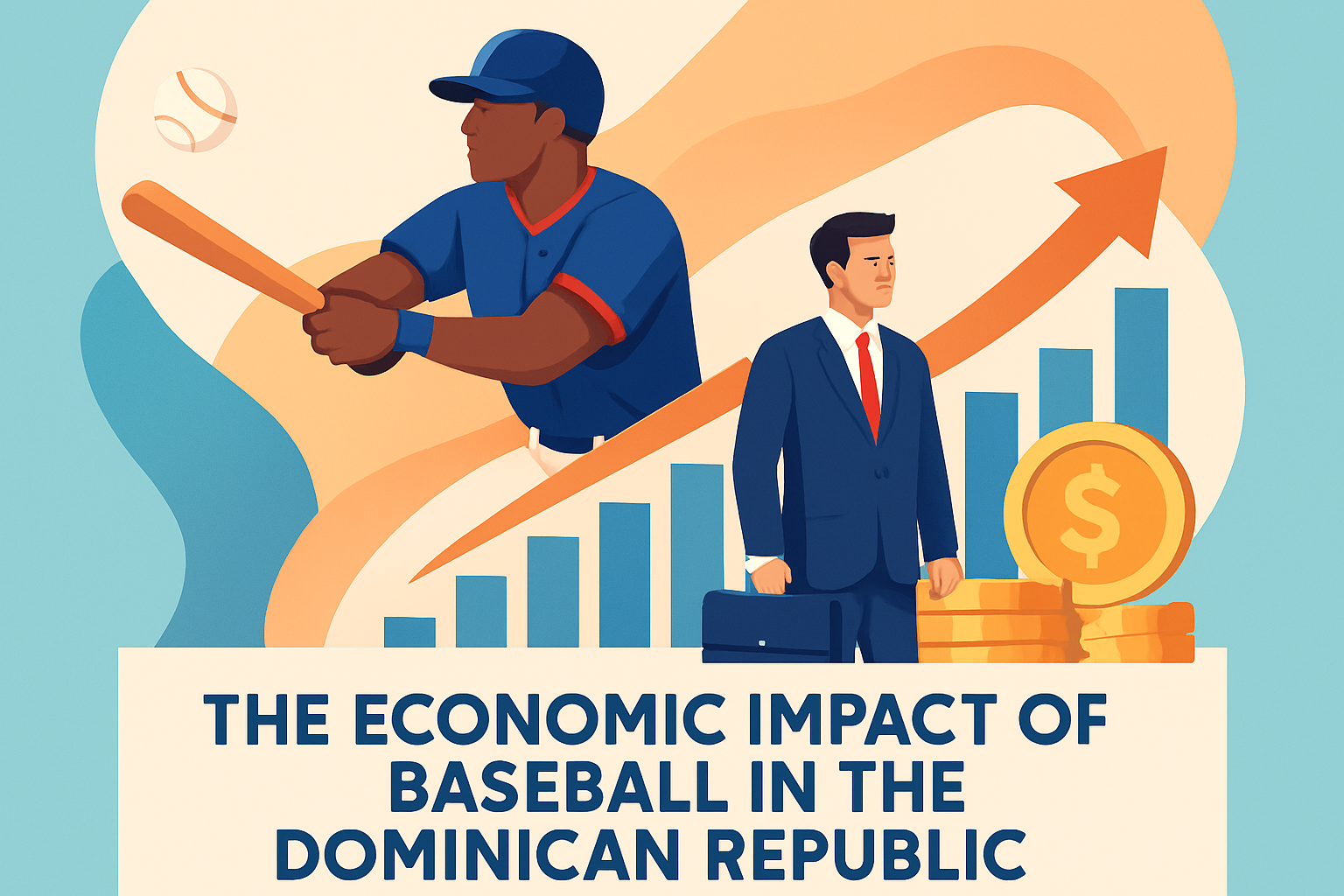
Baseball is universally regarded as America’s pastime, but its influence extends far beyond the borders of the United States, deeply embedding itself into the cultural fabric of various countries around the world. One nation that stands out in the baseball world is the Dominican Republic. Known for producing an impressive number of talented athletes who have made it to Major League Baseball (MLB), the Dominican Republic’s relationship with baseball goes beyond mere sport. Instead, it carries significant economic implications for the Caribbean nation. Understanding the economic impact of baseball in the Dominican Republic requires not just an appreciation of the game itself, but also an examination of how it intersects with economics, culture, and international relations.
The economic impact of baseball in the Dominican Republic is multi-faceted; it encompasses direct financial benefits such as job creation and infrastructure investment, as well as indirect benefits like tourism and cultural identity. The importance of baseball to the Dominican Republic’s economy cannot be overstated. In a nation where economic instability is commonplace, baseball has provided opportunities and an economic lifeline for many. This topic is critical because it reveals how sports can shape local economies and provides valuable insights for developing sports policies in similar contexts.
The Role of Baseball Academies
Baseball academies play a crucial role in the economic landscape of the Dominican Republic. These institutions serve as training grounds for young Dominican talent hoping to make their way into MLB. The presence of these academies has a direct impact on local economies through job creation, from coaching staff and trainers to maintenance and administrative roles. Additionally, these academies often result in infrastructure investments, such as the construction of training facilities and housing for athletes, which further stimulate economic activity in their regions.
A prime example of this impact is the San Pedro de Macorís region, known as the “Cradle of Shortstops.” The area is home to several prominent baseball academies, including those run by MLB teams. These academies attract scouts and investments, turning San Pedro and similar regions into bustling centers of economic activity during training periods.
Baseball and Employment Opportunities
The industries surrounding baseball create significant employment opportunities in the Dominican Republic, extending beyond athletes and into various other sectors. Some of the key areas where employment is boosted include logistics, travel, and hospitality. For instance, well-established training camps often require management teams, chefs, and housekeeping staff, providing a range of job opportunities for locals.
Additionally, the success stories of prominent Dominican players, such as Albert Pujols and David Ortiz, serve as inspiration for young athletes while also driving the growth of related industries, including sports marketing and merchandising. The impact is such that entire communities are sustained by the jobs and industry surrounding baseball, illustrating how a single sport can fuel economic diversification.
Tourism and Cultural Exchange
Baseball also acts as a significant driver of tourism and cultural exchange in the Dominican Republic. The nation’s established reputation as a baseball powerhouse attracts fans, scouts, and tourists from around the world, curious to see the birthplaces of their favorite MLB stars and experience Dominican baseball culture firsthand. Sporting events, tours of training facilities, and local baseball games provide additional revenue streams for the local tourism industry.
The Dominican Winter League, known as LIDOM, draws significant attention each year, with tourists flocking to experience the vibrant games and community atmosphere unique to Dominican baseball. This influx of tourists not only brings direct revenue through ticket sales but also supports local businesses ranging from restaurants to souvenir shops, further augmenting the local economy.
Remittances and Economic Contributions from Abroad
- Dominican baseball players in the MLB earn substantial salaries compared to the average Dominican citizen.
- A substantial portion of their earnings are sent back as remittances to support families and communities in the Dominican Republic.
- These remittances play a crucial role in local economies, helping fund everything from education to healthcare.
- The players’ success abroad promotes additional investments and partnerships in baseball and other industries.
The economic contributions of Dominican baseball players extend well beyond their direct earnings. Many players engage in philanthropy, investing in community projects and infrastructure back home. The successful careers of these athletes shine a spotlight on their hometowns, often resulting in business investments and development initiatives fueled by national pride and global interest alike.
Infrastructure Development
The popularity of baseball in the Dominican Republic has also led to significant infrastructure development throughout the country. From the construction of stadiums and training facilities to improved transportation networks facilitating easier movement of tourists and goods, baseball’s impact on infrastructure cannot be underestimated.
For example, with assistance from MLB organizations, several new stadiums have been constructed in recent years, modernizing the facilities available for local teams as well as visiting professional teams. Such investments help to elevate the overall sporting landscape and open up additional opportunities for hosting international tournaments and events, creating further avenues for economic growth.
Challenges and Considerations
Despite the numerous benefits, the economic relationship between baseball and the Dominican Republic is not without its challenges and considerations. Young players face immense pressure to succeed, often foregoing formal education to pursue athletic careers, which can have far-reaching consequences if their baseball aspirations do not materialize. Additionally, the overwhelming focus on baseball can inadvertently sideline other sports and opportunities for economic development.
Ethical concerns are also prevalent. The recruitment and training practices of young athletes can sometimes be exploitive, with local players subject to restrictions and practices that would not be acceptable in other settings. Therefore, while the economic benefits are undeniable, it remains crucial for policy makers and stakeholders to address these concerns to ensure sustainable and ethical growth.
Summary and Next Steps
In summary, the economic impact of baseball in the Dominican Republic is substantial, with far-reaching benefits encompassing employment, tourism, infrastructure, and global cultural exchange. Baseball is woven into the socio-economic fabric of the country, creating opportunities for growth and development that few other industries in the region can match. Nonetheless, it is essential to balance celebration with critical examination, addressing the ethical and organizational challenges that accompany such widespread influence.
For readers interested in the future of baseball’s economic role in the Dominican Republic, staying informed and engaged with ongoing discussions is vital. Promoting policies that ensure fair opportunities and practices within the sport will be key to maintaining baseball’s positive impact. As readers conclude this article, they are encouraged to delve deeper into particular areas that interest them or consider how similar approaches could be beneficial for other developing nations with a passion for sports.
Frequently Asked Questions
What is the significance of baseball in the Dominican Republic’s economy?
Baseball plays a crucial role in the Dominican Republic’s economy, functioning as more than just a national pastime. It is a vital part of the cultural identity and a significant economic driver. The relationship between baseball and the Dominican Republic is symbiotic, with the sport contributing substantially to the country’s economic landscape. The Dominican Republic stands as one of the top producers of talent for Major League Baseball (MLB), with many Dominicans making it to the professional ranks in the United States. The players’ success leads to economic benefits in multiple forms.
Firstly, baseball academies set up by MLB teams provide employment opportunities and contribute to the local economy. These academies serve as training grounds for future stars, offering jobs to coaches, trainers, nutritionists, and other support staff. Moreover, local businesses, such as sports equipment vendors and food suppliers, benefit from partnerships with these academies.
Secondly, remittances from Dominican MLB players significantly impact the local economy. Many players send money home, helping to improve living standards, supporting families, and boosting local businesses. The influx of foreign currency into the Dominican Republic strengthens the economy substantially.
Baseball also promotes tourism and promotes the country’s global profile, attracting fans and tourists drawn to the Dominican baseball culture. In this way, baseball is deeply intertwined with the island’s economy, creating a multiplier effect that extends far beyond the diamond.
How does the success of Dominican MLB players affect the local communities?
The success of Dominican MLB players reverberates throughout their local communities, serving as an inspiration and catalyst for economic upliftment. These players often become role models for aspiring athletes, illustrating a pathway out of poverty through dedication and skill. Beyond being symbols of hopes and dreams, successful players contribute back to their communities financially and through mentoring initiatives.
Many Dominican stars invest directly in local infrastructure and social programs, establishing clinics, schools, and community centers. This enhances education, health, and welfare in their hometowns. Additionally, professional players often organize and fund charity events, providing essential resources to their communities.
This connection enhances infrastructures, such as roads, sports facilities, and public amenities. It creates a virtuous cycle of development, where improved conditions lead to more opportunities and, consequently, more young players aspiring to emulate the success of their local heroes.
What role do baseball academies play in the Dominican economy?
Baseball academies in the Dominican Republic are cornerstones of both the sporting and economic landscapes. Strategically established by MLB franchises, these academies offer a structured environment where young Dominican talent is nurtured and developed. The impact of these academies extends well beyond the diamond.
Economically, they provide employment opportunities and require services that foster local business growth. They employ a variety of personnel, from coaches and scouts to maintenance and administrative staff, thereby creating jobs and boosting the local economy. In addition to directly employing many locals, these academies also support a network of suppliers and vendors, including food services, uniform manufacturers, and equipment providers, all contributing to local commerce.
Furthermore, the global exposure and success of academy graduates bring indirect economic benefits. As these players join MLB teams, their success stories attract international attention and tourism, further benefiting local businesses. The academies thus serve as vital economic hubs, producing not only skilled athletes but also contributing steadily to economic activities in their regions.
How does baseball contribute to cultural identity and social unity in the Dominican Republic?
Baseball significantly contributes to cultural identity and social cohesion in the Dominican Republic. Its pervasiveness across the island underscores its role as more than just a sport—it is a cultural institution that unifies communities and fosters national pride. Baseball fields serve as communal gathering spots where stories are shared, skills are passed down, and bonds are strengthened.
The sport brings together people of all ages and backgrounds, forming a common language and identity. Games and tournaments, whether at local sandlots or professional levels, become celebratory events that unify and animate local communities. The victories of Dominican players on international platforms, particularly Major League Baseball, ignite a shared national pride and foster a strong sense of identity among Dominicans worldwide.
Baseball also functions as an equalizer, offering opportunities regardless of socio-economic backgrounds. Through amateur leagues, local tournaments, and national competitions, it facilitates social interaction, inclusivity, and collective ambition, reinforcing the Dominican Republic’s cultural identity centering around perseverance, community spirit, and excellence in baseball.
What challenges does baseball face in contributing to sustainable development in the Dominican Republic?
While baseball brings significant economic and social benefits to the Dominican Republic, it faces several challenges in sustainably contributing to the nation’s development. The reliance on baseball success as a primary pathway to economic improvement can place immense pressure on young players, sometimes at the cost of educational opportunities. This focus can lead to a narrow pursuit that neglects comprehensive personal and community development.
Although baseball academies provide skills and education, not all aspiring players make it to professional leagues. Therefore, it is crucial to bolster alternative career pathways and educational opportunities for those who do not advance to MLB levels. Aligning sports training with educational programs can ensure that athletes have viable alternatives, reinforcing community resilience and diversification of economic development avenues.
Moreover, dependence on a few star players for local improvements can create disparities if investments are not evenly distributed within communities. Collaborative efforts are necessary to ensure these benefits have far-reaching impacts, creating sustainable infrastructures, broad-based economic opportunities, and educational programs that serve all community members.
Addressing these challenges requires continued investment in educational and community programs alongside sports training, ensuring that baseball’s economic contributions are maximized and equitably distributed for long-term national development.