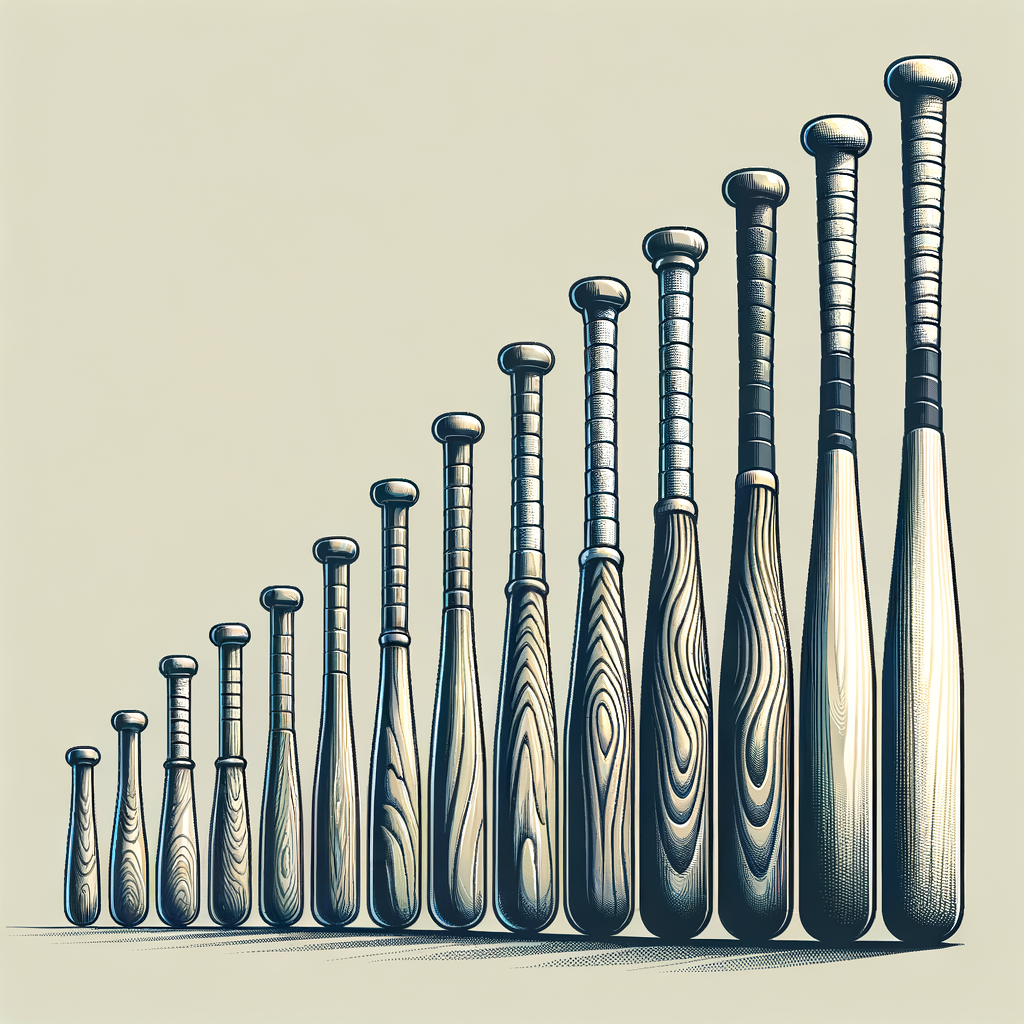
Baseball, America’s pastime, has undergone countless transformations since its inception. Among the many changes, the evolution of baseball bats stands out as particularly significant. Originally, players wielded wooden bats carved from ash trees, but over time, the allure of metal, specifically aluminum, has captured the attention of players and manufacturers alike. The switch from wood to aluminum bats is a major development in baseball history, changing the dynamics of the game, impacting players’ performance, and sparking debates about tradition versus innovation. Understanding this transition is crucial, as it not only reflects technological advancements but also encapsulates the evolving strategies within the sport. In this examination of baseball bats, we will explore their origins, the shift to aluminum, and the subsequent effects on the game.
Wooden bats have long been a staple in baseball. Their legacy transcends generations, representing a time when the sport was more about skill and precision than sheer power. For many, the sound of a wooden bat hitting a baseball symbolizes the purest form of the game. Yet, with changing times, players and manufacturers were driven to explore alternatives to enhance performance. Enter aluminum bats, which began to revolutionize the sport by promising greater durability, lighter weight, and a larger sweet spot. These benefits seemed poised to ensure higher batting averages and longer hits. However, the transition was not without its challenges and controversies. Understanding how we arrived at the current state of baseball bat technology involves delving into the historical, technological, and cultural factors that influenced this pivotal change.
The History and Tradition of Wooden Bats
The origins of baseball bats are intertwined with the birth of the sport itself. In the mid-1800s, as baseball was still in its infancy, players crafted their bats from various types of wood, experimenting with shapes and lengths. Ash quickly emerged as the preferred material due to its balance of strength and flexibility. These early bats were emblematic of the rustic, artisanal essence of the sport. Each bat was unique, often hand-carved to suit the individual player’s preferences and playing style. This period of experimentation contributed to the growing passion and personal connection between player and bat. The standardization of bat designs eventually emerged as the sport gained popularity, leading to the production of more uniform and regulated wooden bats, which laid the groundwork for the choices that we see today.
Wooden bats remained the standard in professional baseball leagues, where tradition is highly valued. In Major League Baseball (MLB), wooden bats continue to be mandatory due to their historical significance and the belief that they maintain the integrity of the game. The reliance on wooden bats in this context fosters a level playing field where players’ skills can be the primary focus. The permanence of wooden bats in the professional sphere symbolizes a dedication to history and a respect for the nuances of the sport that went beyond mere performance metrics.
Nevertheless, as baseball expanded into amateur and youth leagues, especially in the United States, the limitations of wooden bats became apparent. Wooden bats tend to break more easily and can be expensive to replace regularly, imposing financial demands on teams and players. Moreover, the variable craftsmanship can mean inconsistent performance. These practical issues revealed a potential for innovation, opening the door for the introduction of alternative materials. The evolution from these humble beginnings to anodized and vibrant modern interpretations highlights the influence of economics and technology on traditional aspects of sports.
The Rise of Aluminum Bats
The introduction of aluminum baseball bats occurred in the 1970s, a period marked by rapid technological advancements across various industries. Developed to address some of the drawbacks of wooden bats, aluminum bats presented an economically viable and performance-oriented alternative. These new bats offered a durability that wooden bats could not match, reducing costs associated with frequent replacements. By combining longevity with technological enhancements, aluminum bats quickly gained popularity across non-professional leagues. High school and collegiate teams appreciated their endurance and performance benefits. As a result, the use of aluminum bats became widespread in levels of baseball where financial constraints and a reduced emphasis on traditionalism allowed for acceptance of innovations.
Aluminum bats are lighter than their wooden counterparts, a feature that significantly affects a player’s swing. The reduced weight allows for faster swing speeds, potentially resulting in faster ball speeds when struck well. For young players developing strength and swing mechanics, this can enhance confidence and foster enthusiasm for the sport. Additionally, aluminum bats have a larger sweet spot, the part of the bat that delivers optimal power to the ball. This increased sweet spot makes it easier for players to hit the ball successfully, translating into more significant hitting performances. As these attributes became evident, aluminum bats began to dominate youth and amateur baseball leagues.
The rise of aluminum bats also introduced new manufacturing techniques and innovations aimed at optimizing performance. Bat manufacturers explored different alloys, adjusted wall thickness, and experimented with additional features like vibration dampening to minimize sting upon impact. Such technological progress continually pushed the boundaries of what these bats could achieve, leaving a lasting impact on the sport. The quest for perfect bat design reveals the broader trends of precision engineering and performance-driven innovations within sports equipment manufacturing. Embracing scientific advancements, manufacturers have shaped the landscape of batting with relentless pursuit of improved designs and materials, demonstrating the sport’s evolution alongside technological capabilities.
Impact on the Game
The shift from wooden to aluminum bats brought about significant implications for the game of baseball. With the increased use of aluminum bats in amateur leagues, the games became faster-paced and higher-scoring. This transformation was fueled by the factors leading from improved hitting distances and the larger sweet spot that aluminum bats provided. The traditional strategy and skill involved in crafting a hit became complemented by new tactics that took advantage of the superior bat technology. This change impacted how coaches approached the sport, favoring power hitting and offensive strategy over traditional small ball tactics like bunting and base stealing. Consequently, the evolution of baseball strategies recalibrated what is possible within the game.
The impact was not entirely positive, however. Critics point out that the advantages provided by aluminum bats skew the balance between offense and defense, which can alter the fundamental nature of the sport. The essence of baseball, defined by the duel between pitcher and batter, faced new dynamics. The increased ability to drive hits out of the infield placed a heavier burden on pitchers and fielders, prompting debates within the baseball community about fairness and skill representation. Furthermore, safety concerns arose with aluminum bats due to the higher exit velocities of baseballs, posing risks to pitchers and fielders in closer proximity. This prompted discussions about potential regulatory changes to maintain player safety while preserving the sport’s competitive spirit.
Meanwhile, the commercialization of aluminum bats spurred a surge in the sports equipment market. Branding and marketing efforts focused on highlighting technological advancements, leading to diverse offerings catering to different player needs and preferences. The economic facets of bat manufacturing shaped how companies approached not only branding but also research and development initiatives, defining their role within the broader sports industry. As public interest in amateur baseball continued to escalate, so did the breathing ground for innovative approaches to bat design and marketing strategies. The commercial success of aluminum bats underscored the strong correlation between technological advancement and market dynamics in sporting equipment industries.
The Ongoing Debate: Tradition vs. Innovation
The ongoing debate within baseball circles about wooden versus aluminum bats reflects larger themes of tradition versus innovation. Traditionalist views advocate for preserving the wooden bat’s crucial role within the sport. Proponents argue that wooden bats epitomize the physical skill, dedication, and craftsmanship that is at the heart of baseball. They believe that the art of hitting is best showcased with a wooden bat, which demands precise timing and technique. Furthermore, they contend that the classic ‘crack’ of a wooden bat provides an unmatched aesthetic and auditory experience, resonating with the nostalgic vision of baseball.
Conversely, supporters of aluminum bats emphasize the importance of improving access and inclusivity within the sport. By utilizing bats that minimize costs and enhance performance, more players might engage with baseball, potentially broadening the talent pool. Aluminum bats, they argue, allow for a more exciting and dynamic version of the game that aligns with contemporary sports entertainment values. These supporters champion innovation as a means to enhance the sport’s appeal and accessibility, ensuring baseball remains relevant in the rapidly changing landscape of global sports.
The debate encapsulates the broader cultural conversation about how sports should evolve and adapt. Each stance presents compelling arguments rooted in shared passion for the game and its future. By understanding these perspectives, stakeholders in the baseball community can work towards a balanced approach that honors tradition while embracing the benefits of progress. Leveraging regulations and standardized evaluations might help harmonize the divide, maintaining the sport’s core values while encouraging safe, equitable advancement. Ongoing discussions ensure that baseball remains dynamic while honoring its heritage, meeting the needs of both purists and progressives.
Conclusion
The evolution of baseball bats from wood to aluminum represents a microcosm of the larger changes within the sport itself. Baseball, deeply rooted in tradition, also reflects society’s continuous pursuit of improvement and innovation. As aluminum bats continue to reshape the amateur and youth levels of the sport, the ongoing discussion about the impacts on game strategy and player safety remains pertinent. These changes reflect underlying technological advancements and participants’ desire for enhanced performance and more engaging gameplay.
The debate over wooden versus aluminum bats underscores the tensions between tradition and innovation that permeate any evolving entity. The considerations of preserving history versus embracing change hold valuable insights for those invested in sports and other areas where culture and progress interact. Moving forward, the baseball community must remain cognizant of crafting solutions that honor the true spirit of the game, retaining its essence while adapting to modern contexts.
Ultimately, the story of baseball bats is not just about changing materials but about development, adaptation, and identity within the sport. It’s a story of how human ingenuity and a deep respect for tradition coexist alongside each other. The careful balancing act involved in navigating the evolution of baseball bats provides key insights into how baseball will continue to evolve in generations to come. As the sport grows, so too will discussions surrounding equipment, ensuring that baseball remains as impactful and beloved as it always has been.
“`