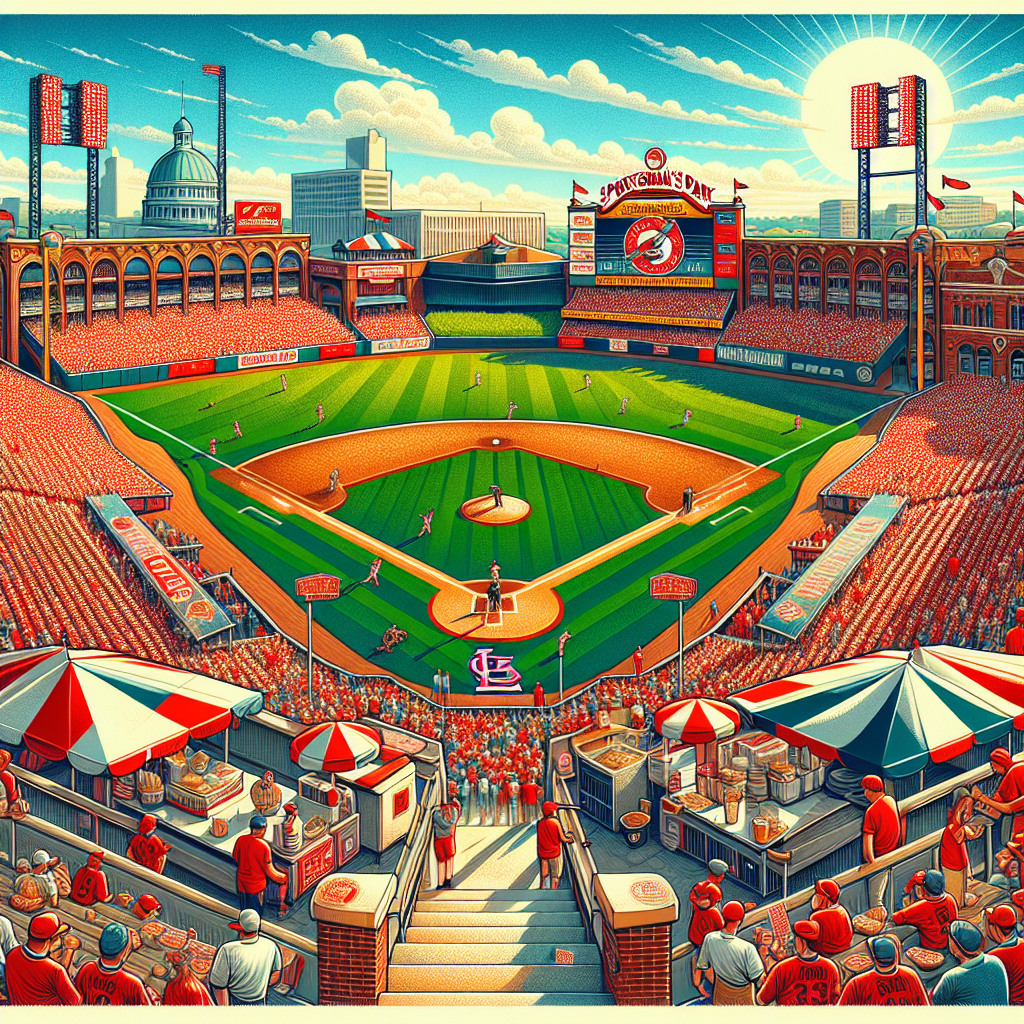
Throwing back to a golden era in baseball history, few places resonate with the term “historic” quite like Sportsman’s Park. Situated in the heart of St. Louis, this iconic ballpark served as the cherished home for two major league teams—the St. Louis Cardinals and the now-defunct St. Louis Browns. Its walls and stands have seen legendary players, unforgettable games, and countless moments that have helped to shape the narrative of America’s favorite pastime.
Sportsman’s Park was much more than just a set of bleachers and base paths; it was a gathering place for generations of baseball fans who lived and breathed the sport. With its origins dating back to the 19th century, the stadium bore witness to the evolution of baseball from a regional pastime to a nationwide obsession. The Cardinals, who enjoyed the lion’s share of their success at Sportsman’s Park, became synonymous with the stadium itself, making it a revered location for fans dressed in red.
From thrilling World Series victories to the rise of iconic players like Stan Musial, Sportsman’s Park holds a trove of historic moments. While it may no longer stand today, having been demolished in 1966, its legacy continues to inspire and fascinate baseball enthusiasts. This article delves into the rich history of Sportsman’s Park, exploring its significance, architectural features, memorable events, and its lasting impact on the world of baseball.
As we journey through the annals of baseball history, let us pay homage to a place that will forever remain etched in the hearts of those who once cheered ‘Play ball!’ from its grandstands. Whether you are a lifelong Cardinals fan, a lover of baseball history, or someone with an interest in historic architecture, Sportsman’s Park stands as a testament to the enduring spirit and tradition of baseball in America.
Origins and Development
The story of Sportsman’s Park begins in 1866, when it was originally constructed as a multi-use recreational facility. The early version of the park hosted a gamut of sports, but it wasn’t until 1881 that baseball found its lasting home there, under the aegis of the National League’s St. Louis Brown Stockings. The playing field underwent various modifications during these early years, but it was the relocation and reconstruction in 1902 that carved its niche as a baseball-exclusive venue.
In 1920, the Helene Hathaway Britton-owned Cardinals chose Sportsman’s Park as their official home, a decision that would interweave the fates of the team and the ballpark. This choice came during a critical juncture for both the team and the stadium. Under new ownership, the Cardinals transformed from perennial underdogs to contenders, setting the stage for future successes that the park would become known for.
Over its long history, Sportsman’s Park saw several periods of renovation and expansion. In the 1920s and ’30s, steel and concrete replaced wood, updating the stadium with more modern amenities and increasing its seating capacity to better accommodate the growing legion of Cardinals fans. By 1936, Sportsman’s Park could house nearly 30,000 spectators, making it one of the largest ballparks in the country at the time.
The ballpark’s proximity to the Globe-Democrat and the St. Louis Post-Dispatch office buildings cemented its role as the epicenter of the city’s cultural life. The press provided extensive coverage, helping cultivate a baseball-loving community that was fiercely loyal to their home team. The modern trappings melded seamlessly with the old-world charm, preserving the essence of a grand baseball tradition while ushering in new eras of the sport.
Architectural Feats
Sportsman’s Park was a shining example of early 20th-century ballpark architecture. Its symmetrical design, with dimensions that prioritized fairness to both pitchers and hitters, resulted in some of the most balanced gameplay seen during its era. Measuring 351 feet to left field and right field and stretching out to a 422-foot center, the field provided a platform where both offensive and defensive skills could flourish.
The stands were designed to maximize the viewing experience. The double-decked grandstands positioned fans closer to the action, creating an intimate atmosphere that was notably different from the larger, more expansive modern stadiums. Support columns, considered a design flaw in today’s terms, were strategically placed to minimize obstructed views, offering most fans a clear sightline to home plate.
Another defining feature was the manual scoreboard, situated in left field. Simplicity ruled the day, and fans enjoyed the tactile suspense of seeing an attendant manually update the scores, pitch counts, and other information relevant to the game. This archaic feature remains a beloved memory for many who grew up watching games at Sportsman’s Park.
Modernization did touch the ballpark over the years. Lighting installation in 1940 allowed for nighttime games, changing the dynamic of gameplay and audience attendance. Fans could now enjoy the thrill of baseball under the night sky, a testament to the blend of tradition and progression that Sportsman’s Park embodied.
Memorable Moments at Sportsman’s Park
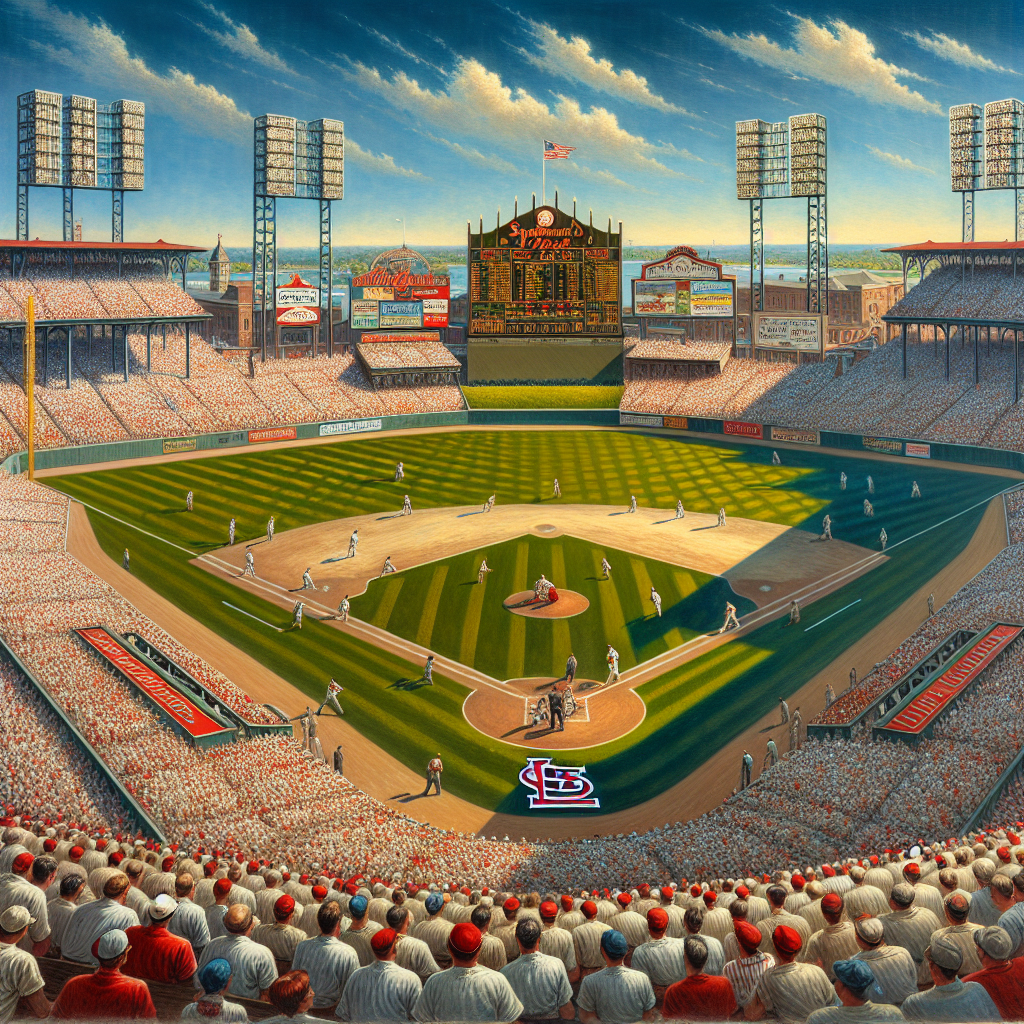
The history of Sportsman’s Park is rife with unforgettable moments that have left lasting impressions on the game. The park hosted a number of World Series, enduring as a battleground for epic clashes that would define legacies and shift the balance of power in Major League Baseball. One of the most talked-about series at Sportsman’s Park came in 1944 when the Cardinals faced their cross-town rivals, the St. Louis Browns, an all-St. Louis Fall Classic that captivated the entire city.
Then there’s the remarkable story of Stan Musial, one of baseball’s all-time greats, whose career was closely tied to Sportsman’s Park. Musial, affectionately known as “Stan the Man,” amassed 22 seasons with the Cardinals, delivering multiple legendary performances on its hallowed grounds. His batting prowess and dignified demeanor were emblematic of the team’s ethos, earning him a permanent spot in the Hall of Fame.
Another iconic moment was Enos Slaughter’s maddening dash to score the winning run in Game 7 of the 1946 World Series, a display of sheer will and athleticism that only heightened the mythos surrounding Sportsman’s Park. The roar of the crowd and the jubilation that followed are memories encapsulated in the minds of those who were fortunate enough to witness it firsthand.
Hosting four All-Star Games further cemented the park’s reputation as a cornerstone of baseball history. These midsummer classics allowed stars from both leagues to showcase their talent, with fans experiencing the rare thrill of seeing a constellation of baseball talent take the field simultaneously.
The Cultural Impact of Sportsman’s Park
Beyond the diamond, Sportsman’s Park had a profound impact on the social and cultural landscape of St. Louis. Baseball games at the park were communal events that brought people of all walks of life together, fostering a sense of unity and local pride. The ballpark was more than just a sports venue—it was a social hub where memories were made, friendships were solidified, and collective moments of joy and despair were shared.
The park’s cultural impact extended to its influence on local businesses. Surrounding establishments, from bars and restaurants to souvenir shops, thrived due to the traffic generated by game days and other events. The economic uplift provided by the park cannot be understated, as the influx of spectators meant more revenue for local commerce.
At a time when racial segregation was still prevalent in America, Sportsman’s Park played a role in the gradual integration of baseball. The Cardinals were one of the first National League teams to integrate, debuting Tom Alston in 1954, and the presence of African American players began to change the demographic and cultural dynamics of both the team and its fan base.
The ballpark also became a focal point for local traditions and rituals. From kids sneaking into games through loose fence boards to families setting up picnics to watch from the distance, the lore of Sportsman’s Park includes countless stories that reflect the spirit of the community. These stories have been passed down through generations, keeping the legacy of Sportsman’s Park alive even long after its last game.
The Closure and Lasting Legacy of Sportsman’s Park
Sportsman’s Park saw its final game on May 8, 1966, when the Cardinals moved to the newly minted Busch Memorial Stadium downtown. The transition marked the end of an era, as a new chapter began for both the team and its supporters. Despite the move, the memories and legacy of Sportsman’s Park left an indelible mark on the city of St. Louis and the sport of baseball.
The closure prompted a sense of nostalgia among fans who had grown up idolizing the players and cherishing the moments shared within the ballpark. Many lamented the loss of this iconic venue, fearing that its demolition would signal the erasure of a rich chapter in baseball history. However, the demolished stadium paved the way for new opportunities, as the area eventually turned into a community park and part of the Herbert Hoover Boys and Girls Club—a new venue for sports and activities, preserving the spirit of recreation and community.
The Cardinals honored the legacy of Sportsman’s Park by carrying forward the traditions and successes forged on its grounds into their new stadium. The memories and stories of Sportsman’s Park continue to be a touchstone for Cardinals fans, characterizing the perseverance and enduring passion of the team. The spirit of the old ballpark lives on, embedded in the culture of the franchise and the hearts of its fans.
Today, though it exists only in photographs and memories, Sportsman’s Park remains an integral part of baseball lore. It serves as a symbolic reminder of the sport’s historical journey and the communal bonds it fosters. As we look back on the park’s storied history, we are reminded that its legacy is not just built on the thrills and triumphs of epic games, but also on the shared experiences, friendships, and community spirit it nurtured over its lifetime.
Conclusion
Sportsman’s Park stands as a testament to the enduring heritage of baseball in America. It was more than just a ballpark; it was a place where dreams converged, heroes emerged, and a community thrived. From its origins as a recreational park in the 19th century to its apex as a premier baseball venue, its storied past offers a glimpse into the evolution of both the sport and the cultural fabric of St. Louis.
The park witnessed some of the most iconic moments in baseball history, from thrilling World Series games to the legendary plays of Hall of Famers like Stan Musial. These memories continue to resonate, as they are passed down through generations of fans who regard Sportsman’s Park with reverence and nostalgia.
While the park itself may no longer stand, its legacy endures through the lasting impact it had on the city and the game. It remains a cherished chapter in the annals of baseball history, an emblem of the timeless connection between a team and its supporters. The narratives and memories it gave rise to continue to inspire and bind fans together, celebrating a shared passion for the sport.
As we reflect on the rich history of Sportsman’s Park, we are reminded of the powerful role that such iconic venues play in shaping the identity of a sport and its community. In honoring the past, we also celebrate the future, cherishing the traditions and values that keep the spirit of baseball alive. Through the lore of places like Sportsman’s Park, the heart and soul of America’s pastime beats on, connecting us to a timeless legacy of passion, dedication, and unity.