
When one thinks of iconic ballparks throughout the history of baseball, Shibe Park inevitably comes to mind. Home to the Philadelphia Athletics from 1909 to 1954 and the Philadelphia Phillies from 1938 to 1970, Shibe Park represents a pivotal moment in the evolution of sports facilities. It was more than just a venue; it was a remarkable innovation that epitomized the birth of modern stadiums. Striking for its era, Shibe Park melded unique architectural design with functionality, setting the standard for future ballparks across America.
Introduction
Shibe Park, christened after Athletics’ co-owner Benjamin Shibe, first opened its doors on April 12, 1909. Built at the whopping cost of $315,000—a small fortune in those days—the park was situated at 21st Street and Lehigh Avenue, Philadelphia. Shibe Park’s significance went beyond its role as a venue for America’s pastime. It symbolized a groundbreaking shift from rudimentary wooden structures to concrete and steel edifices tailored to enhance the spectator’s experience.
The advent of Shibe Park came during a transformational period in both baseball and American society. The early 20th century was an era that valued progress and innovation; Shibe Park embodied these values through its utilitarian and aesthetic design. Unlike many of its contemporaries, the park featured a façade reminiscent of the French Renaissance style, crafted from elegant steel and brick.
Shibe Park’s groundbreaking design significantly influenced other stadiums that followed. Yet, it was not merely its construction that made it legendary, but also the unforgettable games and iconic moments it hosted. From World Series triumphs to monumental home runs, Shibe Park was an integral chapter in the history of American baseball, boasting a standing-room capacity that reached as high as 33,000 spectators in its prime.
The Architectural Revolution
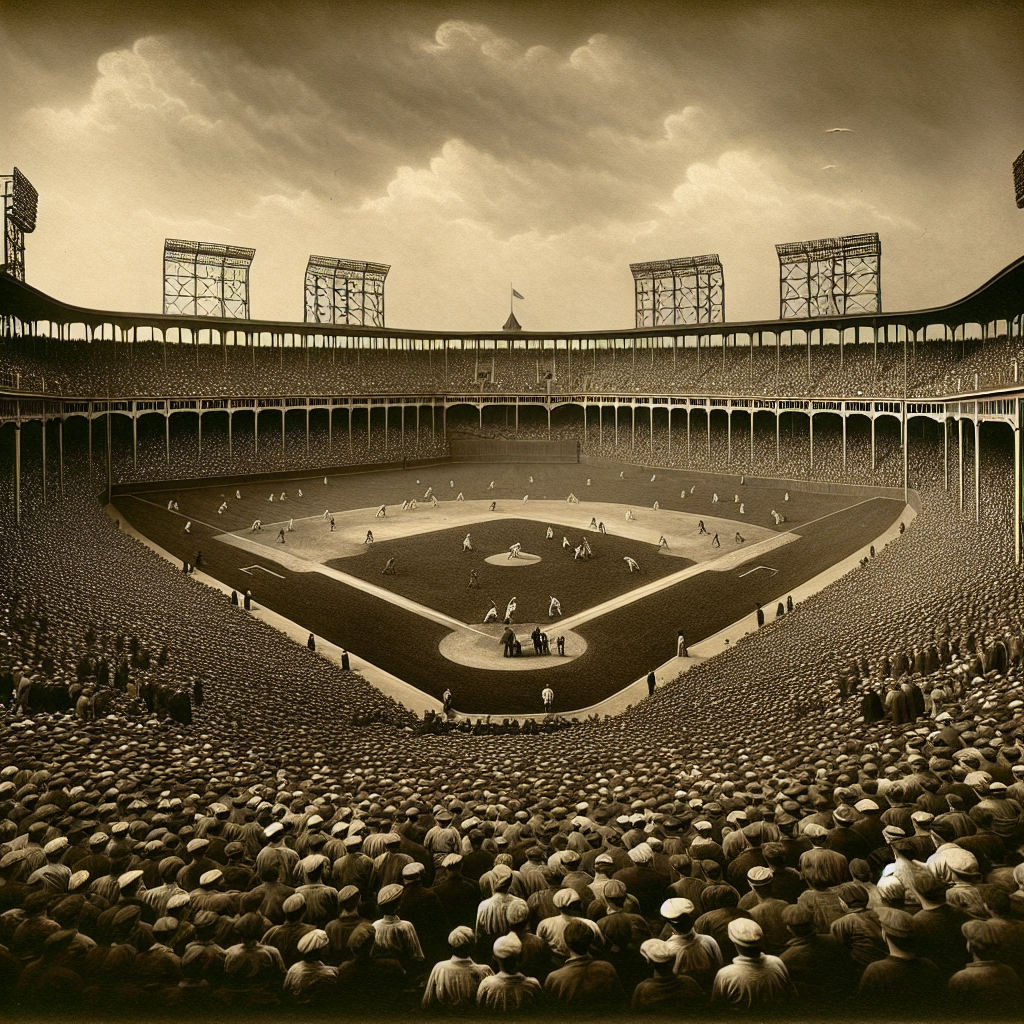
The architecture of Shibe Park was an impressive departure from the wooden grandstands that dominated baseball at the time. Designed by William Steele and Sons, its elaborate construction incorporated reinforced concrete and steel, making it the first stadium built from these materials. This not only increased the park’s durability but also its capacity, making it safer for large crowds.
The park’s exterior architecture was equally captivating; Art Deco and French Renaissance influences were evident in its ornate detailing and grandeur. This elegant appearance offered fans an inviting and prestigious atmosphere as they approached the stadium. The use of steel and brick material also ensured that Shibe Park was resilient against fire—a common problem with older wooden stadiums.
Inside, the park featured a double-deck structure, which was innovatively designed to provide excellent sightlines from every seat. The main grandstand ran along the length of the diamond, making sure no game detail was missed. In those days, such design efficiency was quite ahead of its time, adding a level of intimacy and engagement for the viewers.
The park also featured additional amenities like luxury boxes, a press box, and even a rooftop bleacher section that was added later. These aspects collectively demonstrated how Shibe Park was not just about watching baseball but experiencing it in comfort and style. Today, many of these ideas have become standard in modern stadium architecture, a testament to Shibe Park’s lasting influence.
Memorable Games and Historic Moments
Throughout its operational years, Shibe Park was the site of numerous legendary moments that are still cherished by baseball fans. One of the most memorable events was the Philadelphia Athletics’ 1910 World Series victory over the Chicago Cubs, which established the venue’s significance on the national stage.
This success was not a fluke. The Athletics celebrated five World Series titles at Shibe Park, cementing their status as a powerhouse in the sport. But it was not just the Athletics who created history within its walls; the park also hosted the Philadelphia Phillies after they relocated from Baker Bowl in 1938. Both teams shared the venue until the Athletics’ departure in 1954.
Shibe Park was also a location of other non-sporting events, including political rallies and boxing matches. One of the most unforgettable moments in Philadelphia sports history occurred in 1947 when Jackie Robinson broke Major League Baseball’s color barrier. His presence and performance at Shibe Park helped push forward the civil rights movement within the sport and the broader American landscape.
Another significant event at Shibe Park was posted on May 17, 1939, when the Athletics’ Harold “Pee Wee” Reese made his major league debut. The venue was regularly at the forefront of baseball’s most pivotal moments, consistently delivering memories that would cement its legacy as a historic and iconic ballpark.
Fan Experience and Cultural Impact
At the dawn of its existence, Shibe Park provided a vibrant, culturally rich experience for its fans. In an age when radio was still the primary medium for following baseball, attending a game at Shibe Park was an electrifying experience. The roar of the crowd, the sight of players executing plays in real-time, and the smell of freshly cut grass collectively created an atmosphere that was unmatched by any other form of entertainment.
Shibe Park was more than just a ballpark; it was a microcosm of Philadelphia’s community. The neighborhoods surrounding the park thrived on game days, with local pubs, eateries, and street vendors benefiting from good business. The park also acted as a social hub where people from diverse backgrounds and classes converged, shedding their societal roles to unite in their shared love for baseball.
Moreover, Shibe Park played an instrumental role in fostering local talent. The young boys who sold peanuts or programs often dreamt of playing on that very field one day. Many local leagues and high schools aimed to emulate the grandeur and professionalism of Shibe Park, thereby raising the overall standard of baseball in the region.
In its prime, the park attracted not just local fans, but also tourists who came specifically to witness a game at this architectural marvel. Its cultural impact extended beyond the sport, influencing urban planning and neighborhood development. The park left an indelible imprint on the community, one that lasted long after the crowds had left and the lights had dimmed.
Demise and Legacy
Like all great things, Shibe Park eventually met its end. Changes in urban dynamics, coupled with the advent of television, transformed how people experienced baseball. Despite these challenges, the park continued to serve the teams and fans until the mid-1970s.
In 1953, Shibe Park was renamed Connie Mack Stadium, in honor of the longtime Athletics manager and part-owner. However, by the late 1960s, the stadium was showing signs of age, and the advent of multipurpose stadiums highlighted its limitations. It closed its doors for good in 1970, and the site was eventually turned into a commercial area, marking the end of an era.
Although Shibe Park no longer stands, its influence remains. It set the architectural and functional blueprint for modern stadiums around the world. Many of the elements found in today’s ballparks, such as unobstructed views, luxury boxes, and elaborate exteriors, can trace their origins back to Shibe Park.
The lasting legacy of Shibe Park is evident in the hearts and minds of fans, historians, and architects. Its contribution to the sport and culture of baseball endures, achieving a timeless status that is both revered and studied. The park served as a stage for legendary athletic performances and a beacon of community spirit. It was a pioneer in the realm of sports architecture, long before the term ‘modern stadium’ even existed.
Conclusion
As we reflect on the history of baseball and its most iconic ballparks, Shibe Park stands out as a pioneering achievement. Its architectural innovation, cultural significance, and the myriad of historical events it hosted have solidified its place in the annals of sports history. The Philadelphia Athletics’ glorious moments, the civil rights milestones, and the sheer joy it brought to countless fans collectively underscore its monumental contributions.
Shibe Park was more than just a stadium; it was a trailblazer that defined what a modern ballpark should be. Its innovative architectural solutions laid the groundwork for future sporting venues and its cultural impact extended well beyond the baseball diamond. Even though it ceased to function as a ballpark more than fifty years ago, the legacy of Shibe Park thrives, etched in the memories of those who experienced its magic.
For any serious baseball enthusiast, understanding the importance of Shibe Park is essential for appreciating how the game has evolved both materially and culturally. It remains a symbol of a transformational era in baseball and continues to inspire those who dream of what a stadium can represent.