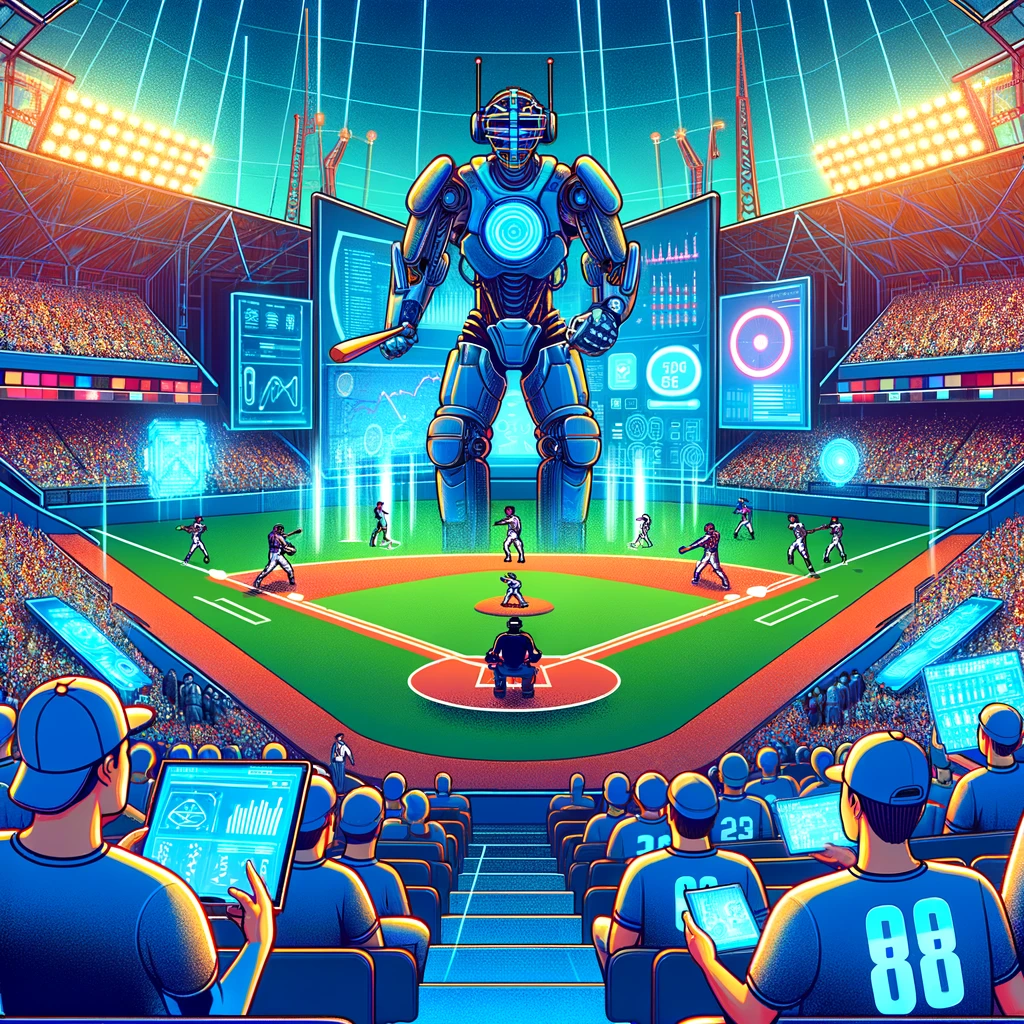
Baseball, traditionally seen as a bastion of timeless tradition, has been dramatically reshaped by the advent of digital technology. This transformation has touched every aspect of the game, from how it’s played and analyzed to how fans interact with their favorite teams.
Analytics and Data-Driven Decision Making
The Rise of Sabermetrics
The digital revolution in baseball began with the adoption of sabermetrics, a statistical approach to evaluating player performance. This method gained prominence with the success of teams like the Oakland Athletics, who leveraged data to build competitive rosters despite budget constraints.
Real-Time Data Analysis
Technologies such as Statcast have revolutionized how data is used in baseball. By tracking metrics like pitch velocity and spin rate, teams can make more informed decisions in real-time, both on and off the field.
Enhancements in Player Training and Performance
Virtual and Augmented Reality
Training methods have evolved with the introduction of virtual and augmented reality. These technologies allow players to simulate game situations, providing a new level of depth to training regimens.
Wearable Technology
Wearable devices have become a staple in player training. By monitoring various health and performance metrics, these devices help teams tailor training programs to individual players, maximizing performance while minimizing injury risks.
Fan Engagement and Experience
Enhanced Viewing Experience
Digital advancements have significantly enhanced the fan viewing experience. High-definition broadcasts and multiple camera angles offer an immersive experience, while augmented reality apps allow fans to access player stats and game data in real time.
Social Media and Online Platforms
The rise of social media has fostered a more interactive baseball community. Fans now enjoy unprecedented access to their favorite teams and players, enhancing their overall engagement with the sport.
Umpiring and Game Integrity
Electronic Strike Zone
The potential introduction of an electronic strike zone aims to provide a consistent and accurate strike zone. While promising in reducing human error, it also raises questions about the future role of umpires in baseball.
Instant Replay and Review Systems
The use of instant replay and review systems has improved the accuracy of game-critical decisions, enhancing the overall integrity of the sport.
The Business of Baseball
Market Expansion and Global Reach
Digital platforms have enabled Major League Baseball to reach a global audience. Streaming services and international broadcasting deals have expanded the fanbase and opened new revenue streams.
Dynamic Ticket Pricing
Teams now use sophisticated algorithms for dynamic ticket pricing, adjusting prices in real time based on various factors, thus optimizing revenue and adapting to changing fan demand.
Ethical Considerations and Challenges
Privacy and Data Security
The increased reliance on data analytics and wearable technology raises concerns about player privacy and data security. Protecting sensitive information is crucial for both players and teams.
Balancing Tradition and Innovation
As baseball continues to embrace digital innovations, there is a debate about maintaining the sport’s traditional aspects. Finding the right balance between preserving the essence of baseball and adopting new technologies is key.
The digital era has brought about profound changes in baseball, making it more analytical, efficient, and engaging. The challenge ahead is to harness these technological advancements while respecting and preserving the game’s rich heritage.

Future Trends and Predictions
The Integration of AI and Machine Learning
The future of baseball technology lies in the integration of artificial intelligence (AI) and machine learning. AI could further refine player analytics, offering deeper insights into performance and strategy. Machine learning algorithms might predict player injuries or develop personalized training and nutrition plans.
Enhanced Fan Interaction
Advancements in technology will continue to redefine how fans interact with the game. Future innovations could include virtual reality experiences that allow fans to “attend” games from anywhere in the world or interactive platforms that let fans influence in-game decisions, like walk-up music or scoreboard displays.
Smart Stadiums
The concept of smart stadiums is gaining traction. These stadiums would use technology to enhance the fan experience, featuring things like personalized replays on mobile devices, in-seat ordering services, and real-time engagement activities. Smart stadiums would also be more energy-efficient and environmentally friendly.
Player Health and Biometrics
The focus on player health will intensify, with biometrics playing a significant role. Sensors might monitor a player’s health status in real-time, alerting to potential injury risks. This technology could extend players’ careers and reduce the number of game-related injuries.
Ethical and Regulatory Considerations
As technology continues to evolve, so will the ethical and regulatory considerations. Issues like data privacy, the equitable use of technology, and the preservation of the game’s integrity will require ongoing attention and thoughtful governance.
Globalization Through Digital Platforms
Finally, digital technology will continue to globalize baseball. Streaming services and social media platforms will bring the game to new audiences, potentially leading to a more diverse fan base and player pool. This globalization could also influence how the game is played, with different cultural perspectives and techniques being integrated.
Conclusion
The dawn of the digital era in baseball is not just a shift in how the game is played or viewed but a complete transformation of the sport’s culture and business. As technology continues to advance, baseball will likely see even more profound changes, making it crucial for the sport to adapt while honoring its storied past. The future of baseball, shaped by digital innovations, promises to be as exciting and dynamic as the game itself.
This exploration into the digital transformation of baseball offers a glimpse into a future where technology not only enhances the game but also strengthens its global appeal and connection with fans. As baseball continues to evolve with the times, it remains a testament to the enduring spirit and adaptability of this classic sport.
Frequently Asked Questions
1. How has digital innovation changed the way baseball is played and analyzed?
Digital innovation has ushered in a new era for baseball, fundamentally altering the way the game is played, managed, and analyzed. At the heart of this transformation is the proliferation of advanced analytics and sabermetrics. These technologies offer a deeper, data-driven understanding of player performance, game strategy, and even talent scouting. Sabermetrics allows teams to make informed decisions about everything from lineup construction and in-game strategy to trades and free-agent signings. With sophisticated data models, teams are capable of breaking down player performance into minute details that inform decisions with unprecedented precision. This data-driven approach has redefined how teams approach the game, shifting the focus from traditional stats like batting averages and RBIs to more nuanced metrics such as on-base percentage, slugging percentage, and wins above replacement (WAR).
2. What role does technology play in fan engagement with baseball?
Technology plays a monumental role in modern fan engagement, transforming the way fans experience and interact with baseball. Digital platforms and social media have created new avenues for fans to connect with their favorite teams and players. Live streaming, mobile apps, and interactive websites allow fans to access real-time updates, stats, and exclusive content from anywhere in the world. Virtual reality (VR) and augmented reality (AR) are emerging technologies that promise to further enhance fan experiences by offering virtual field tours, in-stadium experiences, and even the opportunity to watch games from the players’ perspective. Furthermore, fantasy baseball and online communities foster deeper engagement by allowing fans to participate in simulated managerial roles. The integration of technology has made baseball more accessible and interactive, cultivating a more engaged, savvy, and diverse fan base.
3. How have digital tools changed recruitment and talent development in baseball?
Digital tools have revolutionized recruitment and talent development in baseball by providing unprecedented insights into player potential and growth. Advanced metrics and sophisticated data analytics are used to evaluate prospects, allowing scouts and coaches to identify talents that may have been overlooked by traditional evaluation methods. Video analysis software and biomechanical assessments provide coaches with detailed breakdowns of players’ techniques, enabling personalized training programs that target specific areas for improvement. This level of analysis helps in refining talents from the grassroots level up to professional play. Moreover, wearable technology allows for the tracking of players’ fitness and workload, minimizing the risk of injury and optimizing performance. These digital advancements have streamlined the process of identifying, nurturing, and managing baseball talent, ushering in a new era of player development.
4. In what ways has data analytics impacted in-game management and strategy?
Data analytics has had a profound impact on in-game management and strategy in baseball by providing managers with the tools to make more informed decisions. The strategic approach to games is now deeply rooted in analytical research and data visualization techniques. Managers employ data-driven insights to make critical decisions regarding player positioning, pitching rotations, and batting orders. Real-time statistical analysis allows for adjustments to be made on-the-fly, such as defensive shifts based on examined tendencies of hitters, which are meticulously logged in historical data. Pitch sequencing has also benefited from data analysis, where matchups between pitchers and batters are dissected to favorably exploit weaknesses. This analytical bent is reshaping the tactical approaches within the game, enabling managers to craft strategies with surgical precision that can significantly influence game outcomes.
5. What future digital innovations can we expect for baseball?
As baseball continues its digital transformation, several emerging technologies promise to further revolutionize the sport. Artificial intelligence (AI) and machine learning are expected to play larger roles, providing predictive analytics that can forecast game outcomes, injury risks, and player career trajectories with even greater accuracy. Blockchain technology may be employed for secure ticketing processes and memorabilia authentication. Augmented reality (AR) holds potential for in-stadium experiences, allowing fans to access live stats and player information through smart devices. Beyond the field, virtual and mixed realities (VR/MR) could offer fans immersive viewing experiences from their homes that mimic being in the stadium. As technology continues to evolve, baseball will undoubtedly embrace these innovations, enhancing every aspect of the game for athletes, coaches, and fans alike.