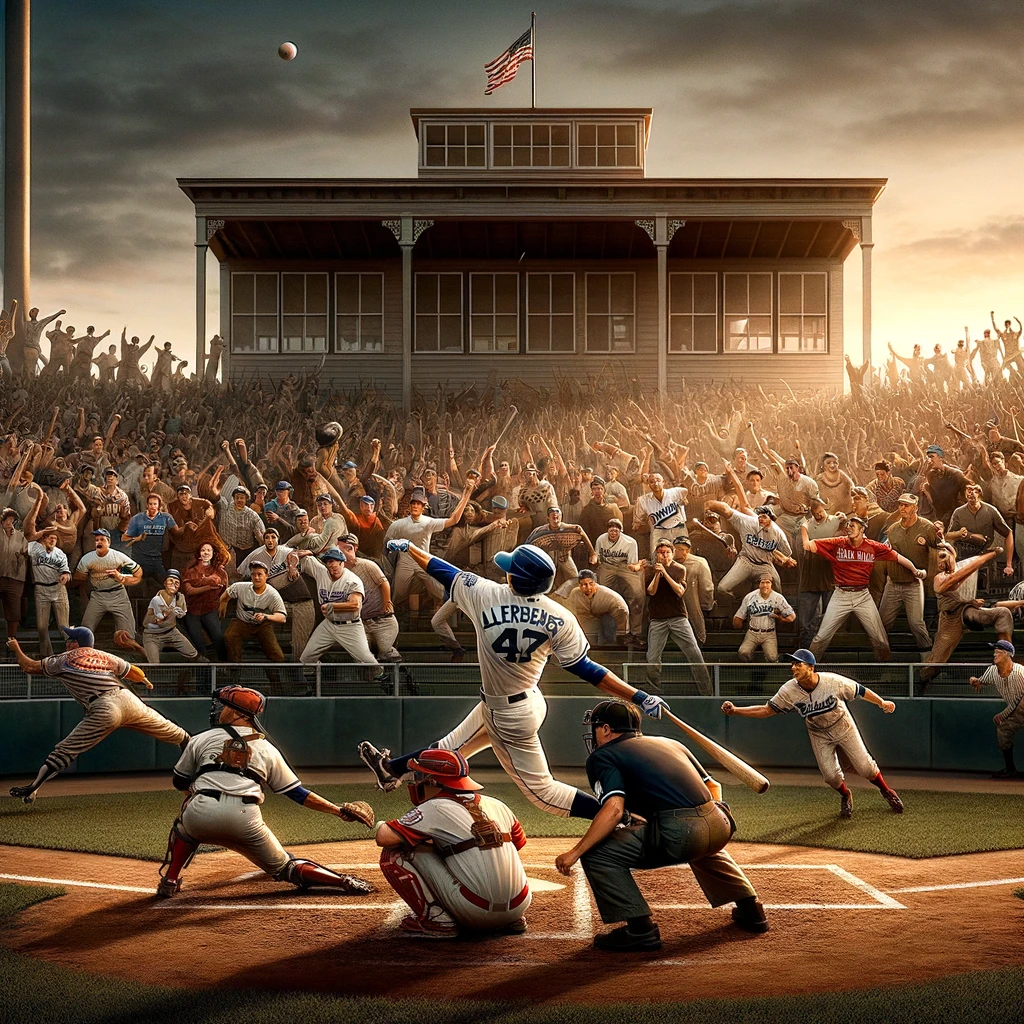
The Minor Leagues: An Essential Aspect of Baseball
The minor leagues of baseball have been a cornerstone of American sports culture, significantly contributing to the development of the game. Formed in 1901, these leagues initially served as a training ground for aspiring Major League players and a haven for veterans. The structure we recognize today was cemented in 1903 when Major League Baseball (MLB) formalized its relationship with the minor leagues. This partnership marked a pivotal moment, underscoring the minor leagues’ role in nurturing talent for the major leagues.
The Farm System Revolution
A transformative change occurred in 1919 when Branch Rickey, then manager of the St. Louis Cardinals, introduced the “farm system”. This approach involved signing numerous high-school athletes and cultivating them within the club’s system, a concept soon adopted widely across baseball. By 1949, the popularity of minor league baseball had soared, with 448 teams across the U.S., Canada, Cuba, and Mexico. These leagues attracted approximately 39 million fans – double the attendance of Major League games. However, this golden era faced challenges as the broadcasting and televising of major league games began to erode minor league attendance.
Struggles and Resilience
The 1980s marked a low point for the minor leagues, with a significant reduction in teams and leagues due to major leagues annexing key territories. Subsidization by major league parent clubs became a necessity for survival. Despite these struggles, the 1990s witnessed a resurgence, driven by lower ticket prices, new stadium developments, and family-oriented promotions. By 2009, minor league attendance rebounded impressively, reaching over 41.6 million.
The Role of Leaders
Leadership played a key role in the minor leagues’ evolution. Notable figures like Mike Moore, who became President of the National Association of Professional Baseball Leagues in 1991, spearheaded significant changes, including modernizing the association’s structure and boosting merchandise sales, which topped $70 million by 2017. Moore’s leadership saw the minor leagues grow in both attendance and revenue.
Present and Future
Today, the minor leagues remain vibrant, with numerous teams across various classifications such as AAA, AA, and Single A. These teams continue to provide a platform for player development and a more accessible form of entertainment for families. Despite the challenges over the years, the minor leagues have shown remarkable resilience, adapting to changing circumstances and continuously fostering a deep love for the game of baseball.
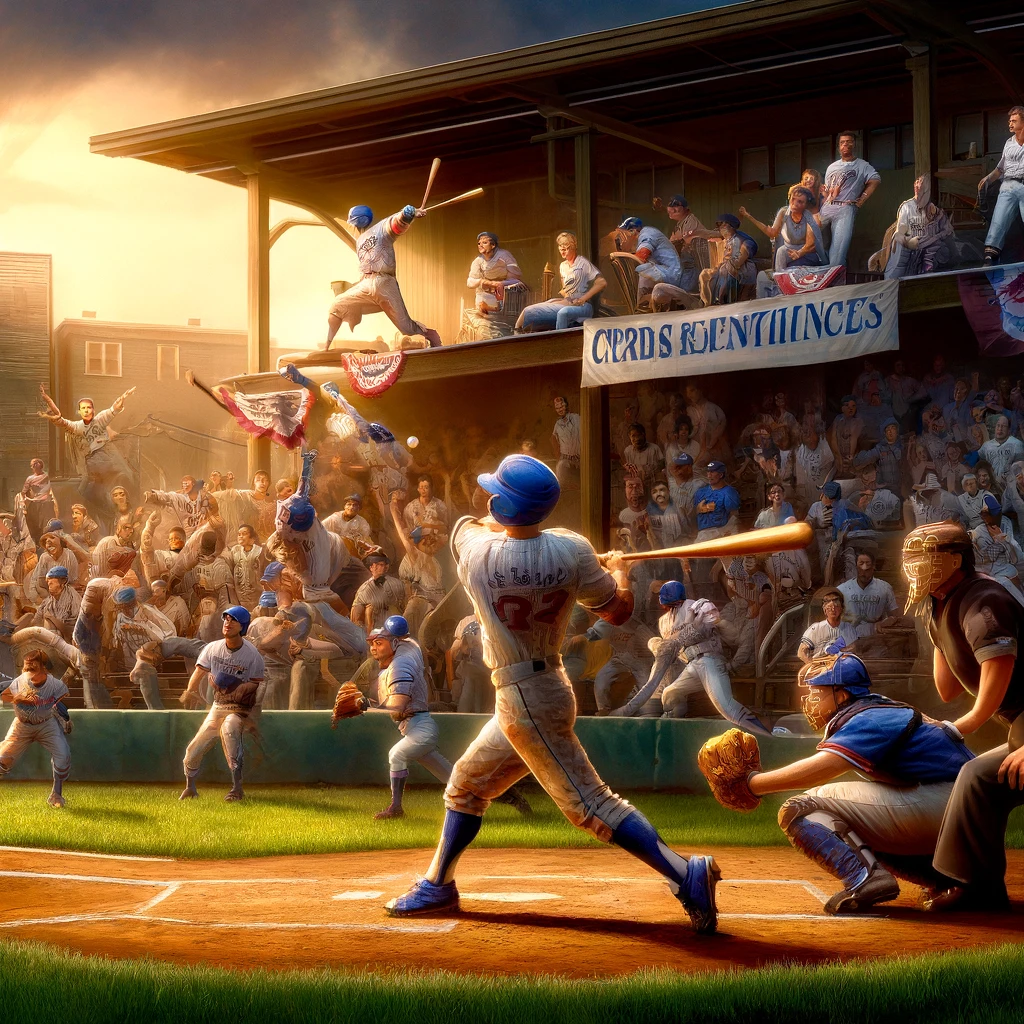
The Evolution of College Baseball
While minor league baseball has its own rich history, college baseball has played an equally crucial role in the landscape of American baseball. The development of college baseball has been pivotal in shaping young talents, many of whom would later shine in the minor and major leagues.
Early Years and Growth
The roots of college baseball date back to the 19th century, with the first intercollegiate baseball game played in 1859 between Amherst College and Williams College. This marked the beginning of college baseball, which would grow alongside the professional game. In the early days, college baseball provided a platform for amateur players to demonstrate their skills, attracting attention from professional teams.
The Integration of College and Minor League Systems
As baseball evolved, so did the relationship between college and professional baseball. The minor leagues became a crucial bridge for college players transitioning to the professional ranks. This integration benefited both systems: colleges provided a pool of talented and partly developed players, while the minors offered a platform for further development and exposure.
The Rise of College Baseball Programs
Major universities began to invest more in their baseball programs, recognizing the sport’s potential to attract students and enhance school spirit. This investment led to the development of high-quality facilities and coaching staff, further elevating the standard of play in college baseball.
The Draft and the College Route
The introduction of the Major League Baseball Draft in 1965 brought a formal structure to the recruitment of college players. Talented high school players now had the option to either enter the minor leagues directly or play college baseball, with the potential to improve their draft position and gain a valuable education. This decision-making process added a new layer of strategy for young athletes and their families.
College World Series: A Showcase of Talent
The College World Series, first held in 1947, became the pinnacle of college baseball, offering a national stage for the best college teams to compete. It has since grown into a major event, drawing significant media attention and showcasing future MLB stars.
Recent Trends
In recent years, college baseball has seen increased popularity, with more games being televised and greater media coverage overall. This growth has not only improved the visibility of college programs but also highlighted the role of colleges in developing future professional players.
The Symbiotic Relationship
The relationship between minor league and college baseball is symbiotic. While the minor leagues offer immediate professional play, college baseball provides a path for academic and athletic development. This dynamic allows players to choose a route that best suits their personal and professional goals.
Looking Forward
As both minor league and college baseball continue to evolve, they remain integral to the fabric of American baseball. Their resilience and ability to adapt to changing times are a testament to their enduring importance in developing talent and promoting the sport.
Frequently Asked Questions
1. What is the purpose of Minor League Baseball?
Minor League Baseball plays a crucial role in the world of professional baseball by acting as a training ground for aspiring Major League players and providing a space for veterans to continue their careers. Since its formation in 1901, the minor leagues have been essential in developing talent and preparing players for the demanding nature of Major League play. Essentially, it acts as a farm system for MLB clubs where they can nurture potential stars, refine their skills, and evaluate their progress in a highly competitive yet tiered environment.
Moreover, Minor League teams offer players a chance to gain vital playing experience which is indispensable for their growth. It provides them with the opportunity to hone their skills under the guidance of experienced coaches and managers, who often have vast experience in the professional leagues themselves. For many players, the minors are a stepping stone to fulfilling their dream of playing in Major League Baseball. Lastly, they also help maintain a player’s career longevity by allowing older players to rehab injuries or make a return to form.
In addition to player development, Minor League Baseball significantly bolsters local communities by offering affordable family-friendly entertainment. With extensive outreach programs, the minors also focus on community engagement, which strengthens local ties and promotes the sport at a grassroots level.
2. How did the relationship between Major League Baseball and the Minor Leagues evolve?
The partnership between MLB and the minor leagues was solidified in 1903, setting the stage for the organizational structure we see today. This relationship marked a pivotal moment in baseball history, creating a symbiotic system where minor league teams act as feeder clubs for the majors. Over the decades, this partnership has adapted and evolved to address various challenges and changes in the sport.
With this cooperation, Major League teams are able to assign players to minor league affiliates to gain the experience they require. Conversely, minor league clubs benefit from nurturing talented prospects, some of whom become the stars of tomorrow. This arrangement allowed both leagues to grow in tandem, implementing player development changes and ensuring a consistent influx of talent to the major leagues.
Regular assessments and revisions of this partnership’s framework have occurred to address dynamics such as venue standards, salary structures, and team affiliations. The partnership has evolved beyond just player development to include broader commercial and operational synergies, enhancing the growth and quality of baseball in America. It stands as a testament to the adaptable and resilient nature of the sport, demonstrating the enduring link between different levels of professional baseball.
3. How has Minor League Baseball impacted local communities?
Minor League Baseball has had a profound impact on local communities across America. These teams are often deeply ingrained in their cities, offering affordable entertainment and providing economic stimulation. With lower ticket prices, they offer a more accessible way for families to enjoy live sports, making the game of baseball available to a broader audience.
The economic benefit extends beyond the ballpark. Local economies often experience windfall gains from having a minor league team, with restaurants, hotels, and other businesses seeing increased patronage on game days. Additionally, teams often employ a local workforce, creating jobs that complement this economic activity.
Beyond economics, Minor League teams play a critical role in community engagement. Through various programs, events, and partnerships, these teams connect with their communities by supporting local charities, schools, and nonprofits. From hosting Little League nights to conducting baseball clinics, the minor leagues ensure baseball remains an integral part of community culture and leisure, enhancing the quality of life and fostering a profound connection to the national pastime.
4. What challenges have Minor League Baseball faced over the years?
Minor League Baseball has faced numerous challenges since its inception, but its resilience has allowed it to continually adapt and overcome these obstacles. Economic fluctuations have posed significant challenges, with the Great Depression and subsequent economic recessions threatening the viability of many teams. Additionally, fluctuating attendance numbers and financial instability have been recurring issues that teams have had to address through creative marketing and community engagement efforts.
The past decades have also seen the closure and relocation of several minor league teams due to various factors, including MLB restructuring, changes in affiliated team agreements, and venue concerns. The highly competitive nature of fostering emerging players also means that maintaining a high standard of play and attracting prospects can be an enduring concern.
One of the most recent challenges has been the COVID-19 pandemic, which led to the cancellation of the 2020 season and forced teams to reassess their financial models and strategies. Despite these hardships, Minor League Baseball has shown remarkable resilience by pivoting to new business models, increasing digital engagement, and re-emerging stronger post-crisis, highlighting their growth and evolution as central to their identity and success.
5. How do players move between Minor League Baseball and the Major Leagues?
The movement of players between Minor League Baseball and the Major Leagues is a well-organized process optimized for player development and talent assessment. Players are typically drafted into the Major League Baseball clubs and are assigned to minor league affiliates based on their readiness and skill set.
As players progress and develop, they may move up through the tiers, ranging from Class A (the lower levels) to Class AAA (the highest level before the majors). This system ensures that players are competing at an appropriate level where they can refine their skills and gain valuable experience. The movement can be upward, as a player is promoted through the ranks as they improve, or downward, where a player may be placed in lower levels for additional development or rehabilitation.
Major League teams closely monitor their minor league affiliates, assessing player performance, health, and potential for success at higher levels. If a player performs exceptionally well in the minors or if the major league team faces injuries or roster needs, players can be called up to the major league club. Conversely, players not fulfilling expectations at the top level may be reassigned to the minor leagues to refine their game or regain confidence. This intricate dance between the leagues ensures that players are placed where their skills can best be utilized and developed, underscoring a systematic approach to nurturing baseball talent.