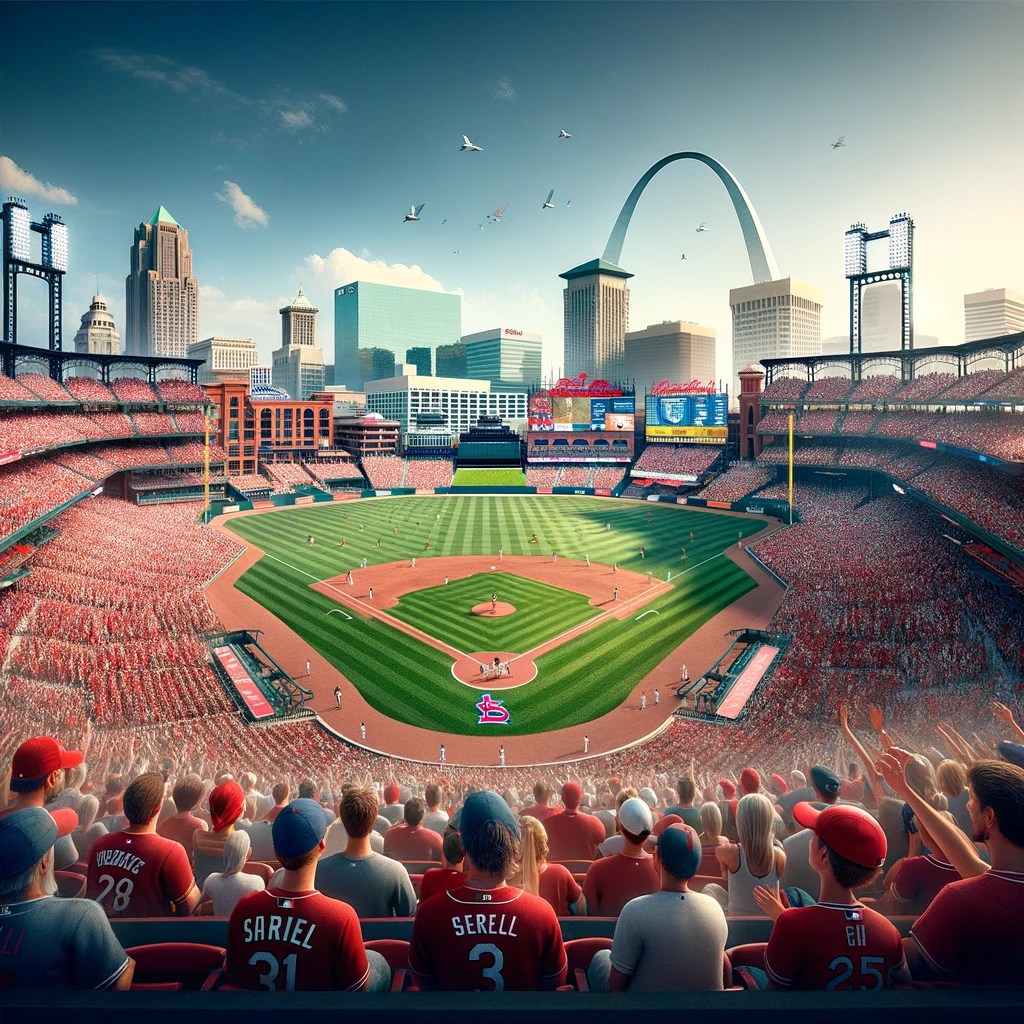
In the pantheon of American baseball stadiums, few can boast the cultural and historical significance of Busch Stadium in St. Louis. More than just a venue for sporting events, it stands as a testament to the enduring love affair between a city and its baseball team, the St. Louis Cardinals. This article delves into the rich history, unique features, and memorable moments that have cemented Busch Stadium’s status as an iconic ballpark and the heart of St. Louis baseball tradition.
The Genesis of a Legacy
The Early Years
The story of Busch Stadium begins with its inception in the mid-1960s. As the replacement for the aging Sportsman’s Park, the new stadium was part of a wave of multipurpose sports complexes designed during this era. Opened in 1966, the original Busch Memorial Stadium was a circular, cookie-cutter structure, a hallmark design of the time. Despite its initially criticized architectural style, the stadium quickly became a beloved part of the city’s landscape.
Transition to the New Millennium
The turn of the millennium heralded a new chapter for Busch Stadium. In 2006, the Cardinals unveiled the current Busch Stadium, a state-of-the-art ballpark that blended modern amenities with classic design elements. This transition marked a significant shift from the multipurpose model to a baseball-specific venue, tailoring the experience to the nuances of the game and its fans.
Architectural Marvel
Design Elements
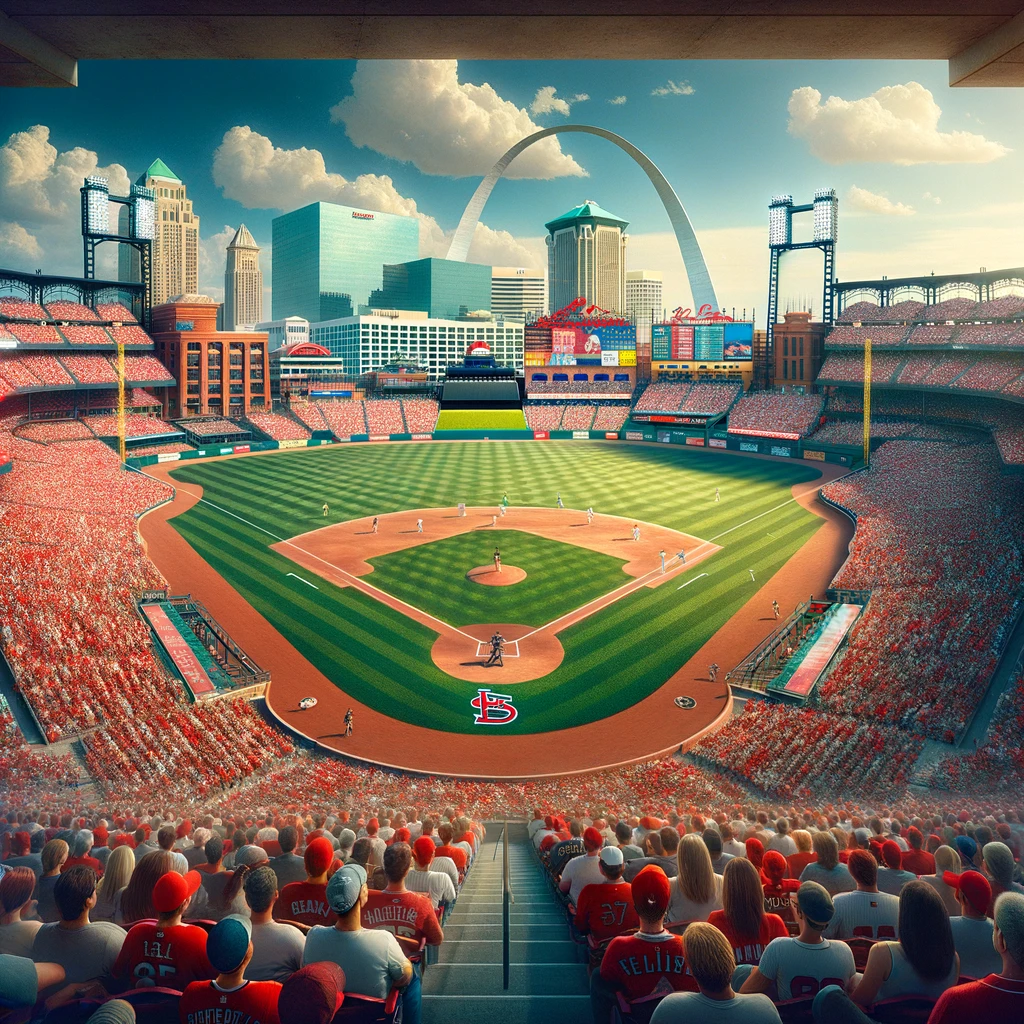
Busch Stadium’s architecture is a harmonious blend of traditional and contemporary styles. The red brick exterior, arched openings, and green steel framework pay homage to the classic ballparks of yesteryear, while the interior amenities and sightlines reflect modern sensibilities. One of the stadium’s most striking features is its open-air design, offering panoramic views of the St. Louis skyline, including the iconic Gateway Arch.
Environmental Consciousness
In an era increasingly focused on sustainability, Busch Stadium stands out for its green initiatives. It was the first Major League Baseball stadium to receive LEED certification for existing buildings. Energy-efficient lighting, comprehensive recycling programs, and a commitment to using sustainable materials are just a few examples of how the stadium melds environmental responsibility with a love of the game.
The Cardinals and Their Nest
A Team Steeped in History
The St. Louis Cardinals, the primary residents of Busch Stadium, are one of baseball’s most storied franchises. With a history dating back to the late 19th century, the Cardinals have won multiple World Series championships, contributing to the stadium’s aura of greatness. Legends like Stan Musial, Bob Gibson, and Ozzie Smith have graced the field, embedding themselves in the fabric of St. Louis culture.
Fan Experience
The fan experience at Busch Stadium is unparalleled. From the vibrant sea of red-clad supporters to the traditional pre-game ceremonies, attending a game is more than just watching baseball—it’s a communal event. The stadium’s design ensures that fans are close to the action, creating an intimate atmosphere that amplifies every pitch and hit.
Memorable Moments
Historic Games
Busch Stadium has been the backdrop for numerous historic moments in baseball. From Mark McGwire’s 62nd home run in 1998, breaking the single-season record, to David Freese’s heroic performance in Game 6 of the 2011 World Series, the stadium has witnessed baseball history in the making.
Non-Baseball Events
Beyond baseball, Busch Stadium has hosted a range of events, showcasing its versatility and cultural significance. Concerts, soccer matches, and even hockey games during the NHL Winter Classic have taken place within its walls, drawing diverse crowds and adding to its storied legacy.
Community and Impact
Economic Influence
Busch Stadium’s impact extends beyond the realm of sports. It is a significant economic driver for downtown St. Louis, boosting local businesses and tourism. The stadium’s presence has spurred development in the surrounding area, contributing to the city’s vibrancy and growth.
Charitable Endeavors
The Cardinals and Busch Stadium are also known for their commitment to the community. Through various initiatives and partnerships, they support local charities and programs, reinforcing the bond between the team and the city.
A Deep Dive into Busch Stadium’s Features
The Field of Dreams
The playing field at Busch Stadium is a masterpiece of engineering and maintenance. The Kentucky bluegrass surface, meticulously groomed, provides one of the best playing surfaces in the major leagues. The stadium’s state-of-the-art drainage system ensures that even after a heavy downpour, games can resume quickly, minimizing delays and preserving the quality of play.
Gastronomic Delights
A visit to Busch Stadium is not complete without indulging in the diverse culinary offerings. From classic hot dogs and nachos to gourmet local specialties, the stadium caters to a wide range of tastes. Local craft beers and the famous St. Louis barbecue are fan favorites, adding to the authentic St. Louis experience.
Legends of the Diamond
Busch Stadium has been a witness to the careers of some of baseball’s greatest players. The Cardinals’ roster over the years reads like a who’s who of baseball legends, each contributing to the team’s storied legacy. The stadium has celebrated these heroes through various means, including retired number displays and statues outside the stadium, serving as a constant reminder of the greatness that has graced the diamond.
Integration with the City
A Part of the Urban Fabric
The design and location of Busch Stadium are seamlessly integrated with the urban fabric of St. Louis. Nestled in the heart of downtown, the stadium is easily accessible by public transportation, making it a convenient and central hub for fans and visitors. Its open design invites the city in, creating a sense of unity and inclusivity.
Community Events and Outreach
Busch Stadium’s role extends beyond baseball and entertainment. It serves as a venue for community events, charity fundraisers, and educational programs. These initiatives highlight the stadium’s commitment to being more than just a sports venue, but a community partner as well.
The Future of Busch Stadium
Ongoing Improvements and Innovations
Busch Stadium continues to evolve, with ongoing improvements and innovations ensuring that it remains at the forefront of modern stadiums. Upgrades in technology, fan comfort, and amenities are regularly implemented, demonstrating a commitment to providing the best possible experience for visitors.
Legacy and Heritage
As Busch Stadium moves forward, it carries with it the legacy and heritage of past generations. It remains a living monument to the timeless appeal of baseball in St. Louis, a symbol of the city’s passion for the sport, and a beacon for future generations of fans and players.
Conclusion
Busch Stadium stands as a remarkable testament to the power of sports in bringing people together. Its rich history, architectural beauty, and the thrilling moments that have unfolded on its field make it much more than a stadium—it’s a cherished landmark. In the heart of St. Louis, it continues to be a place where memories are made, legends are born, and the spirit of baseball is alive and thriving.
Busch Stadium is not just the heart of St. Louis baseball tradition; it is the soul of a city deeply in love with its team and the timeless game of baseball.
Frequently Asked Questions
1. What is the historical significance of Busch Stadium in St. Louis?
Busch Stadium is not just a venue; it’s a symbol of the deep-rooted baseball tradition in St. Louis. The stadium, named after the Busch family who have historically been linked to the Anheuser-Busch brewing company, serves as an emblem of the city’s enduring love affair with baseball. Spanning several generations, the three iterations of Busch Stadium have each hosted countless memorable baseball moments, from World Series victories to record-breaking performances by legendary players. As the home of the St. Louis Cardinals since 1966, this stadium is a testament to the city’s unwavering support and pride for its baseball team. The current Busch Stadium opened its gates in 2006 and continues this historical legacy, standing prominently in downtown St. Louis as a beacon of the city’s cultural and sporting landscape.
2. What unique features set Busch Stadium apart from other baseball stadiums?
Busch Stadium is designed to offer not just a game, but an experience. One of its standout features is its architectural homage to the old-time baseball parks. It blends modern amenities with nostalgic elements, such as the brick facade and classical archways, mirroring the spirit of its predecessor and the region’s history. Beyond architecture, the stadium boasts one of the most picturesque settings in Major League Baseball. The view from many of the seating areas is dominated by the iconic Gateway Arch, creating a stunning backdrop that enhances the game-day experience. The ballpark also features a wide array of fan-friendly activities, from the Family Pavilion filled with interactive games and a batting cage, to diverse concession options that showcase local St. Louis cuisine. Furthermore, the Cardinals Hall of Fame and Museum located within the stadium chronicles the storied history of the team, offering fans a deep dive into its rich past.
3. How does Busch Stadium contribute to the St. Louis community beyond baseball games?
Busch Stadium plays a significant role in the community and contributes in various ways beyond hosting baseball games. Economically, it’s a vital part of St. Louis, drawing millions of spectators each year, which benefits local businesses such as hotels, restaurants, and retail establishments. Moreover, the stadium frequently hosts non-baseball events, including concerts, corporate gatherings, and charity events, further enriching the local cultural scene. The Cardinals organization itself is actively involved in community service, often using the stadium as a focal point for charitable activities and initiatives aimed at improving the lives of local residents. Programs aimed at youth development in sports and education also frequently emanate from the partnership between the stadium and community organizations, encouraging the next generation to engage with their community positively.
4. What are some of the most memorable moments that have occurred at Busch Stadium?
Busch Stadium has been the stage for a multitude of unforgettable moments in baseball history. Probably the most iconic moment came during the 2011 World Series, when the Cardinals pulled off one of the most improbable comebacks in Game 6 against the Texas Rangers, eventually winning the series. This game is often celebrated for its drama and is considered one of the greatest baseball games ever played. Additionally, the stadium has hosted several All-Star Games and countless playoff matches, each adding to its illustrious narrative. Key player milestones, such as Mark McGwire’s record-breaking home runs in 1998 at the previous iteration of the stadium, had captivated the nation and solidified the stadium’s status as a historical landmark. Every season brings new memories and moments that further embed Busch Stadium in the hearts and minds of its fans.
5. How has Busch Stadium evolved over the years, and what are the future plans for it?
Busch Stadium has seen three different incarnations since its first opening in 1953. The current Busch Stadium, which opened in 2006, represents a modern blend of innovation while paying homage to its predecessors. This iteration of the stadium expanded to offer more seating and better amenities, catering to modern sports fans’ needs such as high-definition scoreboards, premium seating options, and improved accessibility. As for future plans, the commitment to enhancement continues, focusing on fan experience advancements and sustainability measures. These include potential upgrades of digital infrastructures like Wi-Fi services and mobile apps for seamless game day experiences. Additionally, there is a sustained emphasis on using the stadium as a multi-purpose venue to host diverse events year-round. The Cardinals’ organization ensures that Busch Stadium remains not only structurally robust but cultivated as an integral part of St. Louis’s future cityscape and community fabric.