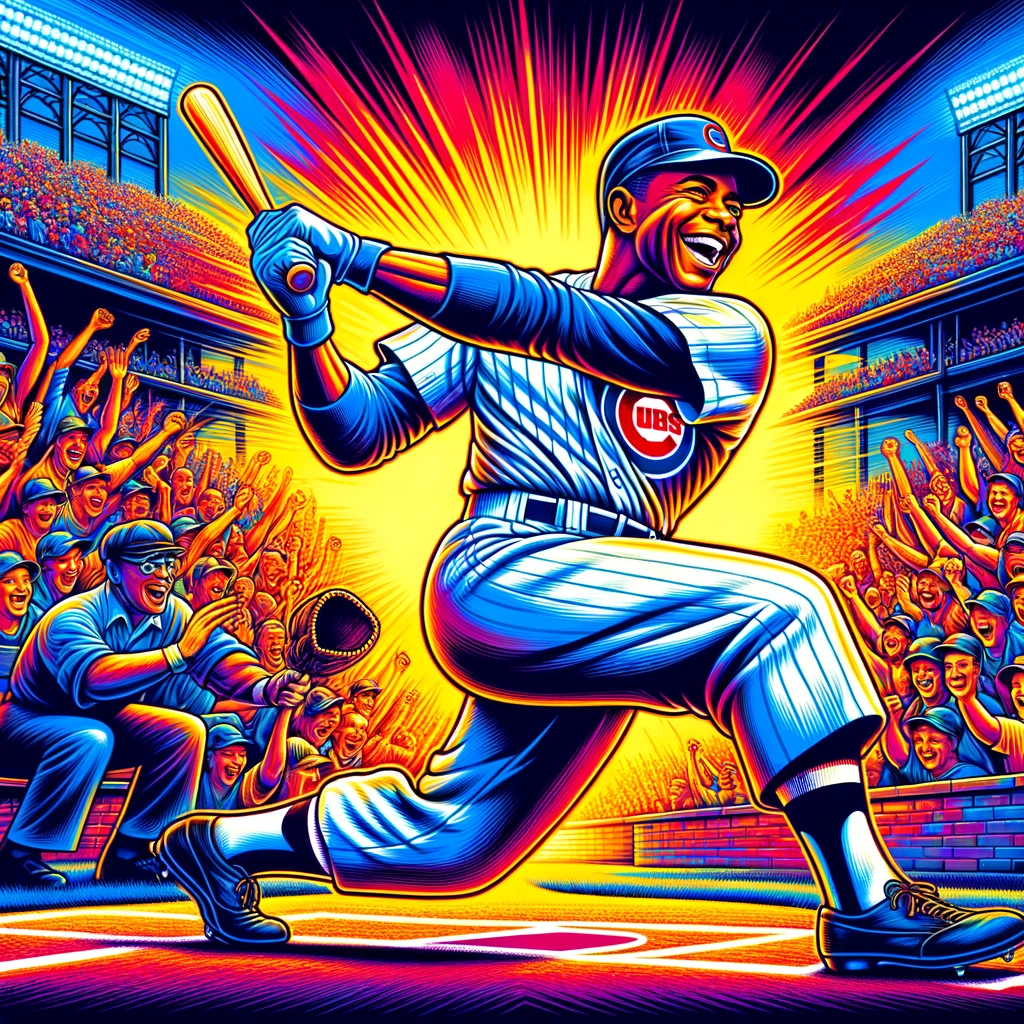
Ernest Banks, affectionately known as “Mr. Cub,” remains an iconic figure in the history of baseball, embodying the spirit and passion of the game. His famous catchphrase, “Let’s play two!” encapsulated his love for baseball, a sport he not only excelled in but also lived for. This article explores the journey of Ernie Banks, delving into his early years, breakthrough into Major League Baseball (MLB), legendary status with the Chicago Cubs, and his lasting legacy in the world of sports.
Early Years and Entry into Baseball
Ernest Banks was born on January 31, 1931, in Dallas, Texas. Growing up in a segregated America, Banks faced numerous challenges but found solace and joy in baseball. He honed his skills in the Negro Leagues, playing for the Kansas City Monarchs. His talent was unmistakable, and it wasn’t long before MLB teams took notice.
The Major League Breakthrough
Banks’ major league journey began when he was signed by the Chicago Cubs in 1953. Breaking into the majors as one of the first African American players in Cubs history, he faced a challenging environment due to racial barriers. However, his performance quickly won over fans and teammates alike.
Early Career with the Cubs
In his early years with the Cubs, Banks displayed remarkable skill as a shortstop. He was known for his powerful hitting and solid defense, which earned him the National League Rookie of the Year honors in 1954. This was just the beginning of a career marked by numerous achievements and accolades.
Rise to Stardom
Ernie Banks’ rise to stardom in the late 1950s was meteoric. His charisma and skill made him a favorite among Cubs fans, and his performances on the field were nothing short of spectacular.
Record-Breaking Performances
Banks had a breakout year in 1958, displaying his prowess as a power hitter. He led the National League in RBIs and was among the leaders in home runs. His 1958 and 1959 seasons were particularly remarkable, as he was named the National League’s Most Valuable Player (MVP) in both years, a rare feat in MLB history.
An Ambassador of the Game
Beyond his statistics, Banks was known for his positive attitude and love for the game. His catchphrase, “Let’s play two!” epitomized his enthusiasm. Banks wasn’t just a player; he was an ambassador of baseball, spreading joy and passion for the sport wherever he went.
Legendary Status and Challenges
As the 1960s rolled in, Banks continued to cement his status as a legend of the game. However, this period also brought challenges, both personally and professionally.
Transition and Adaptation
In the early 1960s, Banks transitioned from shortstop to first base. This move was due to his age and the physical toll of playing shortstop. Despite this transition, Banks continued to be an effective player, adapting his game and maintaining his high standards of performance.
Team Struggles and Personal Resilience
The 1960s were not the most successful years for the Chicago Cubs in terms of team performance. However, Banks’ resilience and leadership were evident. He remained a key player for the team, showcasing his unrelenting spirit and love for the game.
Later Years and Retirement
Banks’ illustrious career began to wind down as the 1970s approached. However, his impact on the game and his team remained significant.
Final Seasons and Milestones
In the twilight of his career, Banks continued to achieve milestones, including hitting his 500th career home run in 1970. This achievement further solidified his place among the baseball greats.
Retirement and Reflection
Banks retired from baseball in 1971, leaving behind a legacy that was about much more than his on-field achievements. He was a trailblazer, a role model, and a symbol of joy and perseverance in the face of adversity.
Legacy and Impact
Ernie Banks’ impact on baseball and beyond is immeasurable. He was not only a great player but also a great human being who influenced countless individuals.
Hall of Fame and Honors
Banks was inducted into the Baseball Hall of Fame in 1977, a testament to his incredible career. His number 14 was retired by the Cubs, and he received numerous accolades throughout and after his career, recognizing his contributions to the sport.
Beyond Baseball: A Lasting Influence
Banks’ legacy extends far beyond the baseball diamond. He was an advocate for civil rights and used his platform to impact societal change. His infectious enthusiasm and positive outlook on life continue to inspire.

Rise to Stardom
Ernie Banks’ ascent to baseball stardom was a testament to his extraordinary talent and infectious enthusiasm. His early years with the Cubs set the stage for what would be a legendary career.
Breakout and MVP Years
Banks’ true breakout came in the late 1950s. In 1958, he led the National League in RBIs and was among the leaders in home runs, showcasing his prowess as a power hitter. His performance during the 1958 and 1959 seasons was particularly exceptional, earning him back-to-back National League Most Valuable Player (MVP) awards. This rare achievement underscored his dominance in the sport.
More Than Just a Player
Banks was revered not just for his skill on the field, but also for his charisma and positive attitude. His famous catchphrase, “Let’s play two!” encapsulated his boundless enthusiasm for baseball. This attitude made him more than just a player; he was a true ambassador of the game, loved by fans and respected by peers.
Peak Years and Leadership
Entering the 1960s, Banks continued to build on his already impressive legacy, demonstrating remarkable skill and leadership.
Transitioning and Overcoming Challenges
As he aged, Banks transitioned from shortstop to first base. This move, driven by the physical demands of playing shortstop, didn’t diminish his impact on the game. He adapted seamlessly, maintaining high performance levels and demonstrating his versatility.
Guiding the Cubs Through Tough Times
The 1960s were challenging years for the Chicago Cubs in terms of team success. Despite this, Banks’ resilience and leadership shone through. He remained a pillar for the team, embodying an unyielding spirit and love for the game.
The Twilight Years
As the 1970s approached, Banks entered the twilight of his storied career. Yet, his influence on the team and the sport remained profound.
Milestones and a Fond Farewell
Even in his final seasons, Banks continued to reach significant milestones. His 500th career home run, hit in 1970, was a monumental achievement that further cemented his status as one of baseball’s greats. In 1971, he retired, leaving a legacy that encompassed far more than just his on-field prowess.
Legacy and Beyond
Ernie Banks left an indelible mark on baseball, characterized by excellence, resilience, and joy.
Hall of Fame and Lasting Recognition
Banks’ induction into the Baseball Hall of Fame in 1977 was a fitting tribute to his incredible career. The Cubs retired his number 14, and he continued to receive honors that recognized his immense contributions to the sport.
Influencing Future Generations
Banks’ impact extends beyond his era. His legacy of sportsmanship, passion, and character continues to inspire current and future generations of baseball players and enthusiasts.
Conclusion
Ernie Banks, fondly remembered as “Mr. Cub,” embodied the spirit of baseball. His career, marked by remarkable achievements, was equally defined by his joyous approach to the game and life. “Let’s play two!” wasn’t just a catchphrase; it was a philosophy that Banks lived by, exemplifying his love for baseball and his positive outlook on life. As we reflect on his legacy, Ernie Banks stands as a timeless icon of the sport, a man whose love for the game transcended the diamond and touched the hearts of many.
Frequently Asked Questions
1. Who was Ernie Banks and why is he called “Mr. Cub”?
Ernie Banks, often celebrated as “Mr. Cub,” was a legendary figure in Major League Baseball (MLB) and an enduring icon of the Chicago Cubs. The nickname “Mr. Cub” was bestowed upon him due to his profound impact and dedication to the Cubs throughout his career. Ernie Banks made his MLB debut with the Cubs in 1953 and played his entire career with the team until 1971. During this time, not only did Banks display immense talent and skill on the field, but he also embodied the spirit of the team. His sunny disposition, respect for the sport, and love for the game of baseball were infectious and made him a beloved figure among fans, teammates, and within the broader world of sports. Banks was the first African American player to suit up for the Cubs, breaking barriers while also setting impressive records. His famous enthusiastic catchphrase, “Let’s play two!” underscored his passion for baseball. It reflected his readiness to play doubleheaders and his zest for the game, which resonated with fans who admired his dedication and sportsmanship. Over his illustrious career, Banks was a two-time National League MVP and an 11-time All-Star, achievements that further cemented his legacy as “Mr. Cub.”
2. What were some of Ernie Banks’ significant achievements in his baseball career?
Ernie Banks’ career is highlighted by numerous achievements that not only showcase his talent but also his dedication to baseball. He earned the National League Most Valuable Player (MVP) Award twice, in consecutive years, 1958 and 1959. These MVP awards were a testament to his all-around performance, despite playing for a team often not in contention for the playoffs. Banks ended his career with 512 home runs, making him the ninth player in MLB history to reach the 500-home run milestone at the time. He was known for his ability both at bat and in the field, primarily playing as a shortstop and later transitioning to first base. This versatility added to his storied reputation. Besides his MVP awards, Banks was named an All-Star 11 times, illustrating the consistent level of skill he maintained over the years. He also won a Gold Glove Award in 1960, recognizing his defensive abilities. Despite never making it to the World Series due to the Cubs’ struggles during his era, Banks’ individual achievements were numerous and earned him a first-ballot election into the Baseball Hall of Fame in 1977. Additionally, his impact and contributions to baseball were later recognized nationally when President Barack Obama awarded him the Presidential Medal of Freedom in 2013.
3. How did Ernie Banks begin his journey into professional baseball?
Ernie Banks’ journey into professional baseball began under challenging circumstances but was fueled by his natural talent and passion. Born on January 31, 1931, in Dallas, Texas, Banks grew up in a large family where resources were limited. However, his love for sports was evident from a young age, which he developed further during his high school years when he played baseball, basketball, and football. His skills on the baseball diamond caught the attention of scouts, and in 1950, after high school, Banks joined the Kansas City Monarchs of the Negro Leagues. The Monarchs were one of the most respected teams in the Negro Leagues, providing Banks with a platform to hone his skills and attract broader attention. His time with the Monarchs was brief due to military service, as he was drafted into the U.S. Army. Following his service, he returned to baseball with the Monarchs for a short period before his talents led to a contract with the Chicago Cubs in 1953. This historic signing marked the beginning of his storied career in the MLB, where he would remain a fixture for nearly two decades. Banks’ tenure in the MLB bridged two eras in baseball history, proudly marking the transition from the color barrier era to one where African American players became integral to the league’s fabric.
4. What is the legacy of Ernie Banks in the world of sports beyond his statistics and records?
Ernie Banks’ legacy in sports transcends his impressive statistics and accolades on the field. While his records and achievements speak volumes about his skill, his true legacy lies in his influence on American sports culture and his role as a pioneering African American athlete. Banks was not only a staple for the Chicago Cubs but also an embodiment of optimism and integrity, earning him a place in the hearts of fans and respect from peers. He defended the ideals of sportsmanship, enthusiasm, and resilience in a sport that was still grappling with racial integration during his early career. Banks’ warm personality and ability to resonate with fans brought a human perspective to the game that went beyond winning or losing. His commitment to the sport and to inspiring others was evident in his interactions with young athletes, constantly motivating them to have fun and enjoy baseball, regardless of external pressures or challenges. Banks remained a cultural figure in Chicago, contributing to the community and maintaining a connection with baseball even after his playing days were over. His catchphrase “Let’s play two” remains a nostalgic nod to his love for the game and is symbolic of an athlete who played not for the accolades but for the genuine thrill and passion for baseball. Banks’ legacy endures as an example of how sports figures can impact society by fostering unity, respect, and the sheer joy of play.
5. What impact did Ernie Banks have on the Chicago Cubs and their fans?
Ernie Banks’ impact on the Chicago Cubs and their fans is immeasurable, solidifying him as one of the most cherished figures in the club’s history. For nearly 20 seasons, Banks was synonymous with the Cubs, personifying loyalty and dedication despite the team’s tumultuous performances and absence from the postseason during his playing years. His unwavering commitment to the Cubs, even when faced with perennial challenges, endeared him to the fan base, who held him in high regard for his perseverance and positive outlook. Banks became a beacon of hope and a symbol of the enduring love many fans felt for baseball, creating a lasting bond with the Chicago community. His consistent performance and positive demeanor helped elevate the visibility and prestige of the Cubs, even when national successes were elusive. Beyond his on-field contributions, Banks continued to engage with Cubs fans and the Chicago community long after his retirement. Whether through public appearances, community service, or simply through his good-natured personality, Banks always sought to give back to the city that supported him throughout his career. The Cubs organization also recognized his contributions, retiring his jersey number 14 in 1982 and erecting a statue in his honor at Wrigley Field, serving as a permanent tribute to his legacy both as a player and as “Mr. Cub.” In essence, Banks’ impact on the club and its fans is one of cherished memories, an embodiment of hope, and a legacy of endless enthusiasm for the game he so dearly loved.