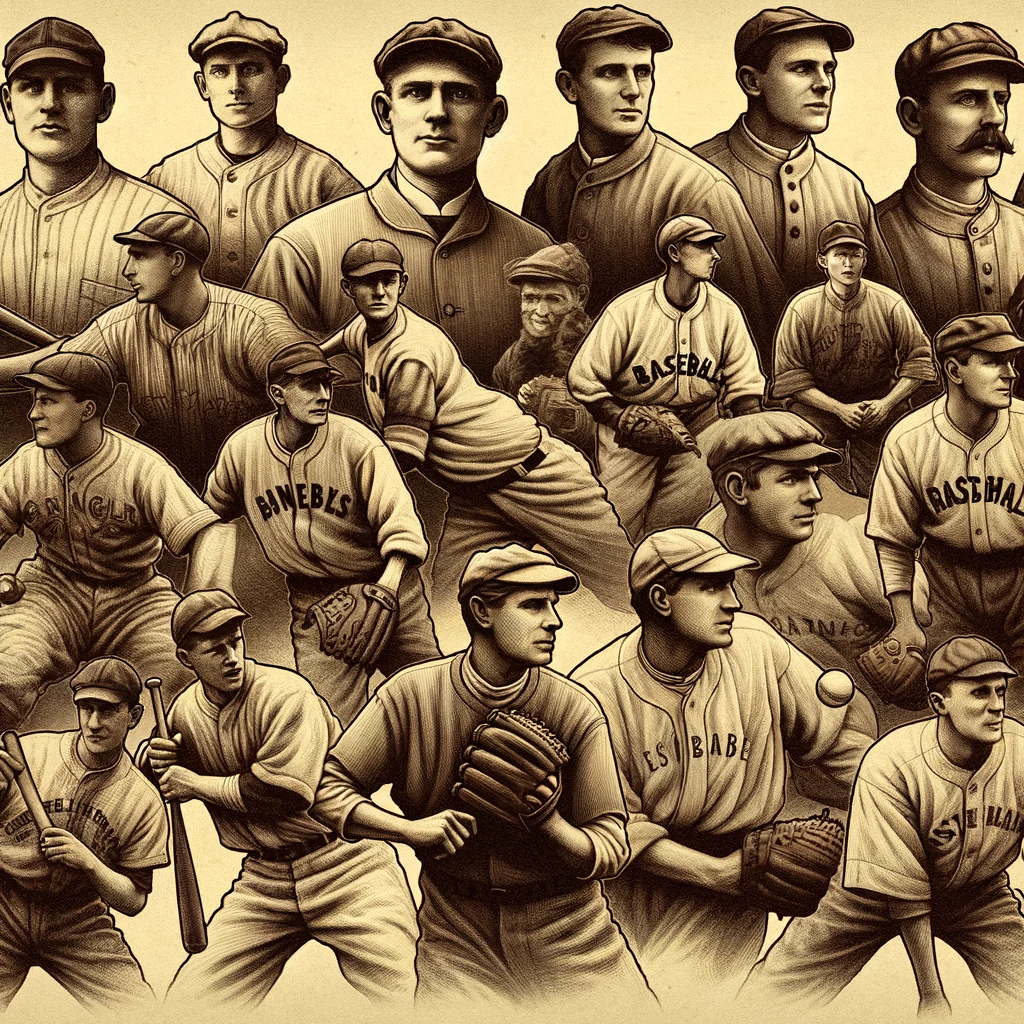
Baseball, often referred to as America’s pastime, has a rich and storied history. The National Baseball Hall of Fame, located in Cooperstown, New York, serves as the most hallowed ground for the sport’s most influential figures. This article delves into the lives and careers of the earliest inductees into the Hall of Fame, exploring their contributions and the legacy they left behind.
The Origins of the Hall of Fame
The National Baseball Hall of Fame was conceived in 1935 as part of the celebration for the 100th anniversary of what was mistakenly believed to be the sport’s invention by Abner Doubleday in Cooperstown. While later research debunked the Doubleday myth, Cooperstown remained the symbolic birthplace of baseball. The Hall of Fame officially opened its doors in 1939, immortalizing the sport’s greatest players, managers, and contributors.
The Inaugural Class of 1936
The first Hall of Fame election in 1936 was historic. It honored players who had made an indelible impact on the sport. This elite group included Ty Cobb, Babe Ruth, Honus Wagner, Christy Mathewson, and Walter Johnson – a quintet of stars who helped shape the early narrative of baseball.
Ty Cobb: The Georgia Peach
Ty Cobb, nicknamed “The Georgia Peach,” was known for his fiery temperament and aggressive playing style. He set dozens of records during his 24-year career, many of which stood for decades. Cobb’s lifetime batting average of .366 remains the highest in Major League Baseball history. His fierce competitiveness and mastery of the game’s nuances made him a formidable figure on the diamond.
Babe Ruth: The Sultan of Swat
Babe Ruth, “The Sultan of Swat,” was perhaps the most famous athlete of his time. Ruth revolutionized the sport with his home run hitting, transforming baseball into a power game. Before Ruth, home runs were rare, but his prowess at the plate changed how the game was played. His charismatic personality and larger-than-life character made him a cultural icon beyond the baseball field.
Honus Wagner: The Flying Dutchman
Honus Wagner, “The Flying Dutchman,” was one of the earliest superstars in baseball. Playing primarily for the Pittsburgh Pirates, Wagner was a versatile player, dominating both offensively and defensively. He won eight batting titles and was renowned for his speed, baseball intelligence, and strong arm. Wagner was also famously featured on what became the most valuable baseball card in history, the T206 Honus Wagner.
Christy Mathewson: The Christian Gentleman
Christy Mathewson, known as “The Christian Gentleman,” was renowned for his pitching prowess and sportsmanship. He was one of the first “clean-cut” stars in an era when baseball was still rough around the edges. Mathewson’s pitching records, including 373 career wins and an ERA of 2.13, set a high bar for future generations. He was equally admired for his integrity and character off the field.
Walter Johnson: The Big Train
Walter Johnson, nicknamed “The Big Train,” was one of the most dominant pitchers of his time. Known for his overpowering fastball, Johnson spent his entire 21-year career with the Washington Senators. He recorded 417 wins and struck out 3,508 batters, a record that stood for more than 50 years. Johnson’s gentle nature off the field contrasted sharply with his intimidating presence on the mound.
The Impact of the Early Hall of Famers
These early Hall of Famers not only excelled in their playing careers but also helped to popularize the sport of baseball across America. They set standards of excellence, broke numerous records, and brought a level of skill and professionalism that elevated the game. Their names became synonymous with baseball greatness, inspiring generations of players and fans alike.
Beyond Statistics: The Cultural Impact
Beyond their statistical achievements, these players left a profound cultural impact. Babe Ruth became a symbol of the Roaring Twenties, embodying the era’s exuberance. Ty Cobb, despite his controversial personality, represented the fierce competitiveness of the sport. Christy Mathewson showed that a player could be both a fierce competitor and a gentleman. Honus Wagner and Walter Johnson were examples of the sport’s regional heroes, bringing pride to their respective cities.
The Legacy of the Early Icons
The legacy of these early Hall of Famers extends beyond their lifetime achievements. They laid the foundation for the modern game and set a standard for future generations of players. Their induction into the Hall of Fame is not just a recognition of their statistical achievements but also a celebration of their role in shaping the history and culture of baseball.
Continuing Influence on the Game
The influence of these early icons can still be felt today. The style of play, the strategy of the game, and even the way players are marketed and perceived owe much to these pioneers. The lessons they imparted – in determination, skill, sportsmanship, and innovation – continue to resonate in the hearts of players and fans.
The National Baseball Hall of Fame’s early inductees were more than just outstanding players; they were the architects of America’s pastime. Their exploits on the field and their larger-than-life personas off it helped to weave the fabric of the sport into the cultural tapestry of the nation. As we celebrate these icons, we also celebrate the enduring spirit of baseball – a sport that has mirrored and contributed to the evolution of American society. Their legacies remind us that baseball is not just a game of numbers, but a rich historical narrative full of heroes, legends, and timeless stories.

The Evolution of Baseball Through Its Early Stars
As the sport of baseball evolved from its rudimentary beginnings in the 19th century, it was the early Hall of Famers who played a pivotal role in defining its character and appeal. Their era was marked by significant changes in rules, equipment, and style of play, all of which they navigated with remarkable skill and adaptability.
Pioneering New Strategies and Techniques
The early Hall of Famers were not just participants in the game; they were innovators. Ty Cobb, for instance, was known for his aggressive base-running tactics, challenging the norms of the time. Babe Ruth’s focus on home runs altered batting strategies forever, making power hitting a central aspect of the game. Similarly, Christy Mathewson’s mastery of the “fadeaway” pitch (now known as the screwball) added a new dimension to pitching.
Setting Standards of Professionalism
These icons set new standards of professionalism in baseball. During a time when the sport was struggling with issues of gambling and player conduct, figures like Christy Mathewson stood out for their integrity. Their professionalism elevated the public perception of baseball players, transforming them from mere athletes to national heroes.
The Broader Social Context
The early 20th century was a time of significant social and cultural change in the United States, and these baseball legends mirrored these changes. The rise of mass media, including radio broadcasts and newspaper coverage, catapulted these players into the national spotlight, making them some of the first sports celebrities in American history.
Breaking Barriers and Facing Challenges
While the early Hall of Famers were icons, it’s important to acknowledge the era’s limitations and challenges, especially the exclusion of African American players from Major League Baseball until Jackie Robinson broke the color barrier in 1947. This exclusion is a reminder of the social hurdles that have been part of baseball’s history.
Influence on Future Generations
The early Hall of Famers influenced countless players who followed in their footsteps. Their playing styles, strategies, and attitudes towards the game were studied and emulated by successive generations. They were not just players of their time; they were templates for the future of baseball.
Inspiring Future Hall of Famers
Many future Hall of Famers cite these early legends as their inspiration. From Joe DiMaggio’s graceful play reminiscent of Wagner’s to the power hitting of Hank Aaron, who followed in Ruth’s footsteps, the imprint of these early stars is evident across generations.
The Role of the Hall of Fame in Preserving History
The National Baseball Hall of Fame plays a crucial role in preserving the history and legacy of these players. By honoring these early legends, the Hall of Fame provides a context for understanding the evolution of the game and its cultural significance.
Education and Cultural Preservation
The Hall of Fame serves as an educational resource, offering insights into the lives and careers of these players. It’s a place where the story of baseball and its impact on American culture is told, preserved, and celebrated.
The Enduring Appeal of Baseball’s Early Icons
Decades after their induction into the Hall of Fame, the appeal of these early baseball icons endures. They represent not just athletic excellence but also the enduring spirit of an era. Their stories continue to inspire, and their achievements remain benchmarks of greatness in the sport.
A Timeless Connection to the Game
The legacy of these players is a testament to the timeless connection people have with the game of baseball. They are more than historical figures; they are an integral part of the fabric of the sport, representing its heart and soul.
Conclusion
The early Hall of Famers in baseball were more than just phenomenal athletes; they were seminal figures who played a key role in shaping the sport into what it is today. Their skills, innovations, and personalities helped elevate baseball to unprecedented heights of popularity and cultural significance. As we reflect on their achievements and legacies, we are reminded of the power of sports to transcend mere athletic competition, becoming a mirror to the society in which it is played. These early icons not only carved their names into the annals of baseball history, but they also left an indelible mark on the American psyche, embodying the values, struggles, and triumphs of their times. Their stories, enshrined in the Hall of Fame, continue to inspire and captivate, serving as a bridge connecting past, present, and future generations of baseball fans. In celebrating these early Hall of Famers, we are not just celebrating individuals, but the enduring spirit of baseball itself – a sport interwoven with the fabric of American life and history.