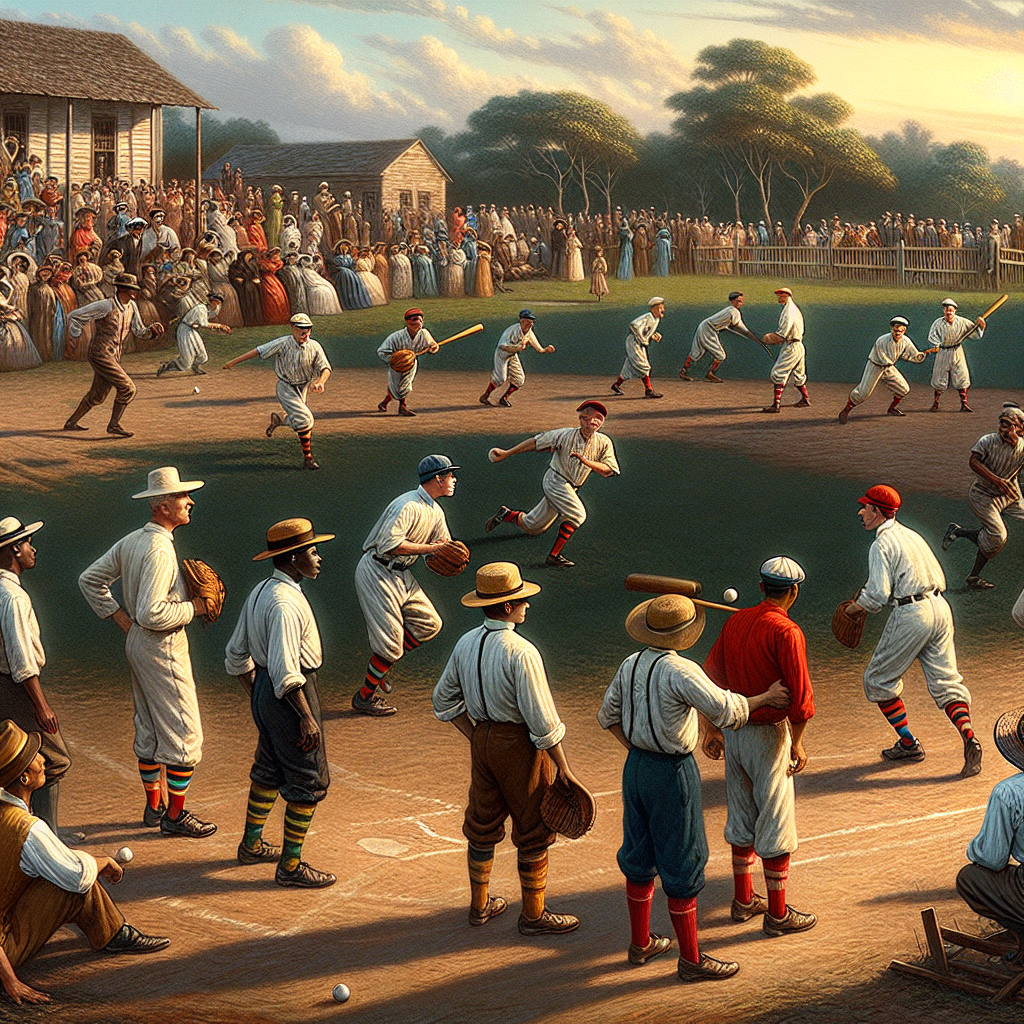
Baseball is often hailed as America’s pastime, but its influence extends far beyond North America. The sport has a rich and intriguing history that spans continents, cultures, and decades. While the game is thoroughly entrenched in the United States, it also boasts a significant presence in Latin America. Understanding the early history of baseball in Latin America provides valuable insight into how the sport transcended borders to become a beloved pastime for millions. Early adopters, pioneering players, and influential matches all played a role in establishing baseball’s foothold in countries like Cuba, the Dominican Republic, Puerto Rico, and Mexico. From informal street games to structured leagues, baseball’s early years in Latin America were marked by dynamic growth and widespread enthusiasm.
The Birth of Baseball in Cuba
The story of baseball in Latin America begins prominently with Cuba. In the 1860s, Cuban students who had been studying in the United States returned home, bringing with them a newfound passion for the sport they had embraced abroad. These early enthusiasts played a pivotal role in introducing baseball to Cuba, laying the groundwork for the nation’s deep-rooted love for the game. The first official baseball game in Cuba took place in 1874 in Matanzas, marking the start of organized play. By the late 19th century, amateur baseball leagues began to emerge, with the sport growing increasingly popular among both locals and expatriates. The Cuban League, established in 1878, further solidified baseball’s place in Cuban culture, setting a precedent for other Latin American nations to follow.
Baseball Takes Root in the Dominican Republic
The Dominican Republic was another key player in the early spread of baseball in Latin America. American sailors stationed in the Caribbean and returning Dominican students were instrumental in introducing the game to the island. By the early 20th century, baseball had become a national pastime in the Dominican Republic. Informal games gradually evolved into structured competitions, with clubs and leagues forming across the island. Prominent figures like Juan Marichal and Ozzie Virgil Sr. emerged, setting the stage for a vibrant baseball culture. The establishment of the Dominican Professional Baseball League (LIDOM) in 1951 marked a significant milestone in the country’s baseball history. From grassroots games in sugar mill towns to celebrated professional leagues, baseball’s legacy in the Dominican Republic is a testament to the sport’s enduring appeal.
Puerto Rico’s Baseball Journey
Much like its Latin American counterparts, Puerto Rico boasts a rich baseball history that dates back to the 19th century. The island’s proximity to the United States facilitated the early introduction of the sport. American troops stationed in Puerto Rico and Puerto Rican students returning from the U.S. played crucial roles in popularizing baseball. The first organized baseball game in Puerto Rico was held in 1896, and by the early 20th century, the sport had woven itself into the fabric of Puerto Rican society. The formation of the Puerto Rican Professional Baseball League in 1938 further bolstered the island’s baseball scene. Players like Roberto Clemente and Orlando Cepeda not only achieved stardom but also inspired future generations, cementing Puerto Rico’s status as a baseball powerhouse.

Mexico’s Unique Baseball Landscape
Baseball’s early history in Mexico is characterized by a blend of American influence and local enthusiasm. The sport was introduced to the country through American expatriates, soldiers, and businessmen in the late 19th and early 20th centuries. By the 1920s, baseball had gained considerable traction, with teams and leagues sprouting across Mexico. The Mexican League, founded in 1925, played a pivotal role in organizing the sport at a national level. Baseball in Mexico is unique in that it coexists with the country’s deeply entrenched love for soccer. Despite this, baseball has thrived, producing legendary players like Fernando Valenzuela and Vinny Castilla. From urban ballparks to rural fields, Mexico’s baseball culture is vibrant and diverse, reflecting the country’s rich sporting heritage.
Interplay of Politics and Baseball
The history of baseball in Latin America is not just a story of sport but also of politics and social change. In countries like Cuba, baseball became intertwined with national identity and political expression. During periods of colonial rule and political unrest, baseball served as a platform for unity and resistance. The sport’s ability to bring communities together transcended social and economic divides. Political leaders and revolutionaries recognized the unifying power of baseball, leveraging it to foster national pride and solidarity. The Cuban Revolution, for instance, saw the sport being used as a tool for promoting socialist values and ideals. Baseball in Latin America is thus a reflection of the region’s complex socio-political landscape, a testament to the sport’s transformative impact beyond the diamond.
Baseball’s Enduring Legacy in Latin America
Looking at the early history of baseball in Latin America provides a deep appreciation for the sport’s enduring legacy in the region. From its humble beginnings in the late 19th century to its current status as a cultural cornerstone, baseball has profoundly shaped the lives and identities of Latin Americans. The sport has produced countless legends and continues to be a source of national pride. Today, Latin American players dominate Major League Baseball (MLB), showcasing their exceptional talent on a global stage. The passion and dedication exhibited by these players are rooted in the rich baseball traditions of their home countries. As we celebrate the sport’s history in Latin America, it is important to recognize the continued impact of early pioneers who paved the way for future generations of baseball enthusiasts.
Conclusion
Baseball’s journey in Latin America is a captivating story of cultural exchange, passion, and resilience. The sport’s early introduction to countries like Cuba, the Dominican Republic, Puerto Rico, and Mexico set the stage for a vibrant baseball tradition that continues to thrive. Pioneers, players, and fans alike have contributed to making baseball an integral part of Latin American culture. As we reflect on the early history of baseball in the region, it becomes clear that the sport’s impact extends far beyond the field. It has played a crucial role in shaping national identities, fostering unity, and inspiring generations. Understanding this rich historical context adds depth to our appreciation of baseball’s global significance.