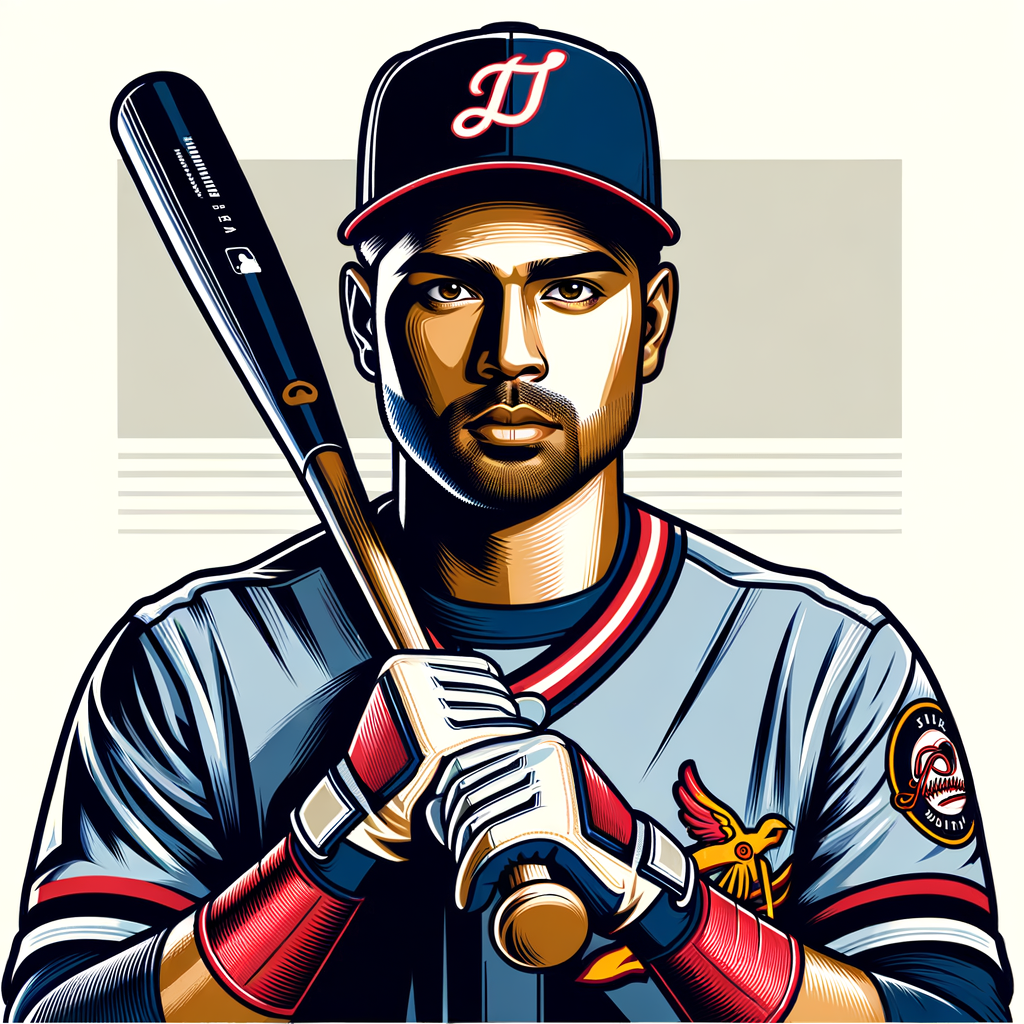
Baseball, a sport steeped in tradition, has seen numerous evolutions and adaptations over the years. One of the most contentious changes in recent memory is the introduction of the Universal Designated Hitter (DH). Historically, the DH rule was implemented in the American League in 1973, allowing teams to have a player bat in place of the pitcher. The idea was to enhance offensive output, bringing more excitement to the game. However, for decades, the National League resisted this change, valuing its adherence to tradition and the strategic elements involved when pitchers take their turns at bat. The introduction of the Universal DH during the 2020 season, albeit under unconventional circumstances due to the global pandemic, reignited debate among baseball purists and progressives alike. In this discussion, both sides of the argument find a place in the spotlight, ranging from the historical roots of the DH to its impact on strategy, player performance, and fan engagement. Delving into this timely evolution in baseball history not only illuminates the juxtaposition between tradition and innovation but also provides insights into the shifting dynamics of the sport in the modern era.
Historical Roots of the DH
The concept of the Designated Hitter is deeply intertwined with baseball’s perennial battle between tradition and innovation. The DH rule was instituted in Major League Baseball’s American League on April 6, 1973. Ron Blomberg of the New York Yankees was the first player to ever assume the DH role. The rule was designed to increase offensive production by replacing the notoriously weaker batting pitchers with strong hitters. This rule arose during a period when baseball faced diminishing offensive action, which had led to declining attendance and television ratings. Fans longed for more excitement, and a string of runs was thought to revive the thrill of the game.
Despite its efficacy in increasing offense and its widespread approval in the American League, the National League prided itself on maintaining a more traditional edge, where the pitcher is required to bat, thus offering a unique strategic complexity. Managers had to decide whether to let a struggling pitcher bat late in a game or substitute him for a better hitter, consequently removing the pitcher from the game. This added an extra layer of managerial decision-making that many baseball enthusiasts found integral to the sport’s core.
The Influence of Modern Baseball Dynamics
In the contemporary game where player specialization has intensified, the introduction of the Universal DH was perhaps inevitable. The specialization trend has seen designated hitters becoming a critical component in successful teams’ lineup strategies. Offensively, this approach allows teams to utilize players who are exceptional hitters but may not possess defensive proficiency or might be prone to injury, which prevents them from playing a position in the field. Consequently, the DH role has extended the careers of numerous renowned players like David Ortiz and Edgar Martínez, who reminded audiences of the entertainment and competitive value a slugger can bring.
The Universal DH highlights the increasing prioritization of offensive firepower over the traditional baseball mandate of utilizing each player’s all-around skill set. With analytics playing a larger role in baseball, teams are more invested in constructing lineups that optimize their win probabilities. Thus, employing a Universal DH enables teams in both leagues to mirror the constructed advantages already proven in the American League, leveling the playing field across Major League Baseball.
Impact on Pitchers and Game Strategy
Transitioning to a Universal DH doesn’t only influence hitters; it significantly affects pitchers and the overarching game strategy. Without the burden of facing nine-position batters, pitchers can no longer rely on facing a seemingly easy out against their opposite number. Consequently, pitching duels are likely to become more demanding and tactically precise. Managers may need to rethink their bullpen usage, considering the increased challenge of going through a lineup filled consistently with credible hitters.
Having pitchers solely focus on their primary role shifts strategic decisions substantially. Previously, in the absence of the DH, managers had to pull a pitcher for a pinch hitter, often before a critical at-bat late in a game, which encouraged deeper bullpen management for potential long games. The Universal DH reduces these dilemmas, possibly leading to longer average outings for starters as their removal from games is more influenced by their pitching performance rather than where they are in the batting order.
Fan Engagement and Commercial Implications
From a commercial standpoint, the Universal DH potentially rejuvenates fan interest and engagement, especially among younger, casual fans who favor dynamic offensive displays. The resurgence of spectacular home runs and multi-run innings could help energize stadium atmospheres and enhance the television viewing experience, providing noticeable boosts in the sport’s marketability.
Furthermore, incorporating the DH universally simplifes the game for new fans by standardizing rules across leagues, reducing confusion. This move lends to a sense of cohesion and balance in MLB’s structure, potentially drawing a broader viewership. As sports compete for entertainment dominance in an increasingly digital and diverse market, maintaining fan interest is pivotal, and strategies like the DH help attract and retain audiences.
Cultural and Emotional Resonance
While the Universal DH advances in making the game more appealing and equitable across leagues, it doesn’t go without criticisms rooted in baseball’s cultural and emotional fabric. Many argue that it dilutes the nostalgic essence and strategic purity that the National League format traditionally offered. An era of pitchers like Madison Bumgarner, known for his offensive prowess alongside stellar pitching, could potentially fade as the incentive to cultivate dual-role players declines.
Baseball’s romanticism lies in its quirky unpredictability. The sight of a pitcher unexpectedly smashing a home run, or hustling to first base after a bunt, contributes to baseball’s charm for many. The Universal DH may sideline such moments permanently, raising questions of loss amid gain. The sport is loved for its nuances, and a universal alteration could stir cultural shifts within clubhouse strategies and long-standing fan traditions.
Conclusion
In tying together various threads of this tactical transformation, the Universal DH signifies a pivotal evolution in baseball’s storied history, where tradition finds itself grappling with the imperatives of modernity. Its adoption is not merely a rule change but a symbol of baseball’s adaptability in the face of evolving player dynamics, audience expectations, and commercial imperatives. The Universal DH endeavors to unify baseball under a common banner of excitement and predictability in gameplay, attracting a wider fan base while honoring the essence of the sport.
Yet, this evolution does not come unchallenged. For traditionalists, the Universal DH represents a departure from cherished customs that instilled baseball with its signature strategic depth. The sport stands at a crossroads, seeking to preserve its historical roots while cautiously adapting to the expectations of an evolving audience hungry for electrifying sportsmanship.
Ultimately, the Universal DH serves as a testament to baseball’s resilience and capacity for renewal, ensuring its relevance and vibrancy for years to come. Whether one supports or critiques this change, its resonance within the baseball community underscores the sport’s enduring significance and its potential to continue captivating generations in diverse, meaningful ways.
Frequently Asked Questions
1. What is the Universal Designated Hitter (DH) rule in baseball?
The Universal Designated Hitter (DH) rule is an adaptation in baseball that allows teams across both the American and National Leagues to have a dedicated player, known as the DH, bat in place of the pitcher. This rule effectively eliminates the need for pitchers, who historically have been weaker hitters, to bat during the game. The main objective of implementing the DH is to boost offensive play and overall excitement by increasing scoring opportunities. This change has been embraced in an effort to make the game more dynamic and entertaining for fans, aligning more closely with the gameplay style of the American League, which has utilized the DH since 1973. Prior to the adoption of the Universal DH, the two leagues operated under different rules regarding the DH, which added a layer of complexity in interleague play and post-season games where teams would need to adjust their strategies depending on the host ballpark’s league rules.
2. Why was the National League resistant to adopting the DH rule for so long?
The National League (NL) held out against the DH rule for nearly five decades due to a strong sense of tradition and the belief in maintaining a purer form of the game, where all players, including pitchers, are involved in both offensive and defensive aspects. There is a romantic notion among baseball purists that strategy is deepened when the pitcher has to bat, as it forces managers to make tough decisions regarding pitching changes and pinch-hitting, thus showcasing managerial expertise and game complexity. The preservation of this traditional gameplay style fostered a sense of baseball purity unique to the NL. This resistance was also due to a belief that pitchers, despite generally being weaker hitters, contribute to the unique character of the sport by batting. The notion of having a player only bat without taking the field, as the DH does, was perceived by many within the league and its fanbase as detracting from the overall skills required to play Major League Baseball.
3. Has the Universal DH rule been accepted by fans and players alike?
The acceptance of the Universal DH is mixed among fans and players, reflecting the diverse perspectives within the baseball community. Some fans appreciate the increased offense and excitement that a dedicated DH can bring to a game, enjoying the potential for higher scoring and dramatic at-bats. This perspective aligns with those who prefer a fast-paced, action-filled sport that a heavy-hitting lineup can offer. In contrast, traditionalists miss the managerial chess game that comes with morphing pitcher batting orders and double switches. Players, on the other hand, largely favor the Universal DH, as it opens up opportunities for more seasoned hitters who may not possess the fielding capabilities necessary for a regular position. Especially older players or those recovering from injuries, benefit significantly as they can extend their careers purely leveraging their batting skills. Moreover, pitchers generally favor not having to bat, as it allows them to concentrate solely on pitching. However, consensus is evolving, and each season adds to the growing acceptance of the new rule, especially as fans witness other advantages such as reduced injury risks for pitchers.
4. What impact has the Universal DH had on game strategy?
The introduction of the Universal DH has significantly influenced game strategy, offering a new canvas for managers to paint their tactics. With a designated hitter, there’s an added focus on offensive lineups, allowing managers to strategically place power hitters in the lineup without worrying about their defensive liabilities. It strategically shifts how pinch hitters are used, as there’s less need to replace a pitcher’s spot in the lineup, providing more options later in the game for tactical pinch-hitting plays when facing challenging pitchers. Additionally, pitchers can prolong their stint on the mound since managers no longer need to factor the pitcher’s upcoming turn at the plate into decisions about when to make a pitching change. This shift allows a more stable rotation and conserves bullpen strength over a grueling 162-game season. While some strategic elements, such as the sacrifice bunt and double switch, may be less prominent, the complexities of managing a lineup to maintain a balance of power hitting and on-base capability remain a pivotal aspect of the game, keeping the art of baseball strategy alive and well.
5. How has the introduction of the Universal DH affected player development and team roster management?
The Universal DH has ushered in significant changes in player development and team management strategies. In terms of player development, teams can now cultivate and invest in prospective designated hitters without concerns over their defensive prowess. This provides an added career path for players who excel at batting, allowing organizations to tap into a broader pool of talent that they can refine purely for offensive prowess. Talent evaluators and coaches may adopt different criteria in assessing minor leaguers, emphasizing batting talent more heavily. For team roster management, the Universal DH enables more flexibility in roster composition. Teams can now balance having defensive specialists with strong batting lineups by slotting a powerful DH hitter who doesn’t compromise defense. Roster adjustments become less frantic since there’s a mitigated need to carry defensive subs for significant batting slots, which previously included the pitcher’s spot. This change has also potentially affected payroll decisions, as teams might allocate budget differently, investing more in batting talent that could cycle through DH roles, while still maintaining a strong defensive core. The Universal DH is thus a game-changer beyond the field, influencing how teams approach building championship squads.