
William Harold “Billy” Southworth remains one of the most influential figures in baseball history. Born on March 9, 1893, in Nebraska, Southworth’s name is synonymous with both remarkable talent as a player and outstanding leadership as a manager. From his early days playing semi-pro baseball to his illustrious career in Major League Baseball (MLB), and ultimately transitioning to a successful managerial career, Southworth left an indelible mark on the sport. Unpacking his journey provides a window into the transformative years of America’s pastime during the early and mid-20th century.
Southworth’s career spanned various roles and teams, including his stints as a player for the Cleveland Indians, Pittsburgh Pirates, and New York Giants. However, it was his tenure with the St. Louis Cardinals and the Boston Braves as a manager that solidified his legendary status. Known for his keen strategic mind and the ability to inspire his players, Southworth’s impact went beyond statistics and wins.
In this article, we will delve into Billy Southworth’s dynamic playing career, his transition into management, the hallmark achievements of his managerial career, and the lasting legacy he left on the sport. Join us as we explore the life and accomplishments of a true baseball luminary, whose story continues to inspire and captivate baseball enthusiasts around the world.
Early Playing Days and Entry into MLB
Billy Southworth began playing baseball at a young age, showcasing a natural talent that quickly caught the attention of scouts. His robust performance in semi-professional leagues paved the way for his entry into Major League Baseball in 1913 when he debuted with the Cleveland Indians. At 20 years old, Southworth’s career appeared full of promise as he displayed both offensive and defensive skills.
However, his early years in the majors were marked by fluctuations and relocations among various teams. After short stints with the Pittsburgh Pirates and the Boston Braves, he found a more stable role with the New York Giants. Southworth’s career as a player was characterized by versatility; he could play as a right-handed outfielder and also had occasional placements in other positions, demonstrating his adaptability and comprehensive understanding of the game.
Despite not being a standout star at this stage, his consistent performance and a batting average that hovered around .297 in the peak of his career kept him valuable to his teams. It was during his time with the Giants that Southworth started to be noticed not just for his playing talents, but for his leadership qualities and strategic mind, traits that would later define his success as a manager.
By the time he concluded his playing career in 1929, Southworth had amassed a respectable record, but his most significant contributions to baseball were yet to come, as his transition to management would highlight his true prowess in the sport.
The Transition to Management
Billy Southworth’s shift from player to manager didn’t happen overnight. After retiring as a player, he immediately segued into coaching and management in the minor leagues, cutting his teeth and gaining invaluable experience. In the 1930s, he managed teams like the Rochester Red Wings and the Columbus Red Birds, where he began to develop his distinct managerial style.
Southworth’s approach to management was deeply rooted in understanding and harnessing the full potential of his players. He was known for a hands-on style and had an intuitive grasp of player psychology, often being able to draw out the best performance from his teams. His tenure with the Rochester Red Wings was particularly notable, where he led the team to a playoff berth, showcasing his ability to cultivate winning approaches early on.
Following his successes in the minor leagues, Southworth received an opportunity to manage at the major league level. The St. Louis Cardinals took notice of his managerial capabilities and brought him on board in 1929, initially in a player-manager capacity. While the initial run was short-lived, his return in 1940 as a full-time manager marked the beginning of a historic period for both Southworth and the Cardinals.
His time managing in the minors was instrumental in shaping his philosophy and methods, setting the stage for the legendary accomplishments that would follow in his MLB managerial career.
Triumph with the St. Louis Cardinals
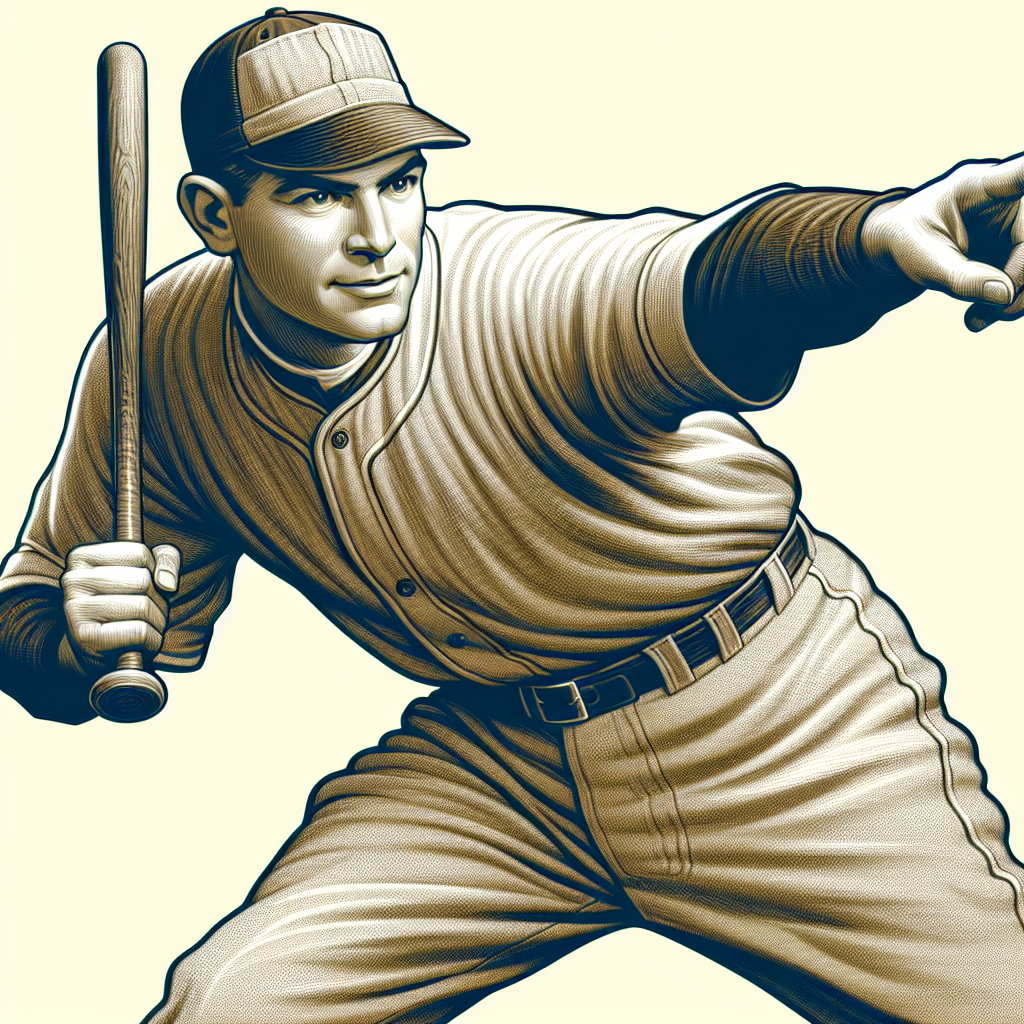
Arguably, Billy Southworth’s most celebrated period came during his time with the St. Louis Cardinals from 1940 to 1945. Under his stewardship, the Cardinals achieved remarkable success, becoming one of the most dominant teams in baseball during the 1940s. His managerial brilliance was evident in both regular-season dominance and postseason triumphs.
The 1942 season stands out as a pinnacle in Southworth’s career. The Cardinals finished the season with an impressive 106-48 record and went on to defeat the New York Yankees in the World Series. This victory was particularly sweet as the Yankees were a powerhouse and considered nearly unbeatable at the time. Southworth’s strategic acumen, combined with his ability to motivate and manage his players, was crucial to this success.
Over the next few years, Southworth continued to lead the Cardinals to success, capturing another World Series title in 1944 and National League pennants in 1943. His time with the Cardinals was marked by a winning percentage of .642, one of the highest in managerial history, underscoring his impact and effectiveness.
Southworth’s tenure with the Cardinals solidified his reputation as one of the greatest managers in baseball history. His winning record, combined with his innovative strategies and player management skills, left an enduring legacy in St. Louis and the broader baseball community.
A New Challenge with the Boston Braves
In 1946, Billy Southworth took on a new challenge as the manager of the Boston Braves. Moving to a different team and league posed fresh hurdles, but Southworth was up for the task. The Braves had been struggling for years, and his appointment was intended to inject new life into the franchise.
Southworth’s first few seasons with the Braves saw a gradual improvement in the team’s performance. His impact was most prominently felt during the 1948 season when the Braves won the National League pennant and made it to the World Series. Although they lost to the Cleveland Indians, the achievement marked a significant turnaround for the Braves and added to Southworth’s legacy as a master tactician and motivator.
During his time with the Braves, Southworth was not just about winning games but also about building a winning culture and instilling a sense of pride and resilience in his players. He was known for his meticulous approach to both training and in-game management, often making decisions that outfoxed the opposition.
Southworth continued to manage the Braves until 1951, retiring with a commendable legacy of having revitalized a struggling team and taking them to the brink of glory. His tenure with the Braves was a testament to his adaptability and unwavering commitment to excellence.
Legacy and Honors
Billy Southworth’s contributions to baseball were formally recognized with his induction into the Baseball Hall of Fame in 2008, posthumously honoring a career that had touched numerous facets of the game. His managerial record, especially his championship wins with the Cardinals and his revitalization of the Braves, firmly established him as one of the game’s greats.
Beyond statistics and accolades, Southworth’s influence is felt in the lasting changes he inspired in team management and player development. His emphasis on understanding players’ individual needs and his knack for making tactical adjustments were ahead of his time. Many of his contemporaries and later managers drew inspiration from his methods and philosophies.
Southworth’s legacy extends to the countless players he coached and mentored, many of whom went on to have successful careers of their own. His ability to lead by example and cultivate a winning attitude is often cited by those who played under him.
Today, Billy Southworth is remembered not just as a manager who won games, but as a pioneer who shaped the modern approach to baseball management and team dynamics. His name stands alongside other legends in the annals of baseball history, a fitting tribute to a man who gave so much to the sport he loved.
Conclusion
Billy Southworth’s journey from a talented player to one of the most revered managers in baseball history is a testament to his enduring love for the game and his exceptional abilities. His career encapsulates the evolution of baseball during a transformative era and highlights the impact one individual can have on the sport.
From his early days with the Cleveland Indians and the New York Giants to his managerial triumphs with the St. Louis Cardinals and the Boston Braves, Southworth’s story is one of perseverance, innovation, and leadership. His strategic insights and ability to foster team unity set new standards in baseball management, influencing generations of players and managers alike.
Southworth’s legacy is enshrined in the Baseball Hall of Fame, but his true impact lies in the countless lives he touched, both on and off the field. His story serves as an inspiration to aspiring players, coaches, and fans, reminding us of the relentless pursuit of excellence that defines the spirit of baseball.
As we reflect on the remarkable life and career of Billy Southworth, we celebrate a man who not only achieved greatness but also paved the way for future generations in America’s beloved pastime. His contributions continue to resonate, ensuring that his legacy lives on in the annals of baseball history for years to come.
Frequently Asked Questions
1. Who was Billy Southworth and why is he considered influential in baseball history?
Billy Southworth was a prominent figure in baseball, known for his remarkable talent both as a player and as a manager. Born on March 9, 1893, in Nebraska, he started his journey in the world of baseball playing semi-professional games, and his exceptional skills soon paved the way for an illustrious career in Major League Baseball (MLB). Southworth played as an outfielder for various teams, including the Boston Braves, New York Giants, and St. Louis Cardinals. However, it was his transition to managing where he truly made his mark. As a manager, he led teams like the St. Louis Cardinals and Boston Braves to significant victories, earning a reputation for his strategic brilliance and leadership qualities. Southworth’s approach to managing was innovative; he had a deep understanding of the game and a knack for player development, which helped his teams succeed at the highest levels of competition. Because of these achievements, he is remembered as one of the most influential figures in the history of baseball.
2. What were the key milestones in Billy Southworth’s career as a Major League Baseball player?
Billy Southworth had several key milestones during his career as a Major League Baseball player. He began his MLB journey with the Cleveland Indians in 1913, and over the years, played for several teams including the Pittsburgh Pirates, Boston Braves, New York Giants, and St. Louis Cardinals. Throughout his playing career, Southworth was known for his hitting prowess and solid defensive skills in the outfield. One of his standout seasons was in 1926 with the Cardinals, where he contributed significantly to the team’s performance. Despite facing several challenges, including a fluctuating presence in the major leagues in the early years, Southworth’s determination and talent eventually earned him recognition. These playing years laid the foundation for his transition to a managerial role, where he applied his on-field experiences to lead and inspire teams to success.
3. How did Billy Southworth transition from being a player to a manager, and what made him successful in this new role?
Billy Southworth’s transition from player to manager is a story of adaptability and vision. After his playing days wound down in the early 1930s, Southworth began his managerial career in the minor leagues, where he quickly showcased his ability to lead and develop his players. His success in managing at the minor league level earned him a spot as the manager for the St. Louis Cardinals in 1929, and later in 1940, he took on the role full-time. Southworth’s success as a manager can be attributed to his strategic acumen, player-centric approach, and ability to inspire his team. He had a keen eye for talent and knew how to motivate and develop his players, fostering a winning culture. Under his leadership, the Cardinals won three National League pennants and two World Series championships. His managerial style was characterized by a blend of credible baseball knowledge, strong work ethic, and a genuine rapport with his players, all of which made him an influential and highly respected manager.
4. What were some of Billy Southworth’s most significant achievements as a manager, and how did they impact his legacy in baseball?
As a manager, Billy Southworth’s significant achievements are numerous and left a lasting impact on his legacy and the teams he led. Perhaps his most notable accomplishments came during his tenure with the St. Louis Cardinals. Under his management, the Cardinals reached remarkable heights, winning World Series titles in 1942 and 1944, and securing three National League pennants from 1942 to 1944. His leadership abilities were further demonstrated when he managed the Boston Braves, leading them to a National League pennant in 1948. Southworth’s ability to create cohesive, competitive teams poised for success was a testament to his leadership skills and baseball intellect. His accomplishments not only boosted his standing in baseball history but also influenced managerial strategies for generations to come. Southworth was inducted into the Baseball Hall of Fame posthumously in 2008, cementing his legacy as one of the sport’s greatest managers.
5. Why is Billy Southworth’s management style still relevant in modern baseball?
Billy Southworth’s management style remains relevant in modern baseball due to its focus on player development, motivational techniques, and strategic thinking. Southworth was known for his personal approach to management; he understood that every player was unique and believed in catering to their individual strengths to build a cohesive and high-performing team. This approach is very much aligned with contemporary management strategies that emphasize understanding human psychology and building team morale. Furthermore, Southworth was a strong proponent of using data to make informed decisions, a precursor to the data-driven strategies widely used in today’s baseball analytics. His commitment to identifying and nurturing talent has translated into long-lasting principles in coaching and player management, making his approach timeless. Modern managers and teams often cite Southworth’s methodology as a blueprint when looking to drive success and build enduring competitive teams.